

Logo
WhatsAppFacebookYouTube

Our Blog

Latest insights, updates, and stories

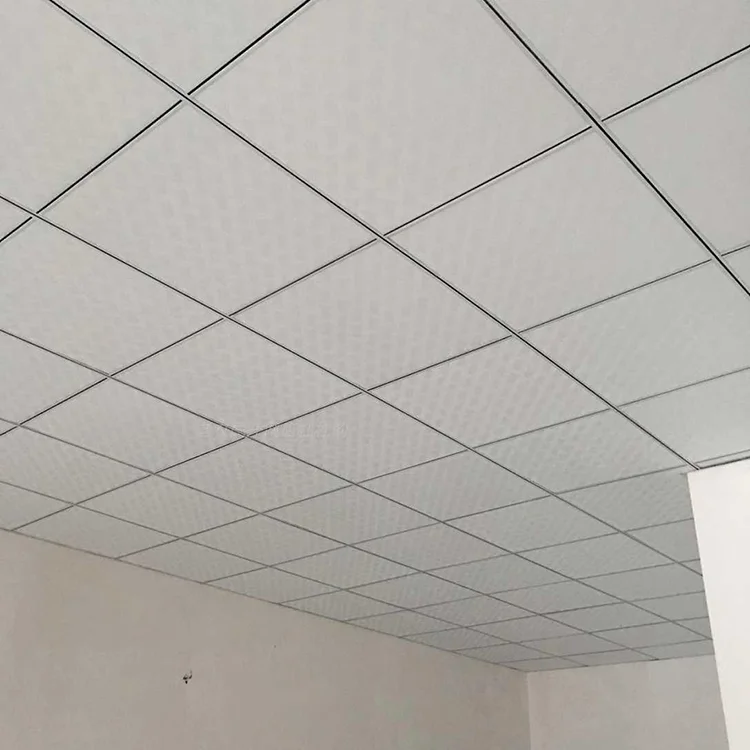
Does Black PVC Gypsum Ceiling Tile Make a Room Bigger or Smaller?
Apr 8, 2026 Uncategorized

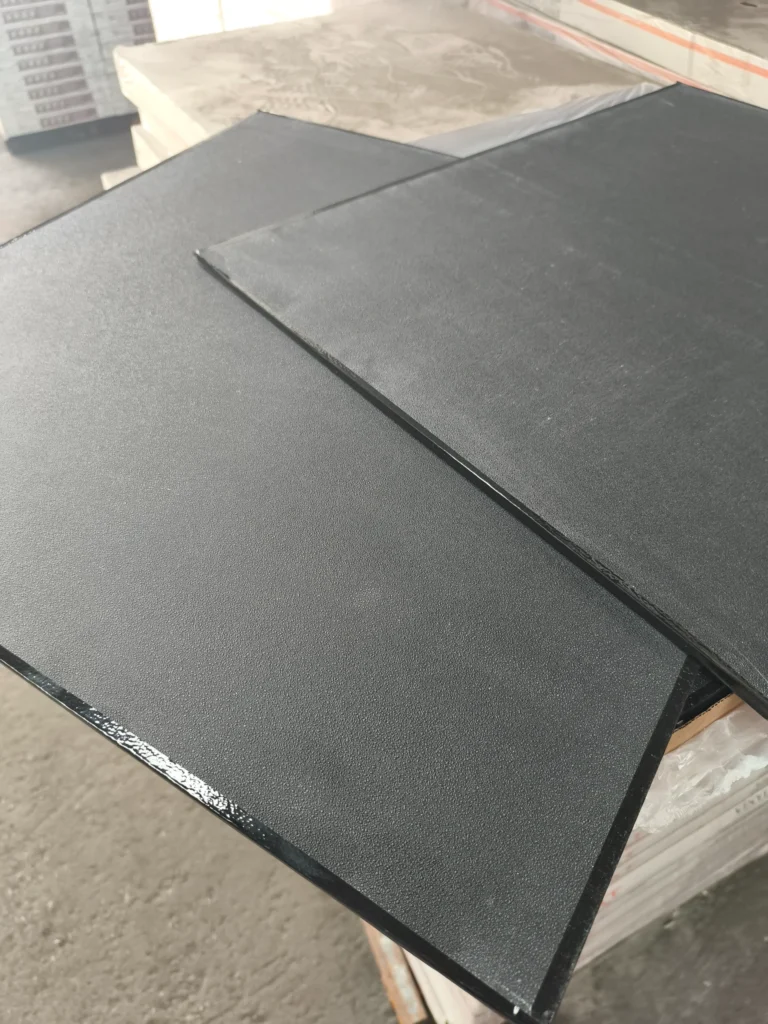
Does Black PVC Gypsum Ceiling Tile Make a Room Bigger or Smaller?

A black PVC gypsum ceiling tile can make a room feel cozier, deeper, and more focused rather than visually larger. Dark ceilings visually compress height but add dramatic depth and intimacy. TRUSUS insight: black doesn’t always shrink—it defines atmosphere. When balanced with light walls and proper lighting, a black ceiling removes visual boundaries, letting the […]
Read more
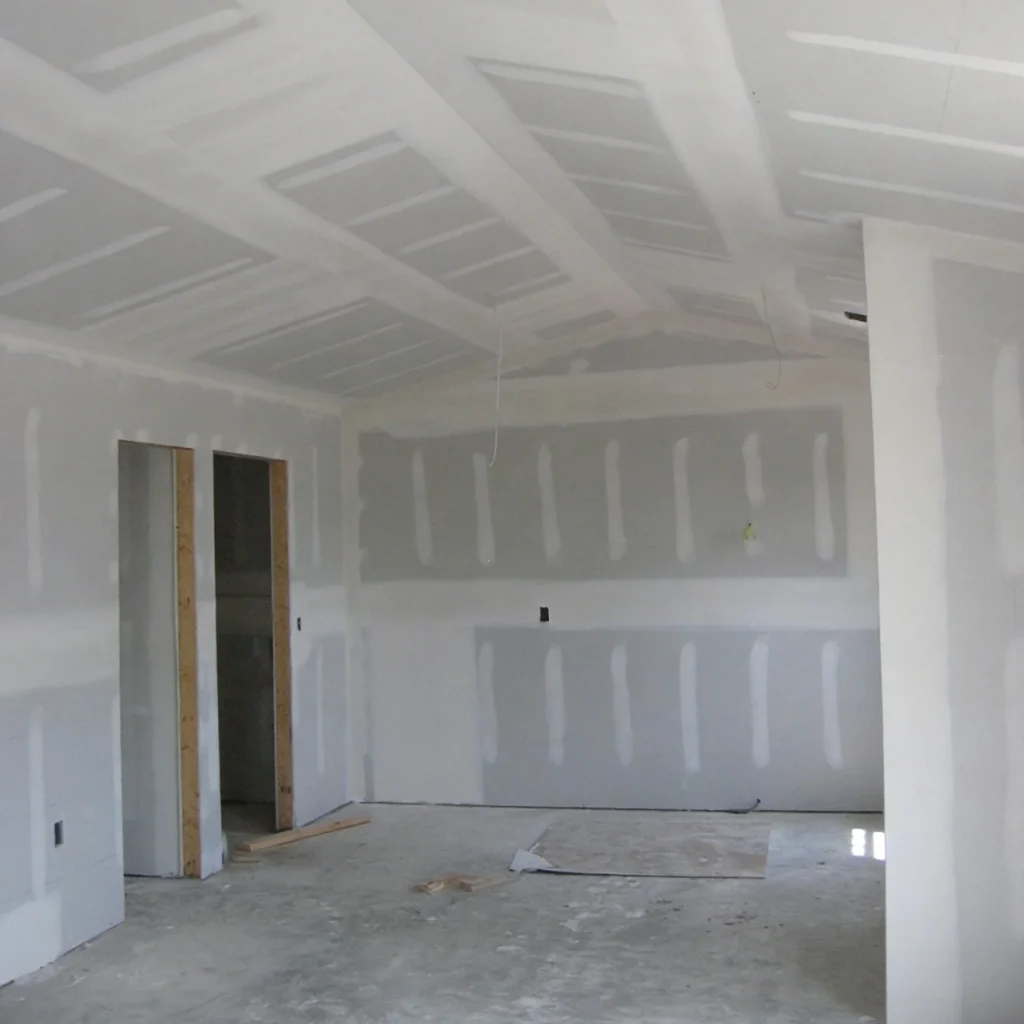
Pink and green drywall panels partially installed on a metal frame, showing curved designs and construction progress.
Apr 7, 2026 Uncategorized

How Do You Fire Proof a Steel Stud Frame Structure?

You fireproof a steel stud frame structure by creating a complete fire protection system—not just by coating steel. This includes gypsum board layers, insulation, and fire-resistant finishes that work together. TRUSUS insight: fireproofing is system coordination, not surface painting. The gypsum board around steel studs releases water vapor under heat, delaying steel temperature rise. Insulated […]
Read more
Is a Ceiling Grid Aluminum or Steel?
Apr 3, 2026 Uncategorized

Is a Ceiling Grid Aluminum or Steel?

Ceiling grids are mainly made of aluminum or galvanized steel, depending on the project’s requirements. Both materials provide strong support but serve different purposes in design and performance. TRUSUS insight: choose material based on environment, not personal preference. Aluminum grids resist corrosion and are lighter, ideal for humid rooms or decorative ceilings. Steel grids are […]
Read more
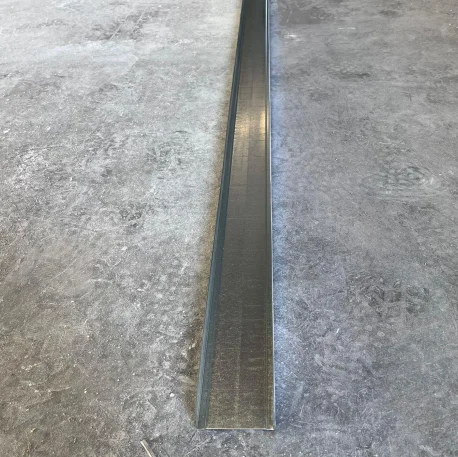
Long metal stud placed on a concrete floor, used in construction or framing projects.
Apr 2, 2026 Uncategorized

Is White Rust on Galvanized Steel Bad?

Yes, white rust on galvanized steel is a warning sign. It indicates zinc oxidation caused by trapped moisture before a stable protective film formed. While not immediately destructive, it threatens long-term corrosion resistance. TRUSUS insight: white rust is small in appearance but serious in meaning. White rust weakens the zinc layer’s integrity. It signals poor […]
Read more
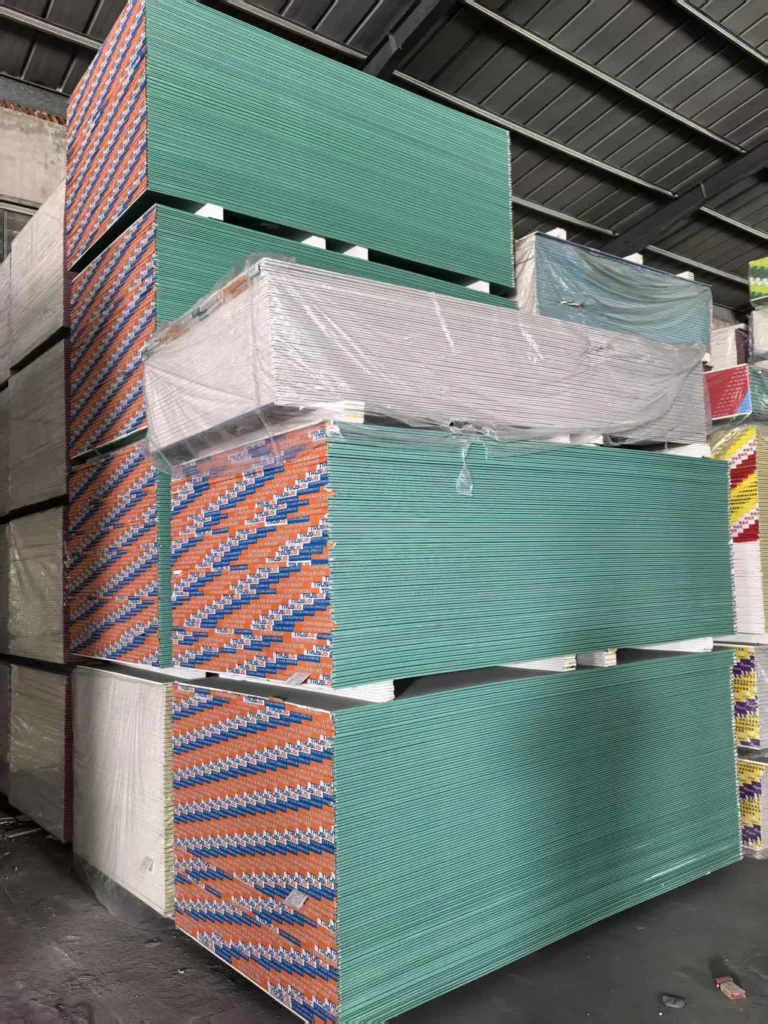
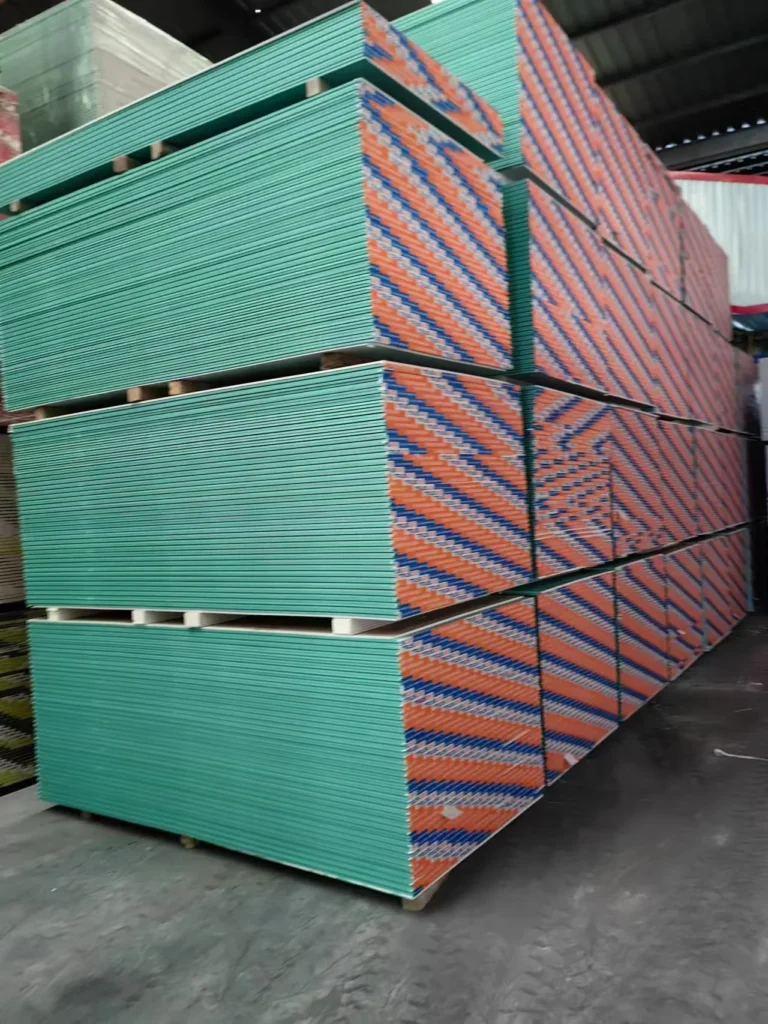
Large stacks of drywall pallets stored in a warehouse with alternating green and branded patterns.
Apr 1, 2026 Uncategorized

Are Waterproof Plasterboard and Water-Resistant Plasterboard the Same Thing?

Waterproof and water-resistant plasterboards are not the same. Waterproof boards are built to block liquid water, while water-resistant boards only slow moisture absorption. TRUSUS insight: both sound similar, yet they fight water in different ways. A waterproof board uses sealed surfaces and dense gypsum cores to isolate water exposure. A water-resistant board prevents humidity damage […]
Read more
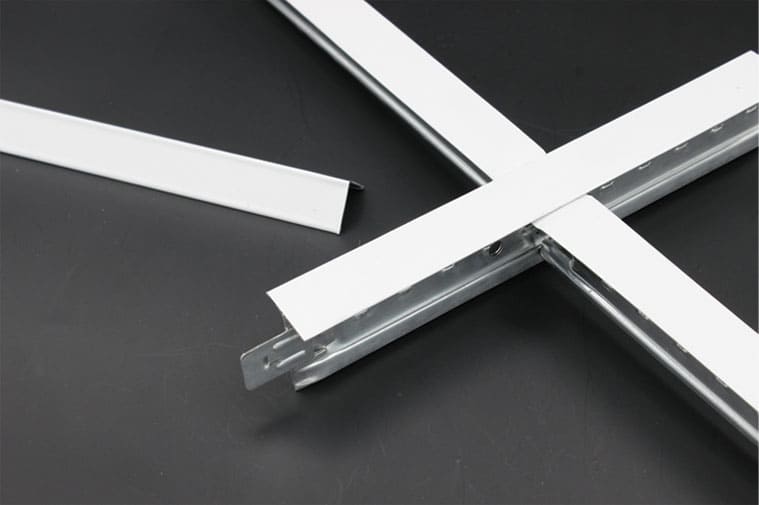
Metal framework structure for suspended ceiling installation on a dark surface; includes connectors and supports.
Mar 31, 2026 Uncategorized

What Is the Difference Between C Stud and U Stud?

C studs and U studs differ in shape, function, and position within a drywall or light steel frame system. The C stud serves as the vertical structural member, while the U stud acts as the top and bottom track that anchors the wall framework. TRUSUS insight: the shape defines its role—the C stands, the U […]
Read more
How Are Mineral Fiber Ceiling Tiles Made?
Mar 30, 2026 Uncategorized

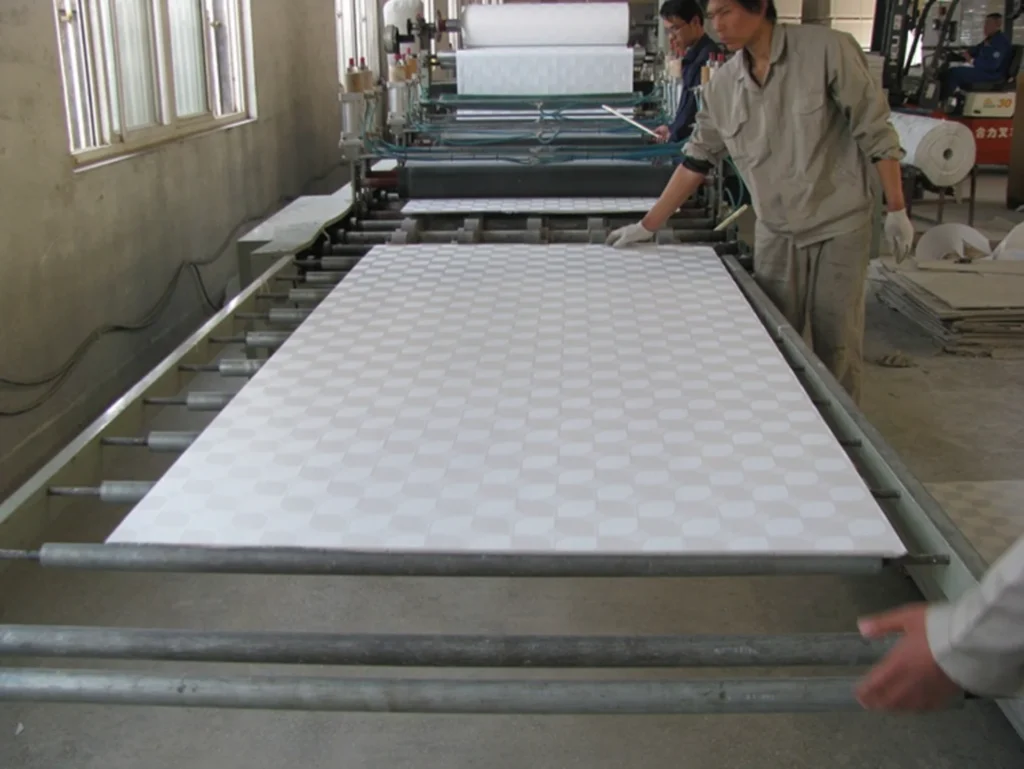
How Are Mineral Fiber Ceiling Tiles Made?

Mineral fiber ceiling tiles are made by combining mineral wool, recycled paper, and binders into a slurry, shaping the mixture, then drying, finishing, and coating it for strength and appearance. TRUSUS insight: every tile begins as a network of fibers engineered for function, not just form. During production, high-temperature furnaces melt natural rock or slag […]
Read more
How Should Gypsum Board Be Stored?
Mar 27, 2026 Uncategorized

How Should Gypsum Board Be Stored?

Gypsum boards should always be stored flat, off the ground, and in a dry, ventilated space to prevent warping or moisture absorption. Upright storage or leaning against walls weakens the board’s core. TRUSUS insight: proper storage protects structure before installation begins. Gypsum boards are compressed materials that handle pressure well but not bending. Laying them […]
Read more
Pallet with numerous boxes labeled Trus stacked neatly in rows, secured by straps.
Mar 26, 2026 Uncategorized

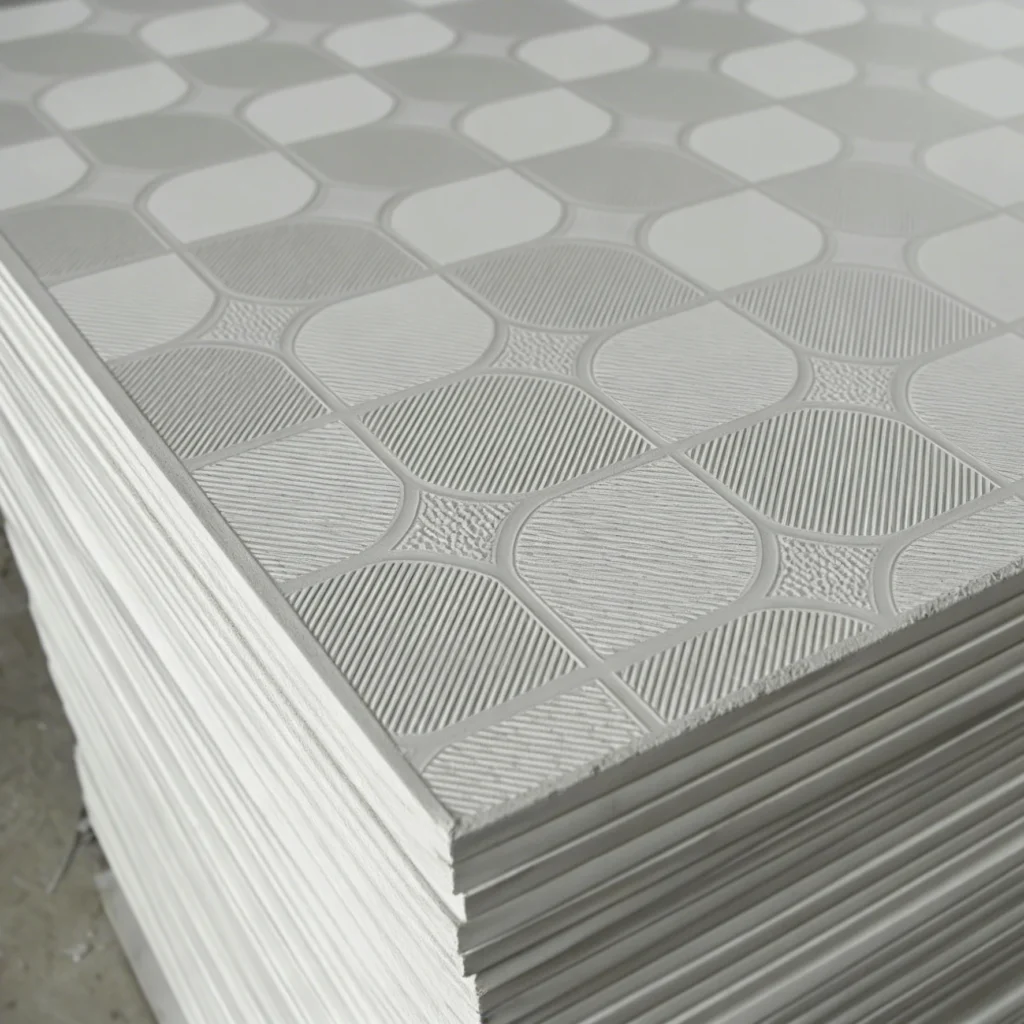
Are PVC Gypsum Tiles More Shatter-Proof Than Traditional Plaster Ceilings?

PVC gypsum ceiling tiles are more shatter-resistant than traditional plaster ceilings because their composite layers absorb stress instead of fracturing. The PVC film acts as a flexible shield over a gypsum core. TRUSUS insight: strength in ceilings comes not from hardness, but controlled flexibility. Traditional plaster cracks easily under impact or vibration. PVC gypsum tiles […]
Read more
How to Clean Black PVC Ceiling Tiles?
Mar 25, 2026 Uncategorized

How to Clean Black PVC Ceiling Tiles?

Clean black PVC ceiling tiles using a mild detergent solution and a soft microfiber cloth. Avoid strong chemicals that damage the anti-static or UV-coated surface of the tile. TRUSUS insight: cleaning is about restoring surface energy—not removing stains. Mix warm water with neutral soap, gently wipe in circular motion, and dry immediately to prevent streaks. […]
Read more
Cardboard containers securely stacked inside a shipping container, ready for transportation.
Mar 24, 2026 Uncategorized

How to Handle and Store Gypsum Board on a Guyana Construction Site?

Handle and store gypsum board in a dry, covered, and ventilated environment, raised off the ground by at least 8 cm. Stack flat, not upright, and cover with a breathable moisture-resistant sheet. TRUSUS insight: in humid Guyana, handling equals protection—every move shapes performance. Handling is not only transport—it is part of the environmental system design. […]
Read more
Pink and green drywall panels partially installed on a metal frame, showing curved designs and construction progress.
Mar 23, 2026 Uncategorized

What Is the Deflection Limit for Gypsum Board?

The typical deflection limit for gypsum board is L/240 to L/360, depending on whether it’s used for walls or ceilings. “L” represents the span between support points. TRUSUS insight: deflection defines how a board behaves as a structure, not just how it decorates. This small numerical limit ensures the board stays flat, joints don’t crack, […]
Read more
1 2 3 4 11

Copyright 2002 - 2026 Trusus | All Rights Reserved | Powered by Trusus