



Drywall calcination is the heating process that removes part of the water from natural gypsum to create plaster used in drywall production. This controlled dehydration process is also what gives drywall its fire-resistant behavior during a building fire.
TRUSUS fire safety insight: drywall is no longer viewed as only a low-cost wall material. Its internal chemical behavior is becoming central to modern building safety design.

Many people know drywall as a common interior board.
Few understand that its fire resistance comes directly from gypsum chemistry.
What Happens During Calcination
| Calcination Stage | Chemical Change |
|---|---|
| Natural gypsum heating | Water molecules released |
| Partial dehydration | Hemihydrate gypsum forms |
| Controlled cooling | Stable plaster powder created |
The process transforms raw gypsum into usable construction material.
Why Water Content Matters
| Gypsum Characteristic | Fire Safety Benefit |
|---|---|
| Chemically bound water | Heat absorption |
| Slow dehydration | Delayed temperature rise |
| Steam release | Fire resistance support |
This water release process helps slow fire spread.
How Drywall Is Manufactured After Calcination
| Production Step | Purpose |
|---|---|
| Mixing plaster slurry | Board formation |
| Applying paper liners | Surface reinforcement |
| Controlled drying | Dimensional stability |
Manufacturing precision affects board quality and fire performance.
Why Calcination Is Important In Fire Protection
| Fire Condition | Drywall Reaction |
|---|---|
| High heat exposure | Water vapor release |
| Surface heating | Energy absorption |
| Continued fire load | Protective barrier formation |
Drywall works as a passive fire protection material.
Why Customers Ask More About Fire Mechanisms Today
| Traditional Material Evaluation | Modern Safety Evaluation |
|---|---|
| Product appearance | Chemical behavior understanding |
| Basic fire rating labels | Mechanism transparency |
| Standard compliance focus | Real fire performance focus |
Clients increasingly want to understand how materials actually behave during emergencies.
The Industry Shift Behind These Questions
| Older Drywall Market | Modern Fire Safety Market |
|---|---|
| Commodity board sales | Performance-based safety systems |
| Simple specification sheets | Scientific fire explanation |
| Product-centered promotion | Safety-centered education |
I believe future building materials will be judged more by their proven safety mechanisms than by marketing claims alone.
How Flammable Is Drywall?
Drywall itself is considered non-combustible because its gypsum core does not easily burn. However, the paper facing can char or burn under direct flame exposure, especially after the gypsum core loses moisture during prolonged heating.
TRUSUS fire resistance insight: drywall is designed to slow fire progression, not to remain unchanged during a fire.
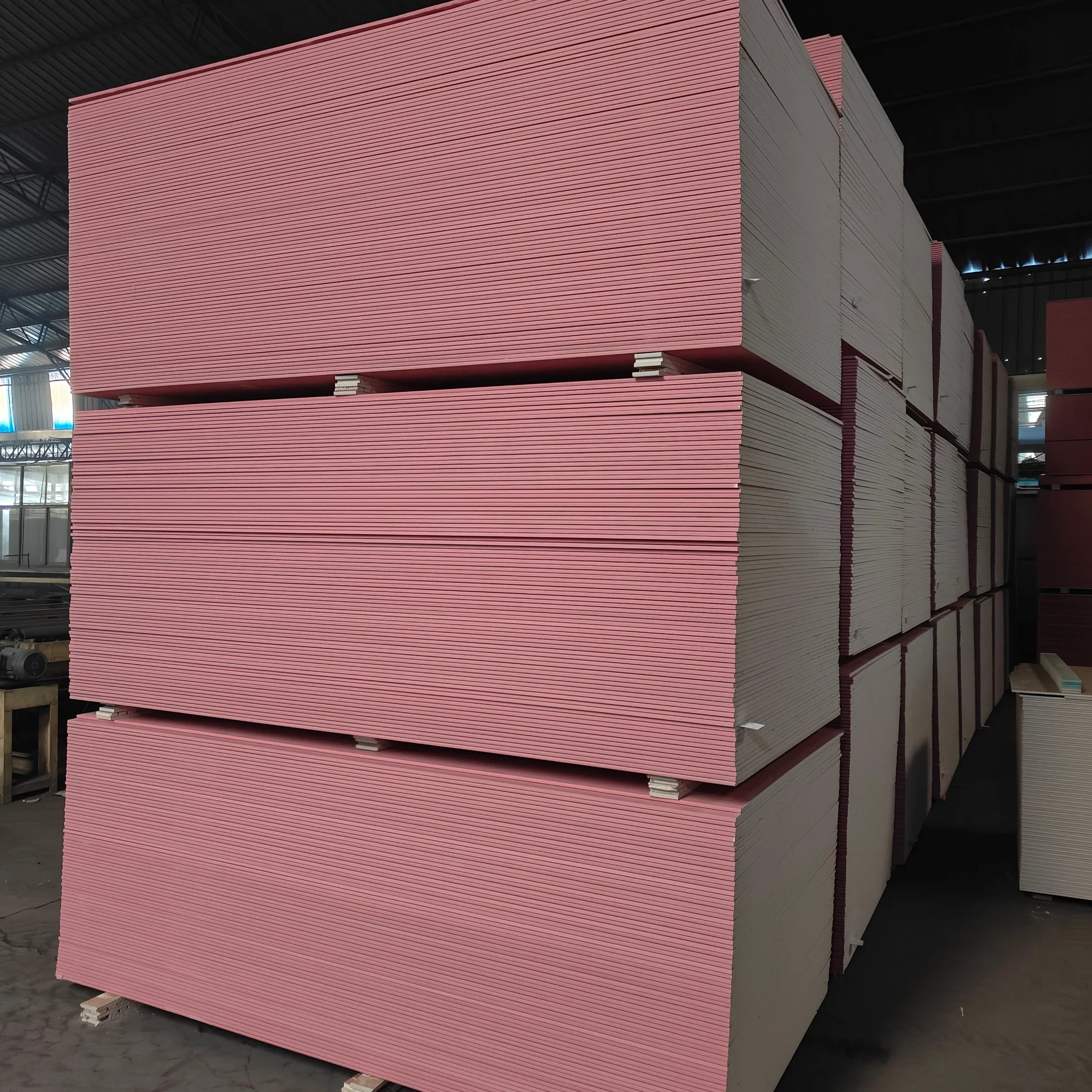
Many people assume drywall is completely fireproof.
In reality, drywall is fire-resistant, but not immune to extreme heat.
Why Gypsum Is Naturally Fire Resistant
| Gypsum Property | Fire Performance |
|---|---|
| Non-combustible mineral core | Reduced flame spread |
| Chemically bound water | Heat absorption |
| Dense structure | Thermal barrier support |
Gypsum slows heat transfer during fire exposure.
The Role Of Paper Facing
| Paper Component | Fire Behavior |
|---|---|
| Surface paper liner | Can char and burn |
| Gypsum protection | Delays ignition |
The paper alone is combustible, but the gypsum core protects it initially.
What Affects Drywall Fire Resistance
| Performance Factor | Effect |
|---|---|
| Board thickness | Longer fire resistance |
| Type X additives | Improved fire rating |
| Installation quality | Reduced weak points |
System construction matters as much as material selection.
Fire Resistance Ratings
| Drywall Type | Typical Fire Performance |
|---|---|
| Standard drywall | Basic fire resistance |
| Type X drywall | Enhanced fire protection |
| Multi-layer systems | Extended fire ratings |
Fire-rated assemblies are tested as complete systems.
Why Fire Ratings Matter More Today
| Earlier Construction Focus | Modern Safety Standards |
|---|---|
| Basic compliance | Occupant protection |
| Material labeling | Performance verification |
| Minimal regulation | Strict fire engineering |
Modern building codes require more detailed fire analysis.
The Market Evolution Behind Fire Questions
| Traditional Drywall Sales | Modern Fire Safety Solutions |
|---|---|
| Low-cost interior panels | Integrated fire protection systems |
| General-purpose products | Specialized safety applications |
| Product-focused discussions | Risk-focused discussions |
I increasingly see architects and contractors asking for detailed fire testing data instead of simple fire classification labels.
What Happens To Drywall In A Fire?
In a fire, drywall absorbs heat as water inside the gypsum core turns into steam. As heating continues, the board gradually loses moisture, weakens, cracks, and eventually breaks down if exposure becomes severe enough.
TRUSUS fire behavior insight: drywall protects buildings by sacrificing its internal water content to delay heat transfer and structural damage.
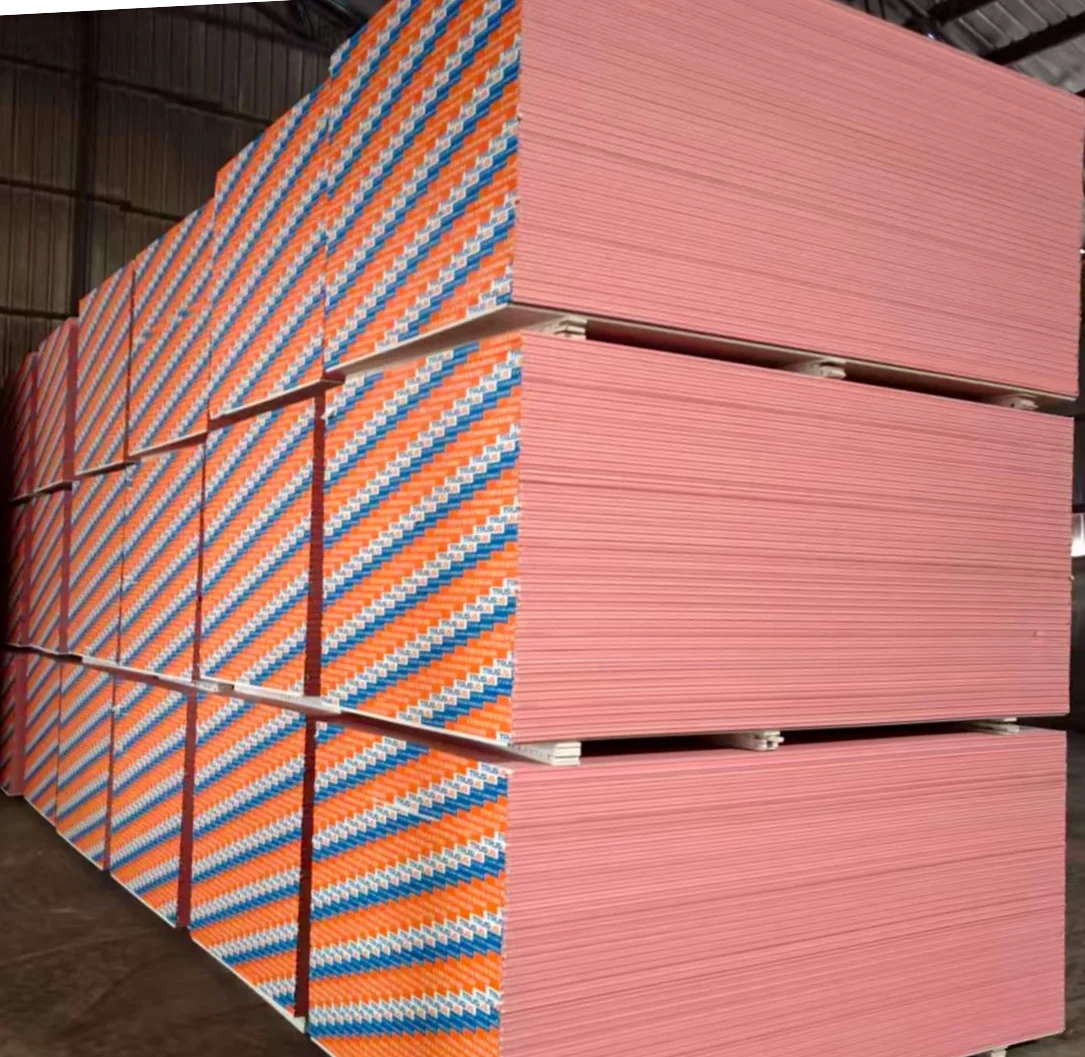
Drywall changes significantly during fire exposure.
Its protective function depends on controlled physical reactions.
Early Fire Stage Reactions
| Fire Exposure Stage | Drywall Response |
|---|---|
| Initial heat exposure | Surface temperature rise |
| Moderate heating | Water evaporation begins |
| Heat absorption phase | Fire spread slows |
The dehydration process consumes large amounts of heat energy.
Mid-Stage Fire Performance
| Internal Reaction | Fire Protection Effect |
|---|---|
| Steam release | Heat transfer reduction |
| Core stabilization | Temporary structural barrier |
This stage often provides valuable evacuation time.
What Happens During Prolonged Fire Exposure
| Extended Fire Condition | Result |
|---|---|
| Complete moisture loss | Reduced protection |
| Surface cracking | Structural weakening |
| Core breakdown | Barrier failure |
No passive fire material can resist unlimited heat exposure forever.
Why Fire-Rated Assemblies Matter
| Assembly Component | Fire Protection Role |
|---|---|
| Multiple drywall layers | Extended resistance |
| Insulation systems | Heat containment |
| Steel framing protection | Structural stability |
Fire resistance depends on the complete wall or ceiling system.
Why Understanding Failure Mechanisms Is Important
| Older Fire Safety Thinking | Modern Fire Engineering Thinking |
|---|---|
| Pass or fail ratings | Progressive performance analysis |
| Material labels only | Real-time fire behavior understanding |
| Standard testing focus | Occupant survival focus |
Clients increasingly want to understand how long systems remain effective under actual fire conditions.
The Broader Industry Transformation
| Traditional Building Materials | Advanced Safety Systems |
|---|---|
| Basic compartment walls | Engineered fire barriers |
| Static specifications | Performance-based design |
| Material supply role | Safety system integration role |
I believe the future of drywall technology will focus heavily on extending predictable fire performance under extreme conditions.
Is Drywall Toxic To Burn?
Drywall itself is generally not highly toxic when exposed to fire because gypsum mainly releases water vapor during heating.
TRUSUS smoke safety insight: fire toxicity risks often come from the entire wall system and interior environment, not from gypsum alone.
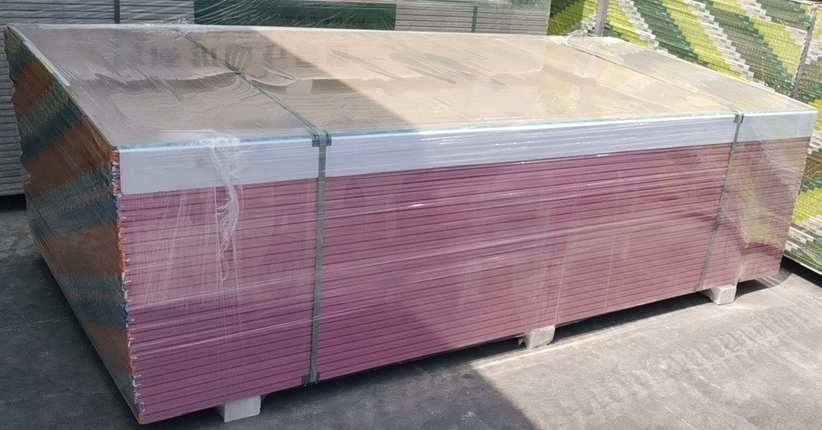
Many people worry that burning drywall releases dangerous chemicals.
The actual situation is more complex.
What Gypsum Releases During Heating
| Gypsum Reaction | Main Emission |
|---|---|
| Dehydration process | Water vapor |
| High-temperature breakdown | Limited mineral residue |
Gypsum itself produces relatively low smoke compared to many synthetic materials.
Other Components That May Produce Smoke
| Material Component | Possible Emission Risk |
|---|---|
| Paper facings | Smoke and carbon particles |
| Paint coatings | Chemical fumes |
| Adhesives and sealants | VOC release |
Interior finishing materials strongly affect fire smoke toxicity.
Why Smoke Is Still Dangerous
| Fire Smoke Hazard | Health Impact |
|---|---|
| Oxygen reduction | Breathing difficulty |
| Fine particles | Lung irritation |
| Toxic gases from nearby materials | Serious injury risk |
Most fire deaths are linked to smoke inhalation rather than direct flames.
Why Material Transparency Matters
| Modern Safety Requirement | Industry Response |
|---|---|
| Low-toxicity materials | Cleaner formulations |
| Smoke performance testing | Better certification standards |
| Full system disclosure | Greater technical transparency |
Clients increasingly expect detailed safety documentation.
Why Fire Safety Discussions Are Becoming More Detailed
| Earlier Building Practices | Modern Safety Culture |
|---|---|
| Basic non-combustible claims | Full toxicity awareness |
| Standard fire labels | Smoke behavior analysis |
| Product-level responsibility | Occupant health responsibility |
Building safety discussions now include air quality and evacuation survivability.
The Future Direction Of Fire-Resistant Materials
| Traditional Drywall Development | Emerging Safety-Oriented Development |
|---|---|
| Fire resistance only | Fire and smoke optimization |
| Standard gypsum systems | Low-emission engineered systems |
| Compliance-driven production | Human-safety-centered design |
I believe future drywall innovation will increasingly focus on reducing smoke hazards while extending fire resistance performance.
Conclusion
At TRUSUS, I see drywall evolving from a simple interior panel into a scientifically engineered fire safety component. Its future value will depend not only on fire ratings, but also on transparent safety mechanisms, smoke performance, and integrated building protection systems.