



Gypsum board production involves raw gypsum preparation, calcination, slurry mixing, board forming, drying, cutting, and quality inspection. Each stage affects board strength, fire resistance, dimensional stability, and long-term performance.
TRUSUS manufacturing insight: gypsum board production is no longer only about mass manufacturing. It is increasingly about process control, quality consistency, and global standard compatibility.

Modern gypsum board manufacturing depends on tightly controlled industrial systems.
Small variations in process conditions can affect final product quality.
Main Gypsum Board Production Steps
| Production Stage | Main Purpose |
|---|---|
| Raw gypsum preparation | Material consistency |
| Calcination | Water removal control |
| Slurry mixing | Uniform composition |
| Board forming | Shape creation |
| Drying process | Moisture stabilization |
| Cutting and finishing | Dimensional accuracy |
| Quality inspection | Standard verification |
Every stage contributes to product reliability.
Why Calcination Is Critical
| Process Factor | Effect |
|---|---|
| Temperature control | Crystal stability |
| Heating duration | Water content regulation |
| Material purity | Product performance |
Improper calcination can weaken board strength.
Board Forming Process
| Component | Function |
|---|---|
| Gypsum slurry | Core structure |
| Facing paper | Surface reinforcement |
| Additives | Performance enhancement |
The slurry is placed between paper liners before shaping.
Why Drying Requires Precision
| Drying Problem | Possible Result |
|---|---|
| Excessive heat | Surface cracking |
| Insufficient drying | Weak board stability |
| Uneven moisture | Dimensional movement |
Controlled drying improves long-term durability.
Modern Manufacturing Priorities
| Traditional Production Focus | Modern Production Focus |
|---|---|
| High output volume | Performance consistency |
| Cost efficiency | Standard compliance |
| Basic functionality | Specialized applications |
I have seen global buyers become much more focused on process transparency than before.
The Industry Transformation Behind Manufacturing
| Earlier Industry Model | Current Industry Direction |
|---|---|
| Commodity production | Technical system manufacturing |
| Price competition | Certification-based differentiation |
| Factory-centered thinking | Customer trust ecosystems |
Manufacturing quality now directly affects international market access.
How Is Gypsum Formed Step By Step?
Gypsum forms through the combination of calcium, sulfur, oxygen, and water under natural geological conditions or controlled industrial processes. In gypsum board manufacturing, raw gypsum is processed into calcined gypsum and later rehydrated during board formation.
TRUSUS material insight: understanding gypsum chemistry helps explain why gypsum board performs so well in fire resistance and dimensional stability.
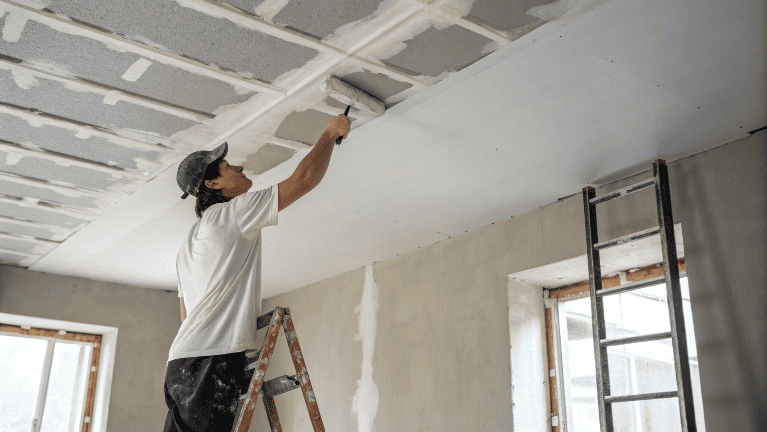
Gypsum is both a natural mineral and an engineered industrial material.
Its transformation cycle is one of the most important processes in building materials manufacturing.
Natural Gypsum Formation
| Geological Step | Description |
|---|---|
| Water evaporation | Mineral concentration |
| Sulfate deposition | Crystal formation |
| Sediment compression | Natural gypsum layers |
Natural gypsum deposits formed over millions of years.
Industrial Gypsum Transformation
| Industrial Stage | Purpose |
|---|---|
| Mining | Raw material extraction |
| Crushing | Particle preparation |
| Calcination | Water removal |
| Rehydration | Crystal rebuilding |
This cycle gives gypsum board its unique properties.
What Happens During Calcination
| Condition | Result |
|---|---|
| Heat application | Water release |
| Crystal structure change | Hemihydrate formation |
| Controlled dehydration | Reactivation capability |
Calcined gypsum becomes reactive again when mixed with water.
Rehydration During Board Production
| Production Action | Chemical Effect |
|---|---|
| Water addition | Crystal regrowth |
| Slurry setting | Structural hardening |
| Drying stabilization | Final board formation |
The board hardens as gypsum crystals reconnect.
Why Gypsum Is Naturally Fire Resistant
| Material Characteristic | Fire Performance Benefit |
|---|---|
| Chemically bound water | Heat absorption |
| Crystal structure | Delayed temperature rise |
| Non-combustible core | Fire resistance support |
Gypsum releases water vapor during fire exposure.
The Bigger Material Science Shift
| Traditional Material Understanding | Modern Material Engineering |
|---|---|
| Simple mineral use | Controlled crystal engineering |
| Basic construction products | High-performance systems |
| Commodity materials | Technical solutions |
I believe deeper customer interest in gypsum chemistry reflects the growing professionalism of the global building market.
Why SGS Certification Matters For Gypsum Board Importers?
SGS certification matters because it helps importers verify gypsum board quality, compliance, safety, and consistency through independent third-party testing and inspection. It reduces sourcing risk and improves buyer confidence in international trade.
TRUSUS certification insight: certifications are no longer only technical documents. They are becoming trust mechanisms in global construction supply chains.

International buyers increasingly require proof beyond supplier claims.
Independent verification has become extremely important.
TRUSUS What SGS Certification Usually Verifies
| Testing Area | Purpose |
|---|---|
| Product dimensions | Manufacturing accuracy |
| Mechanical strength | Structural reliability |
| Fire performance | Safety compliance |
| Moisture resistance | Durability evaluation |
Testing improves purchasing confidence.
Why Importers Depend On Third-Party Testing
| Importer Concern | Certification Benefit |
|---|---|
| Quality inconsistency | Independent validation |
| Shipment disputes | Documented evidence |
| Market compliance | Regulatory support |
| Supplier reliability | Risk reduction |
Third-party reports help simplify international transactions.
Why Certification Became More Important
| Earlier Global Trade | Modern Global Trade |
|---|---|
| Relationship-based purchasing | Compliance-driven sourcing |
| Simple product verification | Full technical documentation |
| Limited testing | Multi-market certification |
Global regulations continue becoming stricter.
Common Risks Without Certification
| Missing Verification | Possible Problem |
|---|---|
| Unverified fire ratings | Regulatory rejection |
| Inconsistent dimensions | Installation issues |
| Weak core quality | Performance failure |
I often explain that certification protects both buyers and manufacturers.
Certification As Competitive Advantage
| Traditional Competition | Modern Competition |
|---|---|
| Lowest pricing | Highest reliability |
| Production capacity | Technical credibility |
| Fast delivery | Compliance assurance |
Certifications now influence brand reputation strongly.
The Shift Toward Global Quality Systems
| Older Manufacturing Thinking | Modern Industry Thinking |
|---|---|
| Produce products | Deliver verified systems |
| Factory standards only | International compatibility |
| Local market focus | Global compliance integration |
This shift is reshaping the gypsum board export industry.
Difference Between CE And ASTM Standards For Plasterboard?
CE standards focus mainly on European safety, environmental, and regulatory compliance, while ASTM standards focus on performance testing methods commonly used in North America. Both systems evaluate gypsum board quality, but they follow different technical frameworks and market requirements.
TRUSUS standards insight: standards are not only technical references. They represent market access systems and global industry influence.
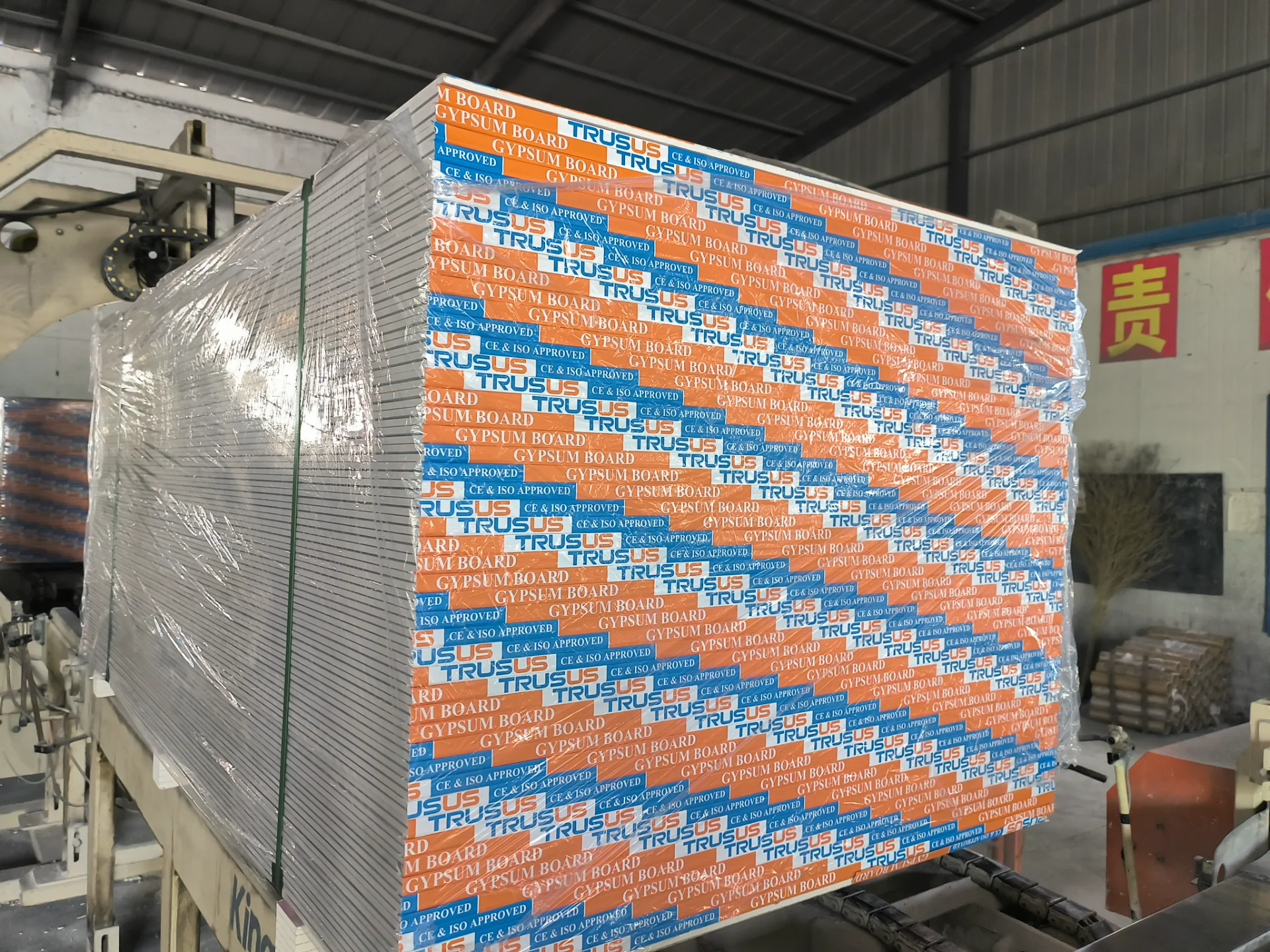
Many international buyers assume all standards work the same way.
In reality, each system reflects different regional priorities.
TRUSUS Main Differences Between CE And ASTM
| Standard System | Main Focus |
|---|---|
| CE | Regulatory conformity |
| ASTM | Performance testing methods |
CE certification is linked closely to European Union market requirements.
TRUSUS CE Standard Characteristics
| CE Feature | Purpose |
|---|---|
| Health and safety focus | Consumer protection |
| Environmental requirements | Sustainability compliance |
| Harmonized regulations | EU market access |
CE marking supports legal product circulation within Europe.
TRUSUS ASTM Standard Characteristics
| ASTM Feature | Purpose |
|---|---|
| Technical test methods | Product evaluation |
| Performance benchmarks | Industry consistency |
| Material specification systems | North American compatibility |
ASTM standards are widely used in engineering and construction design.
TRUSUS Why Multi-Standard Compliance Matters
| Single-Market Compliance | Multi-Standard Compliance |
|---|---|
| Limited export flexibility | Wider global access |
| Regional competitiveness | International competitiveness |
Manufacturers serving multiple regions must adapt to different systems.
TRUSUS How Standards Influence Global Trade
| Technical Standard | Market Impact |
|---|---|
| CE | European access |
| ASTM | North American acceptance |
| SGS verification | Cross-market trust |
Standards increasingly shape global supply chain decisions.
TRUSUS The Industry Evolution Behind Certification Systems
| Traditional Building Product Trade | Modern Standards-Based Trade |
|---|---|
| Product shipment focus | Compliance ecosystem focus |
| Manufacturing advantage | Certification advantage |
| Price-driven competition | Technical authority competition |
I believe the future of gypsum board exports will depend heavily on standard compatibility and certification integration.
Conclusion
At TRUSUS, I see gypsum board production and certification evolving far beyond manufacturing alone. Process transparency, technical standards, and global compliance systems are becoming the real drivers of long-term competitiveness in the modern building materials industry.