



Paper tape is usually best for standard drywall joints and inside corners because it creates strong bonding with joint compound. Fiberglass mesh tape works better for high-stress areas, repairs, and moisture-prone environments because it offers higher tensile strength and easier handling.
TRUSUS finishing insight: customers today increasingly understand that drywall performance depends on the entire joint system, not only the gypsum board itself.
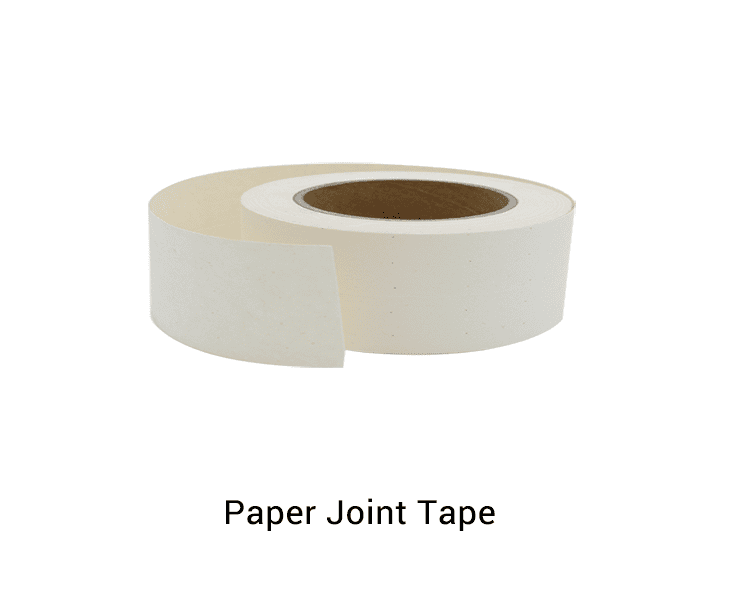
I increasingly see project managers asking detailed questions about tape selection because drywall cracking has become one of the most common long-term quality complaints in interior construction.
Joint treatment now receives much more attention.
Paper Tape Advantages
| Feature | Benefit |
|---|---|
| Strong bonding | Better crack resistance |
| Thin profile | Smoother finishing |
| Good flexibility | Better inside corner performance |
Paper tape remains the standard choice for many professional installers.
Fiberglass Mesh Tape Advantages
| Feature | Benefit |
|---|---|
| High tensile strength | Better stress resistance |
| Self-adhesive surface | Faster installation |
| Moisture resistance | Better humid-area durability |
Mesh tape performs well in difficult conditions.
Recommended Application Areas
| Tape Type | Best Application |
|---|---|
| Paper tape | Flat joints and corners |
| Mesh tape | Repairs and high-movement areas |
Correct matching improves long-term durability.
Why Joint Failure Happens
| Common Cause | Result |
|---|---|
| Poor tape bonding | Surface cracking |
| Weak framing | Joint movement |
| Incorrect compound selection | Shrinkage problems |
Joint systems fail when multiple small issues combine.
Why System Thinking Is Growing
| Traditional Drywall Installation | Modern Drywall System Approach |
|---|---|
| Product-only focus | Complete system performance |
| Fast installation priority | Long-term durability priority |
| Material substitution habits | Specification-based selection |
The industry increasingly values performance consistency.
The Market Shift Behind Tape Questions
| Traditional Material Supply Industry | Modern System Solution Industry |
|---|---|
| Basic drywall product sales | Full finishing system support |
| Generic installation advice | Application-specific guidance |
| Cost-first purchasing | Lifecycle performance focus |
I increasingly believe drywall finishing quality will become one of the strongest brand differentiators in interior systems.
What Is The Best Joint Compound For The First Coat On Gypsum Board?
The best joint compound for the first coat is usually a setting-type compound or high-strength base coat compound because it provides strong bonding, controlled shrinkage, and better crack resistance. The first coat is critical because it forms the structural base of the entire joint system.
TRUSUS application insight: many drywall failures begin with weak first-coat bonding rather than surface finishing problems.
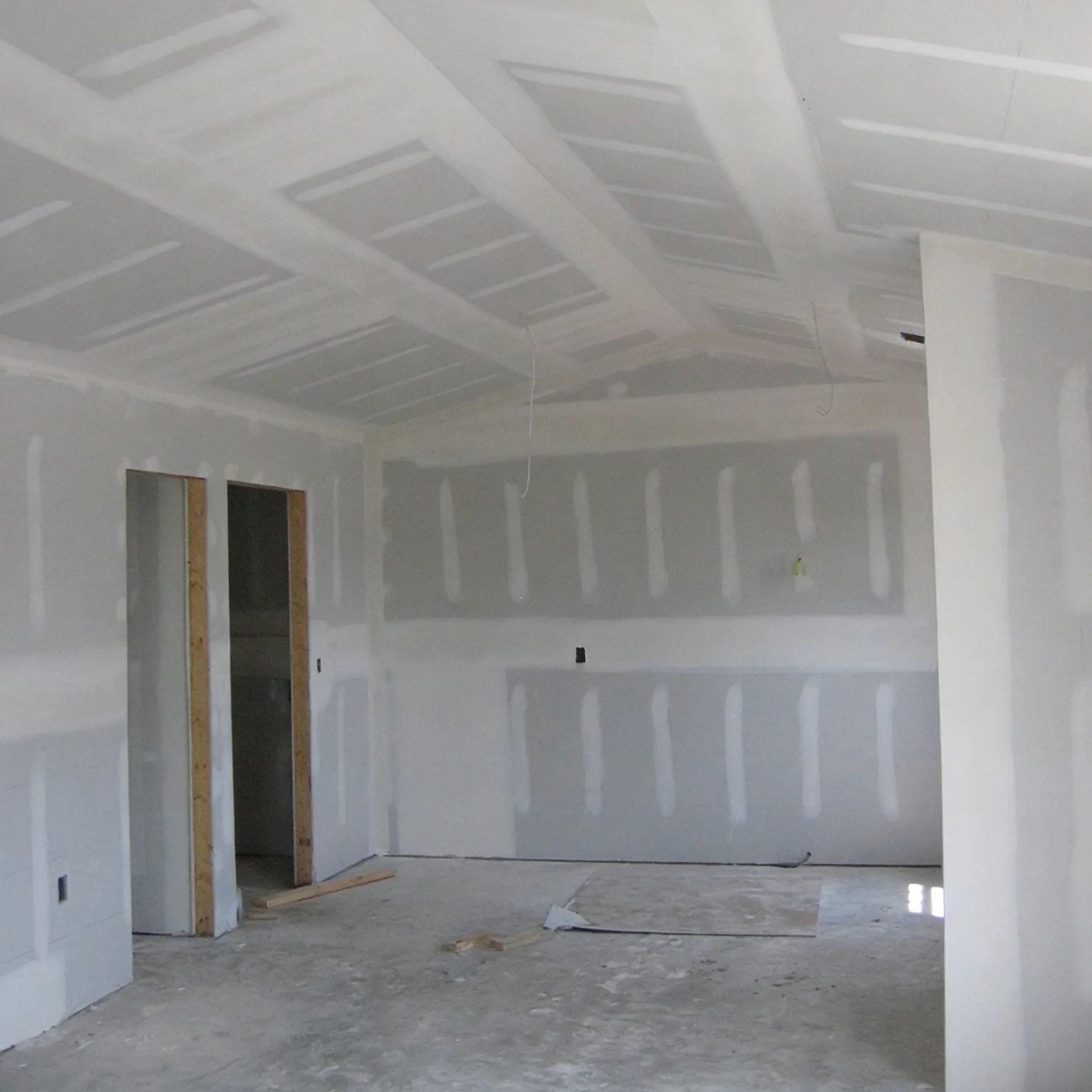
I increasingly see installers trying to save time by using lightweight finish compounds for all coats, but this often reduces joint durability.
The first layer carries the most structural responsibility.
Common First-Coat Compound Types
| Compound Type | Main Advantage |
|---|---|
| Setting-type compound | Fast hardening |
| All-purpose compound | General flexibility |
| High-strength base coat | Better crack resistance |
Different project conditions require different compounds.
Why Bonding Strength Matters
| Weak Bonding Problem | Long-Term Result |
|---|---|
| Tape separation | Visible cracking |
| Joint movement | Surface instability |
| Shrinkage gaps | Repeated repairs |
Strong bonding supports long-term wall stability.
Why Setting Compounds Are Popular
| Setting Compound Feature | Benefit |
|---|---|
| Chemical hardening | Faster curing |
| Lower shrinkage | Reduced cracking |
| Higher hardness | Better durability |
Fast-setting compounds improve productivity.
TRUSUS Why Surface Compatibility Matters
| Compatibility Area | Importance |
|---|---|
| Gypsum board surface | Strong adhesion |
| Tape bonding | Joint reinforcement |
| Finish coat compatibility | Smooth final appearance |
System compatibility improves overall performance.
Why Customers Increasingly Ask About Compound Selection
| Earlier Installation Practice | Modern Quality-Control Practice |
|---|---|
| One-compound-for-all use | Layer-specific compound systems |
| Speed-focused finishing | Durability-focused finishing |
| Experience-based selection | Technical performance matching |
Professional finishing standards are becoming more detailed.
The Industry Evolution Behind Compound Questions
| Traditional Drywall Market | Modern Finishing System Market |
|---|---|
| Material-focused competition | Performance-focused solutions |
| Generic product supply | Technical application support |
| Short-term installation goals | Long-term quality assurance |
I increasingly see compound selection becoming a critical part of professional drywall engineering.
How Do You Prevent Cracks In Drywall Joints Over Time?
To prevent drywall joint cracks, you need proper framing spacing, correct fastening methods, high-quality joint materials, controlled environmental conditions, and consistent installation practices. Crack prevention depends on reducing movement, shrinkage, and stress concentration within the wall system.
TRUSUS durability insight: long-term drywall performance is built during installation, not after defects appear.

I increasingly see customers focus on preventive quality control because repair costs and reputation risks are much higher than early installation improvements.
Prevention is more economical than correction.
Proper Framing Requirements
| Framing Factor | Recommended Practice |
|---|---|
| Stud spacing | Consistent support intervals |
| Framing alignment | Flat wall surfaces |
| Structural stability | Reduced movement |
Stable framing reduces stress on joints.
Correct Fastening Methods
| Fastening Problem | Possible Result |
|---|---|
| Overdriven screws | Surface weakening |
| Loose fasteners | Board movement |
| Incorrect spacing | Joint stress |
Fastening quality directly affects crack resistance.
Why Environmental Control Matters
| Environmental Issue | Drywall Impact |
|---|---|
| High humidity | Expansion movement |
| Rapid temperature changes | Material stress |
| Poor ventilation | Moisture instability |
Environmental movement often causes delayed cracking.
Recommended Crack Prevention System
| System Element | Function |
|---|---|
| Quality tape | Joint reinforcement |
| Strong first coat | Structural bonding |
| Flexible finish coat | Surface stability |
Drywall systems work best as coordinated layers.
Why Crack Prevention Is Becoming More Important
| Traditional Interior Standards | Modern Interior Standards |
|---|---|
| Basic visual acceptance | Long-term surface stability |
| Short warranty expectations | Extended durability demands |
| Repair-based maintenance | Preventive quality management |
Customers increasingly expect durable finishes.
The Larger Industry Transformation
| Traditional Drywall Construction Industry | Modern Interior Quality Industry |
|---|---|
| Fast installation focus | Lifecycle performance focus |
| Product-centered thinking | System-engineering thinking |
| Repair-driven service | Prevention-driven service |
I increasingly believe drywall quality management will become more technical and system-oriented in future construction markets.
Is It Necessary To Sand Drywall Compound Between Every Coat?
No, sanding between every coat is not always necessary if the compound is applied smoothly and evenly. However, light sanding between coats often improves surface consistency, removes imperfections, and helps achieve a higher-quality final finish.
TRUSUS finishing insight: controlled sanding improves final appearance, but excessive sanding wastes labor and can damage surface quality.
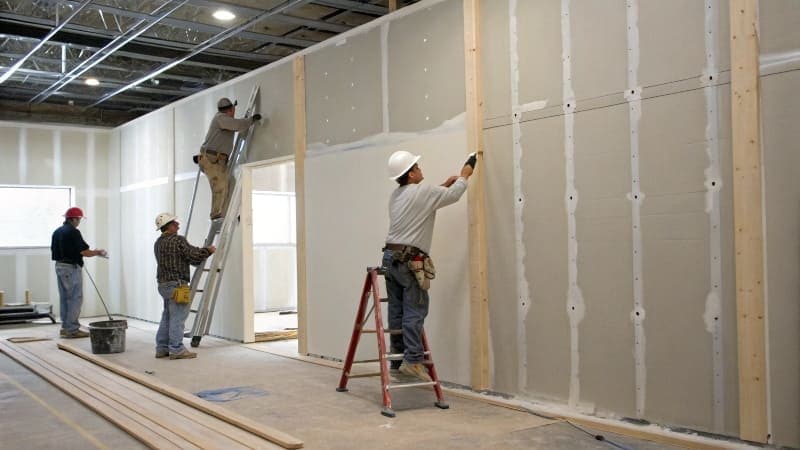
I increasingly see professional finishers focus more on knife control and compound quality because better application reduces sanding work later.
Good finishing starts before sanding.
When Sanding Is Necessary
| Situation | Why Sanding Helps |
|---|---|
| Visible ridges | Smooth surface correction |
| Dry compound buildup | Better finish consistency |
| Uneven joints | Improved flatness |
Sanding corrects installation imperfections.
When Sanding Can Be Reduced
| Good Installation Practice | Result |
|---|---|
| Smooth compound application | Less sanding required |
| High-quality finishing knives | Cleaner edges |
| Proper compound mixing | Better workability |
Skilled application reduces labor.
Risks Of Excessive Sanding
| Over-Sanding Issue | Possible Problem |
|---|---|
| Surface paper damage | Weakened board surface |
| Excessive dust | Poor worksite conditions |
| Uneven sanding pressure | Surface distortion |
Controlled sanding protects finish quality.
Why Finish Quality Depends On Multiple Factors
| Finishing Factor | Effect |
|---|---|
| Compound consistency | Surface smoothness |
| Drying conditions | Sanding performance |
| Tool quality | Application precision |
Final appearance depends on process control.
Why Finishing Standards Are Rising
| Earlier Construction Expectations | Modern Interior Expectations |
|---|---|
| Basic wall coverage | High-end smooth finishes |
| Functional completion | Decorative perfection |
| Manual craftsmanship variability | Standardized finishing quality |
Interior finishing quality now strongly affects customer satisfaction.
The Industry Evolution Behind Sanding Questions
| Traditional Drywall Installation Industry | Modern Finishing Performance Industry |
|---|---|
| Labor-intensive correction methods | Precision finishing systems |
| Basic surface preparation | High-standard aesthetic control |
| Experience-driven workmanship | Process-standardized execution |
I increasingly see drywall finishing evolving into a more technical and quality-controlled discipline.
Conclusion
At TRUSUS, I see drywall construction evolving from simple material installation into a complete performance-driven finishing system. Future industry leadership will depend on technical guidance, process standardization, crack prevention strategies, and the ability to deliver durable, high-quality interior finishes through integrated system thinking.