



To install a PVC ceiling, you need PVC ceiling panels, a supporting frame system, screws, edge trims, measuring tools, cutting tools, and basic safety equipment. Proper planning and correct fastening materials are essential for a stable and clean installation.
TRUSUS installation insight: more customers today want to understand the full installation process instead of depending completely on outside contractors.
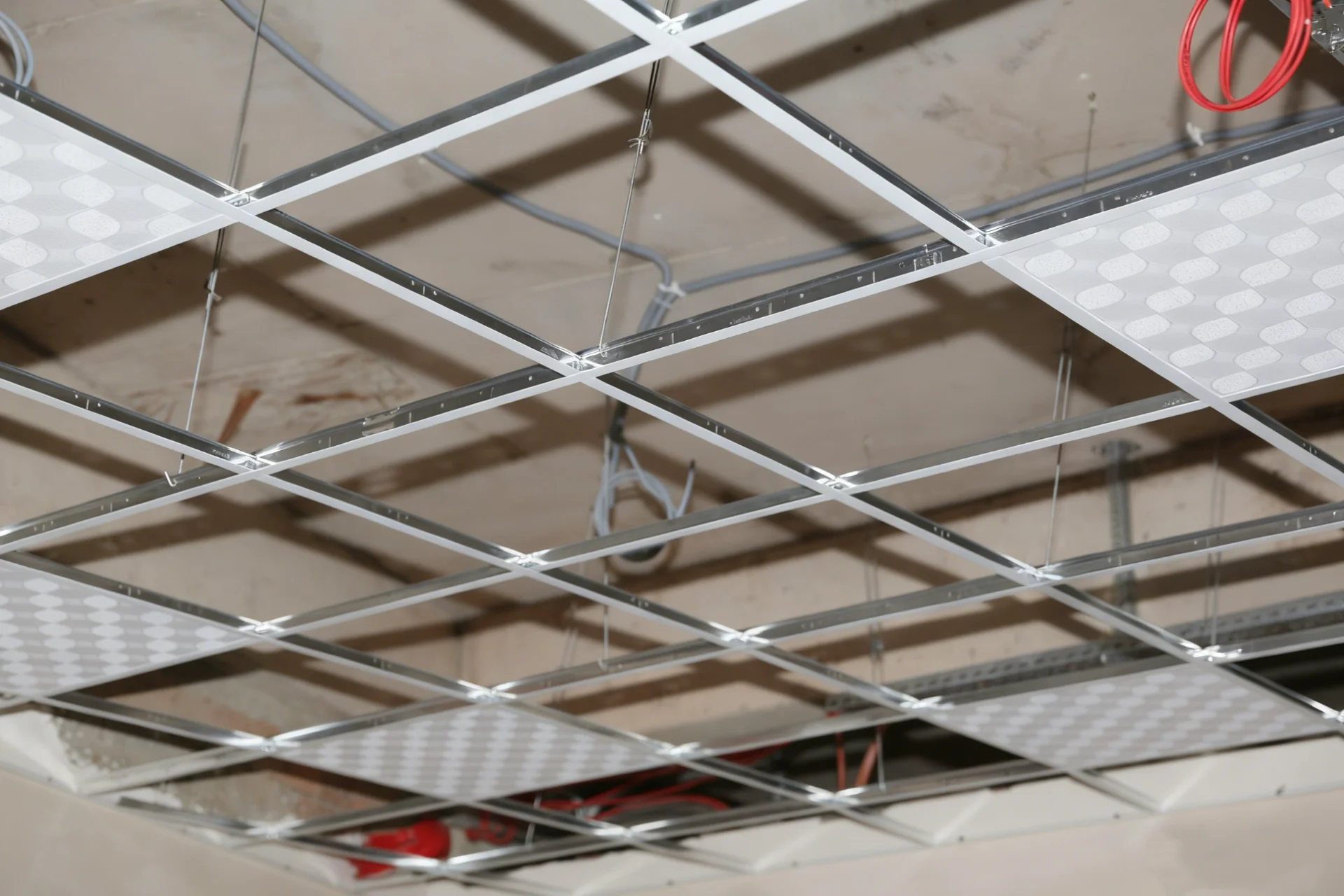
I increasingly see homeowners becoming more confident about DIY ceiling installation because modern PVC ceiling systems are lighter and easier to handle than traditional ceiling materials.
Installation knowledge is becoming part of product value.
Basic Materials Needed
| Material | Purpose |
|---|---|
| PVC ceiling panels | Main ceiling surface |
| Metal or wooden framing | Structural support |
| Edge trims | Clean finishing |
| Screws and fasteners | Panel fixing |
| Sealant | Joint protection |
Preparation reduces installation mistakes.
Why Framing Is Important
| Framing Problem | Possible Result |
|---|---|
| Uneven framing | Wavy ceiling surface |
| Weak support spacing | Panel movement |
| Poor alignment | Visible installation defects |
A stable frame controls final ceiling quality.
Why Measurements Matter
| Measurement Area | Importance |
|---|---|
| Ceiling dimensions | Material calculation |
| Lighting locations | Panel cutting planning |
| Framing spacing | Structural stability |
Accurate planning reduces material waste.
Why Safety Equipment Is Necessary
| Safety Equipment | Protection Purpose |
|---|---|
| Safety glasses | Eye protection |
| Gloves | Hand safety |
| Stable ladder | Fall prevention |
Safe installation should always come first.
Why DIY Ceiling Installation Is Growing
| Traditional Ceiling Market | Modern DIY Ceiling Market |
|---|---|
| Contractor-dependent projects | Self-installation projects |
| Professional-only installation knowledge | Online learning accessibility |
| High labor cost structures | Cost-saving DIY culture |
Installation skills are becoming more accessible.
The Industry Shift Behind DIY Installation Questions
| Traditional Building Material Industry | Modern DIY Support Industry |
|---|---|
| Product delivery focus | Installation education focus |
| Contractor relationship priority | End-user empowerment priority |
| Basic technical manuals | Interactive learning systems |
I increasingly believe installation guidance is becoming as important as product quality itself.
What Screws To Use For PVC Ceiling?
The best screws for PVC ceilings are self-tapping corrosion-resistant screws, usually sized around 4.2×25 mm or 4.8×32 mm depending on panel thickness and framing material. Proper screw spacing and correct installation pressure help prevent panel cracking or movement.
TRUSUS fastening insight: many installation problems come from using incorrect screws rather than from the PVC panels themselves.

I increasingly see customers underestimate how much fastener selection affects long-term ceiling durability.
Small components often decide installation quality.
Recommended Screw Types
| Screw Type | Best Application |
|---|---|
| Self-tapping screws | Metal framing |
| Wood screws | Timber framing |
| Corrosion-resistant screws | Humid environments |
Correct fasteners improve installation lifespan.
Why Corrosion Resistance Matters
| Poor Screw Protection | Possible Problem |
|---|---|
| Rust development | Ceiling staining |
| Fastener weakening | Loose panels |
| Moisture damage | Structural instability |
Bathrooms and kitchens especially need protected fasteners.
Recommended Screw Spacing
| Installation Area | Suggested Spacing |
|---|---|
| Standard ceiling areas | 300–400 mm |
| Edge sections | Closer spacing |
| Heavy fixture areas | Reinforced fixing |
Balanced spacing improves stability.
Why Over-Tightening Is Dangerous
| Over-Tightening Effect | Result |
|---|---|
| Panel surface stress | Cracking risk |
| Distorted panel alignment | Uneven ceiling appearance |
| Reduced expansion movement | Future deformation |
PVC materials need slight movement allowance.
Why Installation Knowledge Is Expanding
| Earlier Customer Concerns | Modern DIY Customer Concerns |
|---|---|
| Product appearance | Installation performance |
| Price comparison | Long-term durability |
| Basic contractor selection | Technical self-learning |
Customers increasingly want deeper technical understanding.
The Market Evolution Behind Fastener Questions
| Traditional Ceiling Product Sales | Modern Installation Solution Market |
|---|---|
| Product-only transactions | Complete installation systems |
| Generic accessories | Application-specific hardware |
| Basic instruction sheets | Detailed technical support |
I increasingly see installation accessories becoming an important part of brand trust.
What Tools Do You Need To Install A Ceiling?
Installing a ceiling usually requires measuring tools, cutting tools, drilling tools, fastening tools, leveling equipment, and personal safety gear. The exact tool list depends on ceiling size, framing type, and installation complexity.
TRUSUS practical insight: good tools do not replace skill, but they greatly improve installation speed, precision, and confidence.
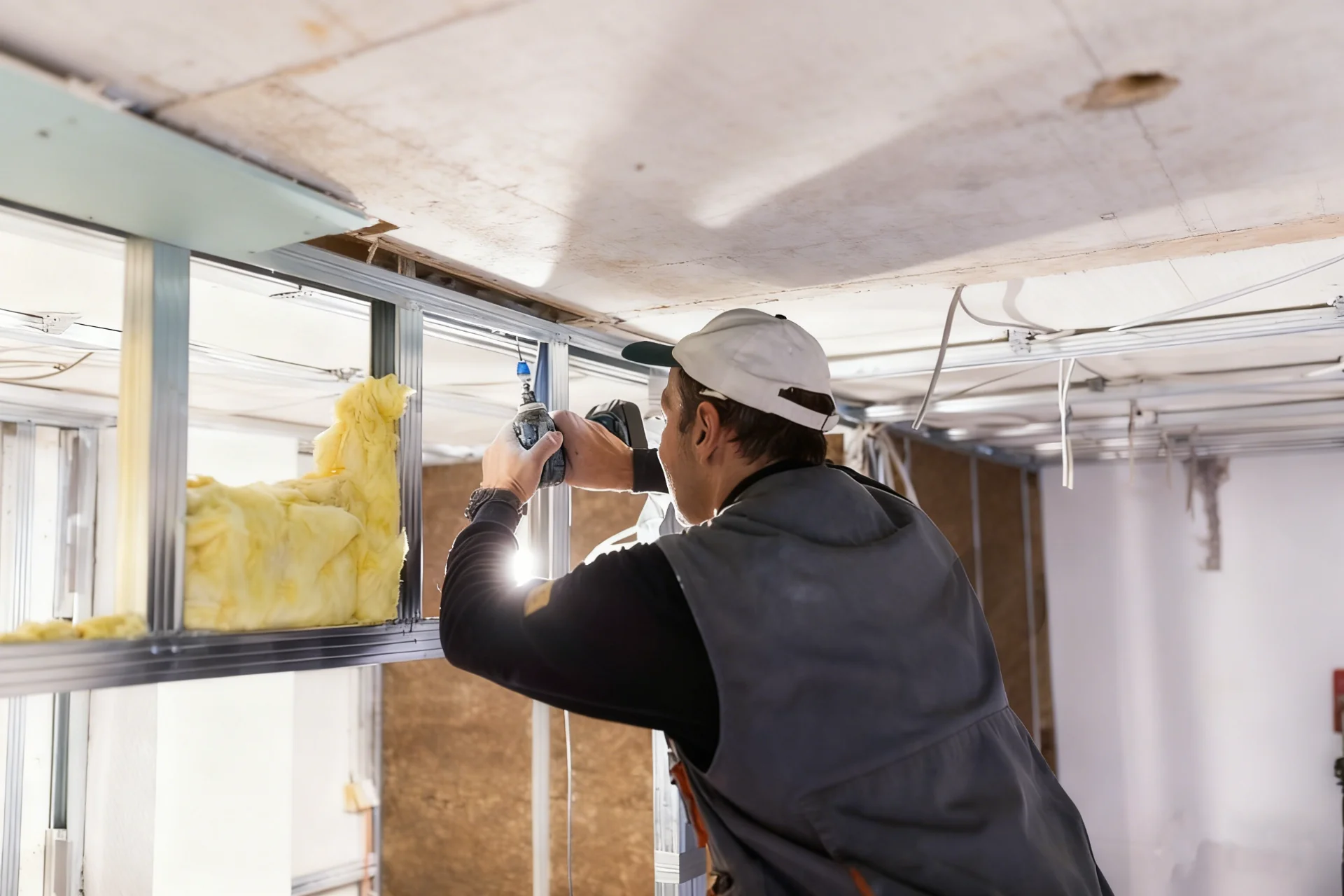
I increasingly see first-time DIY users succeed because modern power tools have made ceiling installation far more manageable than before.
Tool accessibility is changing the market.
Essential Measuring And Layout Tools
| Tool | Function |
|---|---|
| Tape measure | Room measurement |
| Chalk line | Straight layout marking |
| Spirit level | Alignment checking |
Accurate layout prevents later correction work.
Essential Cutting Tools
| Cutting Tool | Application |
|---|---|
| Utility knife | Thin PVC trimming |
| Circular saw | Large panel cutting |
| Jigsaw | Lighting cutouts |
Clean cuts improve final appearance.
Essential Fastening Tools
| Fastening Tool | Purpose |
|---|---|
| Electric drill | Screw installation |
| Impact driver | Faster fastening |
| Hammer drill | Concrete anchoring |
Tool selection depends on wall and ceiling structure.
Important Safety Equipment
| Safety Item | Benefit |
|---|---|
| Dust mask | Breathing protection |
| Safety glasses | Eye safety |
| Gloves | Hand protection |
Safety equipment should never be skipped.
Why Better Tools Improve DIY Success
| Poor Tool Setup | Installation Difficulty |
|---|---|
| Weak cutting tools | Rough panel edges |
| Inaccurate measuring tools | Misalignment problems |
| Low-quality drills | Slow installation |
Tool quality affects user confidence.
The Industry Change Behind Tool Demand
| Traditional Construction Industry | Modern DIY Installation Market |
|---|---|
| Professional contractor equipment | Consumer-accessible tools |
| Specialized technical crews | Independent homeowners |
| Labor-focused execution | Skill-focused participation |
I increasingly believe tool accessibility is accelerating DIY culture worldwide.
How To Install The Ceiling Step By Step?
PVC ceiling installation usually follows six main steps: planning, measuring, framing installation, panel cutting, panel fixing, and finishing inspection. Careful preparation and alignment are critical for achieving a professional-looking ceiling.
TRUSUS process insight: successful ceiling installation depends more on preparation discipline than installation speed.
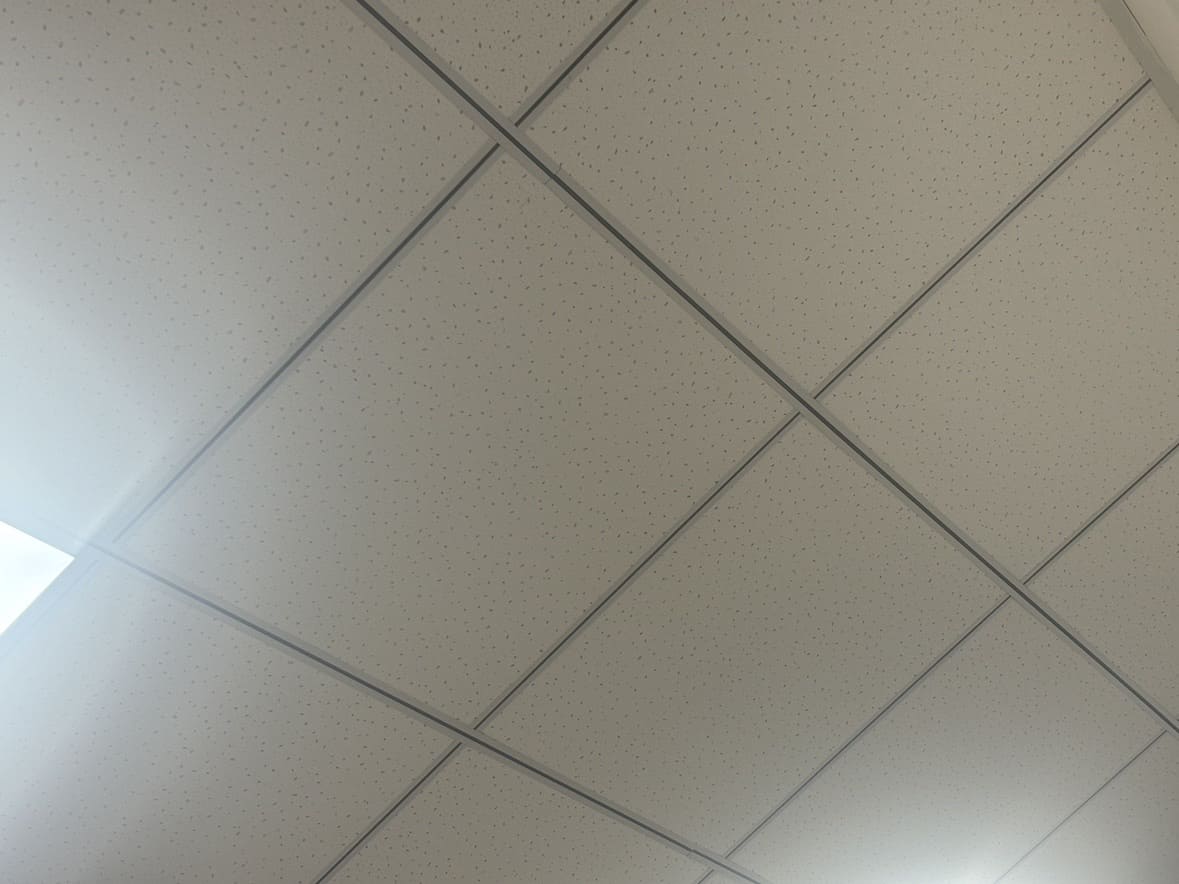
I increasingly see DIY installers rushing into panel installation before fully checking measurements and framing alignment.
Most installation problems start early.
Step 1: Measure And Plan
| Planning Task | Purpose |
|---|---|
| Measure room dimensions | Material estimation |
| Mark lighting positions | Accurate cutout planning |
| Check ceiling level | Alignment preparation |
Good planning saves time later.
Step 2: Install The Framing System
| Framing Requirement | Importance |
|---|---|
| Correct spacing | Structural support |
| Secure anchoring | Ceiling stability |
| Level alignment | Flat surface finish |
The frame controls overall ceiling quality.
Step 3: Cut The PVC Panels
| Cutting Consideration | Result |
|---|---|
| Accurate dimensions | Tight panel fit |
| Smooth edge finishing | Better appearance |
| Proper fixture openings | Easier installation |
Careful cutting reduces visible mistakes.
Step 4: Fix The Panels
| Installation Practice | Benefit |
|---|---|
| Start from one corner | Better alignment |
| Maintain expansion gaps | Prevent warping |
| Use balanced screw pressure | Avoid cracking |
Consistency matters during fastening.
Step 5: Install Edge Trims And Finishing Pieces
| Finishing Component | Purpose |
|---|---|
| Edge trim | Clean perimeter appearance |
| Joint cover strips | Seam protection |
| Sealant application | Moisture resistance |
Finishing details strongly affect final appearance.
Step 6: Final Inspection
| Inspection Area | What To Check |
|---|---|
| Panel alignment | Straightness |
| Screw security | Structural stability |
| Surface appearance | Visible defects |
Final checks improve long-term satisfaction.
Why DIY Installation Is Reshaping The Ceiling Industry
| Traditional Ceiling Business Model | Modern DIY Empowerment Model |
|---|---|
| Product plus contractor service | Product plus skill education |
| Professional labor dependency | Customer self-installation |
| Limited user involvement | Active learning participation |
Customers increasingly value learning and self-achievement alongside the finished product.
The Larger Industry Transformation
| Traditional Building Material Industry | Modern Installation Education Industry |
|---|---|
| Material manufacturing focus | User success focus |
| Product specification competition | Technical support competition |
| Contractor-centered systems | End-user empowerment systems |
I increasingly see the future ceiling market being shaped by education, digital guidance, and installation simplicity as much as by material innovation.
Conclusion
At TRUSUS, I see PVC ceiling installation evolving from a contractor-only task into an accessible DIY skill. Future market growth will depend on installation simplicity, technical education, digital support systems, and the ability to help customers complete projects confidently and successfully.