

Logo
WhatsAppFacebookYouTube

Our Blog

Latest insights, updates, and stories

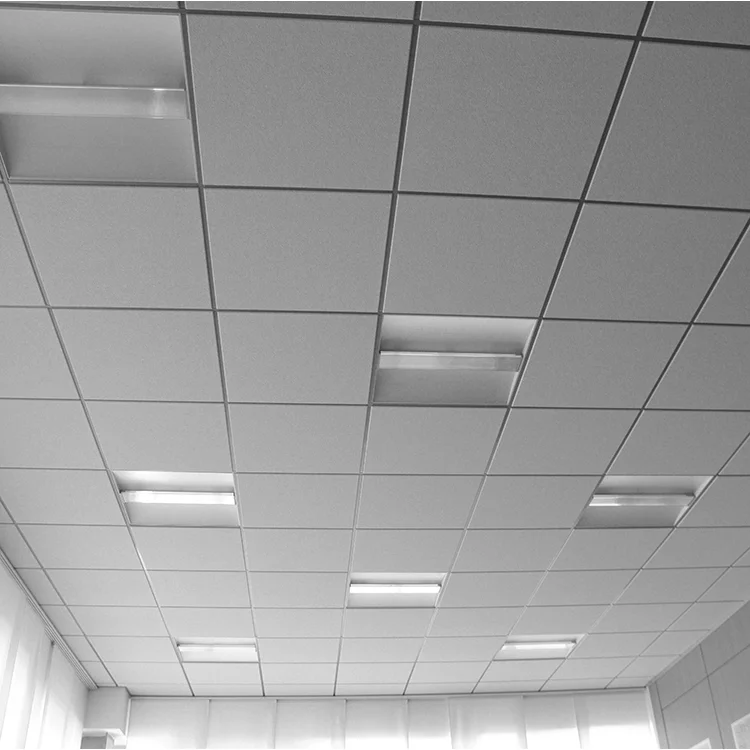
Office ceiling featuring a grid of square tiles and multiple fluorescent light fixtures installed within the tiles.
Jul 8, 2026 Uncategorized

What Is The Spacing For Carrying Channel For Ceiling?

The standard spacing for carrying channels in ceiling systems is usually between 300 mm and 600 mm, depending on board thickness, ceiling load, span length, and acoustic requirements. Correct spacing improves structural stability, crack resistance, and sound control performance. TRUSUS ceiling insight: carrying channel spacing is not just a construction habit. It is a core […]
Read more
How To Attach MLV To Drywall?
Jul 6, 2026 Uncategorized

How To Attach MLV To Drywall?

Mass loaded vinyl (MLV) is usually attached to drywall with acoustic adhesive, screws with washers, or staples depending on the wall system and soundproofing goal. Sealed seams and full surface contact are critical for effective noise reduction. TRUSUS acoustic insight: MLV changes drywall from a simple partition material into a sound control system. I often […]
Read more
Perforated Gypsum Acoustic Ceiling Panels for Modern Interiors
Jul 3, 2026 Uncategorized

What Is The Proper Nailing Surface For A Gypsum Board?

The proper nailing surface for gypsum board is a flat, stable framing system made from wood or steel studs that meets alignment and spacing standards. Uneven or weak framing can cause cracks, screw pops, and surface deformation over time. TRUSUS installation insight: gypsum board performance depends heavily on the precision of the supporting structure. Many […]
Read more
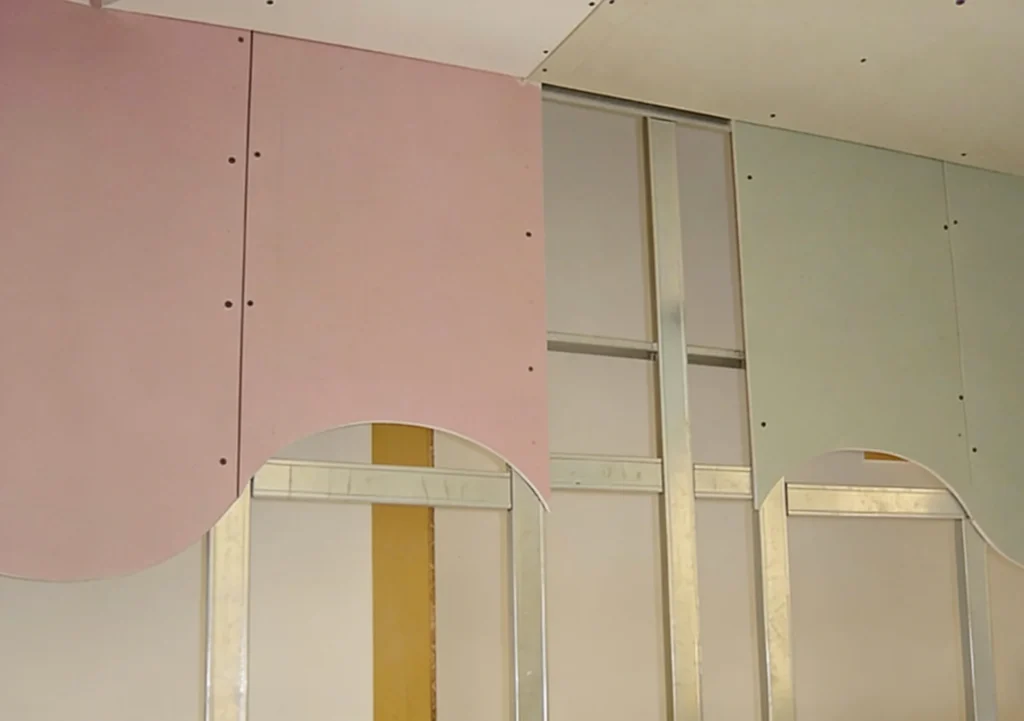
Pink and green drywall panels partially installed on a metal frame, showing curved designs and construction progress.
Jul 2, 2026 Uncategorized

Can Drywall Screws Be Used Without Anchors?

Drywall screws can be used without anchors only when fastening directly into wood or steel studs. If the screw goes only into drywall, anchors are usually needed for secure load support. TRUSUS system insight: long‑term wall stability depends on the entire fastening system, not only the screw itself. I often see people treat drywall installation […]
Read more
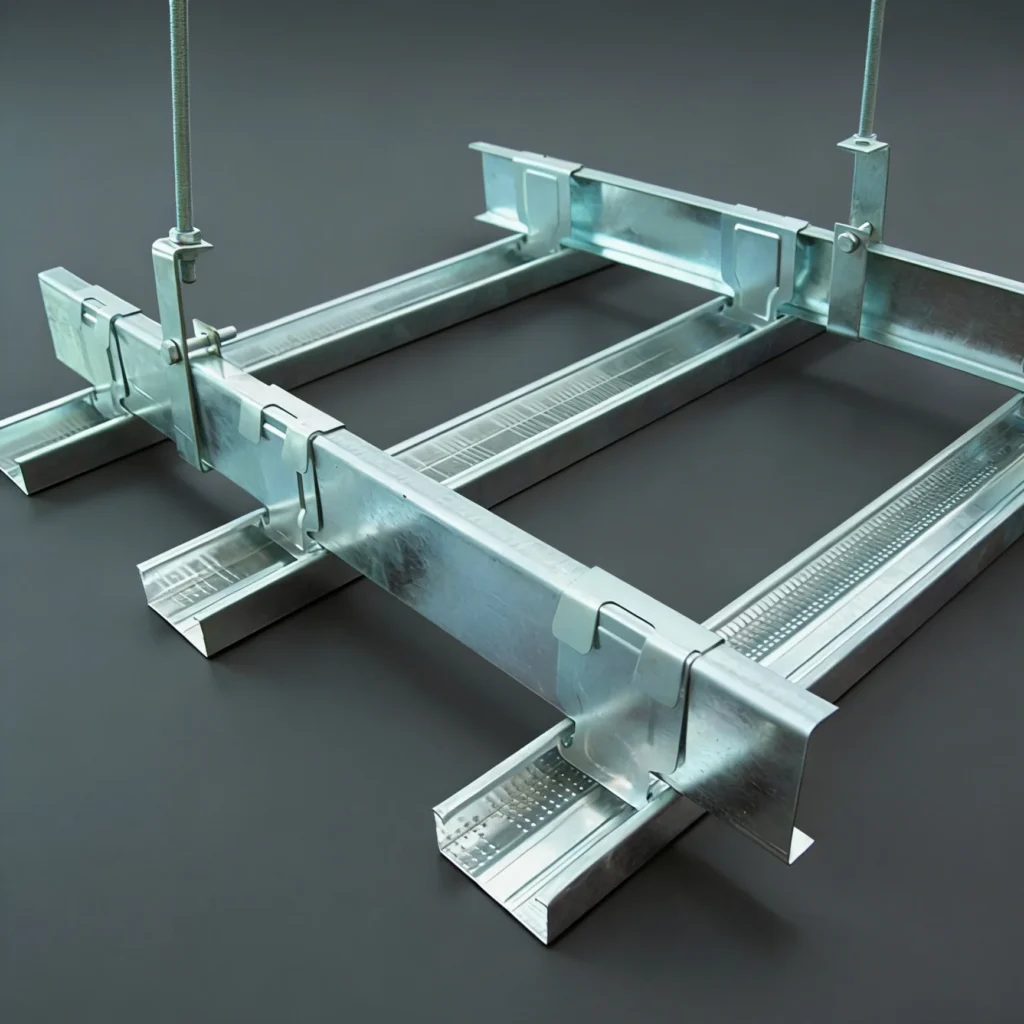
Metal framework structure for suspended ceiling installation on a dark surface; includes connectors and supports.
Jul 1, 2026 Uncategorized

Should I Use 6 Or 8 Screws For Drywall?

Most drywall installations use 6 screws for walls and 8 screws for ceilings or areas needing extra support. The correct number depends on board size, framing spacing, and structural requirements. TRUSUS installation insight: screw quantity is really about long‑term system stability. I have noticed that modern projects no longer accept “good enough” installation standards. Contractors […]
Read more
How To Repair Corner Bead In Gypsum Board?
Jun 29, 2026 Uncategorized

How To Repair Corner Bead In Gypsum Board?

To repair a damaged corner bead, remove loose material, re‑cut edges if bent, and apply joint compound over it after securing the bead. Smooth it evenly and sand when dry. TRUSUS craftsmanship insight: precision at corners defines entire wall quality. A damaged corner often means underlying stress between board and bead. By cleaning debris and […]
Read more
Pink and green drywall panels partially installed on a metal frame, showing curved designs and construction progress.
Jun 25, 2026 Uncategorized

How Many Screws Are In A 4×10 Sheet Of Drywall?

A standard 4×10‑foot drywall sheet typically requires about 40 to 50 screws for secure installation. Spacing and framing pattern determine the exact count. TRUSUS efficiency insight: screws are data points of structural balance. A simple rule: place screws every 12 inches on walls and every 8 inches on ceilings, along all framing studs. This pattern keeps stress even and prevents board movement, helping maintain flat surfaces over […]
Read more
What Tools Do Drywall Installers Use?
Jun 24, 2026 Uncategorized

What Tools Do Drywall Installers Use?

Drywall installers use cutting knives, taping tools, drywall screws, and power drivers to fix and finish panels quickly. Each tool directly affects the speed, precision, and finish quality of installation. TRUSUS system insight: tools create results, but systems create efficiency. A complete drywall toolkit includes measuring tape, T‑square, utility knife, screw gun, joint knife, and […]
Read more
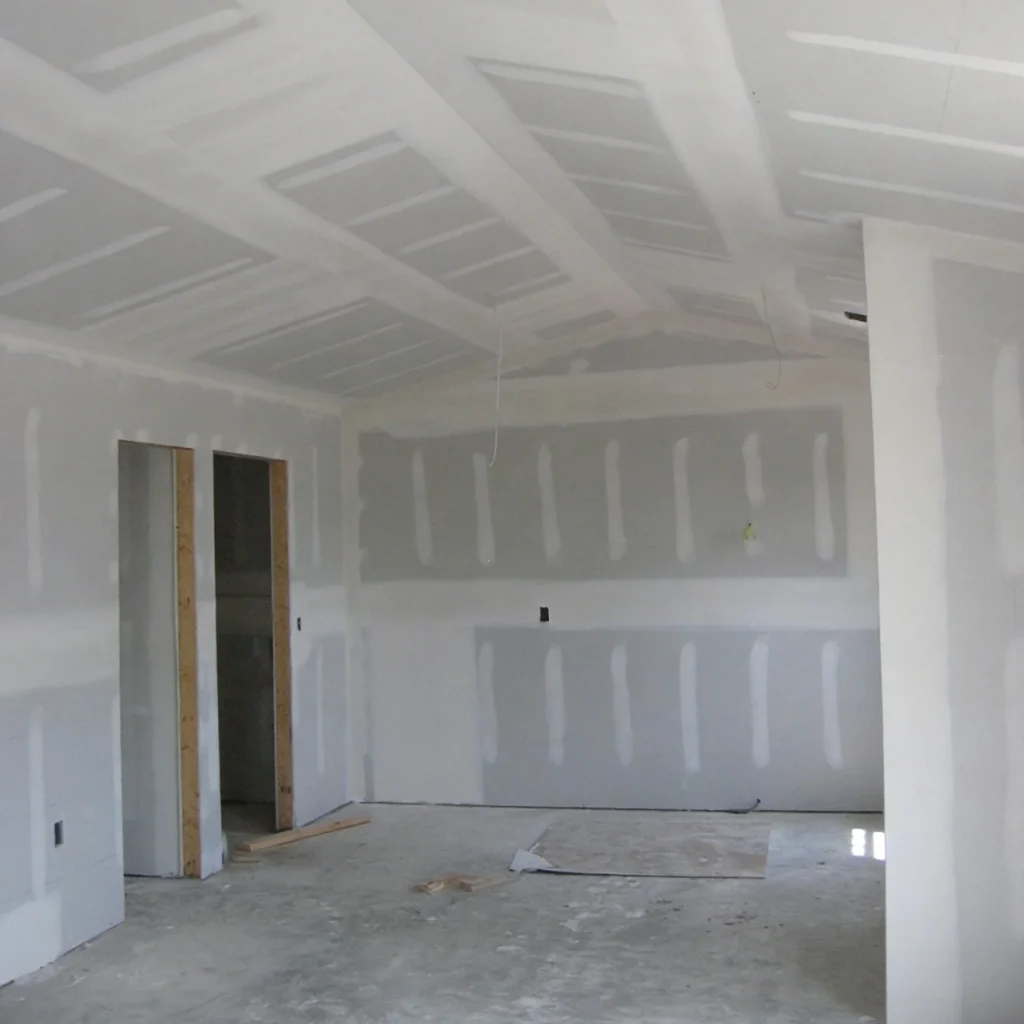
Room under construction with installed drywall, showing unpainted walls, ceiling, and unfinished floor.
Jun 23, 2026 Uncategorized

What’s The Best Way To Skim Coat Drywall?

The best way to skim coat drywall is to apply multiple thin layers of joint compound evenly over the surface. Each layer should dry completely before the next to achieve a smooth, durable finish. TRUSUS surface insight: patience builds perfection, not thickness. A proper skim coat uses compound consistency like yogurt and a wide trowel […]
Read more
What Are Drywall Stilts Used For?
Jun 22, 2026 Uncategorized

What Are Drywall Stilts Used For?

Drywall stilts help workers reach high places when installing or finishing drywall ceilings and walls. They replace ladders and scaffolds, allowing smooth movement at elevated height. TRUSUS building insight: height is power when movement stays free. In ceiling installation or joint sanding, stilts allow continuous workflow. They improve reach without frequent repositioning, letting workers finish […]
Read more
Are Drywall Screws Waterproof?
Jun 18, 2026 Uncategorized

Are Drywall Screws Waterproof?

No, standard drywall screws are not waterproof. They resist basic humidity indoors, but rust quickly when exposed to moisture or outdoor conditions. TRUSUS construction insight: corrosion begins where system thinking ends. Drywall screws have a phosphate coating for indoor protection only. For bathrooms, basements, or humid zones, zinc‑plated or epoxy‑coated screws are essential to prevent […]
Read more
How Thick Should Ceiling Drywall Be to Prevent Sagging?
Jun 17, 2026 Uncategorized

How Thick Should Ceiling Drywall Be to Prevent Sagging?

Ceiling drywall thickness alone doesn’t define safety. True resistance to sagging comes from the system—framing, spacing, fastening, and humidity control working together. TRUSUS construction insight: strength starts with cooperation, not just thickness. Standard ceilings often use 1/2‑inch (12 mm) drywall for stability. If joist spacing exceeds 16 inches (400 mm), thicker 5/8‑inch (15 mm) board is ideal. Yet, sagging […]
Read more
1 2 3 4 5 17

Copyright 2002 - 2026 Trusus | All Rights Reserved | Powered by Trusus