



Drywall thickness depends on structural load and usage, not on perceived quality.
Typical interior walls use 12 mm board; ceilings and partitions often use 9.5 mm.
TRUSUS system insight: thickness is not a grade—it’s an application logic.
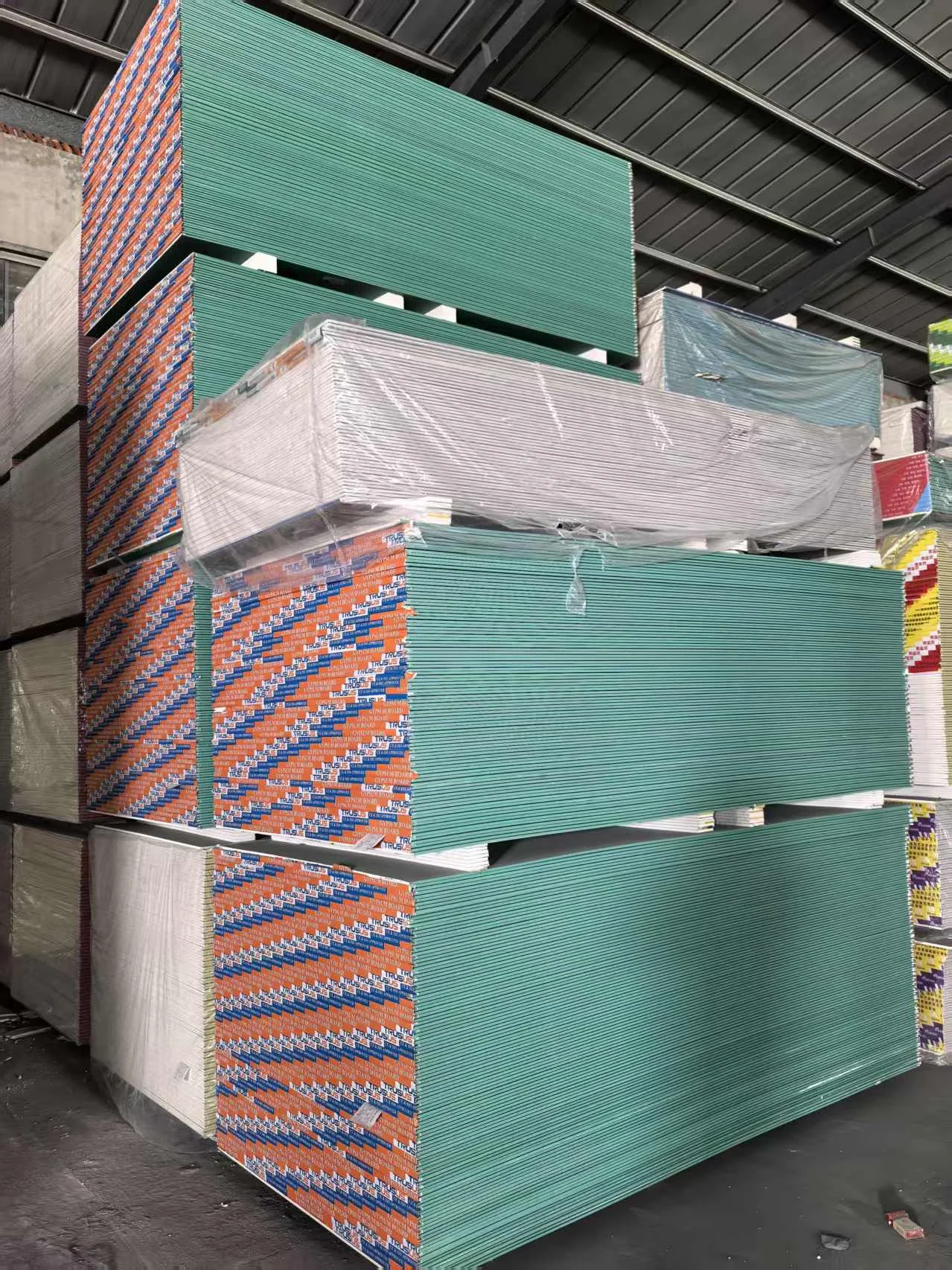
Choosing thickness means balancing weight, stiffness, and compatibility with framing.
Thicker panels add rigidity, but correct framing spacing and screw control define overall performance.
Walls fail from system mismatch, not from millimeters alone.
How Do You Choose the Right Drywall?
Selecting drywall starts with your project’s environment: humidity, fire rating, and acoustic needs.
Each condition shapes the correct thickness, core type, and edge form.
TRUSUS selection insight: choosing drywall is designing an environment.
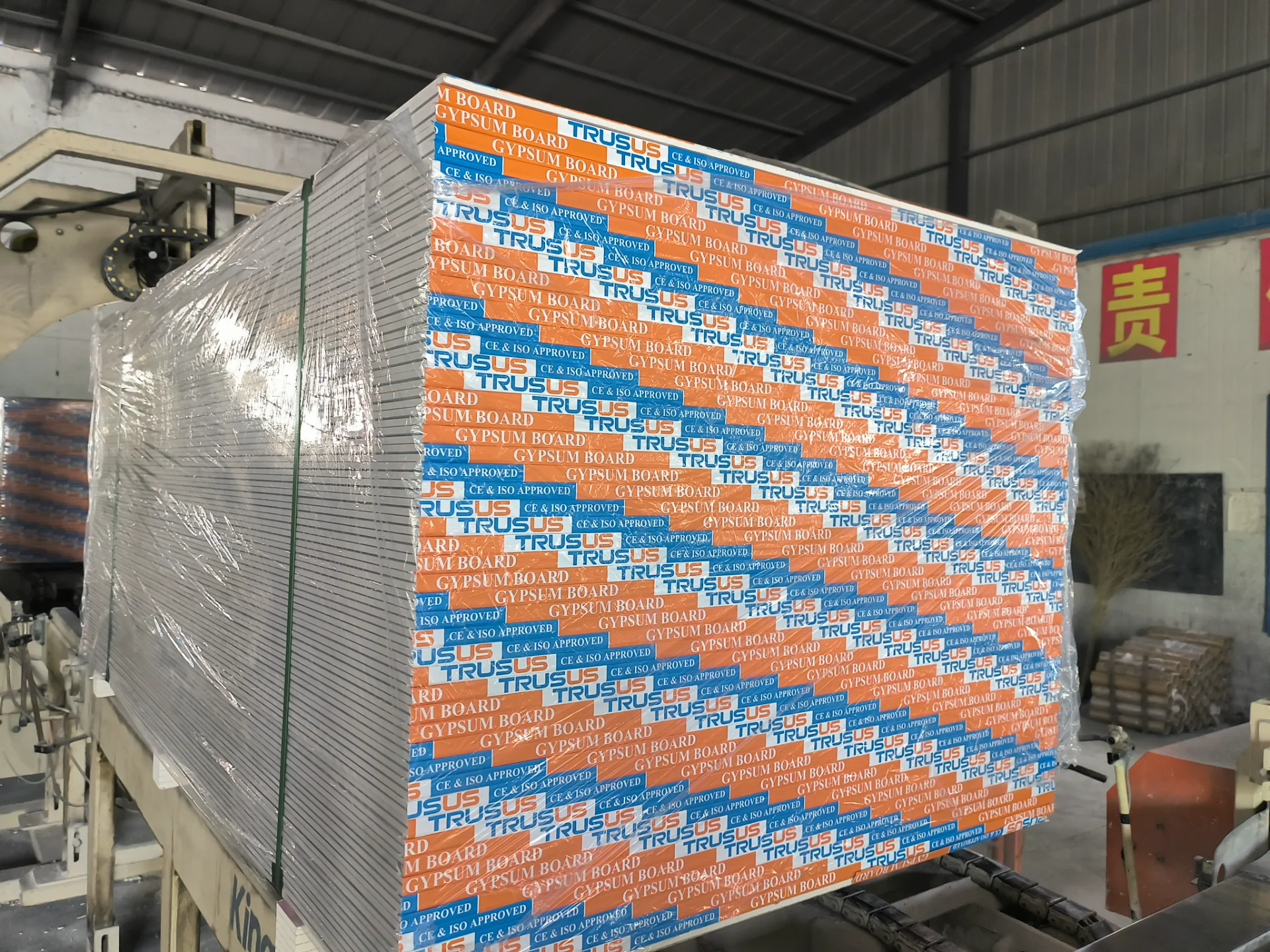
Drywall Selection Table
| Application | Recommended Thickness | Type | Key Feature |
|---|---|---|---|
| Ceiling | 9.5 mm | Regular gypsum | Lightweight, limits sag |
| Partition wall | 12 mm | Standard | Better sound isolation |
| Fire‑rated wall | 15 mm (Type X) | Fire resistant | Withstands sustained heat |
| Moisture area (bathroom, kitchen) | 12 mm | Moisture‑resistant | Green or blue face paper |
| Acoustic system | 12–15 mm double layer | Sound board | High density core |
When we supported a hotel renovation, we found thin boards reinforced by dense framing outlasted thicker boards on poor studs.
That project changed how I talk about “the right drywall”—it’s always system before size.
What Is the Highest Quality Drywall Finish?
Level 5 finish, as defined by ASTM C840, is considered the highest.
It includes full skim coating over joints and entire surface for total uniformity.
TRUSUS finish insight: perfection on the surface begins in the structure.

Finish Level Table
| Finish Level | Description | Typical Use |
|---|---|---|
| Level 0 | Unfinished | Temporary partitions |
| Level 3 | Tape + two coats | Texture or heavy paint |
| Level 4 | Tape + three coats | Standard paint finish |
| Level 5 | Skim‑coat entire surface | Glossy finishes or critical lighting |
I’ve seen many builders chase Level 5 perfection but skip alignment checks.
No amount of skim‑coat hides frame deflection.
True quality finish is structural precision wrapped in fine texture.
Can Gypsum Board Be Too Thin?
Only if the framing, spacing, or load exceed its design capacity.
A 9.5 mm gypsum board is safe for ceilings and small partitions when installed correctly.
TRUSUS structural insight: failure rarely blames thickness; it blames imbalance.
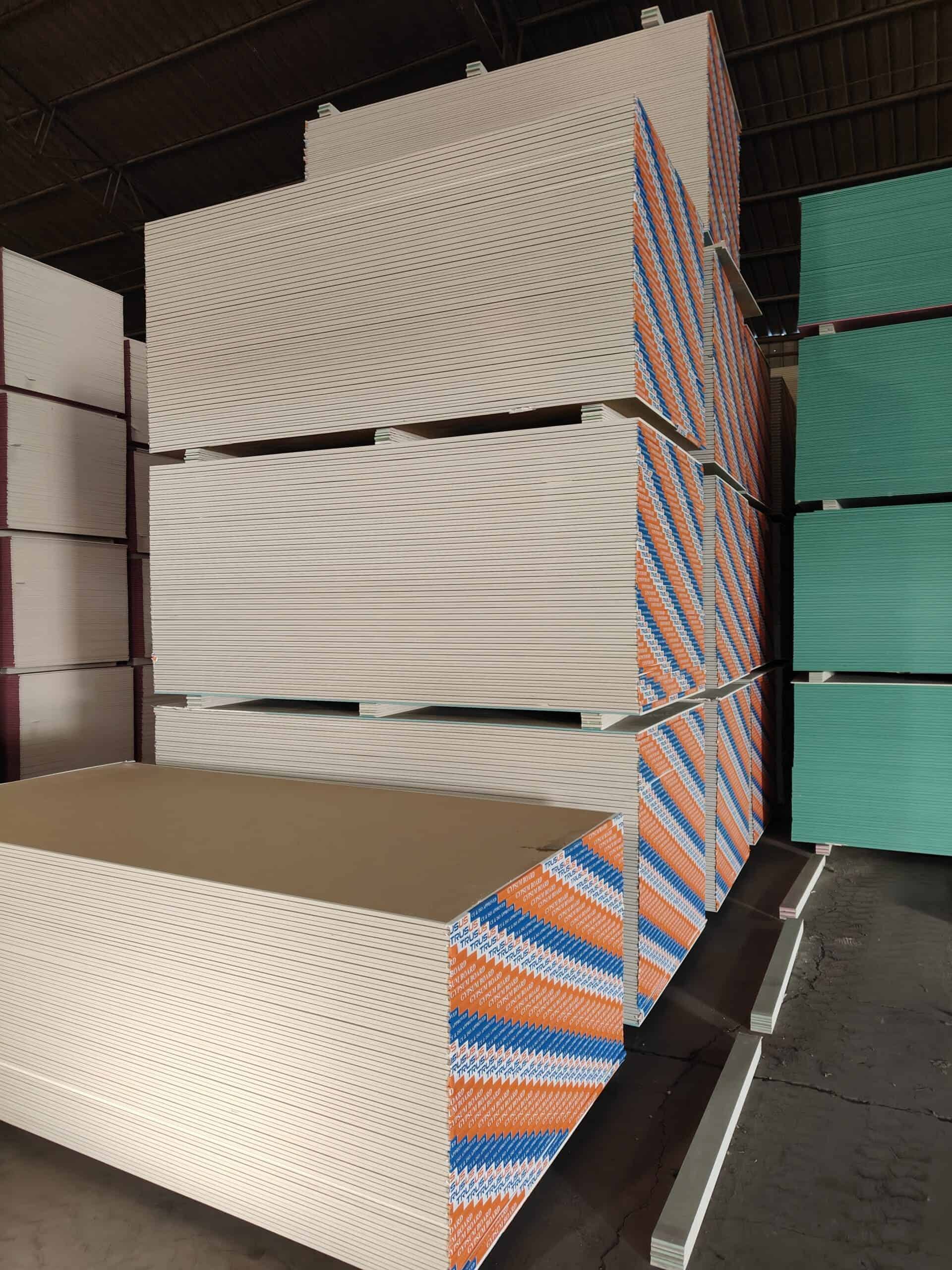
Performance Comparison
| Thickness | Typical Use | Deflection Control | Installation Note |
|---|---|---|---|
| 6–8 mm | Curved surfaces | Flexible | Needs tight screws |
| 9.5 mm | Ceiling, light walls | Standard | Avoid wide stud spacing |
| 12 mm | Partitions, sound walls | Better stiffness | Heavier weight |
| 15 mm | Fire or impact zones | High rigidity | May need stronger fasteners |
Once, a client blamed cracks on “thin board.”
After inspection, we found uneven screw spacing and warped studs—the board just revealed hidden system errors.
Thickness had done its job; the system hadn’t.
Conclusion
At TRUSUS, I see drywall thickness as language, not number.
Every millimeter carries design intent, proving that system harmony—not material size—defines real durability and finish quality.