



Typical fastener spacing for gypsum board depends on framing type and orientation.
Most codes recommend screws every 200 mm on ceilings and 300 mm on walls.
TRUSUS fastening insight: spacing integrity equals surface stability.
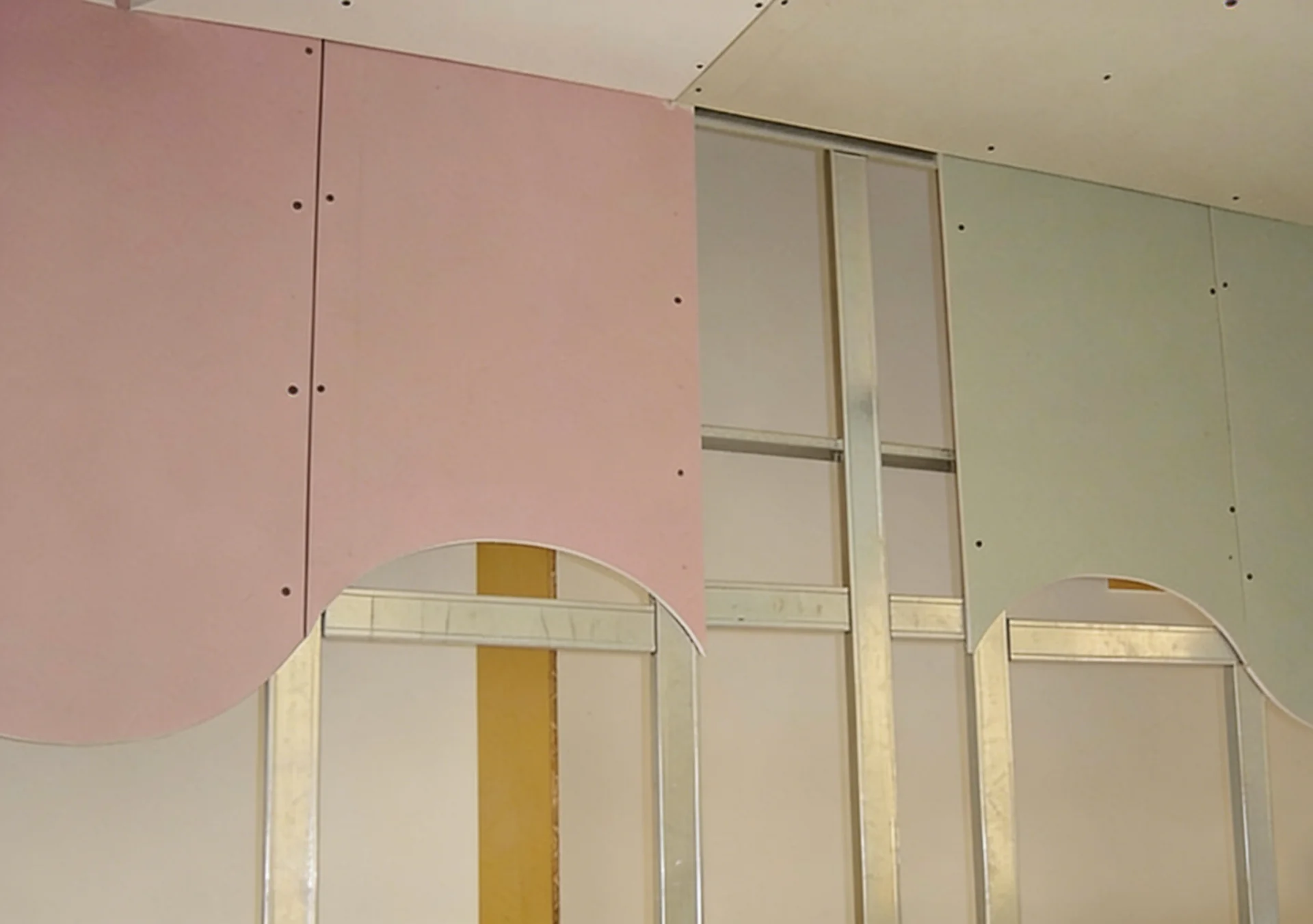
Proper spacing distributes stress evenly and keeps boards flat during moisture or temperature changes.
Too few screws allow movement; too many create micro‑cracks.
The goal is balanced fastening—each screw carrying equal load within board tolerance.
What Is the Code for Drywall Screw Spacing?
Drywall screw spacing is defined in ASTM C840 and GB/T 23451 for gypsum systems.
These standards specify both edge and field spacing limits.
TRUSUS standard insight: codes are not restrictions—they are performance maps.
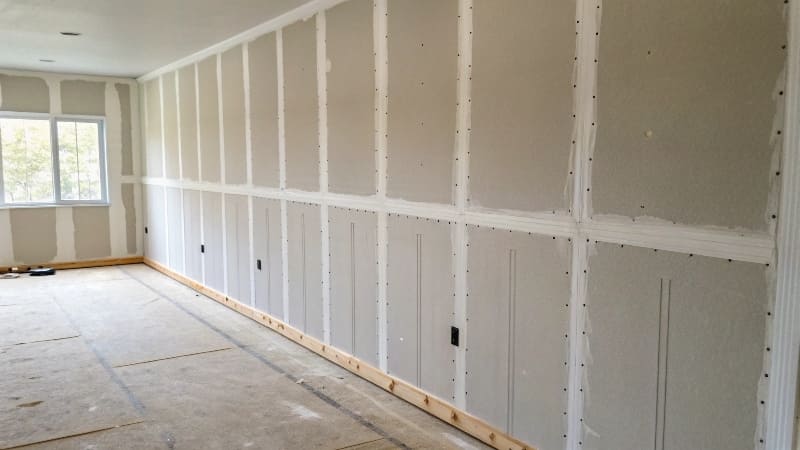
Spacing Reference Table
| Application | Edge Spacing | Field Spacing | Structural Base |
|---|---|---|---|
| Wall on wood studs | 200 mm | 300 mm | ASTM C840 §7.3 |
| Wall on steel studs | 200 mm | 300 mm | GB/T 23451 Table 3 |
| Ceiling applications | 200 mm | 200–250 mm | Fire‑rated assemblies |
| Double‑layer boards | Staggered fastener pattern | Each layer independent | Prevents joint overlap |
I remember a designer asking “why such narrow spacing?”
Once I demonstrated vibration tests comparing 200 mm vs. 250 mm intervals, he saw the difference in surface resonance.
Standards exist because data speaks louder than comfort.
What Is the Maximum Screw Spacing for Drywall?
The maximum spacing depends on load and fire rating.
Most guidelines limit it to 300 mm horizontally and 200–250 mm vertically.
TRUSUS durability insight: spacing limits equal safety limits.
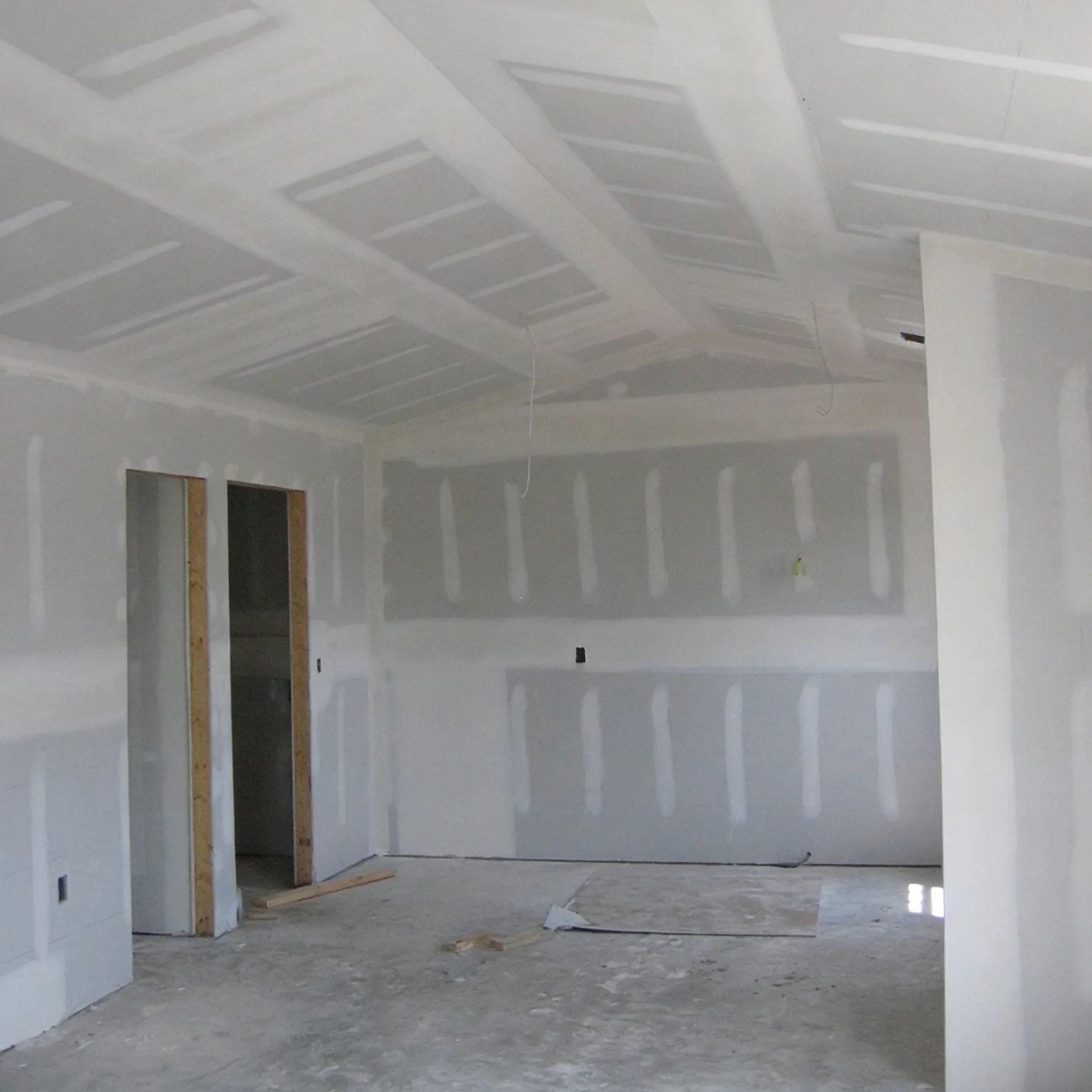
Spacing Logic
| Installation Type | Maximum Spacing | Reason |
|---|---|---|
| Wall – single layer | 300 mm | Prevent local deflection |
| Wall – double layer | 400 mm (second layer) | Reduced direct load |
| Ceiling – light steel frame | 200 mm | Control sagging and vibration |
| Fire‑rated assembly | Specified by listing | Maintain fire integrity |
During a school project, we extended spacing to speed work.
Weeks later, ceiling joints cracked from thermal swing.
It was a tough yet valuable reminder that “maximum spacing” means “no further.”
What Is the Accepted Fastener for Gypsum Board?
Accepted fasteners are corrosion‑resistant drywall screws with bugle heads—fine thread for metal studs, coarse for wood studs.
They must meet ASTM C1002 or GB A102 standards.
TRUSUS connection insight: right screw, right distance.
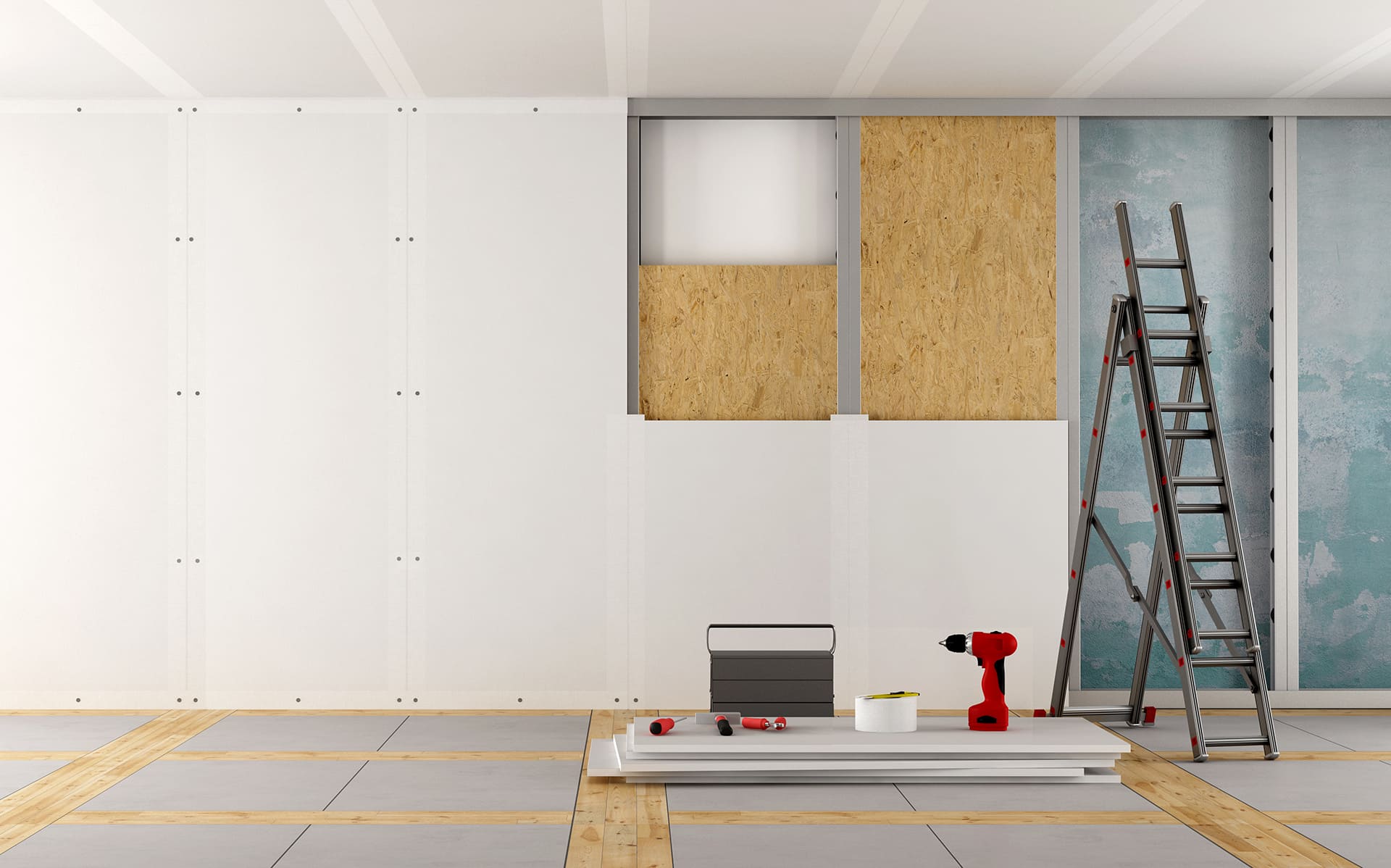
Fastener Selection Chart
| Fastener Type | Core Material | Use Range |
|---|---|---|
| Coarse‑thread screw | Carbon steel | Wood studs ≤2 mm thick |
| Fine‑thread screw | Hardened steel | Metal studs ≥0.5 mm |
| Self‑drilling screw | Zinc coated | Steel framing |
| Corrosion‑resistant screw | Epoxy or phosphate coating | Wet or coastal climates |
During coastal projects, we always use coated fasteners.
Uncoated screws can rust, expand, and tear the gypsum surface—small parts, big consequences.
Conclusion
At TRUSUS, I see every screw as part of a promise.
Spacing, type, and pattern together form a language of reliability—the grammar of trust in building systems.