



Choosing between Hardiflex and gypsum board is not about durability alone. It’s about what kind of ceiling experience you want—protective or expressive.
TRUSUS ceiling insight: performance begins when materials serve design purpose.
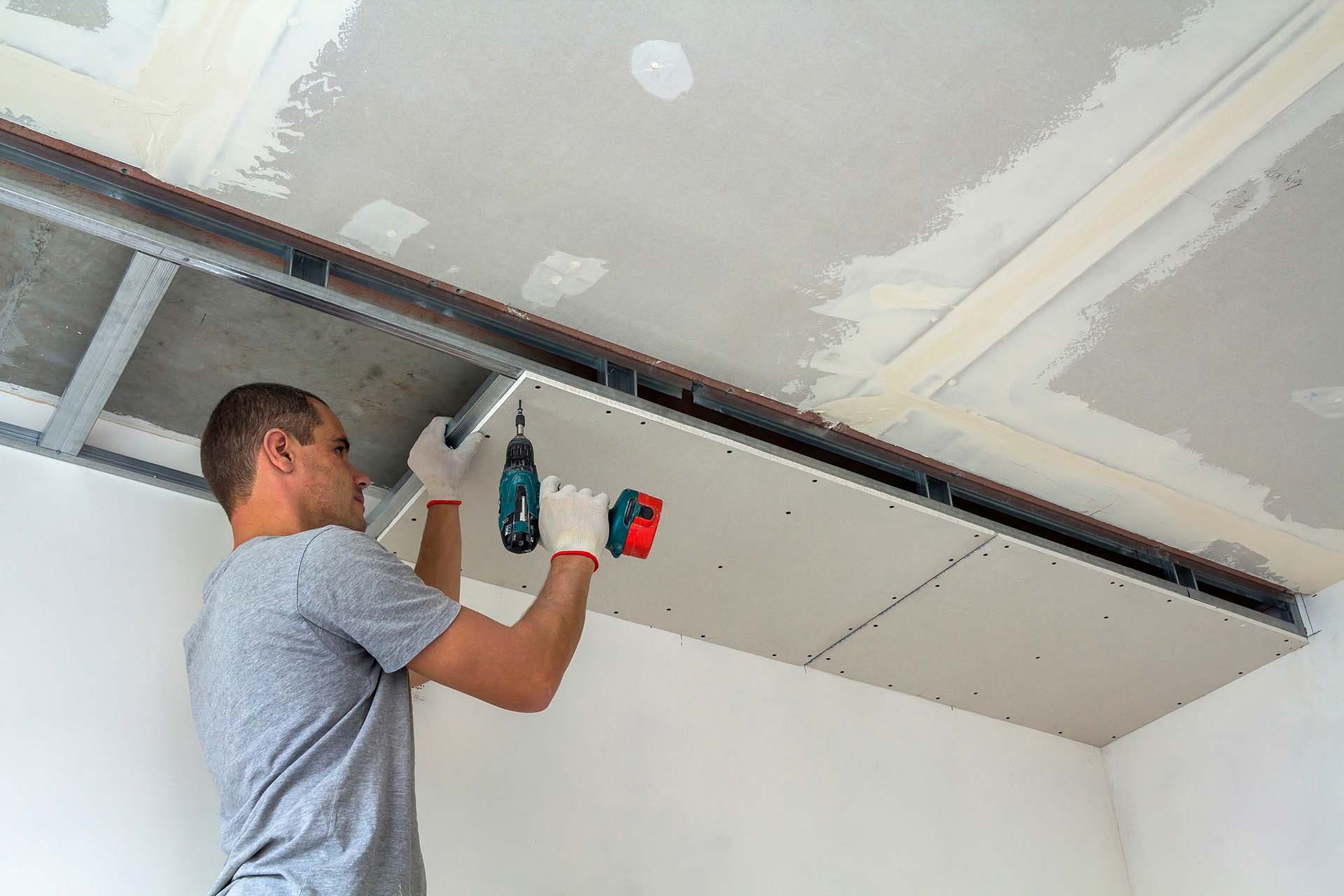
Hardiflex, made from fiber cement, excels in resistance to water, impact, and weather. Gypsum board is lighter, smoother, easier to shape, and better for interior ceilings. For humid outdoor or semi‑open spaces, Hardiflex wins. For interior rooms seeking a refined finish, gypsum board offers creativity and comfort.
What Is the Best Thickness of Gypsum Board for Ceilings?
For most rooms, 9 mm gypsum board is ideal. For large spans or multi‑layer designs, use 12 mm to ensure rigidity and alignment.
TRUSUS system insight: thickness supports strength, but structure defines durability.
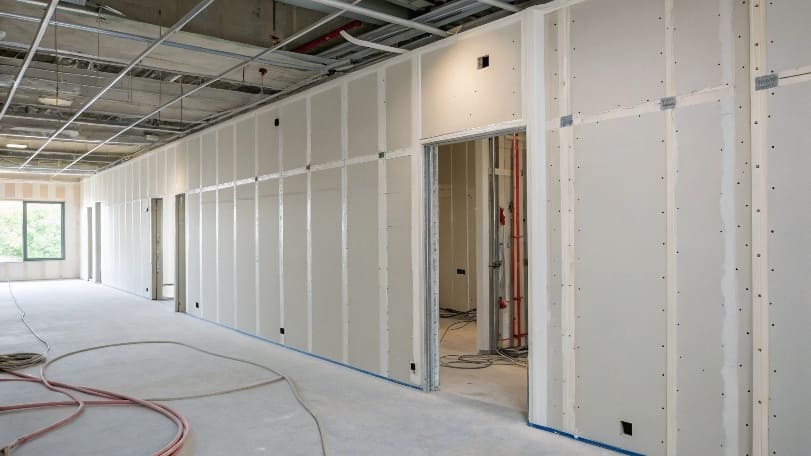
Ceiling Thickness Reference
| Ceiling Type | Recommended Board | Common Thickness | Key Structural Support |
|---|---|---|---|
| Flat domestic ceilings | Regular gypsum board | 9 mm | Light gauge metal frame |
| Multi‑tier or curved ceilings | Fire‑rated or flexible gypsum | 12 mm | Double frame system |
| Acoustic ceilings | Perforated gypsum panel | 9 – 12 mm | Acoustic frame + insulation |
| Moisture‑resistant areas | MR gypsum board | 12 mm | Tight screw spacing |
I once supervised a hotel ceiling installation using mixed board thicknesses. Thin boards sagged where frames were wide; thicker ones stayed flat. That taught me that “thickness only matters when the frame respects it.”
Which Sheet Is Best for a False Ceiling?
The best sheet is the one that matches purpose. Use gypsum board for aesthetics and acoustic comfort, or PVC for quick installs in damp zones.
TRUSUS selection insight: the best sheet is the one that fits where it lives.

False Ceiling Material Comparison
| Sheet Type | Main Advantage | Limitation | Ideal Use |
|---|---|---|---|
| Gypsum board | Smooth finish, sound absorption | Sensitive to moisture | Living rooms, offices |
| PVC panel | Waterproof, low cost | Plastic look, low sound insulation | Bathrooms, kitchens |
| Hardiflex board | Tough, fire‑resistant | Heavy, hard to cut | Outdoor soffit areas |
| Mineral fiber board | Acoustic control | Fragile edges | Auditoriums, studios |
When I redesigned an office ceiling, switching from PVC to gypsum instantly improved sound comfort. That shift convinced clients that “false ceilings” are about atmosphere, not just cover.
Which False Ceiling Is Best, Gypsum or PVC?
Gypsum ceilings offer elegance, sound control, and design flexibility. PVC ceilings resist moisture but lack the warmth and seamlessness gypsum delivers.
TRUSUS design insight: gypsum gives form and feel; PVC gives speed and protection.

Gypsum vs PVC Comparison Table
| Feature | Gypsum Ceiling | PVC Ceiling |
|---|---|---|
| Appearance | Seamless, paintable | Glossy or patterned |
| Installation | Moderate complexity | Quick clip‑in system |
| Moisture tolerance | Medium, treat with MR type | High |
| Acoustic performance | Excellent | Poor |
| Repair & maintenance | Easy to patch | Difficult to re‑match |
| Design variety | Curves, recesses, coffers | Mostly linear |
I always remind clients: PVC can simply “cover,” but gypsum can “compose.” Every curved edge or layered drop ceiling owes its life to gypsum’s flexibility.
Conclusion
At TRUSUS, I believe ceiling materials express how people want to live. Hardiflex protects. PVC simplifies. Gypsum transforms—turning the ceiling into a surface of light, sound, and style.