



Always cut Gypsum Board on the front paper side first—the finished, ivory-colored surface. Scoring this side controls the break line and keeps the facing paper smooth and intact.
TRUSUS craftsmanship insight: every clean cut starts from intention, not force—the surface guides the strength.
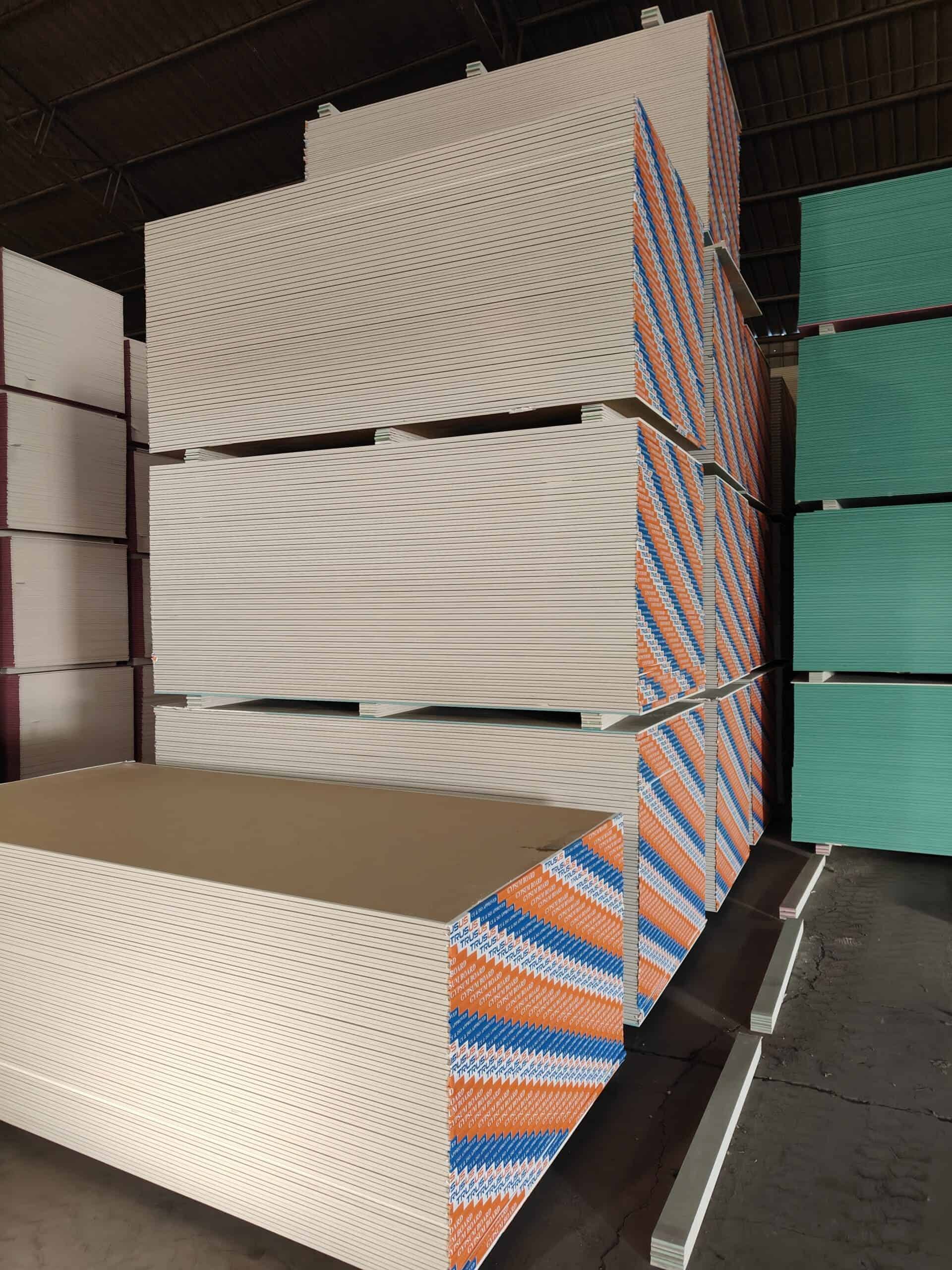
Once scored, snap the sheet along the line and cut through the back paper for a clean, even edge.
What Is the Fastest Way to Cut drywall?
The fastest way to cut drywall is to use a sharp utility knife and a straightedge. Score once, snap the board, and trim the back paper. No sawdust, no mess, no slowing down.
efficiency insight: speed follows precision—a straight line saves more time than a fast hand.
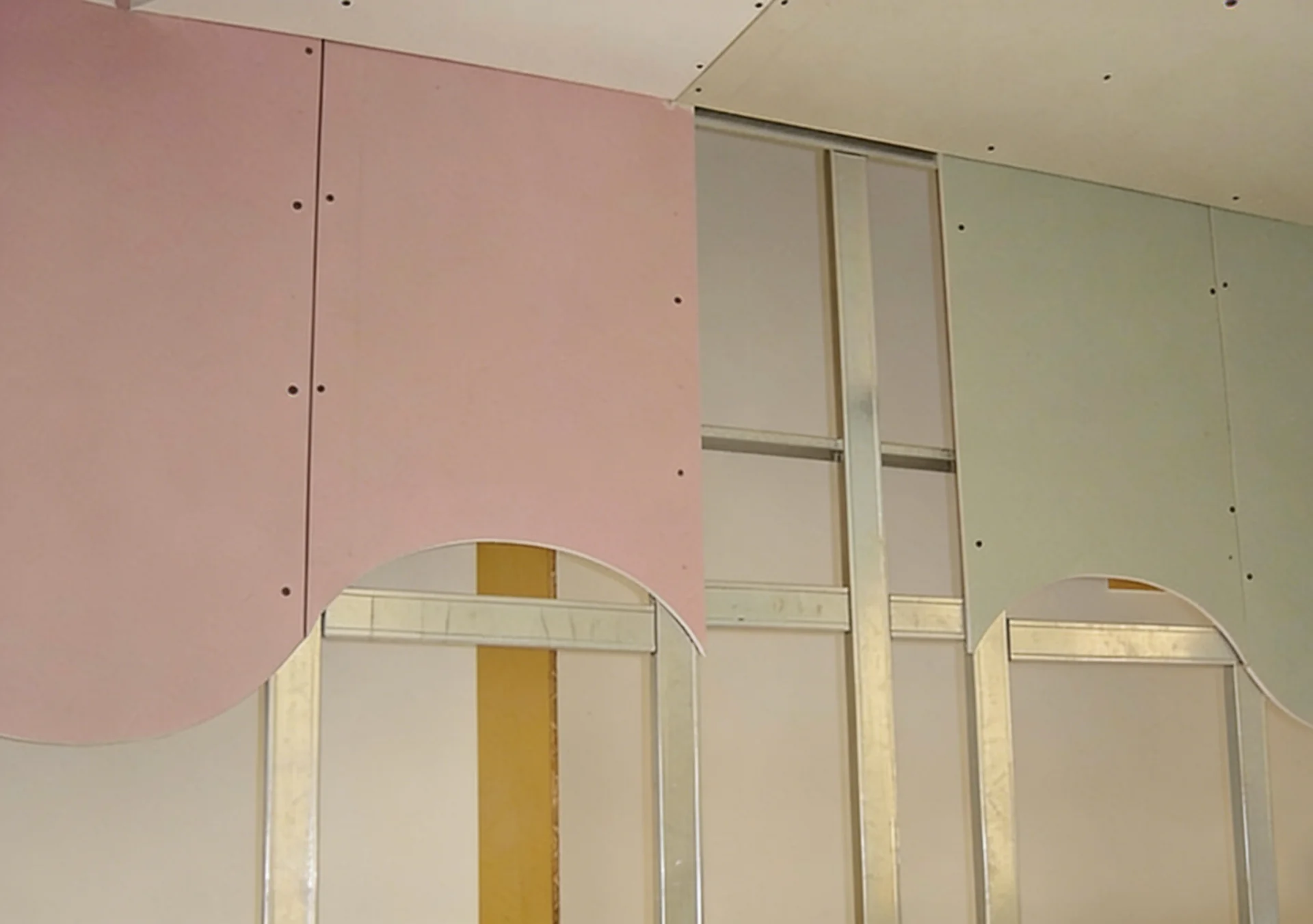
Quick Cut Steps
| Step | Tool | Description | Time |
|---|---|---|---|
| 1 | Tape Measure | Mark desired length | 10 seconds |
| 2 | T-square | Align as straightedge | 5 seconds |
| 3 | Utility Knife | Score front paper once | 10 seconds |
| 4 | Snap Board | Bend backward cleanly | 5 seconds |
| 5 | Cut Back Paper | Slice fold line | 5 seconds |
Using a knife helps maintain dust-free, consistent lines ideal for professional finishing and joint taping.
How to Cut Drywall Long Way?
To cut drywall lengthwise, use a T-square or chalk line as a guide, score along the full length, and then bend the panel over your knee or edge to snap it.
technique insight: long cuts demand rhythm—keep pressure firm and motion continuous for a clean line.
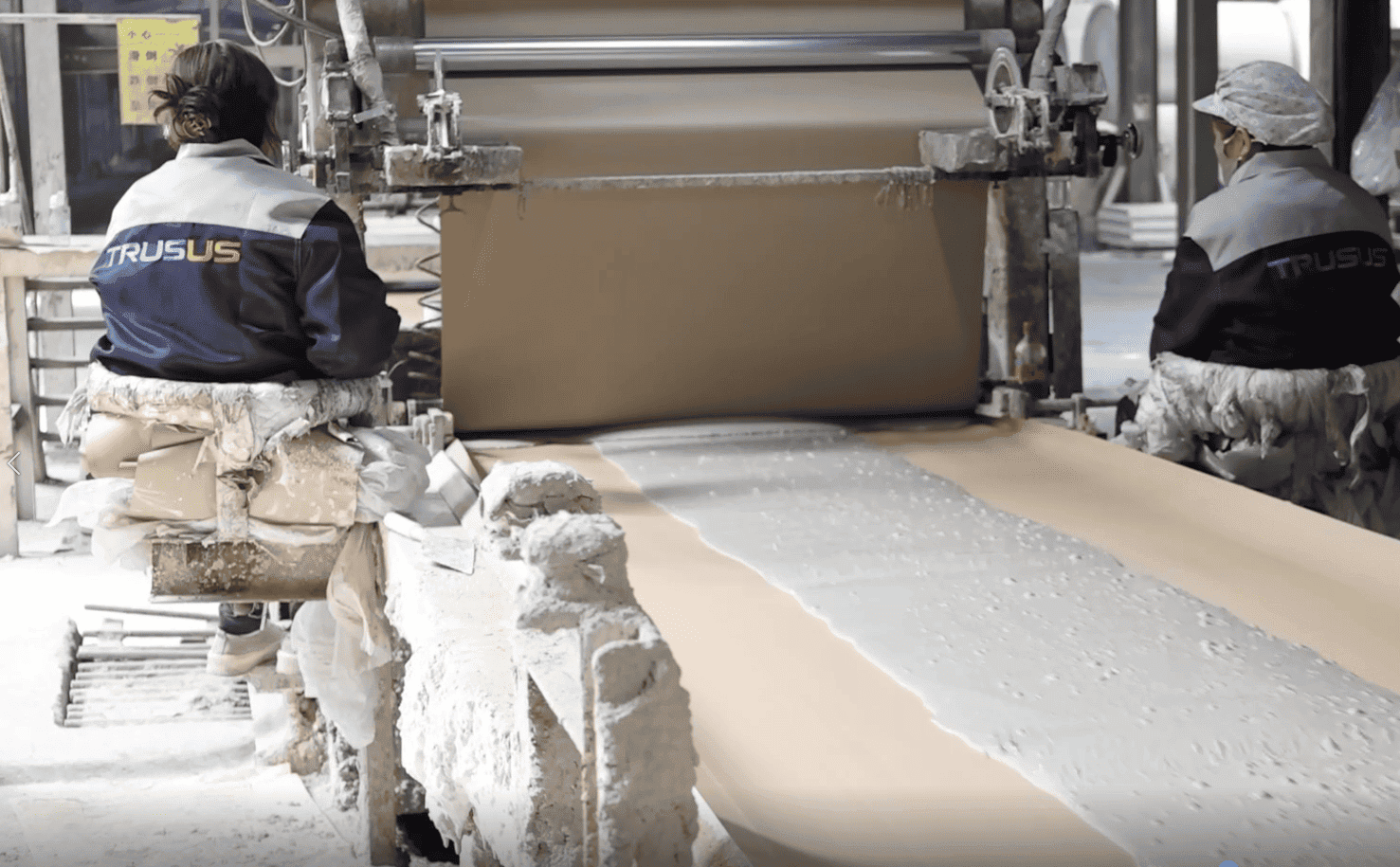
Long-Cut Technique Table
| Tool | Function | Tip |
|---|---|---|
| Chalk Line | Guides line over large sheet | Snap under good lighting |
| Utility Knife | Scores paper cleanly | Use new blades often |
| Workbench Edge | Supports bend and snap | Prevent midline twist |
| Drywall Saw (optional) | Cuts small ends cleanly | Use for openings |
For high-accuracy cuts, place the sheet flat on sawhorses to prevent cracking and control edge splinters.
What Are the Signs of Bad plasterboard?
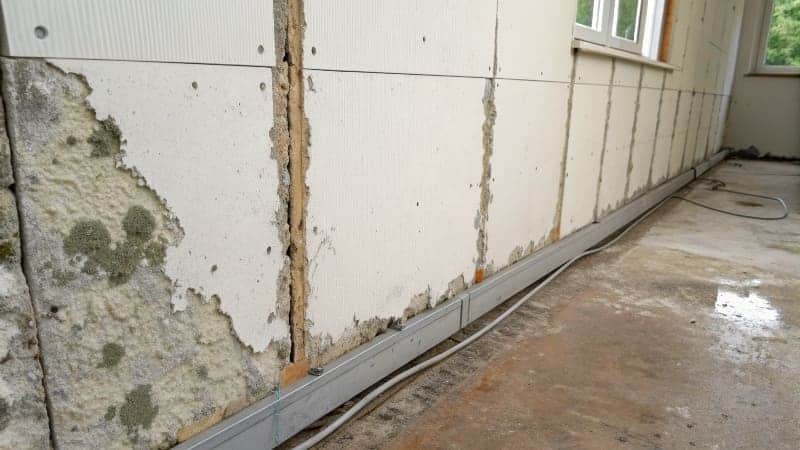
Bad plasterboard shows bubbling paper, edge crumbling, uneven texture, or moisture staining. More severe signs include delamination or mold growth, usually caused by poor storage or improper installation.
quality insight: symptoms tell stories—draft errors often appear where care disappeared.
Drywall Condition Table
| Sign | Likely Cause | Solution |
|---|---|---|
| Peeling paper surface | Over-scoring or moisture | Replace panel, improve humidity control |
| Crumbled edges | Dull blades, poor snapping | Cut with sharp knife and full support |
| Wavy surface | Uneven studs or fastening gaps | Shim framing or correct screw layout |
| Mold spots | Exposure to damp area | Switch to moisture-resistant board |
Identifying these issues early keeps the final finish solid and avoids larger repair costs later.
Conclusion
Precision defines good drywall work. At TRUSUS, I believe in measure twice, cut once, and install with intent—because every straight line builds the foundation of lasting craft.