



The best drywall for high humidity is moisture-resistant (green board) or cement-faced drywall (blue board) designed for bathrooms, kitchens, and basements. For extreme conditions, use fiberglass-faced gypsum panels that resist mold growth.
TRUSUS climate insight: walls breathe with air—choose boards that help them endure, not just survive.
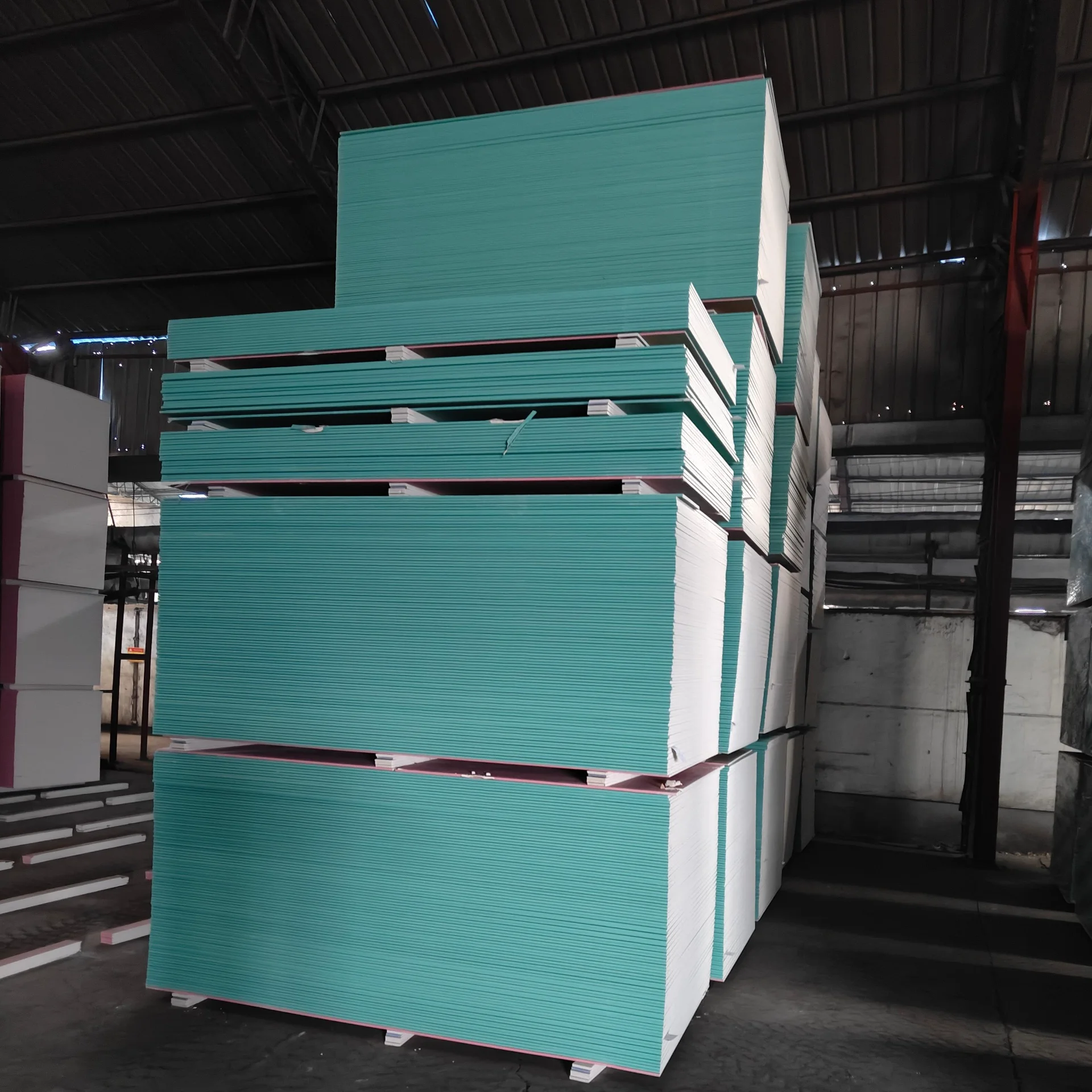
The key is pairing the board with proper ventilation, vapor barriers, and sealants. Humidity protection works only when the wall system stays balanced.
Does Low Humidity Cause Cracks in the Ceiling?
Yes, low humidity can cause drywall and joint compounds to shrink, leading to small ceiling cracks. These appear when indoor air becomes too dry in winter and stresses the material’s bond lines.
seasonal insight: dryness pulls where moisture once held—the air writes marks when balance breaks.
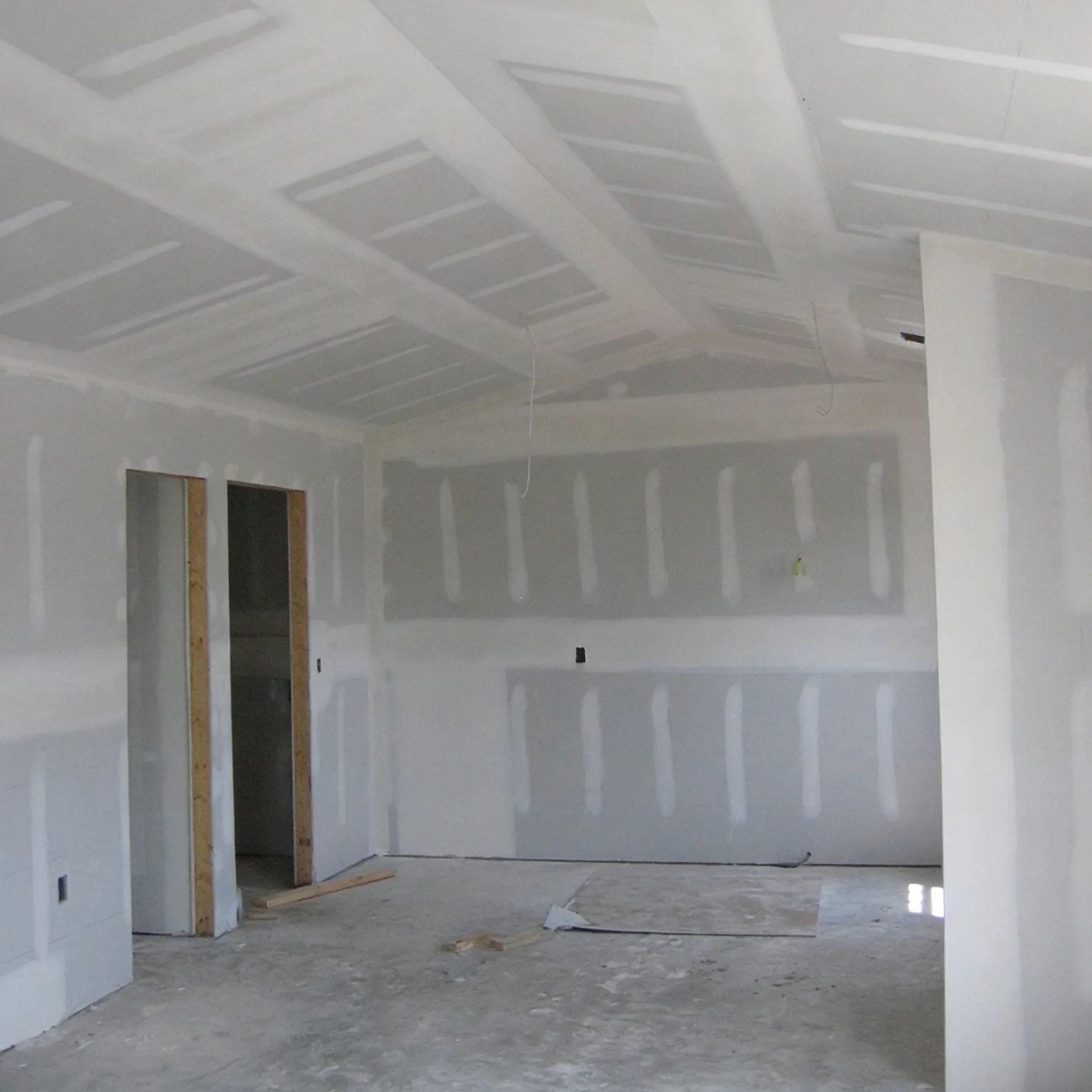
Seasonal Effect Comparison
| Condition | Humidity Level | Common Result | Typical Solution |
|---|---|---|---|
| High Humidity | >65% RH | Swelling, soft joints | Dehumidification |
| Low Humidity | <35% RH | Shrinkage, cracks | Humidifier, flexible joint compound |
| Normal Range | 40–55% RH | Stable surface | Maintain ventilation |
Managing consistent relative humidity prevents expansion and contraction cycles that damage joint finishes.
How to Dehumidify Behind Drywall?
To dehumidify behind drywall, improve air circulation inside cavities. Use wall vents, dehumidifiers, or controlled airflow with HVAC systems. If moisture remains trapped, remove sections to dry the framing and insulation.
maintenance insight: hidden dampness never disappears—it needs air, light, and time to leave.
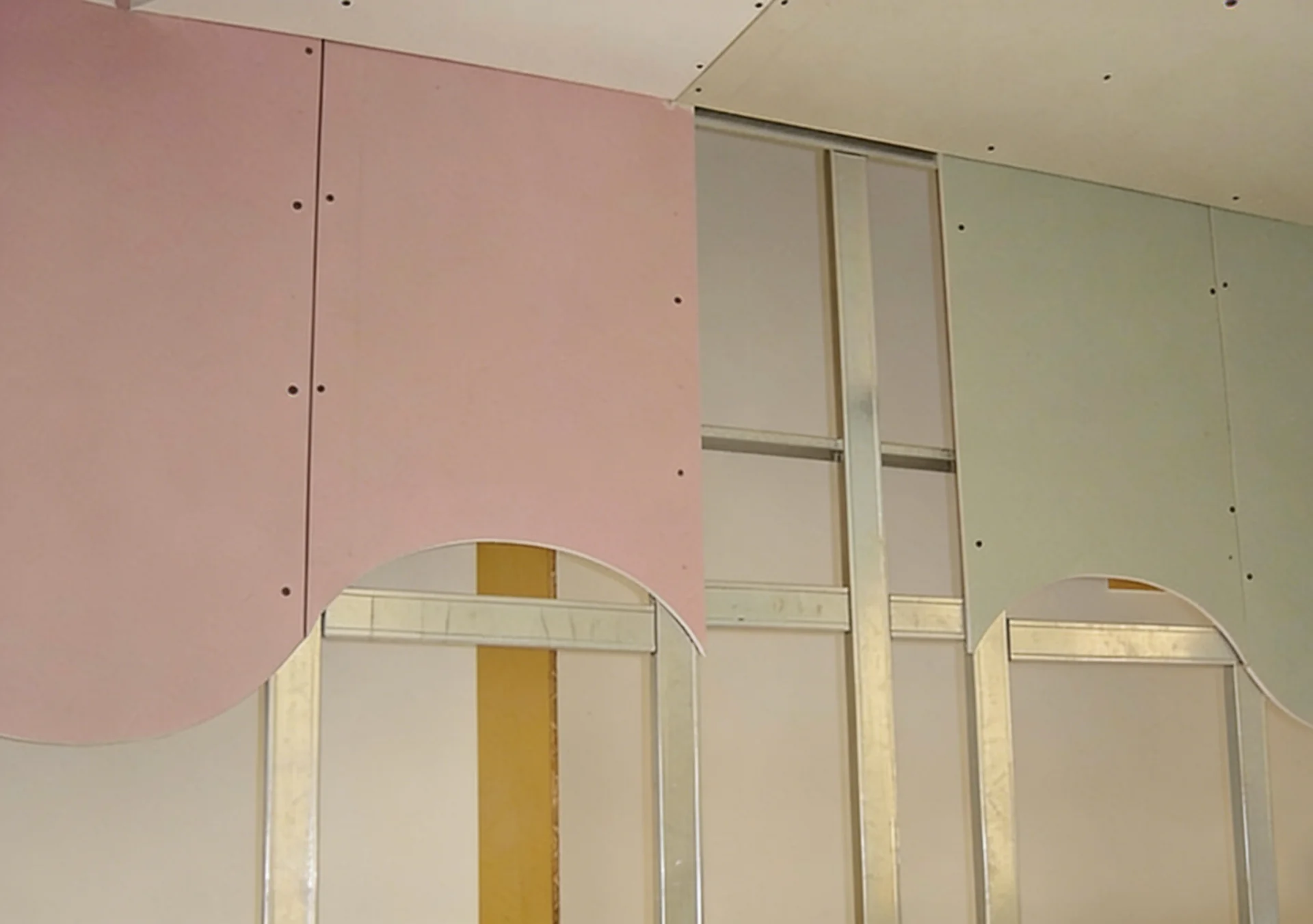
Hidden Space Dehumidification Steps
| Step | Method | Description | Purpose |
|---|---|---|---|
| 1 | Identify damp zones | Inspect mold, odor, or discoloration | Locate the issue |
| 2 | Improve airflow | Create vent holes or use duct fans | Promote drying |
| 3 | Use desiccant or dehumidifier | Absorb trapped moisture | Restore material condition |
| 4 | Seal properly after drying | Replace insulation, caulk edges | Prevent recurrence |
Hidden moisture between drywall and studs often follows plumbing leaks or poor vapor management. Early detection protects both surface and structure.
Do Drywall Cracks Get Worse With Winter or Summer?
Drywall cracks often worsen in winter, when indoor heating lowers humidity. In summer, expansion due to higher moisture can reopen or shift existing cracks. Both seasons can affect joint stability differently.
balance insight: every wall lives between two airs—the cold that contracts and the warm that expands.
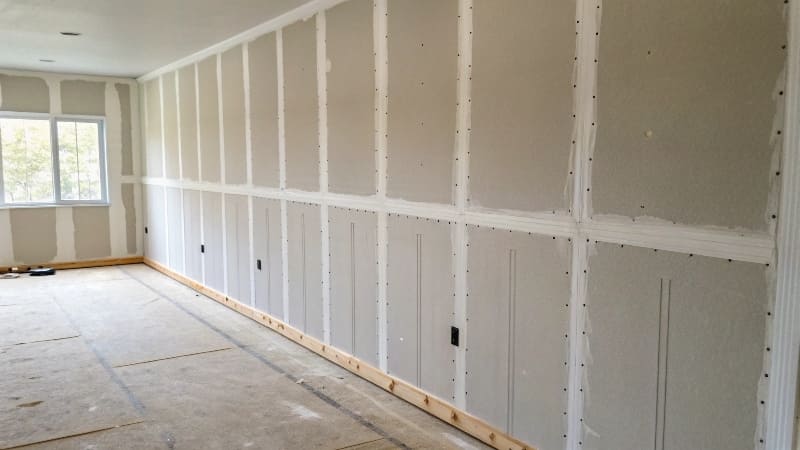
Weather Impact Table
| Season | Air Condition | Drywall Behavior | Preventive Action |
|---|---|---|---|
| Winter | Dry air, low humidity | Shrinkage cracks form | Maintain humidity level |
| Summer | Warm, humid | Expansion and joint movement | Ensure ventilation |
| Transitional (Spring/Fall) | Fluctuating RH | Cracks may appear temporarily | Use flexible joint compound |
Keeping indoor humidity between 40–55% year-round minimizes structural stress and prevents recurring damage.
Conclusion
At TRUSUS, I see drywall as more than panels—it’s part of a living climate system. When we control humidity, we protect silence, comfort, and the longevity of our spaces.