



If your drywall is uneven, fill gaps first with joint compound before taping. Use wider joint knives to feather edges smoothly and build gradual layers until flat. Never force tape over deep depressions.
TRUSUS precision insight: before you achieve beauty, fix stability—mud is a bridge, not a mask.
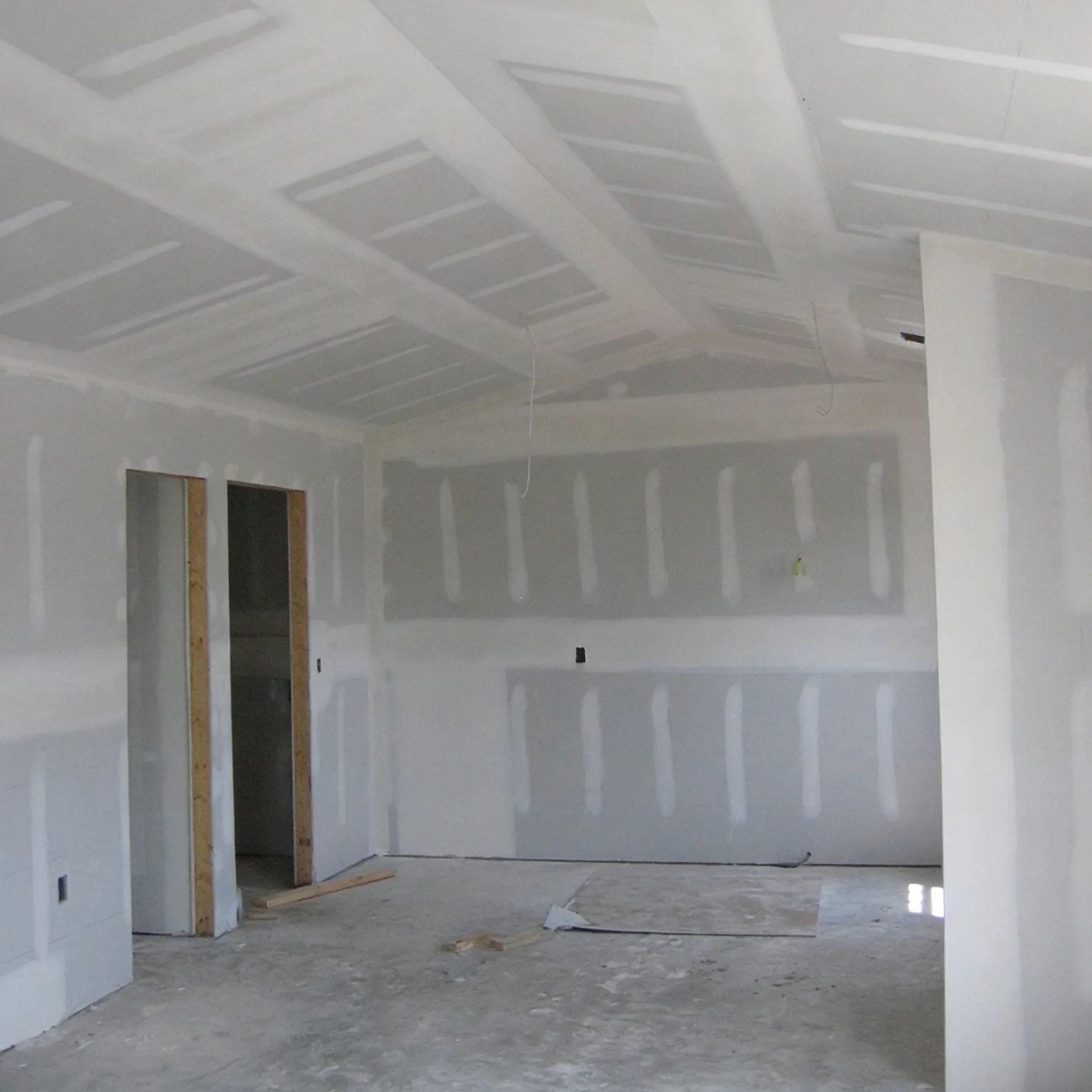
Uneven walls need patience. Each compound layer should dry fully before sanding or applying another to prevent cracking later.
How to Finish Perfect Inside Drywall Corners?
To finish perfect inside drywall corners, apply joint compound evenly on both sides, press folded paper tape firmly into the corner, and smooth outward. Use thin layers and angle knives for clean lines.
craft insight: inside corners respond to rhythm—steady pressure creates straight confidence.
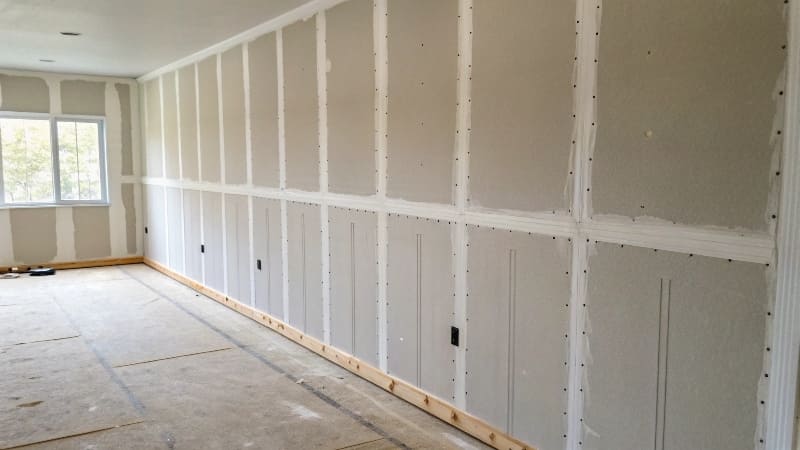
Inside Corner Finishing Table
| Step | Action | Tool | Result |
|---|---|---|---|
| 1 | Apply compound along both sides | 6" or 8" knife | Even mud distribution |
| 2 | Fold and press paper tape into corner | Corner roller or finger | Sharp, continuous edge |
| 3 | Smooth each side separately | Corner knife | Prevent tape wrinkles |
| 4 | Add second and third thin coats | Flexible knife | Strengthen corner surface |
| 5 | Sand lightly after drying | Fine-grit sandpaper | Perfect smoothness |
Temperature and humidity affect drying. I always use fans and allow natural airflow on large surfaces for consistent curing.
What Is the Best Technique for Taping Drywall Corners?
The best technique for taping drywall corners is the three-coat process: bed coat, fill coat, and finish coat. Each layer widens the feathering area, reducing cracks and ensuring invisible seams after painting.
method insight: a perfect corner is built from repetition—each coat whispers strength beneath simplicity.
Three-Coat Corner Technique Table
| Coat Stage | Purpose | Dry Time | Tip |
|---|---|---|---|
| Bed Coat | Embed tape securely | 24 hrs | Press out air pockets completely |
| Fill Coat | Cover tape edges evenly | 12–24 hrs | Keep flat knife angle |
| Finish Coat | Smooth surface visually | 12 hrs | Feather edges wide and thin |
This method allows stress distribution along joints and minimizes future cracking or visible ridges after primer and paint.
What Is the Most Common Cause of Drywall Accidents?
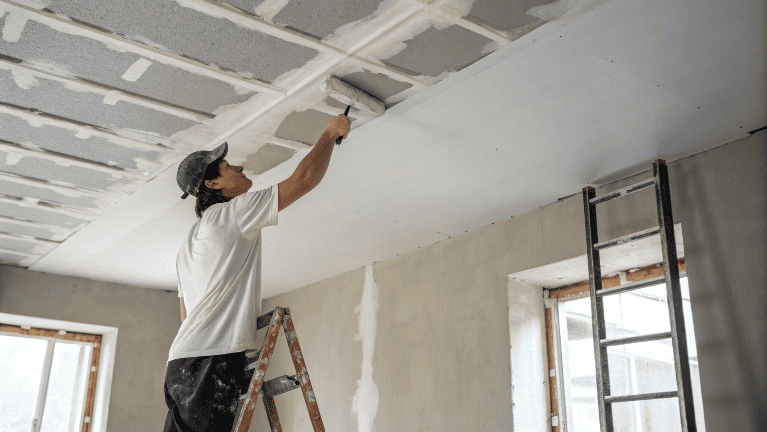
The most common cause of drywall accidents is poor installation control and dust exposure. Unsecured panels, misplaced screws, and inadequate protective measures lead to physical injuries and respiratory problems.
safety insight: careless minutes cost long hours—precision and protection are part of every clean wall.
Drywall Accident Cause Table
| Accident Type | Root Cause | Prevention |
|---|---|---|
| Falling Panels | Poor fastening or rushed lifting | Use two-person handling, pre-mark screw lines |
| Corner Cracks | Structural misalignment | Align framing before attaching board |
| Dust Inhalation | Improper sanding or ventilation | Use dust mask, open airflow, use vacuum sander |
| Joint Failure | Wrong compound drying times | Respect curing cycles before next coat |
Safety starts even before taping begins. Always inspect framing stability and wear protection before mixing drywall compound.
Conclusion
Smooth walls aren’t magic—they’re teamwork between alignment, compound, tape, and patience. At TRUSUS, I believe that craftsmanship begins where material meets awareness: precision first, beauty follows naturally.