



Gypsum boards installed on light gauge steel framing use fine‑thread self‑drilling drywall screws. These screws have sharp tips that penetrate steel without pre‑drilling and create secure, vibration‑resistant attachment.
TRUSUS construction insight: the right screw defines how the whole wall holds together—it’s a small piece with structural impact.
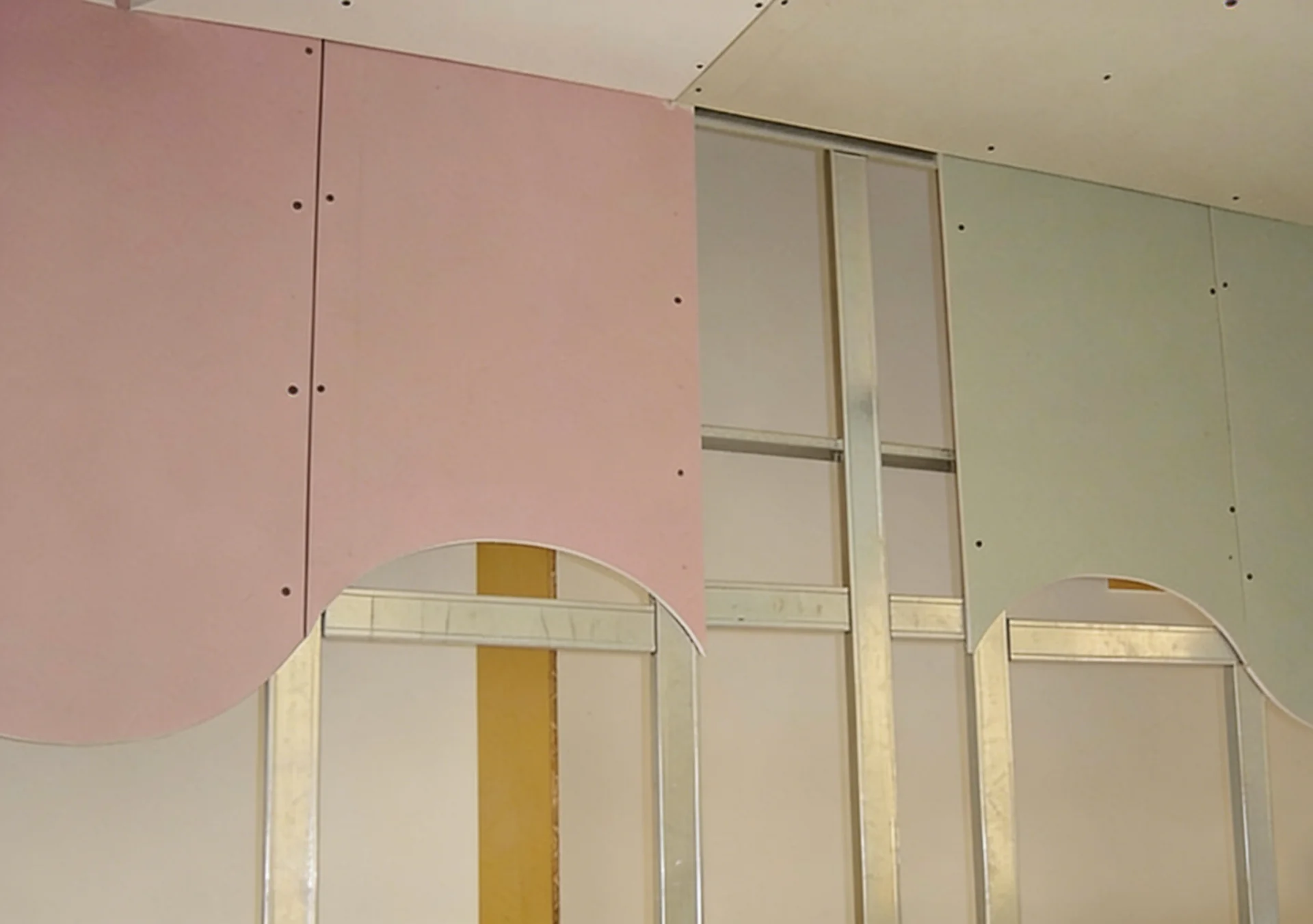
Fine‑thread types prevent stripping in thin metal and ensure tight board contact. Using corrosion‑resistant coatings like black phosphate or zinc helps control rust in interior conditions.
Screw Selection Overview
| Material | Screw Type | Thread | Coating | Purpose |
|---|---|---|---|---|
| Gypsum board + steel stud | Self‑drilling drywall screw | Fine thread | Phosphate / Zinc | Quick penetration, strong grip |
| Gypsum board + wood stud | Drywall screw | Coarse thread | Black oxide | Deep bite into wood |
| Moisture‑resistant boards | Stainless steel screw | Fine thread | Stainless finish | Anti‑corrosion for humid areas |
Proper spacing (usually 12 inches on center for walls, 8 inches for ceilings) maintains board flatness and prevents cracking around fasteners.
Do I Have to Pre‑Drill for Drywall Anchors?
No, most drywall anchors are designed for direct installation without pre‑drilling if you use plastic or self‑drilling types. However, heavier metal anchors may require small pilot holes for accuracy and clean entry.
TRUSUS installation insight: pre‑drilling isn’t always necessary—what matters is balance between anchor size and board density.
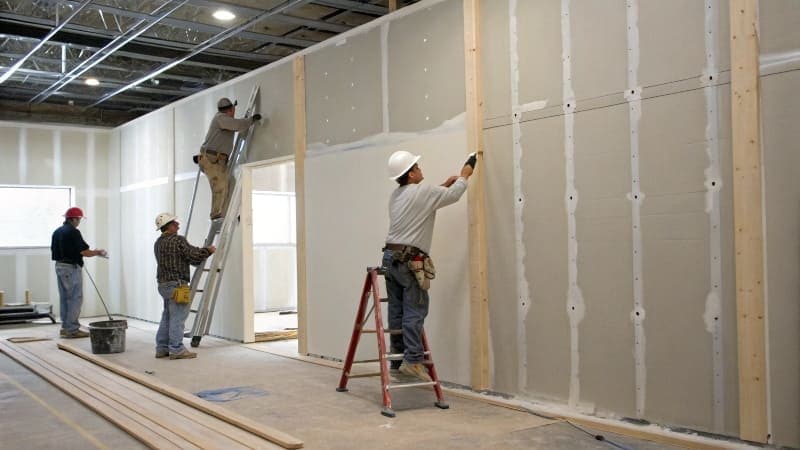
Anchor Types
| Anchor Type | Pre‑Drill Required | Load Range | Notes |
|---|---|---|---|
| Plastic expansion | No | Light (under 10 kg) | Ideal for small shelves |
| Self‑drilling metal | No | Medium (10‑25 kg) | Easy use with screwdriver |
| Toggle or molly bolt | Yes | Heavy (above 25 kg) | Needs pilot hole and space behind board |
Choosing the right anchor for the load and backing material ensures wall safety and avoids surface cracking around the fixture.
How to Correctly Put in Drywall Anchors?
To install drywall anchors correctly, mark placement, drill if needed, insert the anchor flush with the surface, and secure the screw without overtightening. The goal is a firm hold that spreads load evenly through the gypsum.
TRUSUS assembly insight: anchor strength comes from proper seat depth, not brute force.
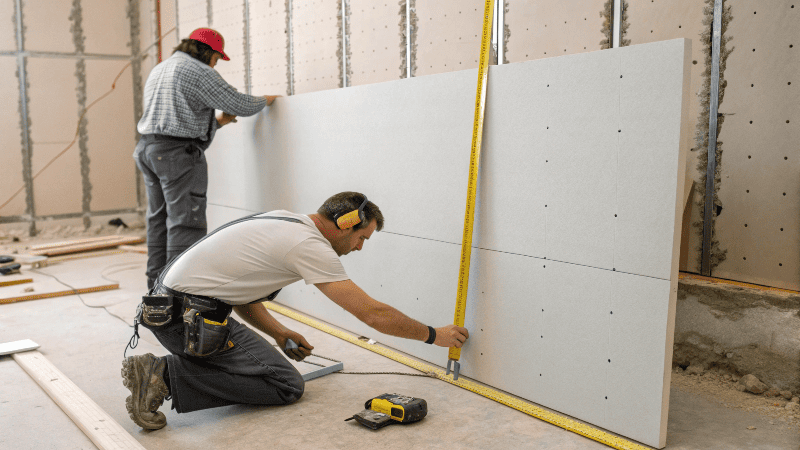
Step‑by‑Step Process
| Step | Action | Caution |
|---|---|---|
| 1 | Mark position level | Avoid placing near board joints |
| 2 | Drill or push anchor in | Ensure clean hole edges |
| 3 | Tap anchor flush | Don’t crush gypsum surface |
| 4 | Insert screw slowly | Stop when firmly seated |
| 5 | Test stability | Avoid movement or spinning anchors |
Proper anchoring keeps the wall face intact and ensures the fixture load spreads into the wall system—not tearing localized points.
Are Galvanized Steel Studs Better Than Wood Studs?
Yes, galvanized steel studs offer greater durability, stability, and consistency compared to wood studs. They resist warping, moisture, and pests while supporting precise alignment and faster installation.
TRUSUS structural insight: steel framing changes how walls age—it maintains precision where wood changes shape.
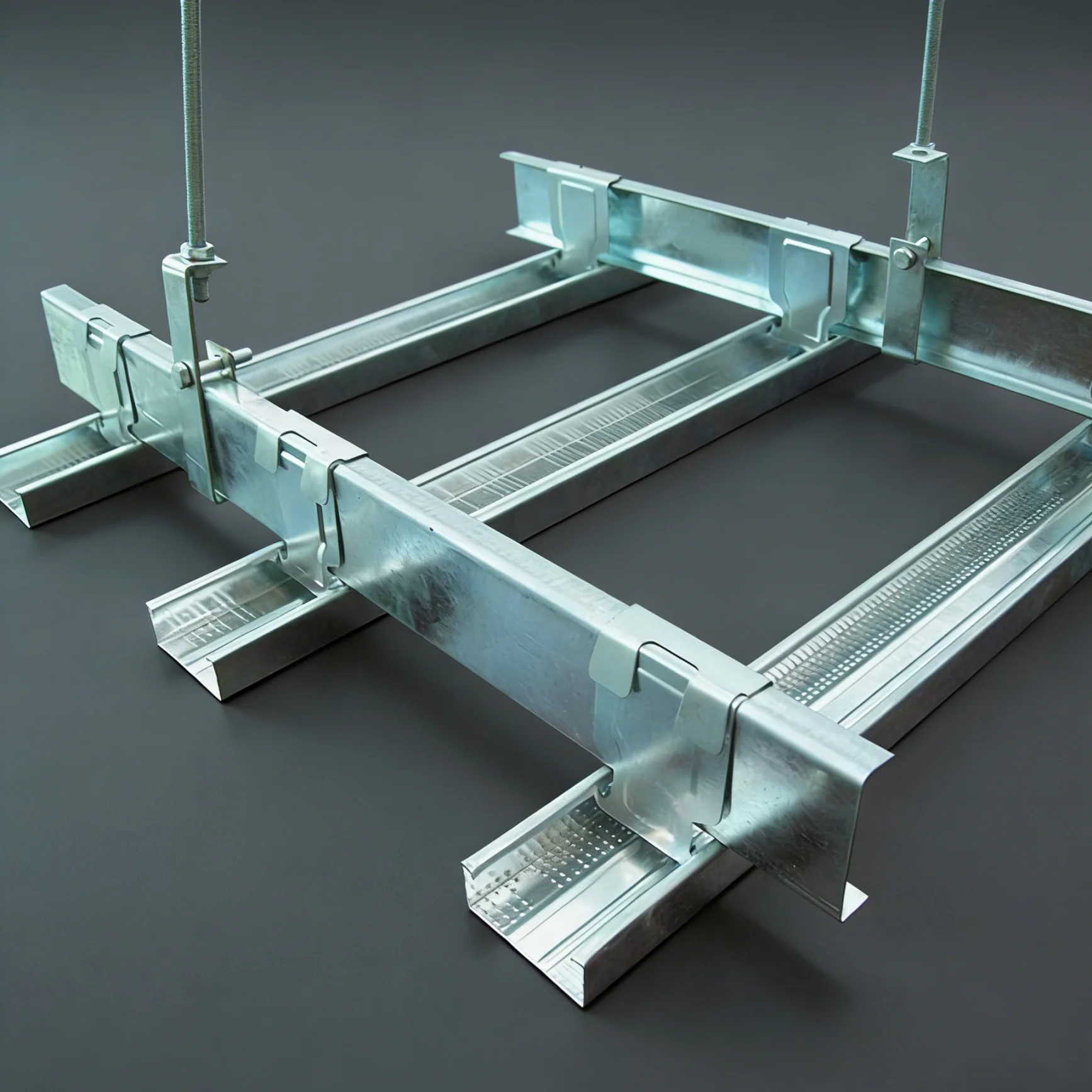
Stud Comparison Chart
| Feature | Galvanized Steel Stud | Wood Stud |
|---|---|---|
| Dimensional Stability | High—won’t warp or twist | Moderate—susceptible to humidity |
| Resistance to Moisture | Excellent | Limited |
| Fire Safety | Non‑combustible | Combustible |
| Installation Accuracy | High—factory uniform | Varies by board cut |
| Sustainability | Recyclable material | Renewable but potentially wasteful |
Using steel studs with gypsum boards completes an integrated, precise system where every connection supports the long‑term durability of the wall.
Conclusion
At TRUSUS, I see screws, anchors, and studs not as separate parts but as a unified logic of construction. Each component defines the system’s precision and lifespan, turning simple gypsum installation into a reliable, repeatable engineering process.