



Fiber reinforced gypsum (FRG) panels are gypsum boards strengthened with glass or synthetic fibers mixed into the core. These fibers give the board higher flexural strength, impact resistance, and dimensional stability compared to traditional drywall.
TRUSUS structural insight: FRG panels redefine gypsum from a surface finish to a composite structural medium.
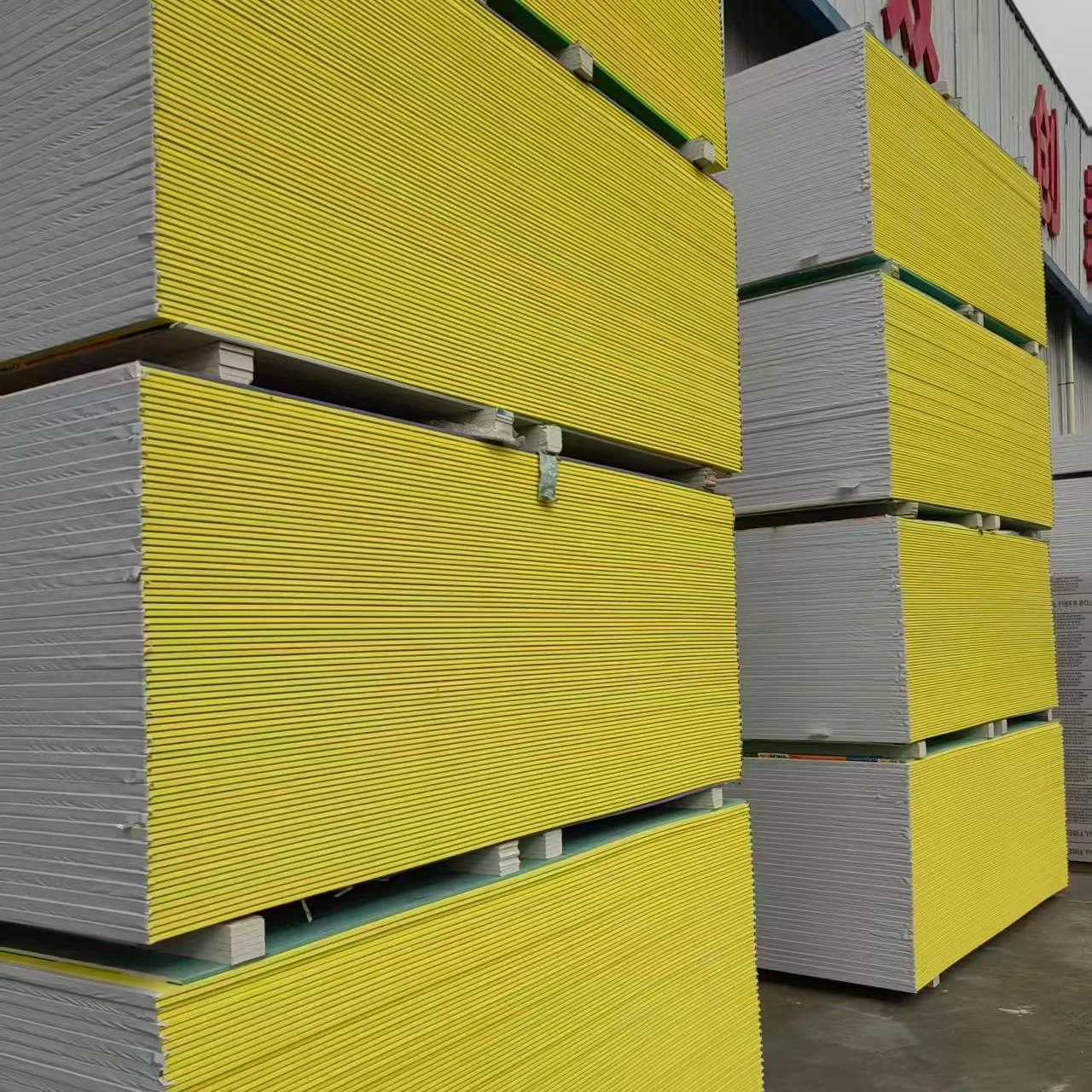
The combination of gypsum and fibers prevents cracking, supports heavier loads, and allows use in demanding environments where regular boards fail.
What Is the Difference Between Paperless Drywall and Regular Drywall?
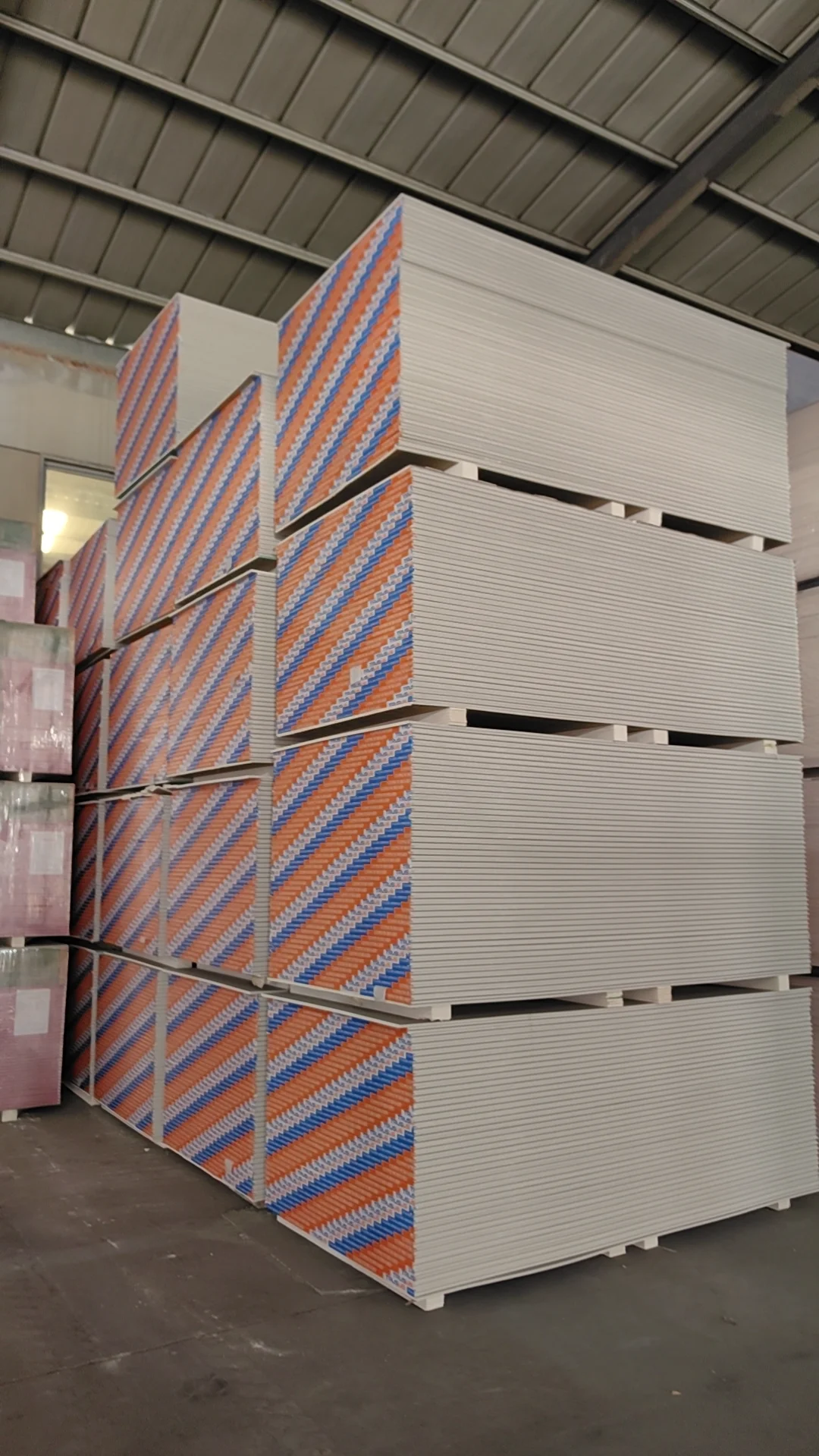
The main difference lies in the surface layer. Regular drywall uses paper facing on both sides, while paperless drywall replaces it with a fiberglass mat or other non‑organic liner that resists moisture, mold, and fire better.
TRUSUS design insight: removing paper removes weakness—mold no longer finds a home.
Comparison Chart
| Feature | Regular Drywall | Paperless / Fiber Drywall |
|---|---|---|
| Surface Cover | Paper Sheets | Fiberglass or Polymer Mat |
| Mold Resistance | Low | High |
| Moisture Resistance | Limited | Excellent |
| Structural Strength | Moderate | Enhanced |
| Ideal Application | Dry interiors | Bathrooms, kitchens, basements |
Paperless drywall lasts longer in variable humidity environments and offers an extra margin of reliability in design and maintenance.
What Are the Advantages of Paperless Drywall?
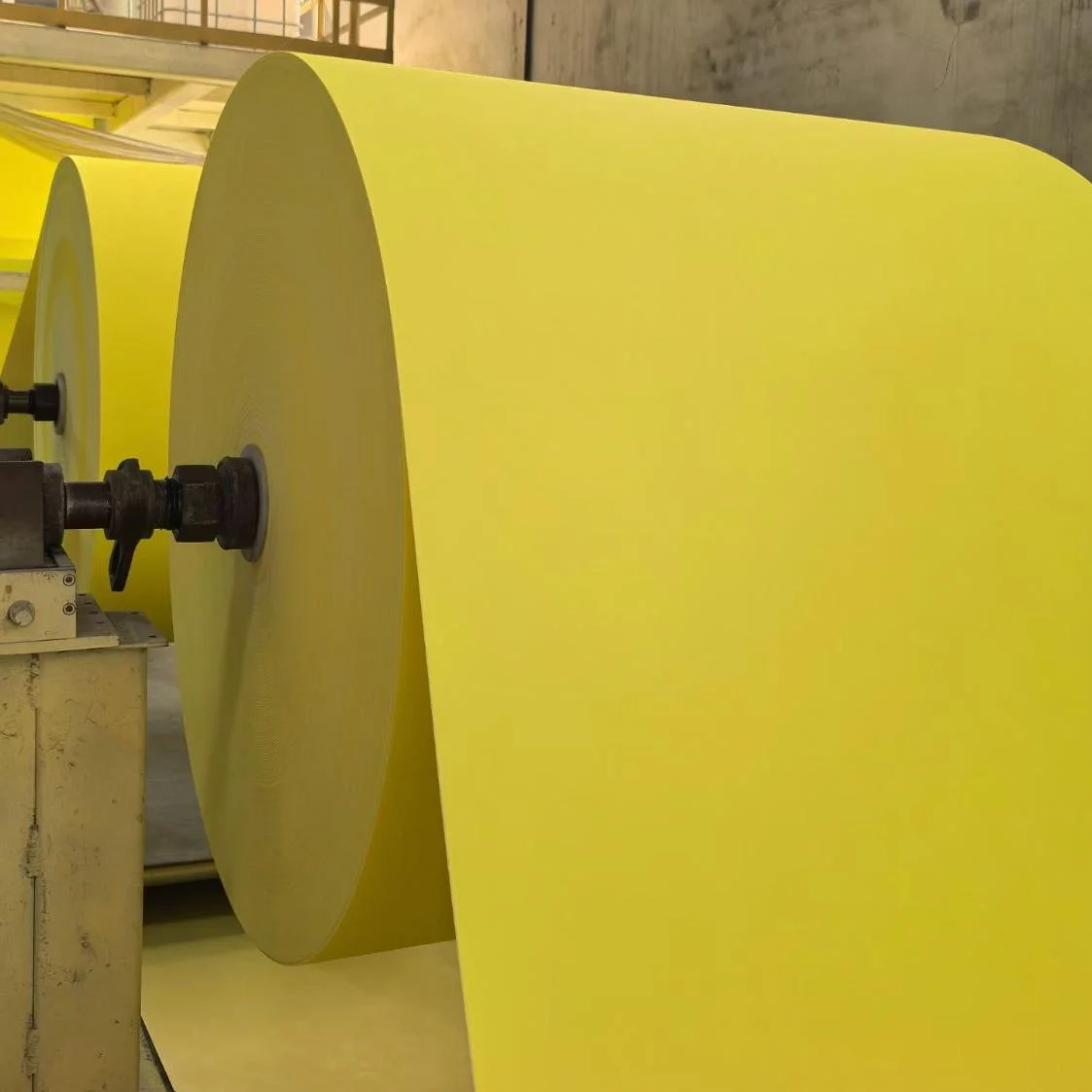
Paperless drywall offers improved durability, mold prevention, and fire resistance. Its inorganic surface does not absorb water or support biological growth, making it ideal for commercial spaces, kitchens, and high‑traffic zones.
TRUSUS material insight: durability now means system protection—from air, water, and use.
Key Advantage Table
| Property | Explanation | Practical Benefit |
|---|---|---|
| Moisture Proof | Fiberglass mat blocks liquid absorption | Prevents peeling and swelling |
| Mold Resistance | No organic food source for mold | Cleaner, healthier interiors |
| Fire Resistance | Reinforced gypsum core resists heat | Safer wall systems |
| Impact Strength | Fiber network inside core | Better performance under stress |
| Longevity | Stable under humidity cycles | Longer life cycle for walls |
Paperless systems allow walls to “breathe” without degrading, supporting both physical integrity and indoor health conditions over time.
What Is the Best Drywall to Use in a House?
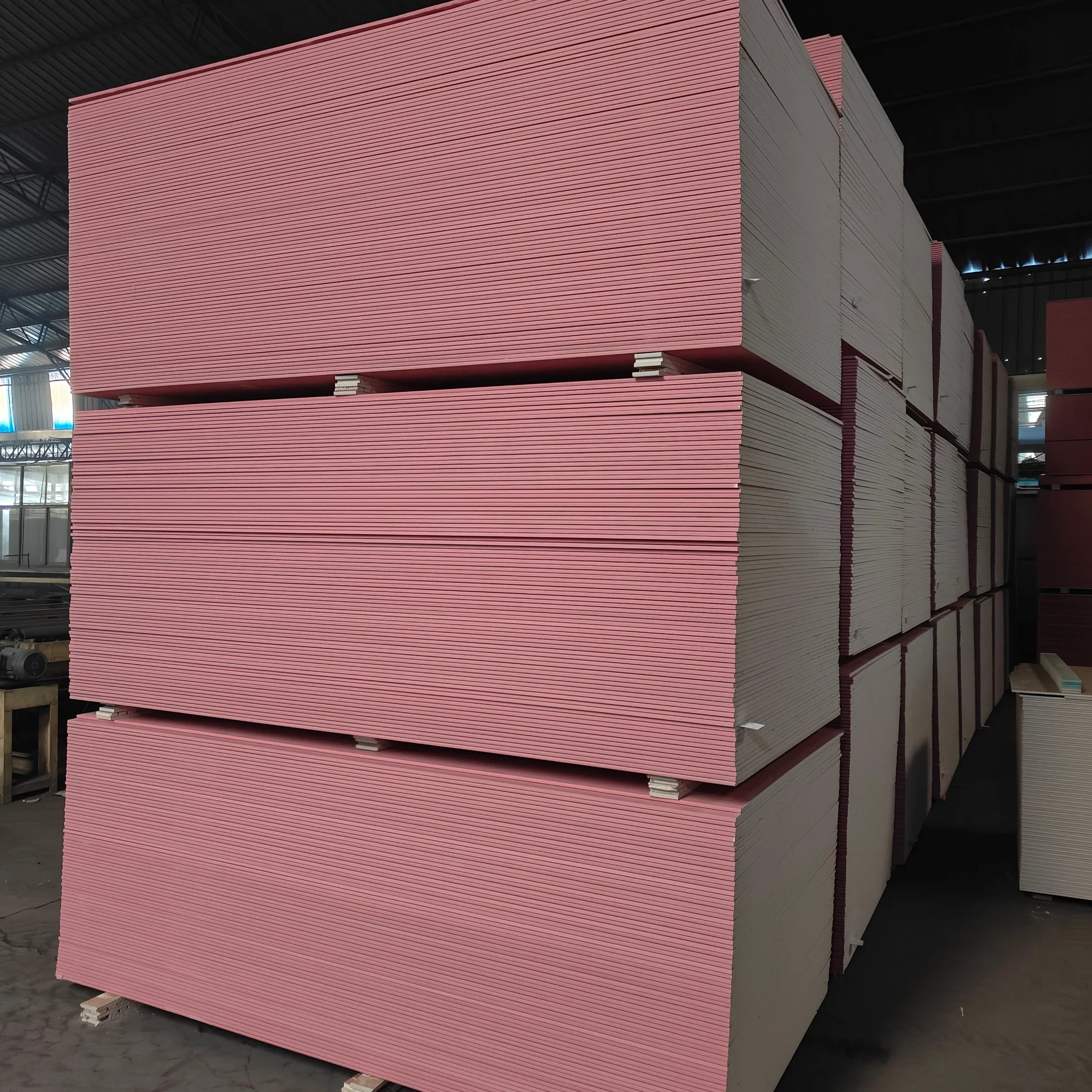
The best drywall depends on location and performance needs. Use standard boards for dry rooms, moisture‑resistant paperless panels for kitchens and bathrooms, and fire‑rated fiber gypsum panels for corridors or high‑temperature areas.
TRUSUS application insight: the right board belongs to the right wall—each one serves a different task.
Residential Drywall Selection
| Room Type | Recommended Drywall | Key Reason |
|---|---|---|
| Living room / bedroom | Regular gypsum board | Smooth finish, low cost |
| Kitchen / bathroom | Paperless moisture‑resistant board | Protection against steam and humidity |
| Garage / basement | Fiber reinforced gypsum | Strength under impact and low temperature |
| Stairwell / corridor | Fire‑rated gypsum board | Safety compliance |
| Study / playroom | Acoustic gypsum board | Sound control and comfort |
Balancing performance and cost means understanding gypsum as a family of products rather than a single layer of material.
Conclusion
At TRUSUS, I see drywall as more than a wall covering; it’s part of a living system. Fiber reinforcement and paperless technology transform gypsum from a passive surface into an active performance material—keeping homes clean, safe, and structurally resilient for years to come.