



A mineral fibre false ceiling is used to improve acoustic comfort, thermal insulation, and visual softness in interior spaces. It helps reduce echo, hide wiring, and create a balanced indoor climate.
TRUSUS design insight: every ceiling panel shapes how a room feels, not just how it looks.
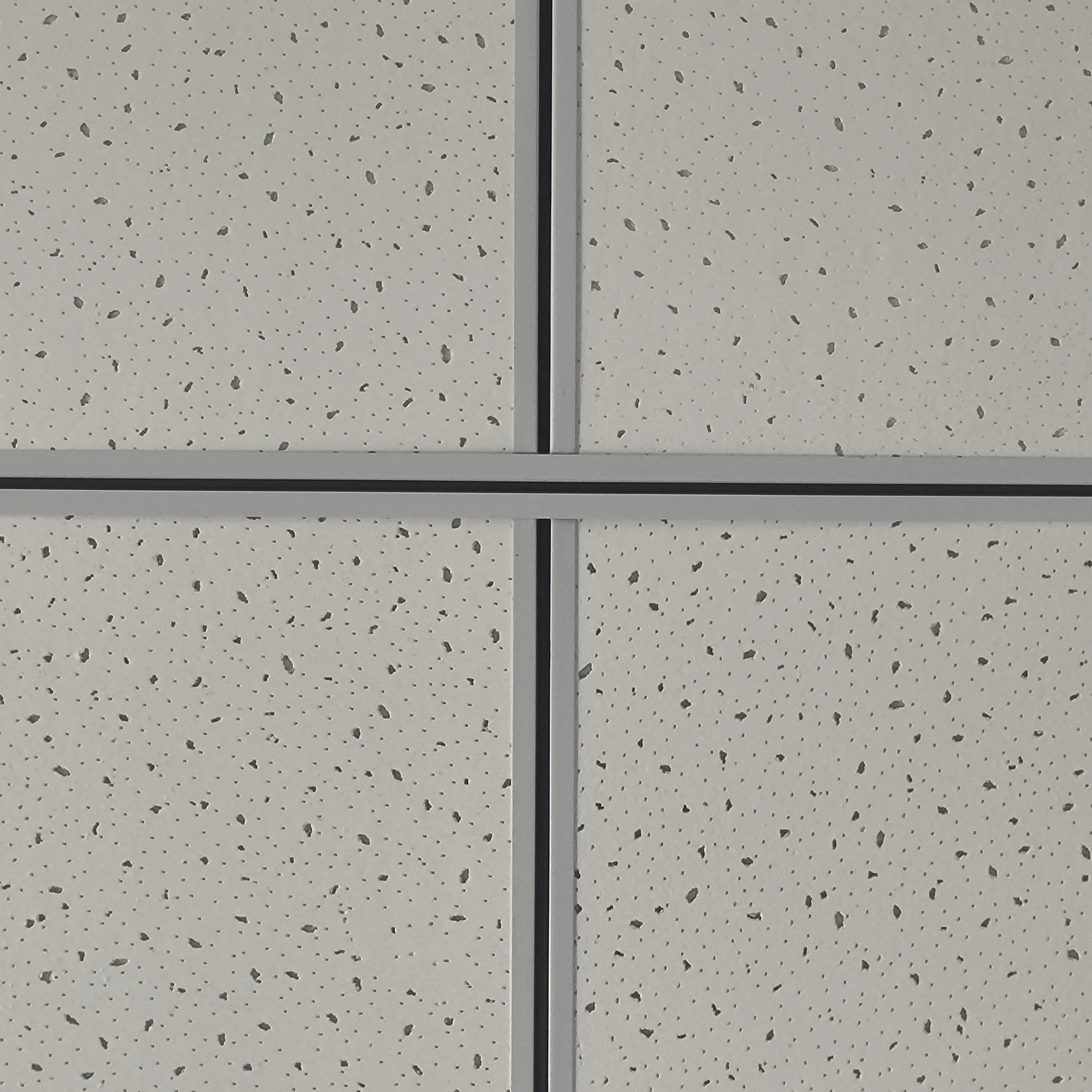
Mineral fibre tiles absorb sound and improve light distribution, making offices, classrooms, and commercial buildings quieter and more energy-efficient.
What Is the Difference Between Mineral Fiber and Fiberglass?
The key difference lies in composition and performance. Mineral fiber is made from natural stone and mineral wool compressed into boards, while fiberglass is made from spun glass fibers. Mineral fiber absorbs sound better, while fiberglass often resists moisture more effectively.
material insight: knowing the material is the first step toward designing the right space comfort.
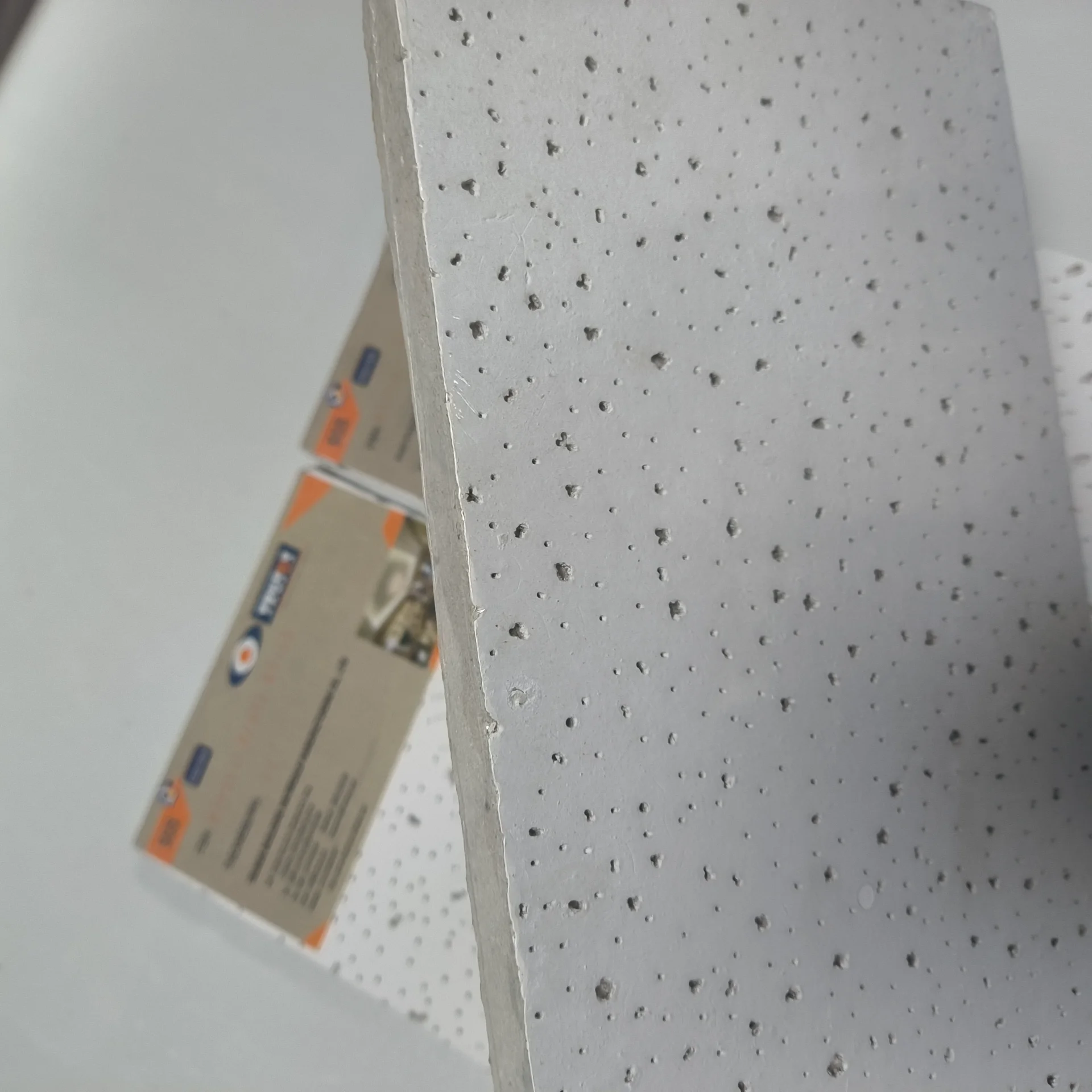
Material Difference Table
| Feature | Mineral Fiber | Fiberglass |
|---|---|---|
| Base Material | Natural mineral and recycled slag | Spun glass fibers |
| Sound Absorption | High (NRC 0.6–0.85) | Moderate–High (NRC 0.5–0.75) |
| Thermal Insulation | Strong | Moderate |
| Moisture Resistance | Good (not waterproof) | Better |
| Fire Resistance | Excellent | Excellent |
| Typical Use | Offices, schools, interior ceilings | Industrial, humid or specialized rooms |
Choosing between them depends on environment needs—quiet classrooms benefit from mineral fiber; damp facilities often choose fiberglass.
How to Cut Mineral Fiber Ceiling Tiles?
You can cut mineral fiber ceiling tiles using a sharp utility knife, straight edge, and firm work surface. Score deeply on the front side and snap cleanly to maintain edge integrity.
craftsmanship insight: every cut affects alignment—measure twice, press once, and let the tile breathe flat.

Cutting Steps Table
| Step | Tool | Action | Tip |
|---|---|---|---|
| 1 | Measuring tape | Mark exact dimensions on tile | Avoid overcutting |
| 2 | Straight edge | Place guide line along mark | Helps create clean edges |
| 3 | Utility knife | Score multiple times on top surface | Don’t cut all the way through |
| 4 | Snap downward | Break along score line | Keep surface facing up |
| 5 | Smooth edge | Use sandpaper if needed | Remove burrs before fitting |
Cutting slowly avoids dust emission and preserves dimensional accuracy for better fit and appearance.
Are Mineral Fiber Ceiling Tiles Waterproof?
No, mineral fiber ceiling tiles are not fully waterproof. They resist humidity but cannot withstand continuous water exposure or direct leaks.
durability insight: moisture control is preparation, not protection.
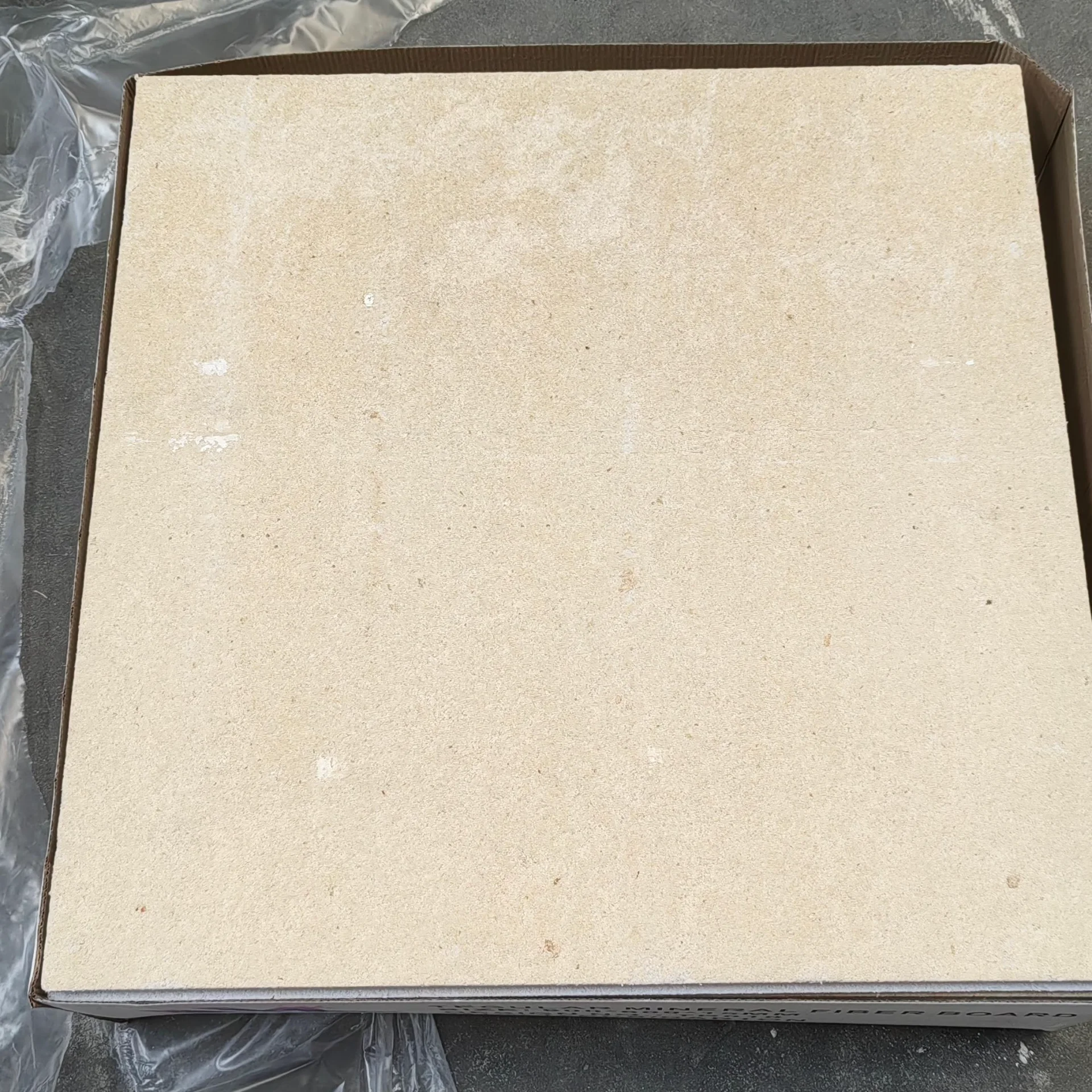
Moisture Behavior Table
| Condition | Material Response | Recommendation |
|---|---|---|
| Normal Humidity (<70%) | Stable and flat | Safe for offices, classrooms |
| High Humidity (70–90%) | Slight dimensional change | Use moisture-resistant grade |
| Continuous Water Contact | Surface disintegration | Avoid direct water areas |
| Wet Areas (showers, kitchens) | Not recommended | Use PVC or fiberglass panels |
Installing tiles under proper ventilation and humidity control extends their life and acoustic performance.
Conclusion
Mineral fiber ceilings offer quiet comfort, soft lighting, and stable environments. At TRUSUS, I’ve learned each ceiling panel is more than material—it’s an invisible promise of calm, clarity, and structure in modern spaces.