



To make drywall look seamless, use joint tape, joint compound, proper layering, and sanding to blend seams into one continuous surface. The goal is to make edges invisible after painting.
TRUSUS surface insight: seamless walls aren’t created by hiding mistakes—they’re built by respecting every layer of connection.
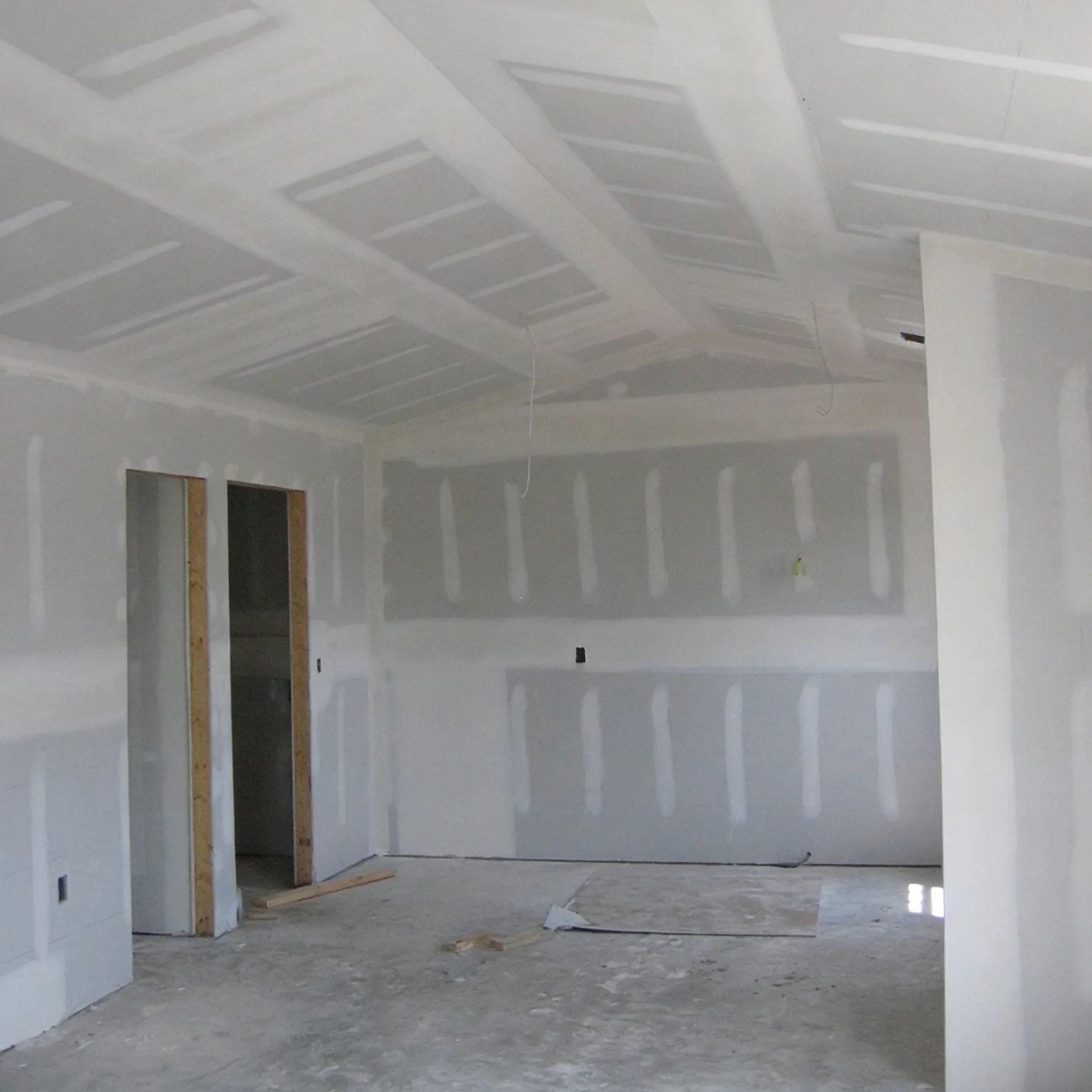
Smoothness begins with good tape adhesion, flat mud layers, and gentle sanding between coats.
How to Use Corner Tape for Gypsum Board?
Corner tape, whether paper or metal-reinforced, is applied along inside or outside drywall corners to create clean, durable lines. Apply a coat of joint compound first, press in the tape, then smooth from center outward.
corner insight: corners are the soul of smoothness—precision here defines every wall beyond.
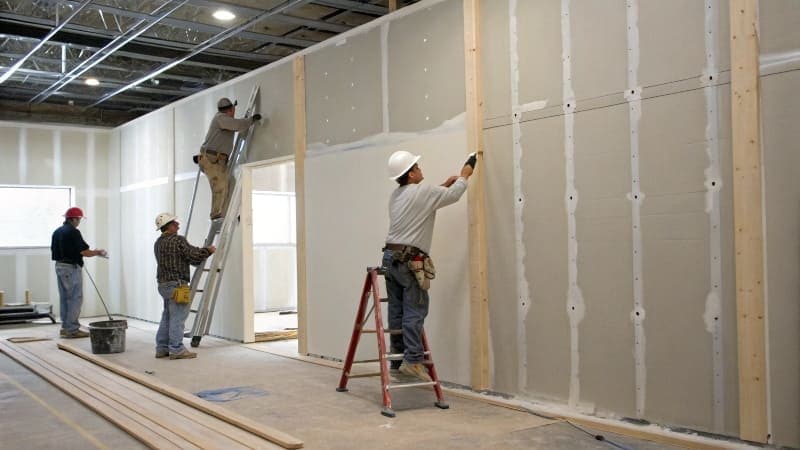
Corner Tape Application Table
| Step | Action | Purpose |
|---|---|---|
| 1 | Apply joint compound along corner | Create adhesive bed |
| 2 | Fold tape lengthwise | Fit firmly into corner angle |
| 3 | Press into compound with knife | Remove air bubbles |
| 4 | Apply topcoat | Cover tape edges evenly |
| 5 | Lightly sand after drying | Achieve smooth corner line |
Corners must dry fully between coats to avoid cracking or wrinkling. Patience equals precision.
How to Make Smooth Corners on Plasterboard?
To make smooth corners, use reinforced corner bead or paper tape, then layer joint compound on both sides. After drying, sand lightly and apply finishing compound to produce a continuous transition.
craft insight: smooth edges are not drawn—they’re built layer by layer with calm hands.
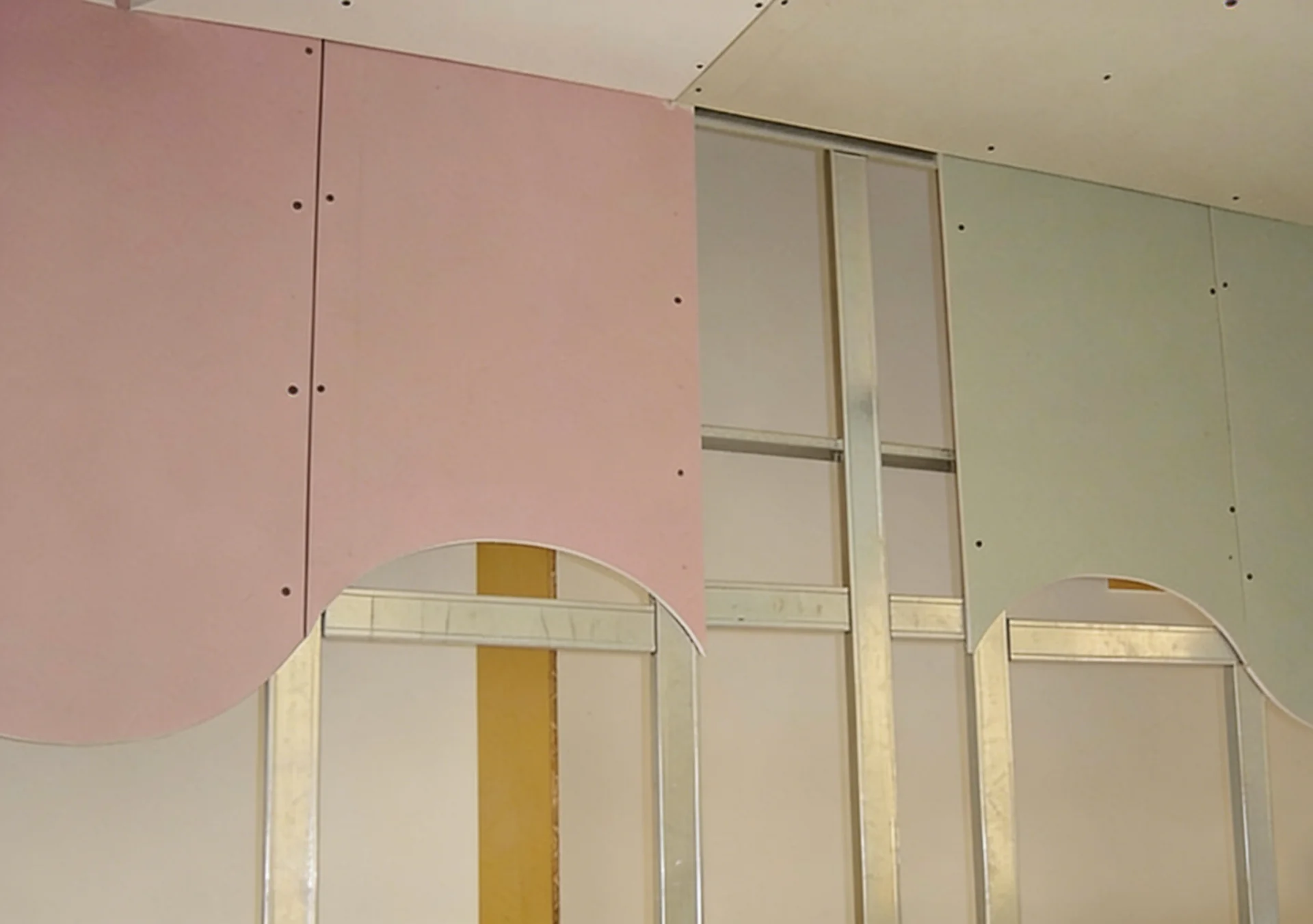
Smooth Corner Techniques
| Material | Use Case | Technique | Result |
|---|---|---|---|
| Metal corner bead | Outer corners | Nail or screw to edge, cover with compound | Sharp, durable angle |
| Paper tape | Inner corners | Press into joint while applying mud | Smooth, flexible seam |
| Plastic bead | Moist areas | Adhesive or screws, easy to clean | Moisture-resistant finish |
Avoid over-mudding. Two thin coats are always better than one thick coat for stability and smooth sanding later.
What Is the Best Technique for Taping Drywall Corners?
The best technique for taping drywall corners is the three-step layer method: embed tape in fresh joint compound, apply a secondary leveling coat, then finish with a thin topcoat. Each layer must dry completely before sanding the next.
finishing insight: perfection hides in consistency—each coat tells how long a wall will remain flawless.
Three-Step Taping Table
| Step | Description | Dry Time | Key Tip |
|---|---|---|---|
| 1st Coat | Embed tape, remove excess mud | 12–24 hrs | Press out all bubbles |
| 2nd Coat | Wider layer to feather edges | 12 hrs | Keep even knife angle |
| 3rd Coat | Thin finishing layer | 12 hrs | Avoid overworking surface |
| Final | Sand and prime before paint | — | Use fine-grit sandpaper (150–220) |
Consistent lighting during sanding helps detect uneven areas before priming.
Conclusion
Seamless walls are not a trick of paint—they are an outcome of structure, tape, and touch. At TRUSUS, I believe that a perfect wall is the quietest form of craft: one that disappears into space and leaves only harmony behind.