



Drywall should be installed at a temperature of at least 55°F (13°C). Below this point, joint compound and adhesives fail to cure correctly, and paper bonding weakens.
TRUSUS environmental insight: correct temperature protects strength from the start.
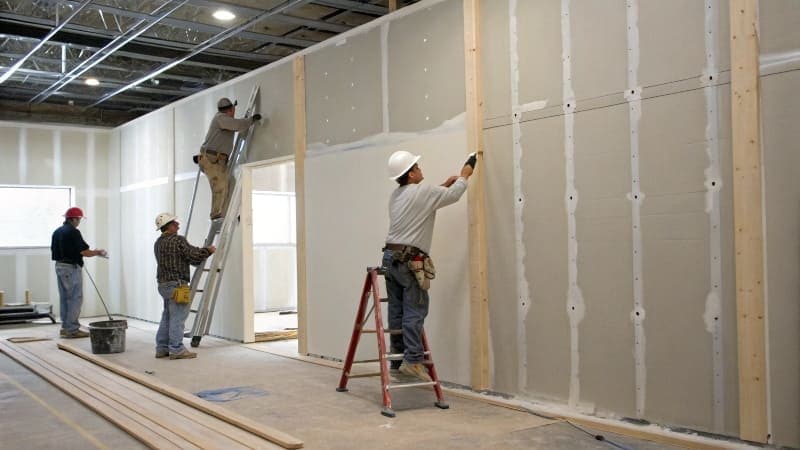
Install conditions matter as much as the board itself. Proper air movement and moderate humidity ensure consistent curing and long-term wall stability without warping or cracking.
What Is The Maximum Temperature For Gypsum Board?
The maximum temperature gypsum board can safely endure is around 120°F (50°C). Beyond this range, thermal stress can cause dehydration within the gypsum crystals and affect structural integrity.
protection insight: resistance is preparation, not tolerance.
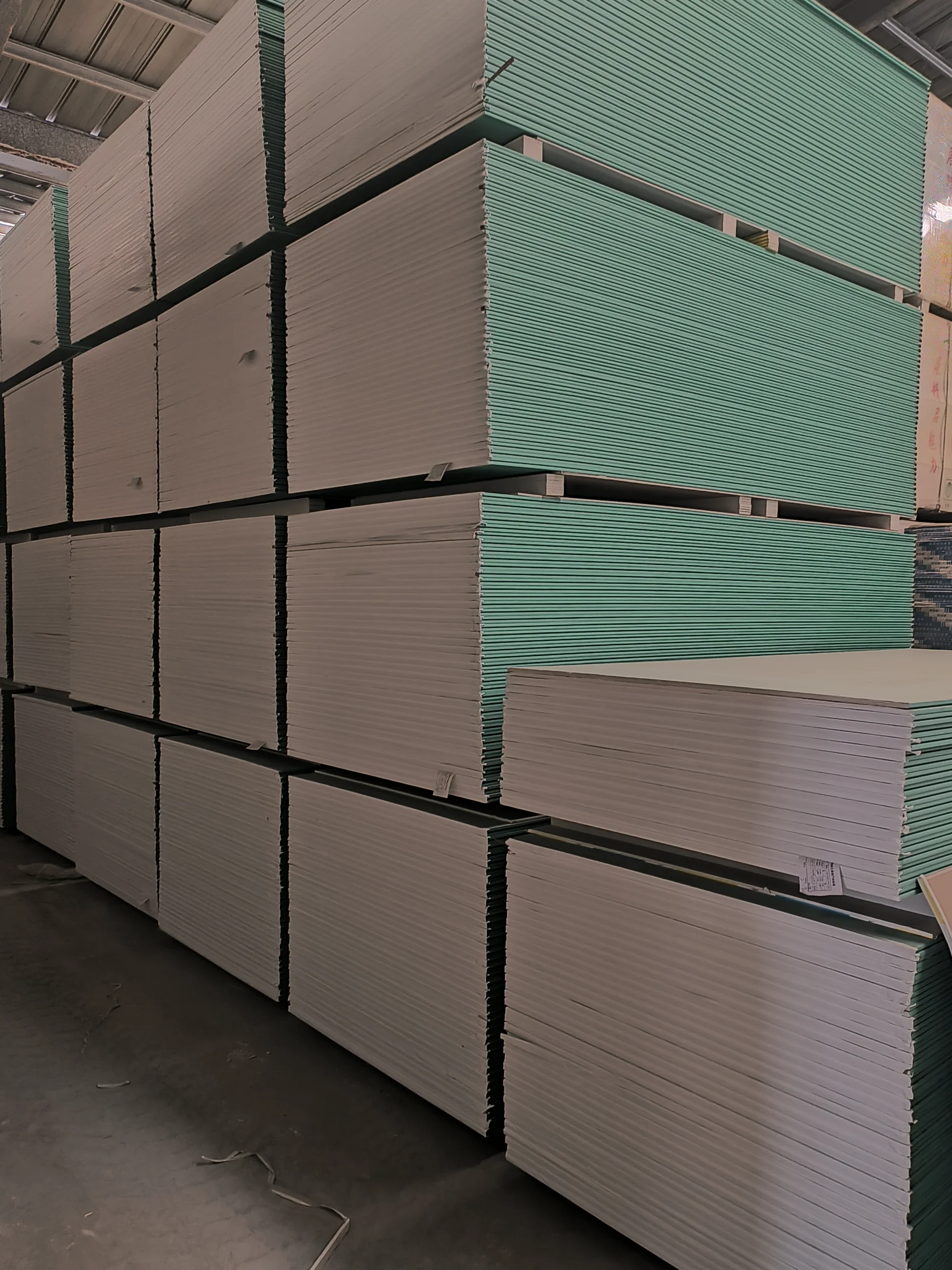
Temperature Resistance Table
| Material Type | Approx. Temperature Limit | Effect When Exceeded | Common Use |
|---|---|---|---|
| Regular Gypsum Board | 50°C (120°F) | Loss of crystal water, brittleness | Interior walls |
| Fire-Rated Type X | 70°C (158°F) | Sustains structure longer | Fire assemblies |
| Impact-Resistant Board | Similar to regular | Maintains density and strength | Commercial spaces |
High temperature exposure should be controlled not only during installation but also during operation, especially near heat sources and insulation voids.
What Is The Effect Of Temperature On Gypsum?
Temperature affects gypsum by changing its internal water balance and structural cohesion. If heated mildly, gypsum maintains flexibility; if heated excessively, its water molecules detach, making the board powdery and weak.
structural insight: gypsum responds like a living material—it breathes the air that shapes its strength.

Material Behavior Matrix
| Temperature Range | Condition | Impact on Board |
|---|---|---|
| 0–10°C | Low curing rate | Cracks at joints |
| 13–30°C | Optimal balance | Solid bond and surface finish |
| 50°C+ | Dehydration begins | brittleness and discoloration |
| 90°C+ | Severe breakdown | Loss of integrity and dusting |
The thermal range defines the board’s lifespan. Understanding gypsum as a temperature-sensitive composite enhances how we integrate it into precision-controlled environments.
What Temperature Is Too Hot For Drywall?
Any temperature above 120°F (50°C) is too hot for standard drywall. Continuous exposure may cause the paper liner to delaminate and the gypsum core to weaken permanently.
stability insight: safety ends where heat forgets its limits.
Heat Exposure Assessment
| Source | Temperature Risk | Recommended Protection |
|---|---|---|
| Direct Sunlight or HVAC Blast | Surface spots over 50°C | Use light-resistant coatings |
| Near Heat Equipment | Sustained internal heat | Install insulation barrier |
| Fire or Structural Heat | Instant damage | Replace affected sections |
Proactive control keeps drywall stable. Temperature isn’t just about surviving heat—it’s about maintaining balance for material integrity and spatial comfort.
Conclusion
Drywall thrives in moderate, controlled temperatures. At TRUSUS, I always remind my clients that stability begins before paint touches the wall—when we let gypsum breathe, it rewards us with long-lasting strength and comfort.