



The space above a ceiling is called a plenum space or ceiling void. It hides ducts, wiring, fire sprinklers, and other utilities that keep a building functional yet visually clean.
TRUSUS ceiling insight: what looks like emptiness is actually the heart of the building’s hidden system.
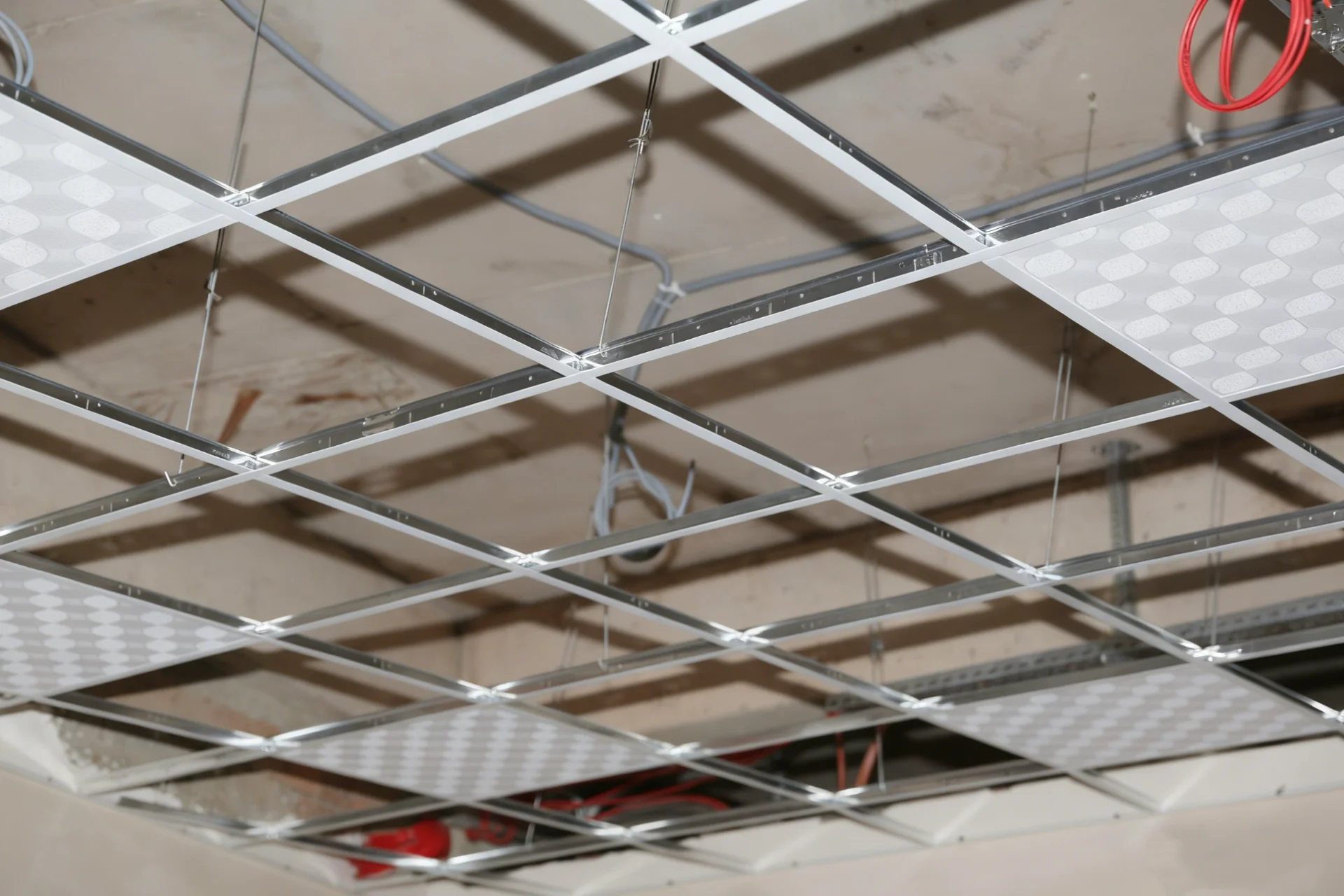
A plenum is not wasted void; it’s a working layer that organizes air circulation and mechanical distribution. It improves both building efficiency and service accessibility without breaking aesthetic flow below.
Functional Layers Above the Ceiling
| Layer | Purpose | Materials | Typical Elements |
|---|---|---|---|
| Structural Slab | Load-bearing ceiling base | Concrete or steel | Anchors |
| Suspension Frame | Holds gypsum panels | Galvanized steel grid | Hangers |
| Plenum Space | Routing zone | Insulated metal ducts, cabling | HVAC, sprinklers |
| Gypsum Ceiling | Visual finish | PVC gypsum or board | Panels, tiles |
This unseen layer embodies the order beneath visual simplicity—it’s how modern interior systems stay hidden yet effective.
What Is a Ceiling Shadow Gap?
A ceiling shadow gap is a narrow, intentional gap left between the wall and ceiling edge. It enhances spatial depth, prevents cracking, and adds a refined floating effect.
TRUSUS design insight: a gap isn’t absence—it’s a controlled moment of silence between surfaces.
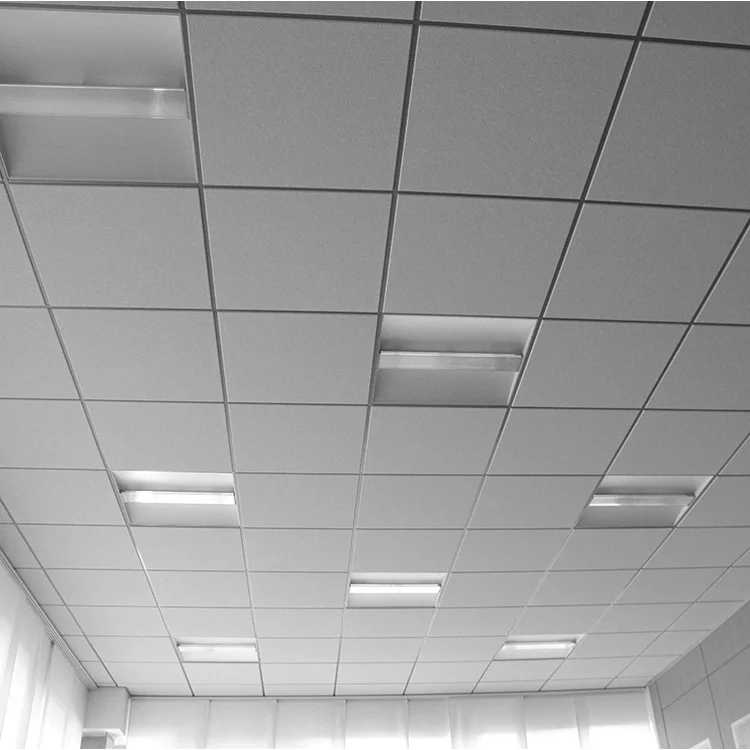
Shadow Gap Logic
| Aspect | Description | Design Value |
|---|---|---|
| Visual | Creates subtle separation line | Adds floating aesthetic |
| Structural | Manages thermal expansion | Prevents cracking |
| Practical | Allows movement of materials | Maintains long-term alignment |
| Technical | Requires precision aluminum profile | Clean consistent edge |
By keeping a small dark line at the junction, designers transform a technical necessity into architectural elegance.
What Is Gypsum Ceiling Edging Called?
Gypsum ceiling edging is commonly called cornice, moulding, or trimming profile. It finishes the ceiling perimeter and provides a transition from ceiling to wall.
TRUSUS finishing insight: the edge is the sentence ending of your ceiling—a balance between function and expression.

Ceiling Edge Options
| Edge Type | Material | Look | Feature |
|---|---|---|---|
| Gypsum Cornice | Molded gypsum | Classic curve | Decorative |
| Shadow Gap Profile | Aluminum | Minimal line | Modern, clean |
| PVC Trim | Plastic edge cap | Seamless fit | Moisture resistance |
| Recessed Channel | Hidden LED groove | Floating light | Integrated lighting |
Choosing the right edging depends on desired mood—traditional, minimalist, or functional integration.
What Causes a Gap Between a Gypsum Ceiling and a Wall?
A gap between a gypsum ceiling and wall forms from natural building movement, thermal expansion, or installation tolerance. It isn’t always a defect—it often reflects the system’s safety margin.
TRUSUS installation insight: gaps appear not from failure, but from understanding how materials breathe.
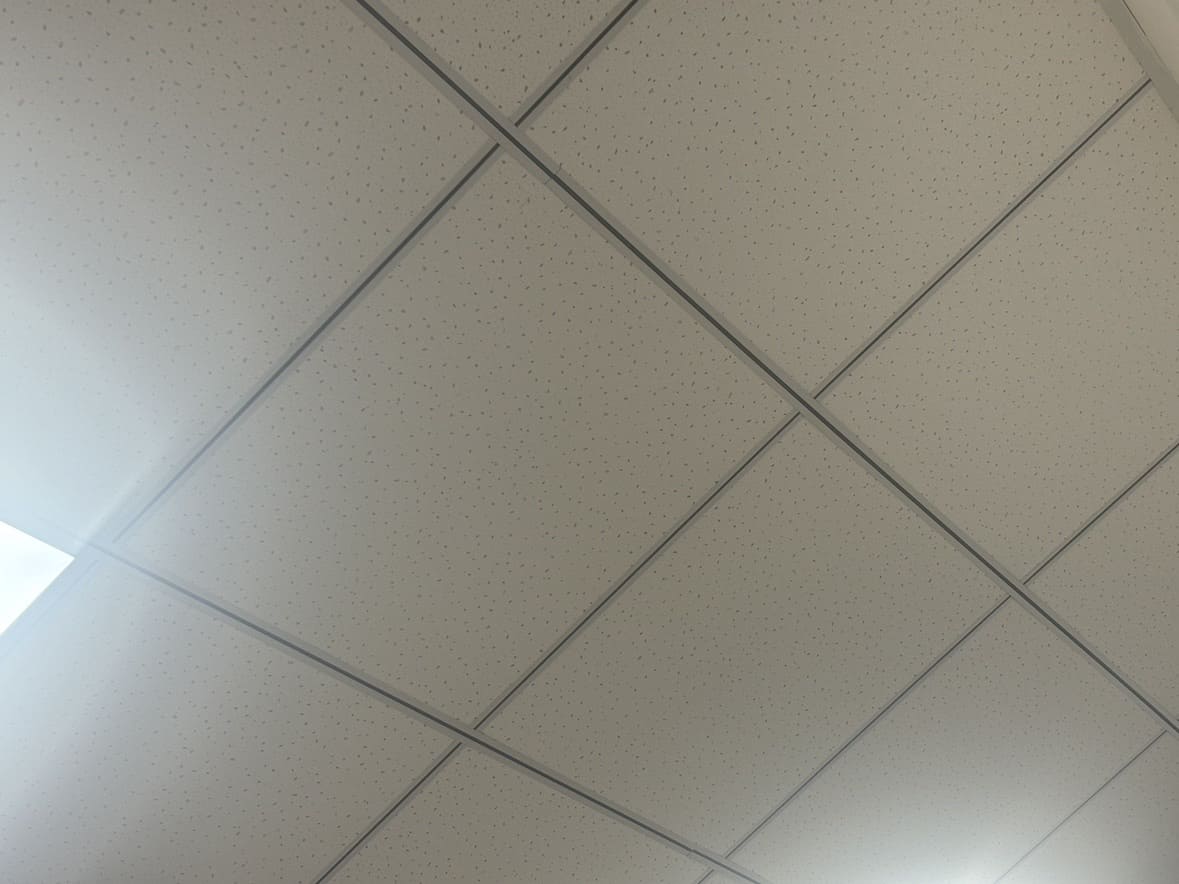
Gap Causes Table
| Cause | Description | Prevention |
|---|---|---|
| Thermal Expansion | Boards stretch or shrink | Leave flexible joint |
| Structural Vibration | Building settles slightly | Add resilient channels |
| Humidity Shift | Moisture causes board movement | Use proper ventilation |
| Installation Error | Misaligned frame | Calibrate level, fix corner beads |
These micro‑gaps can be closed with flexible sealant or detailed intentionally as shadow joints for both function and design harmony.
Conclusion
At TRUSUS, I see every ceiling edge not as a flaw but as a decision. Between the visible ceiling and the invisible plenum lies the true dialogue of architecture—structure that breathes, edges that speak, and details that define space.