



Corner beads protect and reinforce drywall corners, creating straight, durable edges that resist damage. They combine strength with precision, turning fragile corners into defined architectural lines.
TRUSUS design insight: durability and aesthetics meet where two walls intersect.
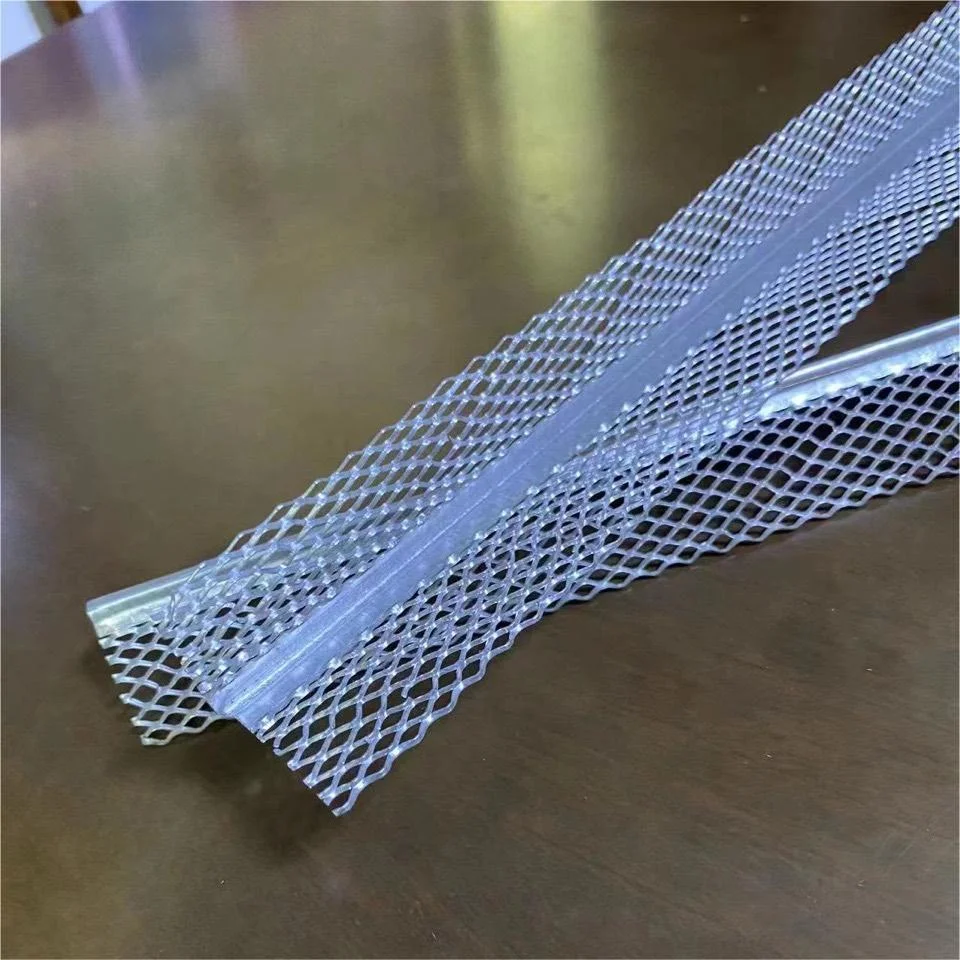
A corner bead prevents dents and cracks by distributing stress along the edge. It also acts as a guide for joint compound, helping finishers achieve clean, sharp transitions between surfaces. In short, it transforms a weak point into a visual anchor in the wall system.
How Do You Fix Corner Beads on Plasterboard?
Corner beads can be fixed with nails, screws, adhesives, or joint compound embedding. The chosen method depends on bead material—metal, PVC, or paper‑faced—and wall conditions.
TRUSUS installation insight: precision at the corner defines the whole wall’s integrity.
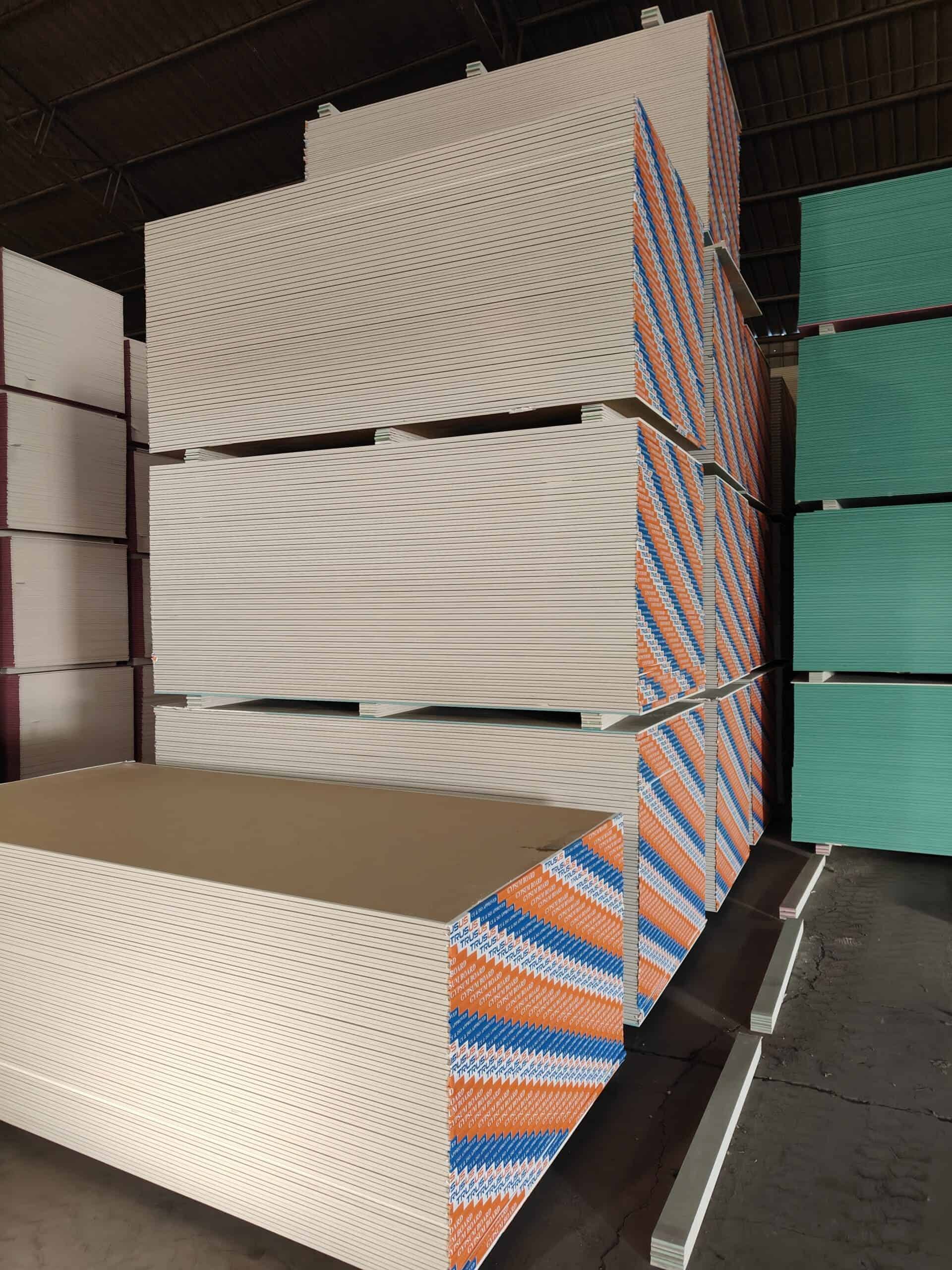
Corner Bead Fixing Options
| Bead Type | Fixing Method | Recommended Compound | Key Feature |
|---|---|---|---|
| Metal bead | Nail or screw | Setting‑type compound | Highest impact resistance |
| PVC bead | Adhesive or staple | Lightweight joint filler | Moisture‑proof and flexible |
| Paper‑faced bead | Compound embedding | Joint compound | Smoothest finishing result |
A common mistake I often see is over‑driving screws into thin metal beads. It warps the line. Precision in this small step secures the corner’s strength and clarity.
What Are Drywall Corner Beads Used For?
Drywall corner beads guide finishing, ensure crisp edges, and protect corners from impact. They serve both structural and visual purposes within a complete wall system.
TRUSUS construction insight: every corner bead hides the craftsmanship behind smooth interiors.
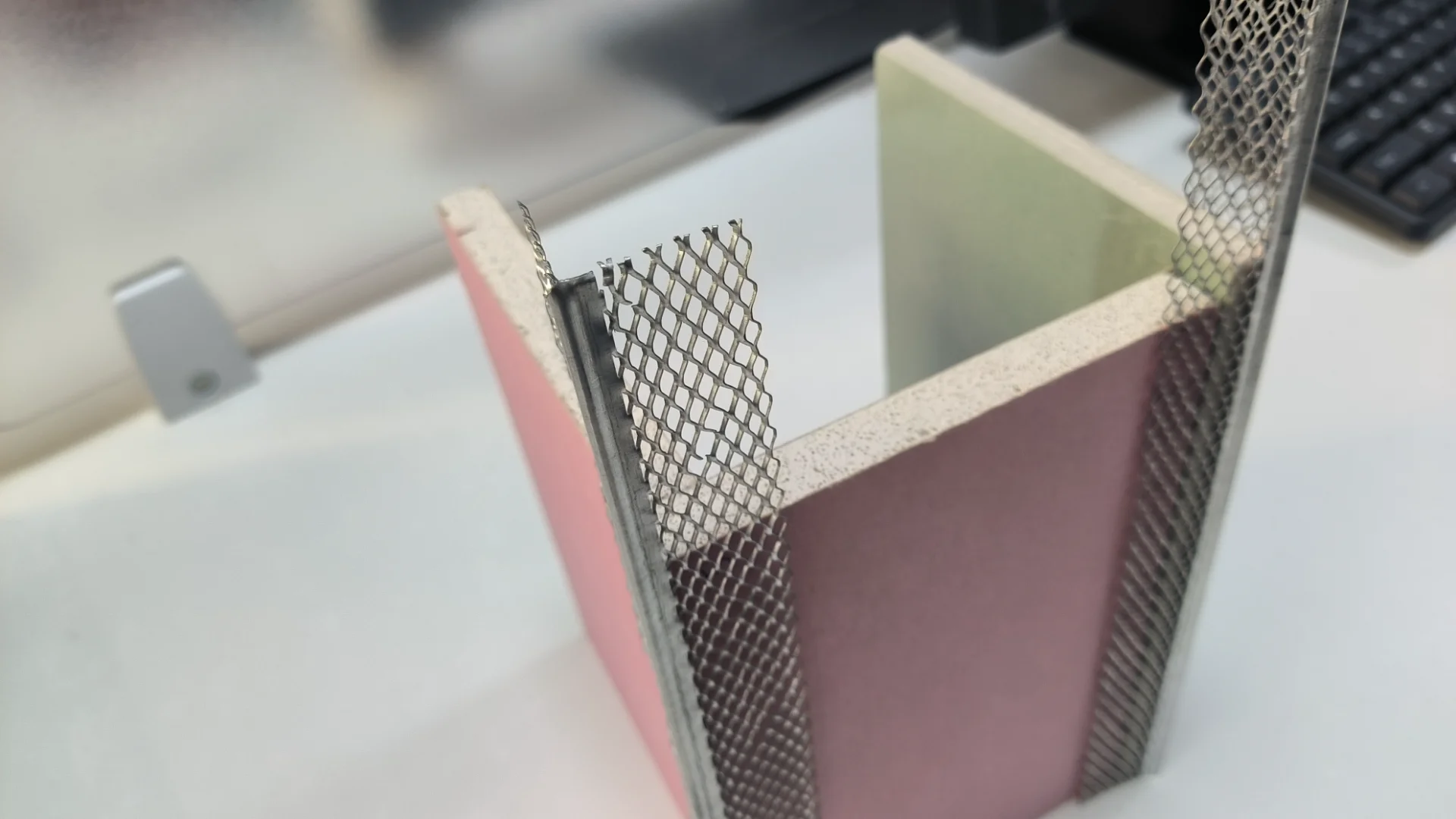
Functional Breakdown of Corner Beads
| Function | Description | Result |
|---|---|---|
| Edge protection | Reinforces wall corners against impact | Longer wall lifespan |
| Forming accuracy | Keeps edges straight during finishing | Uniform visual line |
| Joint reinforcement | Bonds compound evenly | Reduced cracking |
| Surface integration | Supports plaster or paint finish | Seamless surface |
When I walk through a completed building, I can instantly judge workmanship by the straightness of its corners. A true professional never hides poor edge work—it defines the whole wall.
How to Fix a Drywall Corner Bead?
To install a drywall corner bead, measure and cut it to height, align it precisely, and secure it evenly. Apply compound over edges, feather out smoothly, then sand after drying for crisp results.
TRUSUS finishing insight: fixing the bead is half technique, half patience.
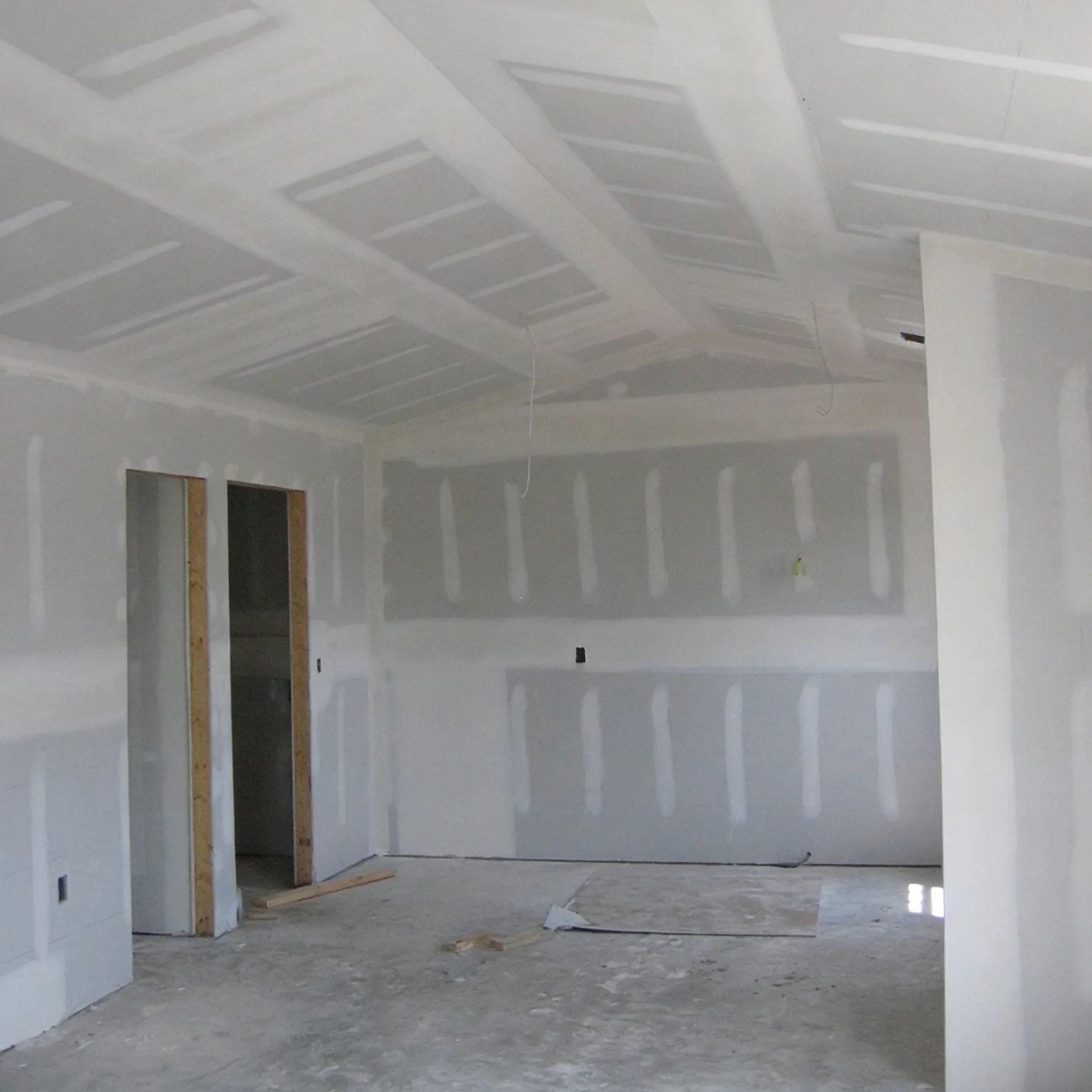
Step‑by‑Step Corner Bead Installation
| Step | Action | Purpose | Tip |
|---|---|---|---|
| 1 | Measure and cut bead | Ensure correct fit | Leave 3 mm gap at base |
| 2 | Align vertically | Maintain true edge | Use a level or laser |
| 3 | Attach bead | Secure with fixings | Avoid over‑tightening |
| 4 | Apply compound | Cover edges evenly | Use two coats minimum |
| 5 | Sand and inspect | Smooth transitions | Finish with fine grit |
In one project, an accurate bead line turned a simple corridor into a gallery‑grade finish. That detail proved how precision at corners shapes a room’s visual order.
Conclusion
At TRUSUS, I believe corner beads are more than accessories. They define the line where material strength meets design discipline—the point where structure becomes beauty.