



Ceiling drywall thickness alone doesn’t define safety. True resistance to sagging comes from the system—framing, spacing, fastening, and humidity control working together.
TRUSUS construction insight: strength starts with cooperation, not just thickness.
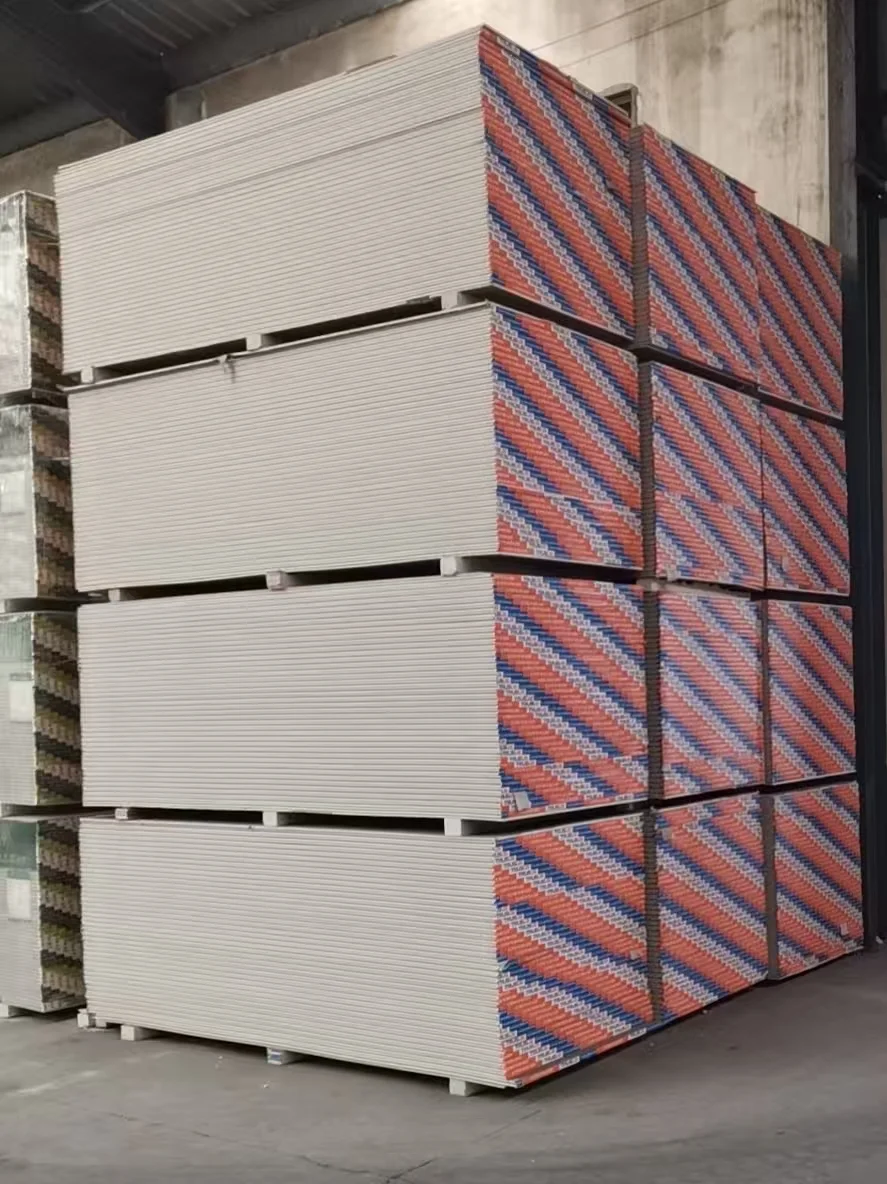
Standard ceilings often use 1/2‑inch (12 mm) drywall for stability. If joist spacing exceeds 16 inches (400 mm), thicker 5/8‑inch (15 mm) board is ideal. Yet, sagging depends more on proper framing and fastener spacing than on thickness alone.
How To Tell When a Drywall Ceiling Is Going To Collapse?
Early warning signs appear as cracks, screw pops, bowing, or soft sections. Persistent moisture or visible joint separation also signal structural stress.
TRUSUS safety insight: a ceiling never collapses suddenly—it always whispers first.
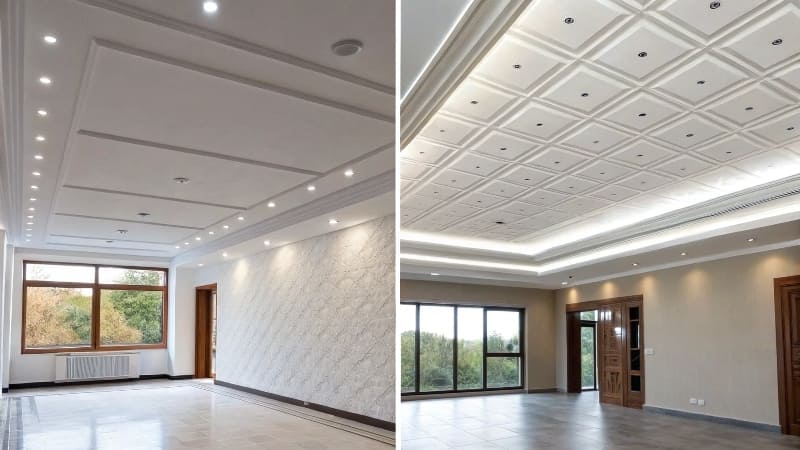
Ceiling Risk Indicators Table
| Symptom | Probable Cause | Risk Level | Recommended Action |
|---|---|---|---|
| Visible sagging between joists | Excess spacing or weight above | High | Reinforce structure immediately |
| Fine cracks spreading from joints | Movement or humidity | Medium | Control environment, inspect fasteners |
| Screw pops or bulging zones | Frame vibration | Medium | Retighten, add support clips |
| Discoloration or soft touch | Moisture absorption | Critical | Dry area, replace weakened panels |
I once inspected a job site where a newly painted ceiling began sagging. The cause wasn’t poor drywall—it was missing suspension hangers. That experience made me realize: failure hides in details.
Should Ceiling Drywall Be Glued?
Yes, adhesive application helps distribute weight and reduces stress on screws. Combined with mechanical fastening, it forms a flexible bond that breathes under humidity changes.
TRUSUS assembly insight: glue is not decoration—it’s part of the structure’s dialogue.
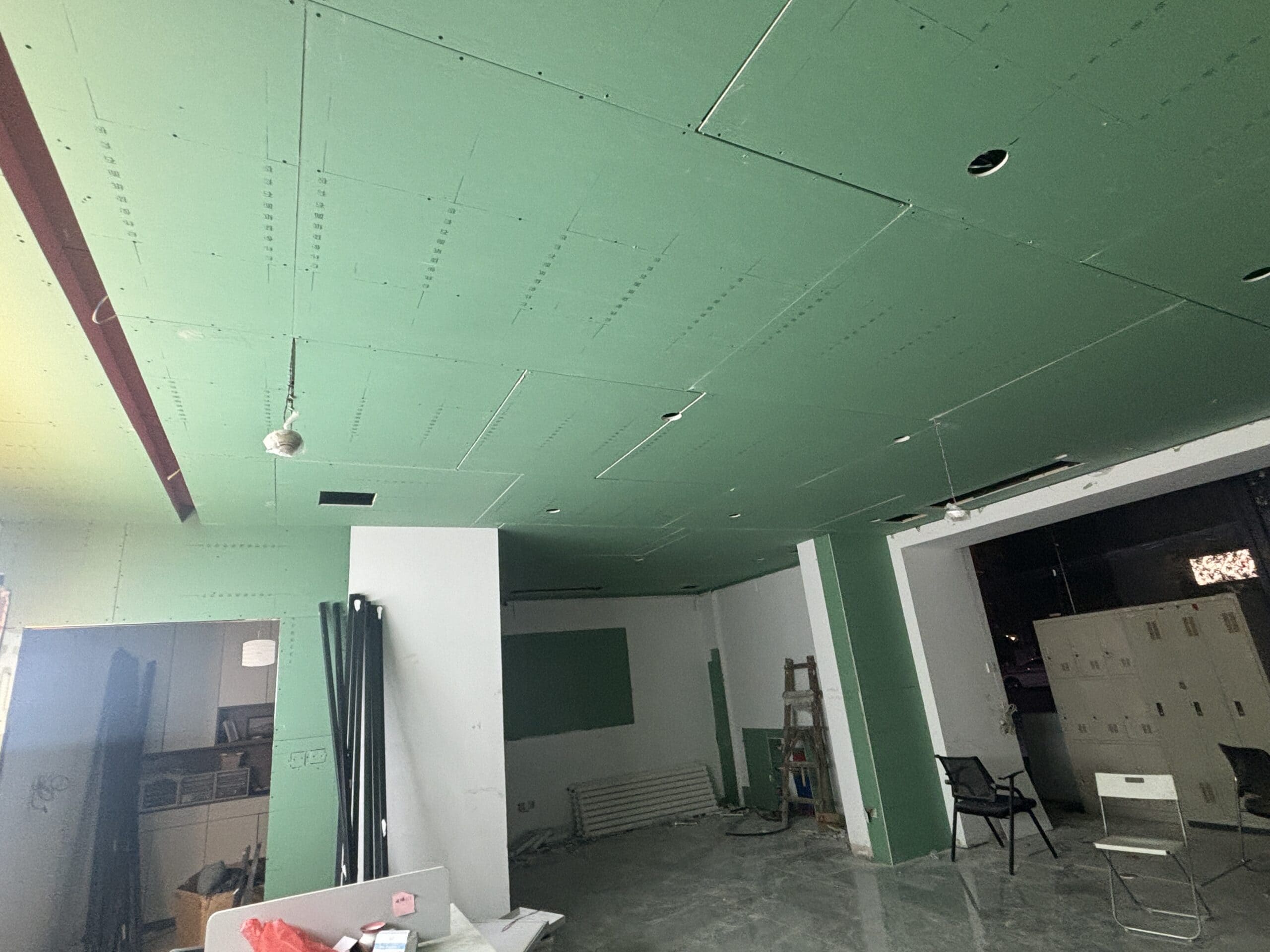
Dual‑Bond Connection Logic
| Layer | Function | Structural Benefit | Note |
|---|---|---|---|
| Adhesive bond | Flexible connection | Balances localized stress | Use along joists |
| Screw fixing | Mechanical anchor | Prevents vibration loosening | Follow recommended spacing |
| Board surface | Structural skin | Holds plane integrity | Avoid over‑tightening |
| Framing channel | Load foundation | Distributes uniform support | Maintain straight alignment |
During one renovation, I used both adhesive and screws on a ceiling project. The finish stayed flat for years, even under thermal changes. Teamwork between glue and screw protected the line of trust overhead.
Why Is My Drywall Bowing Out?
Bowing drywall usually means uneven framing, moisture exposure, or excessive joint compound buildup. Sometimes, lack of adhesive creates tension imbalance, making panels curve over time.
TRUSUS diagnostic insight: when a wall bends, it’s telling you the system lost balance.
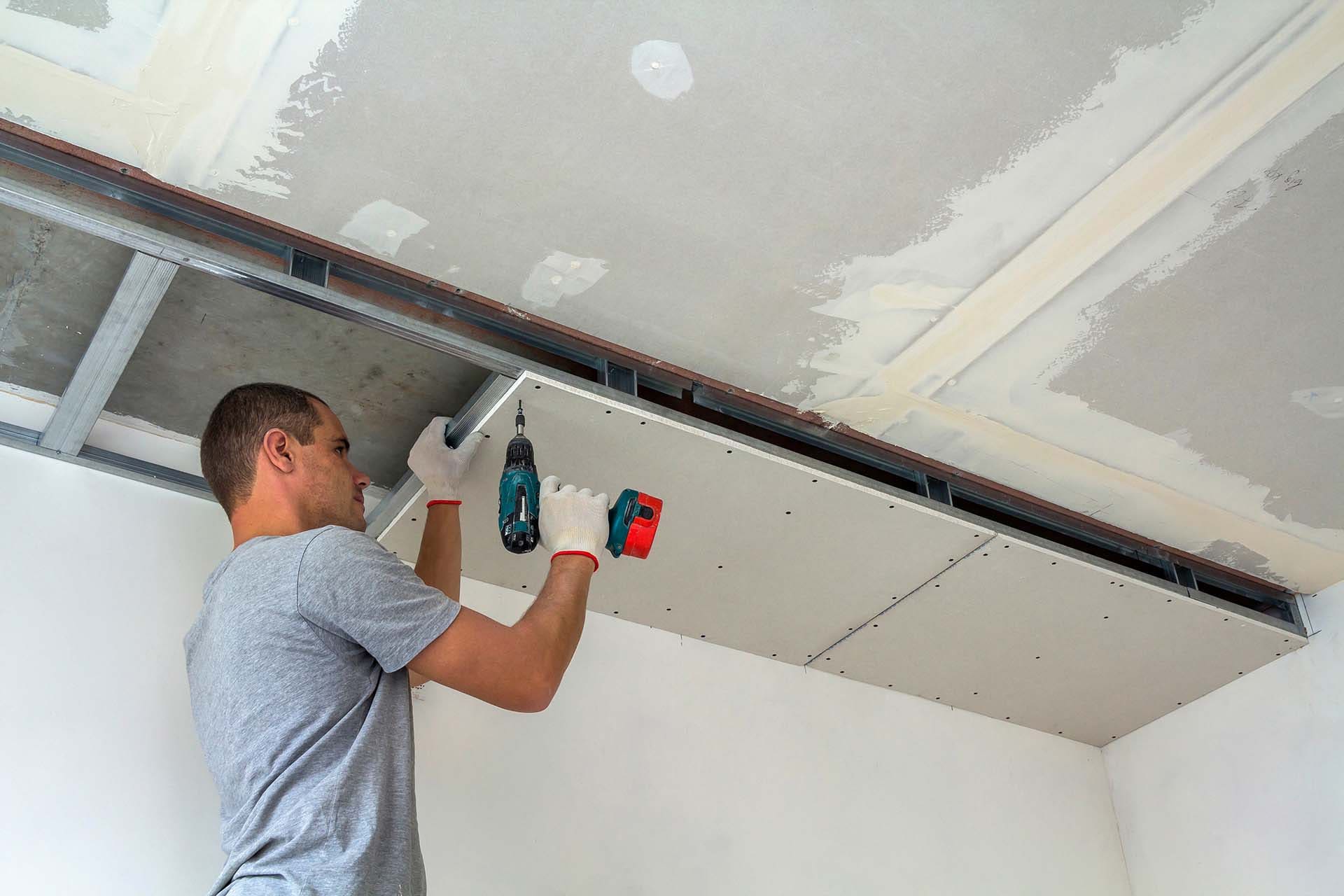
Bowing Troubleshooting Guide
| Cause | Common Scenario | Prevention Strategy | Solution |
|---|---|---|---|
| Humidity or water leak | Bathrooms, attics | Ventilate and seal joints | Replace damaged sections |
| Loose framing or missing screws | Over‑spaced supports | Ensure 12‑in (300 mm) spacing for ceilings | Add anchors |
| Excess compound thickness | Poor finishing process | Apply thin layers | Sand and refinish smoothly |
| Uneven adhesive or none | Missed bond points | Use consistent adhesive line | Refasten with compound along framing |
I’ve seen clients shocked at warped ceilings after heavy rains, blaming “bad drywall.” But the truth was poor sealing in the roof—proof that system weakness always finds a way to show.
Conclusion
At TRUSUS, I believe ceiling safety isn’t determined by a single board. It is shaped by structure, cooperation, and the discipline to respect every unseen connection above your head.