



Plasterboard can be recycled because its core material, gypsum (calcium sulfate dihydrate), can be separated, cleaned, and reused in new board production. When processed, gypsum regains the same chemical structure and quality, making it endlessly recyclable.
TRUSUS sustainability insight: gypsum never truly dies—it only changes form to serve again.
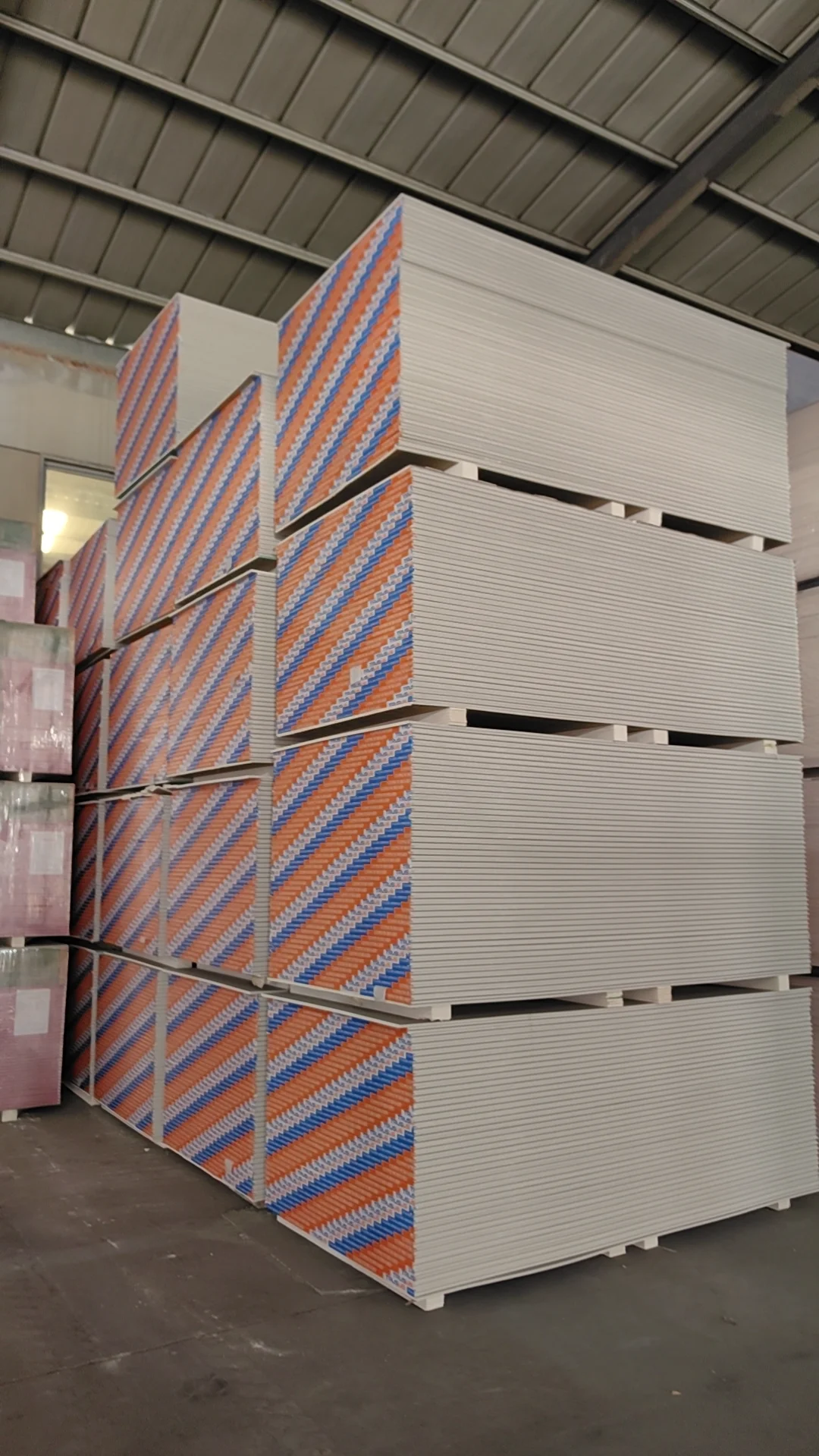
The paper lining is also recyclable. By keeping plasterboard dry and uncontaminated on-site, we can close the loop between demolition and new construction.
How to Get Rid of Leftover Gypsum Board?
Leftover gypsum board should be recycled through specialized construction waste programs rather than sent to general landfills. Local recycling centers or manufacturing partners often accept clean scraps for reprocessing into new plasterboard or soil conditioners.
disposal insight: every offcut is still valuable—it only needs guidance to find its next purpose.
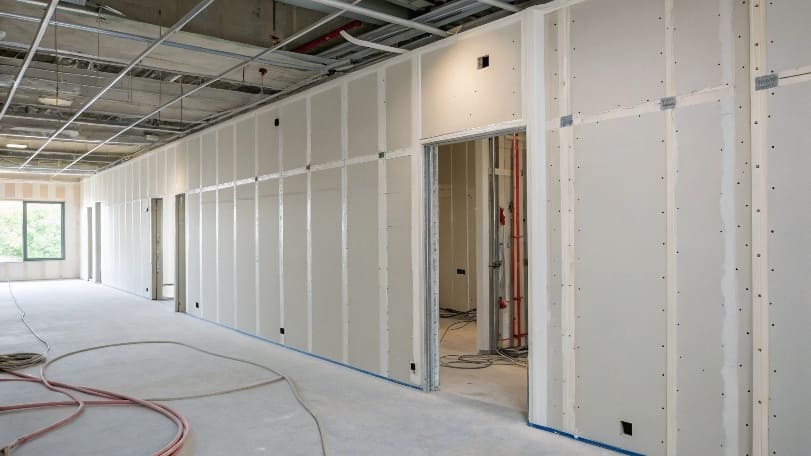
Recommended Disposal Options
| Method | Description | Environmental Benefit | Note |
|---|---|---|---|
| Gypsum recycling facility | Grinding and reprocessing into new boards | Closed-loop reuse | Best sustainable option |
| Soil amendment use | Gypsum used as a pH adjuster | Improves agricultural soil | Must be clean of paint or tape |
| Local waste transfer station | Sorted as non-hazardous construction waste | Reduces landfill volume | Confirm local regulations |
| Return to manufacturer | Some producers collect cutoffs | Saves resources and transport | TRUSUS supports this model |
Proper separation of gypsum from mixed waste ensures resource efficiency and prevents environmental hazards.
How Long Does It Take Drywall to Decompose?
In landfills, drywall decomposition can take up to 250–400 years, depending on moisture and microbial activity. The process is slow because the paper decomposes first while gypsum remains stable for centuries.
life-cycle insight: what we bury today becomes tomorrow’s burden—the earth remembers everything we hide.
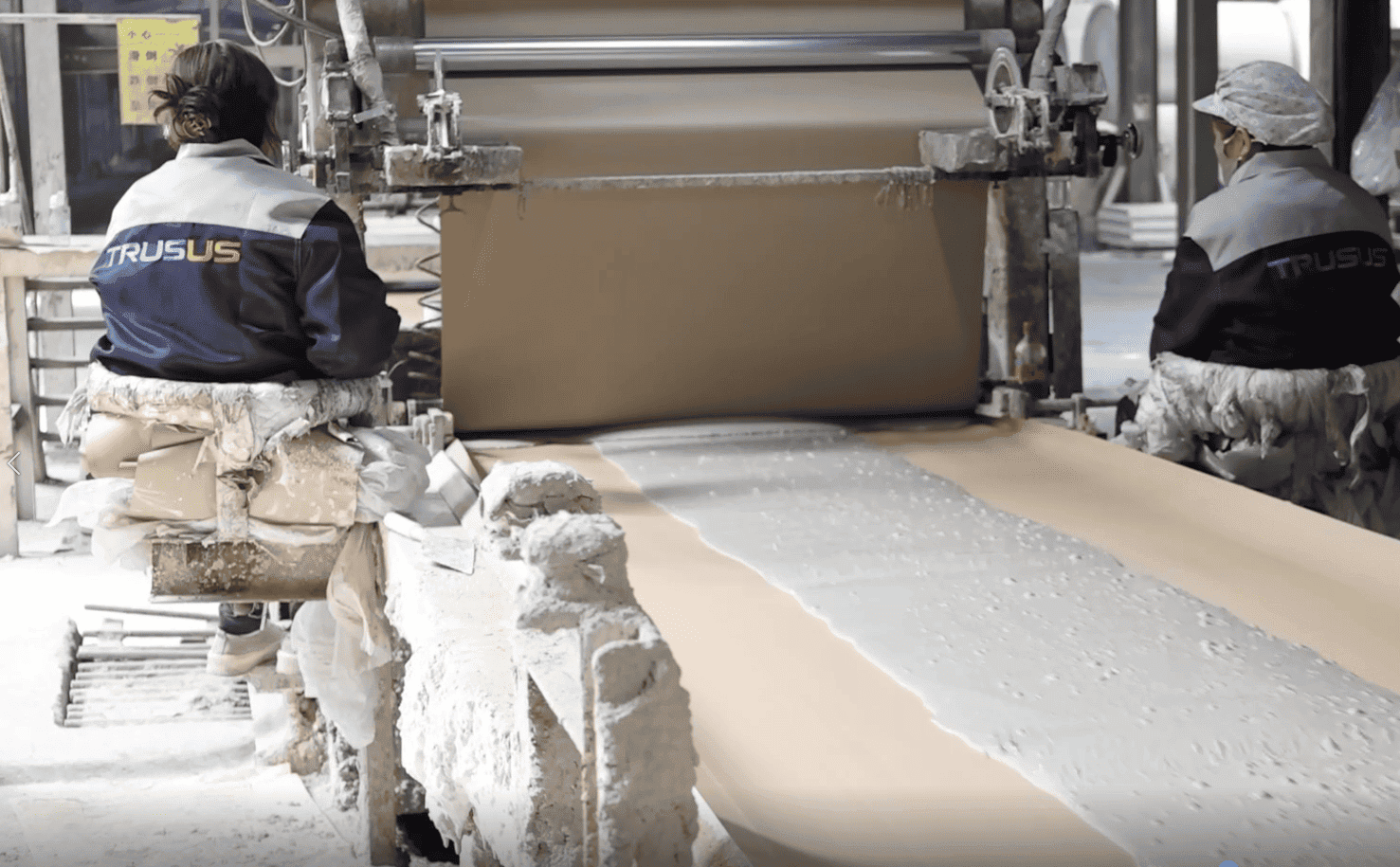
Decomposition Factors
| Condition | Decomposition Rate | By-products | Impact |
|---|---|---|---|
| Dry landfill | Very slow (centuries) | Minimal gas | Persistent material |
| Humid landfill | Faster (decades) | Hydrogen sulfide gas | Odor and safety issue |
| Controlled recycling | Immediate reuse | New raw material | Environmentally neutral |
Recycling gypsum keeps it out of landfills and prevents the release of hydrogen sulfide, a toxic gas formed when gypsum reacts with organic waste under anaerobic conditions.
Can Drywall Dust Cause a Sinus Infection?
Yes, drywall dust can irritate the nose, throat, and sinuses when inhaled in high concentrations. Its main health effect is mechanical irritation, but in poorly ventilated spaces, prolonged exposure may lead to sinus inflammation or secondary infection.
health insight: dust is silent but active—protection is not caution, it’s respect for the air we breathe.
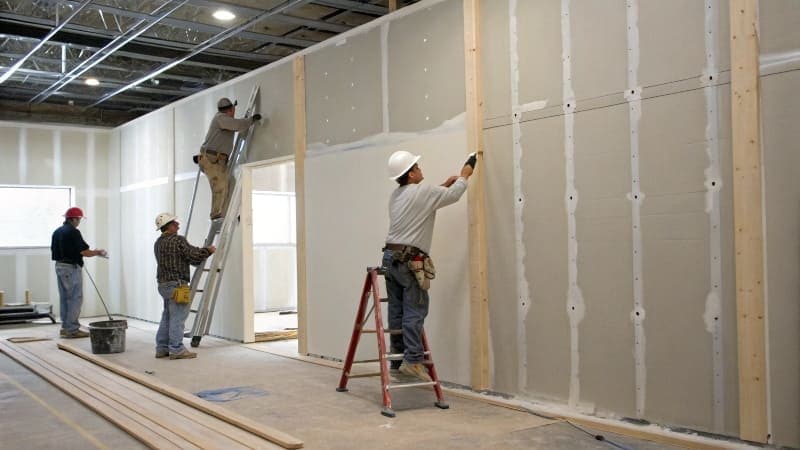
TRUSUS Dust Control Tips
| Practice | Purpose | Best Use |
|---|---|---|
| Use a vacuum sander | Reduce airborne dust | During installation or sanding |
| Wear an N95 mask | Protect respiratory system | Jobsite work |
| Ventilate the area | Maintain air flow | After cutting or finishing |
| Wet-wipe surfaces | Prevent dust spread | During cleanup |
While gypsum itself is non-toxic, fine airborne dust can lodge in sinuses and should be controlled with proper equipment and ventilation.
Conclusion
At TRUSUS, I view plasterboard not as waste but as a renewable cycle. When we recycle wisely and handle safely, every sheet becomes both a building block and a promise to the planet.