



To hang heavy items on drywall without studs, use toggle bolts, molly bolts, or expansion anchors designed for hollow walls. These anchors distribute weight across a larger area of the drywall, preventing pull‑through and wall damage.
TRUSUS structural insight: drywall is part of a system, not an independent load‑bearing surface.
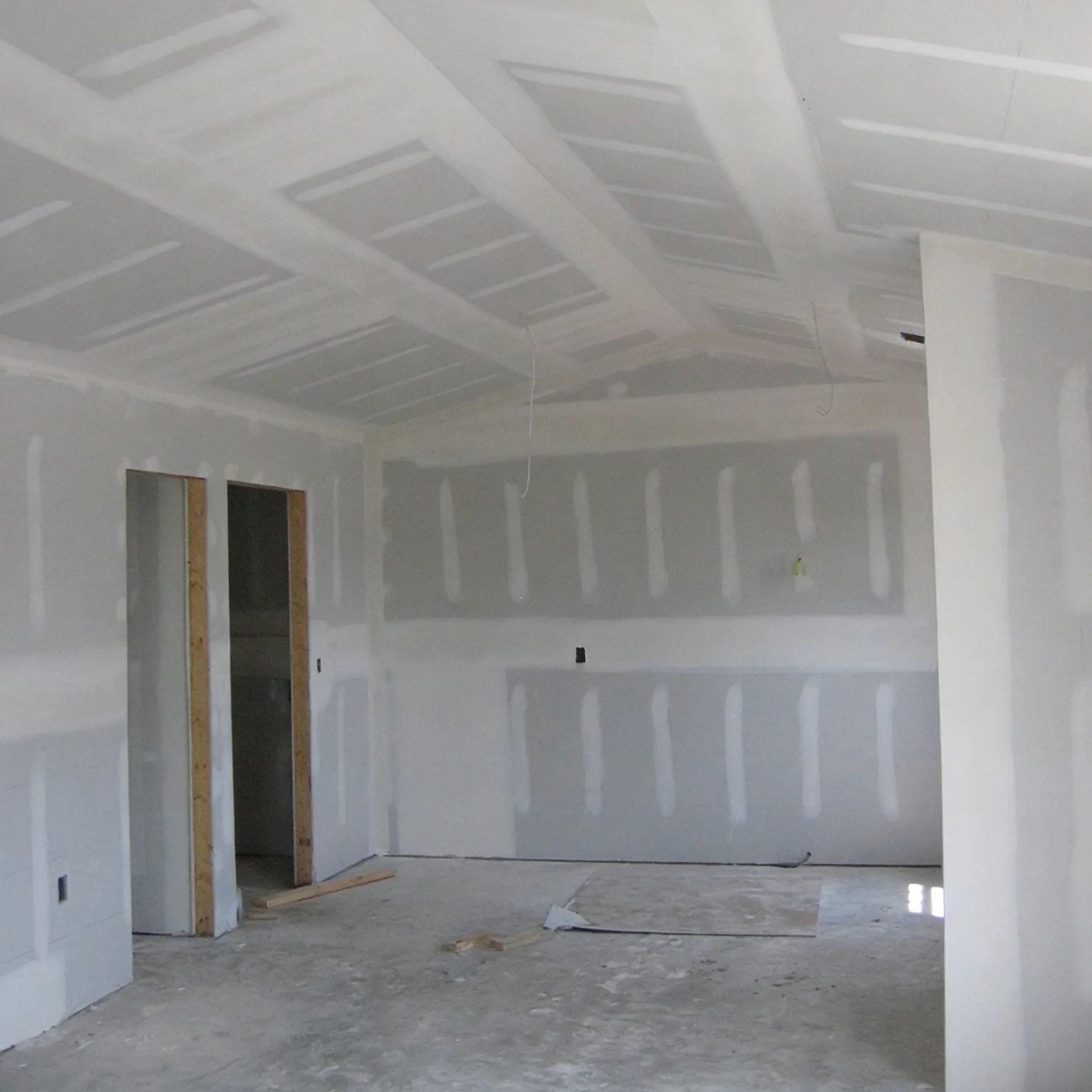
Each anchor must match both the wall thickness and the expected load, and weight must still be transferred indirectly to framing or reinforced backing if possible.
How to Hang a Heavy Item When It Won’t Fit in Studs?
When your item’s mounting points don’t align with studs, use a horizontal mounting rail or French cleat fixed into multiple anchors. This spreads the load and maintains wall integrity by sharing stress across several points.
TRUSUS fixing insight: stable systems depend on load distribution, not single points of attachment.
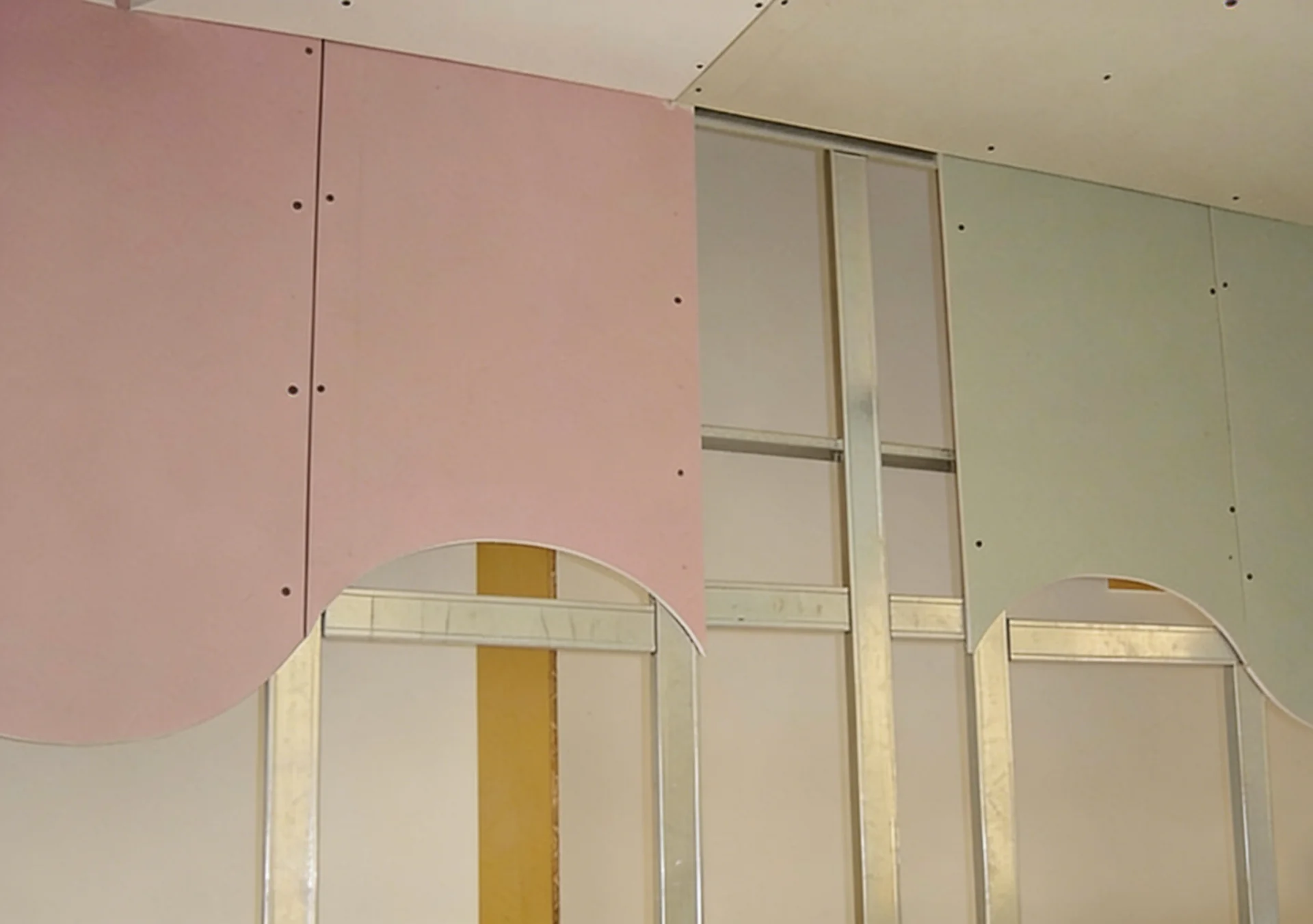
Load Distribution Options
| Method | Description | Recommended Weight |
|---|---|---|
| Toggle Bolts | Spring wings open behind board | Up to 40 lbs (18 kg) each |
| Butterfly Anchors | Expands to lock inside cavity | Up to 30 lbs (13 kg) each |
| French Cleat | Two interlocking wooden rails | Up to 80 lbs (36 kg) per stud span |
| Horizontal Mounting Rail | Mount to multiple anchors | Over 100 lbs (45 kg) total |
By creating a continuous load path, even large mirrors or cabinets can hang securely without direct stud contact.
How Do You Hang 100 lbs on Plasterboard?
To hang 100 lbs (45 kg) on plasterboard, design a reinforced support strategy: anchor a wooden plate or metal rail across several studs or use multiple heavy‑duty toggle bolts rated for at least 25 lbs each.
TRUSUS safety insight: load equals force—force must be shared, not concentrated.
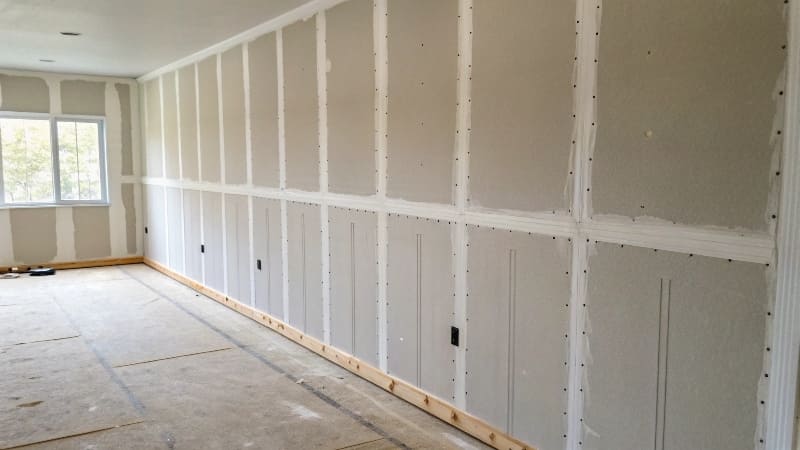
Heavy‑Duty Hanging Guide
| Step | Action | Purpose |
|---|---|---|
| 1 | Find stud layout | Defines anchor pattern |
| 2 | Mark mounting height | Ensures even load sharing |
| 3 | Install cleat or rail | Converts point load to line load |
| 4 | Use heavy‑duty toggle bolts | Provides secure grip in cavity |
| 5 | Verify mounting torque | Avoids over‑tightening and cracking |
Consider vibration, impact, and humidity; they all influence long‑term performance of fixtures under sustained weight.
How Much Weight Can I Hang on Gypsum Board Without a Stud?
Without a stud, standard gypsum board holds about 10 – 15 lbs (4.5 – 7 kg) safely using plastic anchors, and up to 50 lbs (22 kg) with heavy‑duty toggle bolts—only when evenly distributed. Exceeding that requires reinforcement or structural connection.
TRUSUS load insight: the answer is not just a number—it depends on wall system design.

Anchor Load Reference
| Anchor Type | Drywall Thickness | Max Load (Single Anchor) | Remarks |
|---|---|---|---|
| Plastic Expansion Plug | 1/2 in (12.7 mm) | 10 lbs | For light decor |
| Metal Molly Bolt | 1/2 in | 25 lbs | Medium‑weight fixtures |
| Toggle Bolt | 1/2 in | 50 lbs | Use wide wings for stability |
| Snaptoggle | 5/8 in | 70 lbs | For shelves or cabinets |
| French Cleat (multi‑anchor) | 1/2 in | 100 lbs + | Load must be spread |
If a wall will support recurring heavy items, plan reinforcement or install backing panels before finishing with board.
Conclusion
At TRUSUS, I see every hanging challenge as a structural dialogue between material and force. Drywall itself isn’t weak—it simply needs the right partners: anchors, rails, and logic. When weight is distributed correctly, even the lightest gypsum wall can safely hold heavy objects, proving that smart engineering always outweighs brute strength.