



Fiberglass mesh tape is generally superior for high-rise projects due to its higher tensile strength, better crack resistance, alkali resistance, and ability to handle structural movement without pre-treatment requirements. High-rise buildings experience greater structural movement requiring enhanced joint reinforcement systems.
TRUSUS high-rise insight: structural dynamics in tall buildings demand reinforcement materials that can accommodate movement while maintaining joint integrity over decades.
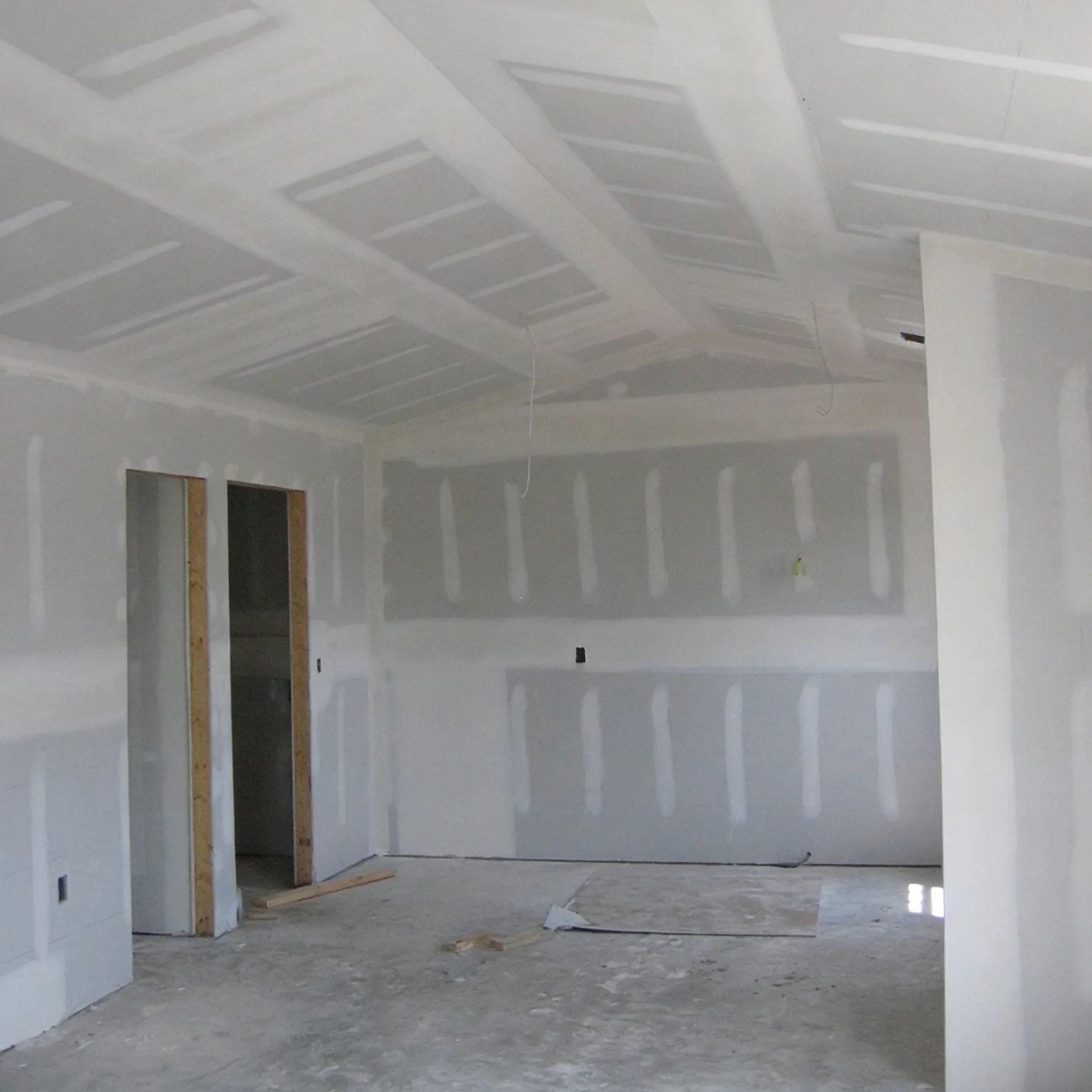
I increasingly see high-rise specifications require fiberglass mesh due to superior performance in demanding structural environments.
Proper tape selection prevents costly joint failures in challenging high-rise conditions.
Performance Comparison Analysis
| Performance Factor | Fiberglass Mesh | Paper Tape |
|---|---|---|
| Tensile strength | Excellent (high load capacity) | Good (adequate for standard) |
| Crack resistance | Superior movement accommodation | Moderate flexibility |
| Alkali resistance | Excellent chemical stability | Good but limited |
| Application ease | No pre-treatment required | Requires embedding compound |
| Cost factor | Higher initial cost | Lower material cost |
Fiberglass mesh provides superior technical performance for demanding applications.
High-Rise Specific Advantages
| High-Rise Challenge | Fiberglass Mesh Solution |
|---|---|
| Structural movement | High tensile strength accommodation |
| Temperature cycling | Dimensional stability |
| Long-term durability | Superior aging resistance |
| Seismic activity | Enhanced flexibility |
| Building settlement | Movement tolerance |
High-rise environments demand superior material performance.
Application Techniques
| Technique Factor | Fiberglass Mesh | Paper Tape |
|---|---|---|
| First coat application | Direct embedding | Pre-wet required |
| Working time | Extended workability | Limited adjustment time |
| Corner applications | Excellent conformability | Good but requires care |
| Texture matching | Minimal texture impact | Smooth finish capability |
Different techniques optimize each material's performance.
Long-Term Performance
| Performance Aspect | 10-Year Outlook | 20-Year Outlook |
|---|---|---|
| Fiberglass mesh joints | Excellent stability | Superior durability |
| Paper tape joints | Good performance | Moderate degradation risk |
| Maintenance requirements | Minimal intervention | Preventive care needed |
Long-term performance favors fiberglass mesh in high-rise applications.
Cost-Benefit Analysis
| Cost Factor | Short-Term | Long-Term |
|---|---|---|
| Material cost | Fiberglass 20-30% higher | Reduced maintenance costs |
| Labor efficiency | Faster application | Fewer callbacks |
| Failure costs | Lower failure risk | Significant savings |
Long-term economics favor fiberglass mesh despite higher initial cost.
Why High-Rise Projects Need Superior Materials
| Standard Construction | High-Rise Construction |
|---|---|
| Moderate movement loads | Extreme structural dynamics |
| Standard durability requirements | Extended service life needs |
| Basic performance acceptable | Premium performance essential |
High-rise buildings demand materials that exceed standard performance requirements.
The Industry Shift Behind High-Rise Material Questions
| Traditional Joint Treatment | Modern High-Rise Standards |
|---|---|
| Cost-first material selection | Performance-based selection |
| Standard materials acceptable | Premium materials required |
| Basic joint treatment | Engineered joint systems |
I increasingly see high-rise projects specify premium materials based on long-term performance rather than initial cost considerations.
What Is The Coverage Rate Of A 25kg Bucket Of Joint Compound?
A 25kg bucket of joint compound typically covers 150-300 square meters depending on application coat (first coat: 150-200m², second coat: 200-250m², third coat: 250-300m²) with actual coverage varying by joint width and application technique. Accurate coverage calculation enables precise material planning and cost control.
TRUSUS coverage insight: understanding coverage rates across multiple coats prevents material shortages and enables accurate project cost estimation.
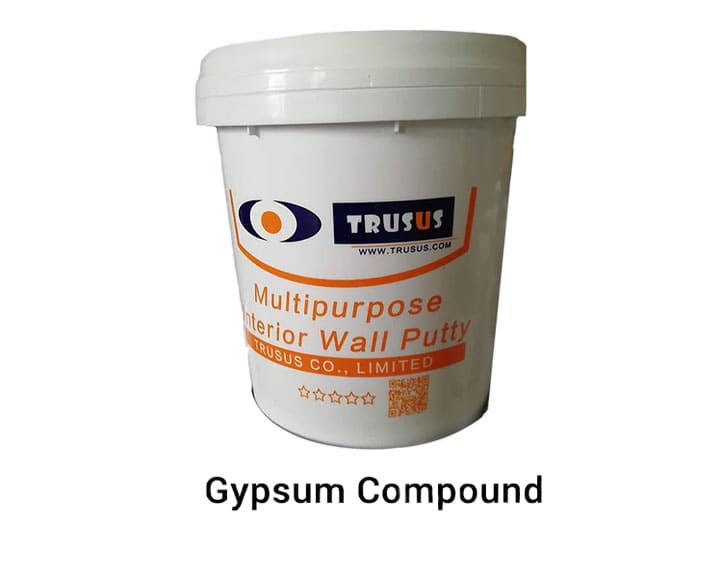
I increasingly see professional contractors demand precise coverage data for accurate bidding and material management.
Accurate coverage planning prevents delays and controls project costs.
Standard Coverage Rates
| Application Coat | Coverage Range | Joint Width Factor |
|---|---|---|
| First coat (embedding) | 150-200 m² | Heaviest application |
| Second coat (filling) | 200-250 m² | Moderate thickness |
| Third coat (finishing) | 250-300 m² | Thin skim application |
| Touch-up coat | 300-400 m² | Minimal application |
Coverage increases with successive lighter coats.
Factors Affecting Coverage
| Variable Factor | Coverage Impact |
|---|---|
| Joint width | Wider joints reduce coverage |
| Application technique | Hand vs spray application |
| Installer skill level | Experience improves efficiency |
| Board thickness | Affects joint depth |
| Environmental conditions | Temperature and humidity effects |
Multiple factors influence actual coverage rates.
Coverage By Joint Type
| Joint Type | Coverage Adjustment |
|---|---|
| Butt joints | Standard coverage rates |
| Tapered joints | 10-15% better coverage |
| Corner joints | 20-25% reduced coverage |
| Repair patches | 30-40% reduced coverage |
Different joint types require coverage adjustments.
Environmental Impact Factors
| Environmental Factor | Coverage Effect |
|---|---|
| High temperature | Faster drying, potential waste |
| Low temperature | Slower drying, extended working time |
| High humidity | Slower drying, potential application issues |
| Low humidity | Rapid drying, possible over-application |
Environmental conditions significantly affect application efficiency.
Material Planning Formula
| Project Factor | Calculation Method |
|---|---|
| Total joint length | Linear meters measurement |
| Average joint width | Width assessment |
| Number of coats | Typically 3 coats standard |
| Waste allowance | 10-15% additional material |
Systematic calculation ensures adequate material supply.
Why Accurate Coverage Matters
| Rough Estimation | Precise Coverage Calculation |
|---|---|
| Material shortages risk | Adequate supply assurance |
| Cost overruns potential | Accurate budget planning |
| Project delays possible | Smooth execution |
Precise coverage planning ensures project success and profitability.
The Industry Shift Behind Coverage Questions
| Traditional Material Planning | Modern Precision Planning |
|---|---|
| Experience-based estimates | Data-driven calculations |
| Over-ordering for safety | Optimized material quantities |
| Rough coverage approximations | Detailed coverage analysis |
I increasingly see professional contractors use precise coverage data for competitive bidding and efficient project management.
Is It Better To Use Ready-Mixed Joint Compound Or Setting-Type Powder?
Ready-mixed joint compound offers convenience, consistent quality, and longer working time, ideal for large projects and quality-focused applications, while setting-type powder provides fast curing, high strength, and cost efficiency for time-sensitive or repair work. Selection depends on project requirements, timeline, and quality priorities.
TRUSUS compound insight: choosing between ready-mixed and setting-type requires balancing convenience, quality, speed, and cost factors specific to each project.
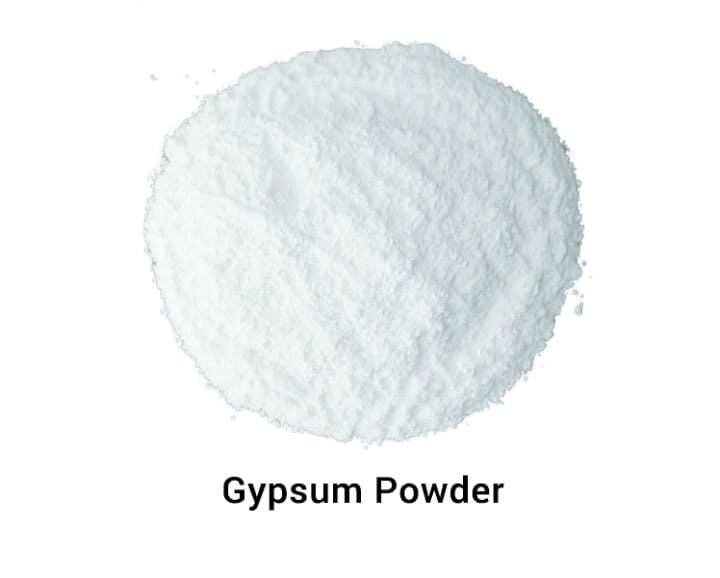
I increasingly see contractors select compound type based on specific project phases rather than using single products throughout.
Strategic compound selection optimizes both quality and efficiency.
Performance Comparison
| Performance Factor | Ready-Mixed | Setting-Type Powder |
|---|---|---|
| Convenience | Excellent (ready to use) | Requires mixing |
| Working time | Extended (30+ minutes) | Limited (20-90 minutes) |
| Strength development | Gradual air-drying | Rapid chemical setting |
| Quality consistency | Factory-controlled | Site-dependent mixing |
| Shrinkage rate | Minimal shrinkage | Very low shrinkage |
Each type offers distinct advantages for different applications.
Application Suitability
| Application Type | Optimal Choice | Reasoning |
|---|---|---|
| Large-scale projects | Ready-mixed | Consistency and convenience |
| Time-critical work | Setting-type | Fast completion |
| High-quality finishing | Ready-mixed | Superior surface quality |
| Repair work | Setting-type | Quick turnaround |
| Humid environments | Setting-type | Moisture independence |
Application requirements determine optimal product selection.
Cost Analysis
| Cost Factor | Ready-Mixed | Setting-Type |
|---|---|---|
| Material cost | Higher per unit | Lower raw material cost |
| Labor efficiency | Higher productivity | Requires mixing time |
| Waste factor | Minimal waste | Potential mixing waste |
| Storage requirements | Ready for use | Longer shelf life |
Total project cost includes multiple economic factors.
Quality Considerations
| Quality Factor | Ready-Mixed Advantage | Setting-Type Advantage |
|---|---|---|
| Consistency | Factory quality control | Fresh-mixed uniformity |
| Surface finish | Smoother texture | High strength bonding |
| Sandability | Excellent workability | Firm, stable surface |
| Long-term durability | Proven performance | Superior adhesion |
Quality priorities influence product selection.
Environmental Factors
| Environment | Recommended Type | Rationale |
|---|---|---|
| High humidity | Setting-type | Moisture independence |
| Temperature extremes | Ready-mixed | Stable performance |
| Dusty conditions | Ready-mixed | Sealed container protection |
| Time constraints | Setting-type | Rapid completion |
Environmental conditions affect product performance.
Why Strategic Selection Matters
| Single-Product Approach | Strategic Product Selection |
|---|---|
| Compromise performance | Optimized results |
| Missed efficiency gains | Maximum productivity |
| Limited application flexibility | Tailored solutions |
Strategic selection maximizes both quality and efficiency outcomes.
The Industry Shift Behind Compound-Selection Questions
| Traditional Single-Product Use | Modern Strategic Product Selection |
|---|---|
| Familiar product preference | Performance-based selection |
| One-size-fits-all approach | Application-specific optimization |
| Cost-only considerations | Total value analysis |
I increasingly see professional applicators use different compounds for different project phases to optimize both quality and timeline.
How Do You Prevent Cracks In Gypsum Board Joints In Seismic Zones?
Preventing joint cracks in seismic zones requires flexible joint systems using high-performance mesh reinforcement, low-shrinkage compounds, structural isolation details, and multi-layer application techniques designed to accommodate building movement. Seismic-resistant joint design addresses both immediate earthquake forces and long-term structural settlement.
TRUSUS seismic insight: earthquake-resistant joint systems must balance flexibility to accommodate movement with strength to maintain integrity during seismic events.
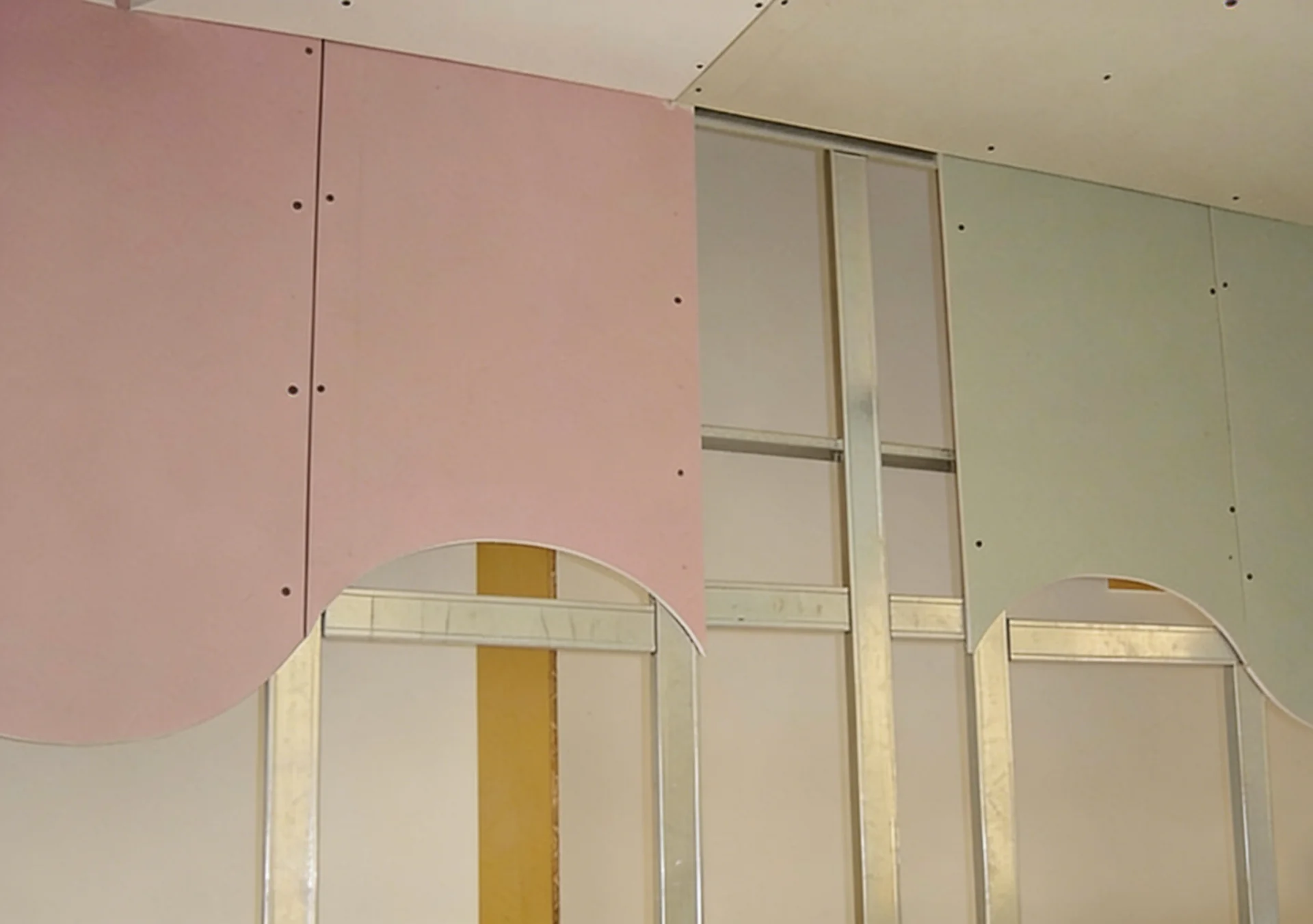
I increasingly see seismic zone projects require specialized joint systems that exceed standard construction practices.
Seismic-resistant design prevents costly post-earthquake repairs and ensures occupant safety.
Seismic Joint System Components
| System Component | Seismic Function |
|---|---|
| High-tensile mesh tape | Movement accommodation |
| Flexible joint compound | Crack resistance |
| Structural isolation | Movement absorption |
| Multi-layer reinforcement | Redundant protection |
| Monitoring systems | Performance verification |
Integrated systems provide comprehensive seismic protection.
Material Specifications
| Material Type | Seismic Requirements |
|---|---|
| Mesh reinforcement | High tensile strength, alkali resistance |
| Joint compound | Low shrinkage, high flexibility |
| Primer systems | Enhanced adhesion |
| Sealants | Movement accommodation |
| Fasteners | Seismic-rated performance |
Premium materials ensure seismic performance.
Installation Techniques
| Technique | Seismic Benefit |
|---|---|
| Increased mesh overlap | Enhanced load distribution |
| Thicker compound application | Greater flexibility reserve |
| Staged curing | Stress relief |
| Structural gaps | Movement isolation |
| Quality inspection | Performance verification |
Specialized techniques address seismic challenges.
Design Considerations
| Design Factor | Seismic Approach |
|---|---|
| Joint spacing | Reduced intervals |
| Connection details | Flexible attachments |
| Material transitions | Gradual stiffness changes |
| Expansion provisions | Planned movement accommodation |
Seismic design requires comprehensive planning.
Performance Standards
| Performance Metric | Seismic Standard |
|---|---|
| Movement capacity | ±25mm typical |
| Cyclic loading | 1000+ cycles |
| Crack width control | <0.5mm maximum |
| Long-term durability | 50-year service life |
Stringent standards ensure seismic reliability.
TRUSUS Maintenance Requirements
| Maintenance Activity | Frequency |
|---|---|
| Joint inspection | Annual |
| Post-earthquake assessment | Immediate |
| Preventive maintenance | 5-year intervals |
| Performance monitoring | Continuous |
Regular maintenance ensures continued seismic performance.
Why Seismic-Specific Design Matters
| Standard Joint Systems | Seismic-Resistant Joint Systems |
|---|---|
| Static load design | Dynamic force accommodation |
| Basic crack prevention | Movement-based crack prevention |
| Standard materials | Premium seismic-rated materials |
Seismic zones require specialized engineering solutions beyond standard practices.
The Industry Shift Behind Seismic-Joint Questions
| Traditional Construction | Modern Seismic Engineering |
|---|---|
| Standard detail application | Site-specific seismic analysis |
| Basic crack prevention | Comprehensive movement design |
| Reactive maintenance | Proactive seismic preparation |
I increasingly see seismic zone construction adopt specialized joint systems based on structural engineering analysis rather than standard construction practices.
Conclusion
At TRUSUS, I see gypsum board joint systems evolving from basic finishing techniques toward engineered solutions requiring material performance analysis, precise coverage planning, strategic product selection, and specialized seismic design. Success demands treating joint systems as critical structural elements requiring professional engineering and specialized expertise.