



A 20ft container typically holds 480-520 sheets of standard 1200x2400mm gypsum board, with remaining space allocated for accessories like screws, joint compound, and metal profiles based on project requirements. Exact capacity depends on board thickness, accessory volume, and loading optimization.
TRUSUS loading insight: successful container loading requires precise calculation balancing board quantity with essential accessories for complete project supply.
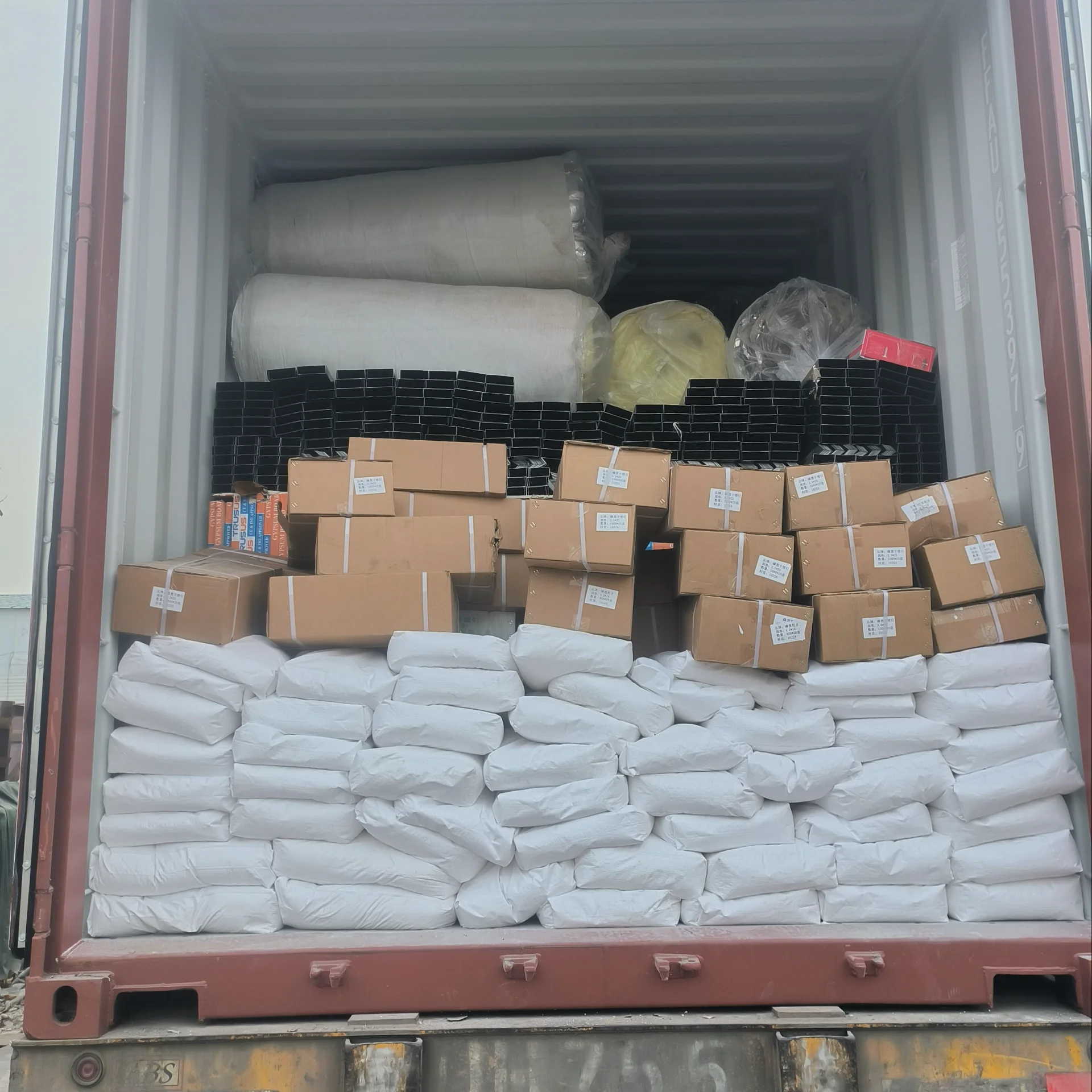
I increasingly see international customers demand complete system solutions rather than boards-only shipments.
Integrated loading maximizes project efficiency and reduces shipping costs.
Standard Loading Capacities
| Board Thickness | Sheet Quantity | Accessory Space |
|---|---|---|
| 9.5mm boards | 520-550 sheets | 15-20% container space |
| 12.5mm boards | 480-520 sheets | 15-20% container space |
| 15mm boards | 400-450 sheets | 20-25% container space |
Thicker boards require more accessory space proportionally.
Essential Accessory Allocation
| Accessory Type | Typical Allocation |
|---|---|
| Metal profiles | 10-15% container volume |
| Screws and fasteners | 2-3% container volume |
| Joint compound | 3-5% container volume |
| Installation tools | 2-3% container volume |
Proper accessory ratios ensure complete installation capability.
Loading Optimization Strategies
| Strategy | Benefit |
|---|---|
| Mixed thickness loading | Maximize space utilization |
| Accessory integration | Complete system supply |
| Weight distribution | Safe transport balance |
| Easy unloading sequence | Efficient site delivery |
Strategic loading improves both shipping economics and site logistics.
Container Weight Limitations
| Weight Factor | Consideration |
|---|---|
| Container limit | 28-30 tons maximum |
| Board weight | Varies by thickness and density |
| Accessory weight | Significant for metal components |
| Distribution balance | Even load prevents damage |
Weight limits often reached before volume capacity.
Project-Specific Loading Plans
| Project Type | Loading Priority |
|---|---|
| Residential projects | Standard accessories |
| Commercial projects | Heavy-duty profiles |
| Special applications | Custom accessory mix |
Different projects require different accessory ratios.
Why Integrated Loading Matters
| Boards-Only Shipping | Complete System Shipping |
|---|---|
| Incomplete project supply | Ready-to-install packages |
| Multiple supplier coordination | Single-source convenience |
| Higher total logistics costs | Optimized shipping economics |
Complete system shipping provides superior customer value.
The Industry Shift Behind Loading Questions
| Traditional Export Approach | Modern System-Export Approach |
|---|---|
| Product-only focus | Complete solution orientation |
| Maximum quantity priority | Optimized project supply |
| Basic loading methods | Advanced logistics optimization |
I increasingly see successful exporters provide complete system solutions rather than individual products.
How Are Gypsum Boards Palletized To Prevent Edge Damage During Sea Freight?
Gypsum boards require specialized palletizing with corner protectors, moisture barriers, cushioning layers, and secure strapping systems to prevent edge damage during long-distance sea freight transport. Professional packaging protects product integrity throughout the shipping journey.
TRUSUS packaging insight: edge damage prevention requires systematic protection addressing impact, moisture, vibration, and handling stresses.
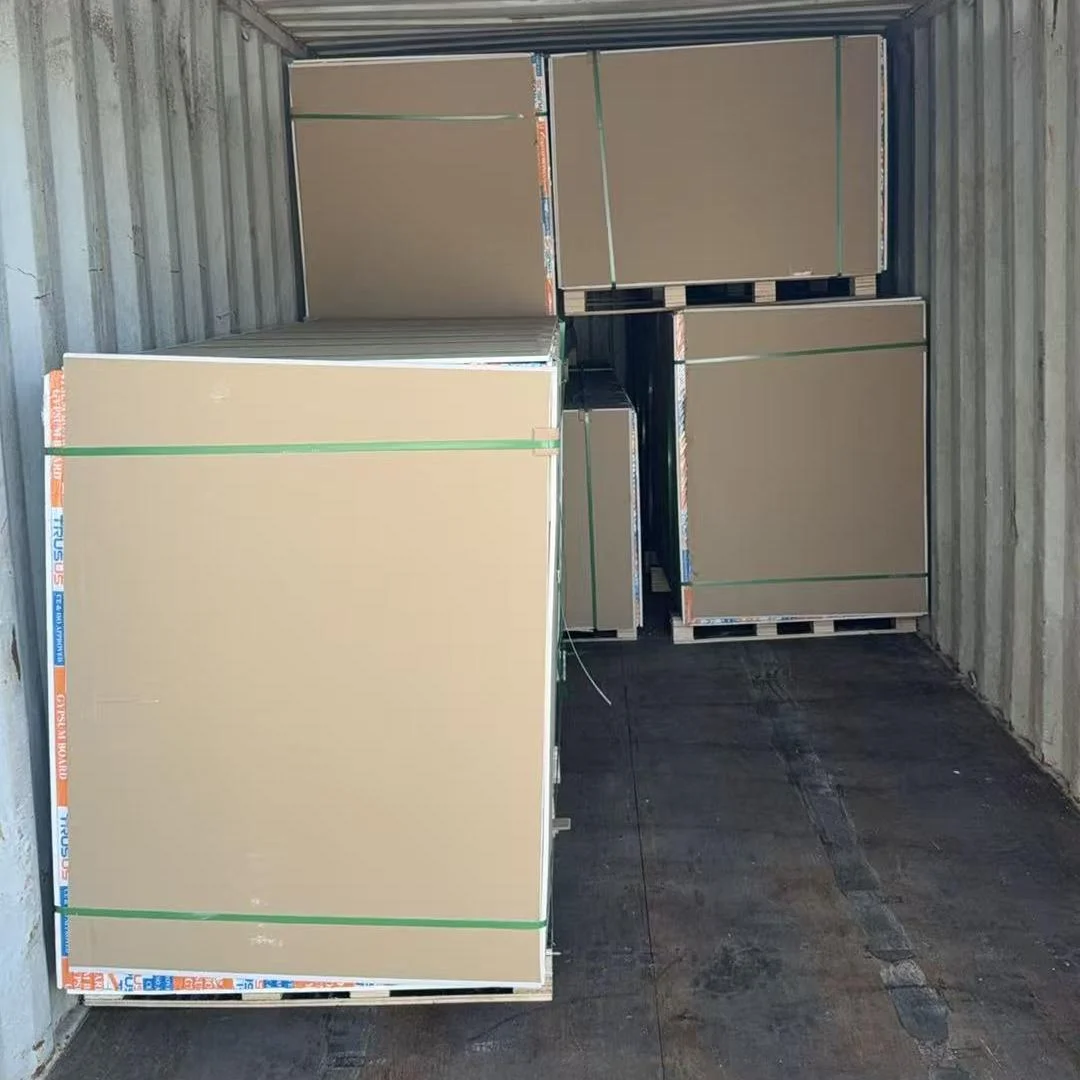
I increasingly see customers specify detailed packaging requirements reflecting the critical importance of product condition upon arrival.
Professional packaging prevents costly damage and customer dissatisfaction.
Essential Edge Protection Components
| Protection Element | Function |
|---|---|
| L-shaped corner guards | Direct impact protection |
| U-channel edge strips | Comprehensive edge coverage |
| Foam padding layers | Vibration damping |
| Plastic film barriers | Moisture protection |
Multiple protection layers address different damage mechanisms.
Palletizing Sequence Standards
| Sequence Step | Specification |
|---|---|
| Pallet preparation | Moisture barrier and cushioning |
| Board stacking | Face-to-face positioning |
| Edge protection | Corner guards and strips |
| Top protection | Weather barrier covering |
Proper sequence ensures comprehensive protection.
Strapping And Securing Methods
| Securing Method | Application |
|---|---|
| Polyester strapping | High-strength binding |
| Steel wire reinforcement | Heavy-duty applications |
| Stretch film wrapping | Moisture and dust protection |
| Corner board reinforcement | Strapping pressure distribution |
Multiple securing methods prevent load shifting.
Moisture Protection Systems
| Protection Level | Method |
|---|---|
| Basic protection | Single plastic film wrap |
| Enhanced protection | Multi-layer barrier system |
| Marine environment | Waterproof membrane systems |
Sea freight requires comprehensive moisture protection.
Quality Control Checkpoints
| Checkpoint | Verification |
|---|---|
| Pallet stability | Load balance and security |
| Edge protection | Complete coverage verification |
| Moisture barriers | Seal integrity check |
| Labeling accuracy | Identification and handling instructions |
Quality control prevents packaging failures.
Why Professional Packaging Matters
| Basic Packaging | Professional Maritime Packaging |
|---|---|
| Minimal protection focus | Comprehensive damage prevention |
| Standard materials | Marine-grade protection systems |
| Basic securing methods | Advanced securing techniques |
Sea freight demands professional-grade packaging standards.
The Industry Shift Behind Packaging Questions
| Traditional Packaging | Modern Protection-Focused Packaging |
|---|---|
| Cost minimization priority | Quality preservation focus |
| Basic protection methods | Engineered protection systems |
| Standard packaging approach | Customized protection solutions |
I increasingly see packaging quality become a competitive differentiator in international gypsum board trade.
What Type Of Primer Is Best For Moisture Resistant Gypsum Board?
Moisture resistant gypsum board performs best with alkali-resistant sealing primers or specialized moisture-blocking primers that prevent gypsum bleeding while enhancing water resistance properties. Primer selection depends on board type, environmental conditions, and topcoat requirements.
TRUSUS primer insight: proper primer selection is critical because moisture resistant boards have different surface chemistry requiring compatible coating systems.

I increasingly see professional applicators recognize that moisture resistant boards require specialized primer systems for optimal performance.
The right primer maximizes moisture resistant board performance.
Recommended Primer Types
| Primer Type | Best Application |
|---|---|
| Alkali-resistant sealer | Green board applications |
| Moisture-blocking primer | High-humidity environments |
| Adhesion-promoting primer | Difficult topcoat bonding |
| Multi-functional primer | General-purpose applications |
Different primers serve specific performance requirements.
Primer Performance Requirements
| Performance Factor | Specification |
|---|---|
| Alkali resistance | Prevents gypsum bleeding |
| Moisture barrier | Enhances water resistance |
| Adhesion promotion | Ensures topcoat bonding |
| Quick drying | Faster project completion |
Multiple performance factors must be balanced.
Environmental Considerations
| Environment | Primer Selection |
|---|---|
| Bathroom applications | Maximum moisture protection |
| Kitchen areas | Grease and moisture resistance |
| Commercial kitchens | Heavy-duty protection systems |
| Swimming pool areas | Marine-grade primers |
Environmental exposure determines primer requirements.
Application Techniques
| Technique | Purpose |
|---|---|
| Complete coverage | Even protection distribution |
| Proper film thickness | Adequate barrier formation |
| Edge sealing | Critical moisture points |
| Curing time respect | Full primer development |
Proper application ensures primer effectiveness.
Compatibility With Topcoats
| Topcoat Type | Primer Compatibility |
|---|---|
| Latex paints | Universal compatibility |
| Oil-based paints | Specific primer requirements |
| Epoxy coatings | Adhesion-promoting primers |
| Textural finishes | Enhanced bonding primers |
Primer-topcoat compatibility ensures system performance.
Why Specialized Primers Matter
| Standard Primers | Moisture-Board Specialized Primers |
|---|---|
| General-purpose approach | Moisture-board specific formulation |
| Basic sealing function | Enhanced moisture protection |
| Standard adhesion | Optimized bonding properties |
Specialized primers optimize moisture resistant board performance.
The Industry Shift Behind Primer Questions
| Traditional Painting Approach | Modern System-Based Approach |
|---|---|
| Any primer works mindset | Scientific primer selection |
| Cost-focused decisions | Performance-focused choices |
| Basic application methods | Engineered coating systems |
I increasingly see professional painters treat primer selection as critical to long-term performance success.
How Do You Hide The Joints Of Perforated Gypsum Board For A Seamless Look?
Hiding perforated gypsum board joints requires precise alignment, specialized joint compound application, careful sanding techniques, and surface treatment that maintains acoustic properties while achieving visual continuity. Success depends on matching perforation patterns and maintaining hole integrity.
TRUSUS seamless insight: perforated board joint concealment demands higher precision than standard boards because any misalignment becomes immediately visible.
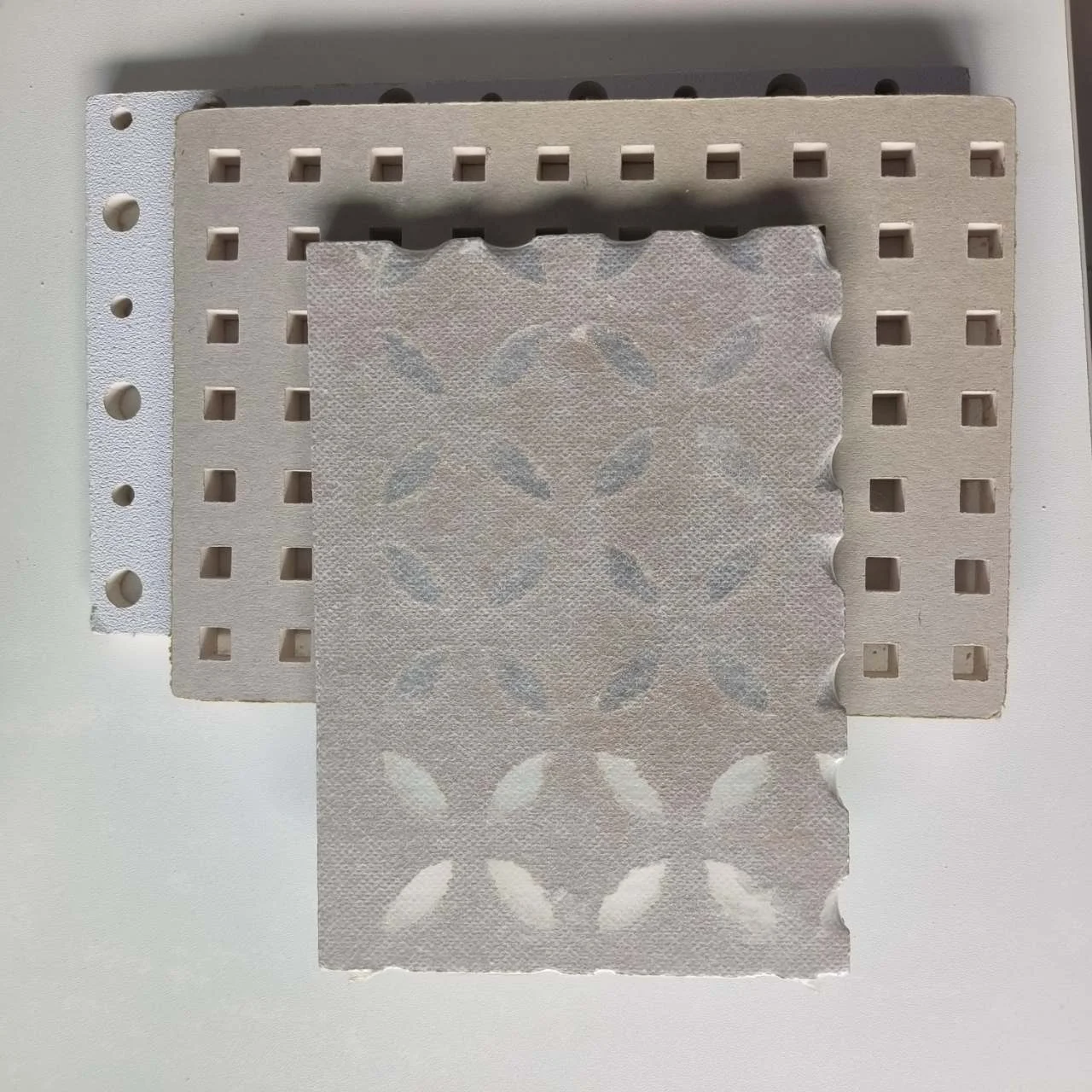
I increasingly see architects specify seamless perforated installations for high-end acoustic applications where aesthetics matter equally with performance.
Perfect joints require precision installation and specialized techniques.
Critical Installation Requirements
| Installation Factor | Precision Level |
|---|---|
| Board alignment | Perfect pattern matching |
| Joint width | Minimal gap maintenance |
| Perforation alignment | Exact hole registration |
| Surface flatness | Zero variation tolerance |
Higher precision prevents visible joint lines.
Specialized Joint Treatment
| Treatment Step | Technique |
|---|---|
| Pattern alignment verification | Pre-installation checking |
| Minimal joint compound | Thin, precise application |
| Hole preservation | Avoid compound infiltration |
| Surface texture matching | Consistent appearance |
Each step requires specialized techniques.
Joint Compound Selection
| Compound Type | Application |
|---|---|
| Low-shrinkage compound | Minimal joint movement |
| Fine-particle compound | Smooth surface finish |
| Quick-setting compound | Reduced application time |
| Acoustic-compatible compound | Performance preservation |
Compound selection affects both appearance and acoustic performance.
Sanding And Finishing Techniques
| Technique | Purpose |
|---|---|
| Fine-grit sanding | Smooth surface preparation |
| Vacuum sanding | Hole clearance maintenance |
| Feather-edge blending | Invisible joint transition |
| Surface texture restoration | Pattern continuity |
Specialized sanding preserves perforation integrity.
Quality Control Checkpoints
| Checkpoint | Verification |
|---|---|
| Pattern continuity | Seamless visual flow |
| Hole clarity | Unobstructed perforations |
| Surface flatness | Professional finish quality |
| Acoustic performance | Function verification |
Quality control ensures both aesthetic and performance success.
Why Seamless Installation Matters
| Standard Installation | Seamless Professional Installation |
|---|---|
| Functional focus | Aesthetic excellence priority |
| Basic joint treatment | Precision joint concealment |
| Standard tolerances | Zero-defect standards |
High-end applications demand seamless installation quality.
The Industry Shift Behind Seamless-Joint Questions
| Traditional Acoustic Installation | Modern Aesthetic-Acoustic Integration |
|---|---|
| Function-first approach | Design-integrated acoustics |
| Basic installation standards | Architectural finish requirements |
| Tolerances acceptable | Perfection expected |
I increasingly see perforated gypsum board installations require architectural-grade finishing skills for projects where acoustics and aesthetics must both excel.
Conclusion
At TRUSUS, I see gypsum board international trade evolving from basic product supply into sophisticated system solutions requiring precise logistics planning, professional packaging protection, specialized primers, and advanced installation techniques. Success demands treating gypsum board export as a comprehensive quality system rather than simple product shipping.