



Using “paint and primer in one” might seem convenient on new drywall, but it rarely replaces a true drywall primer.
These combined products simplify painting but can’t balance surface absorption like dedicated primers do.
TRUSUS finish insight: primer is not optional; it is part of the system design.
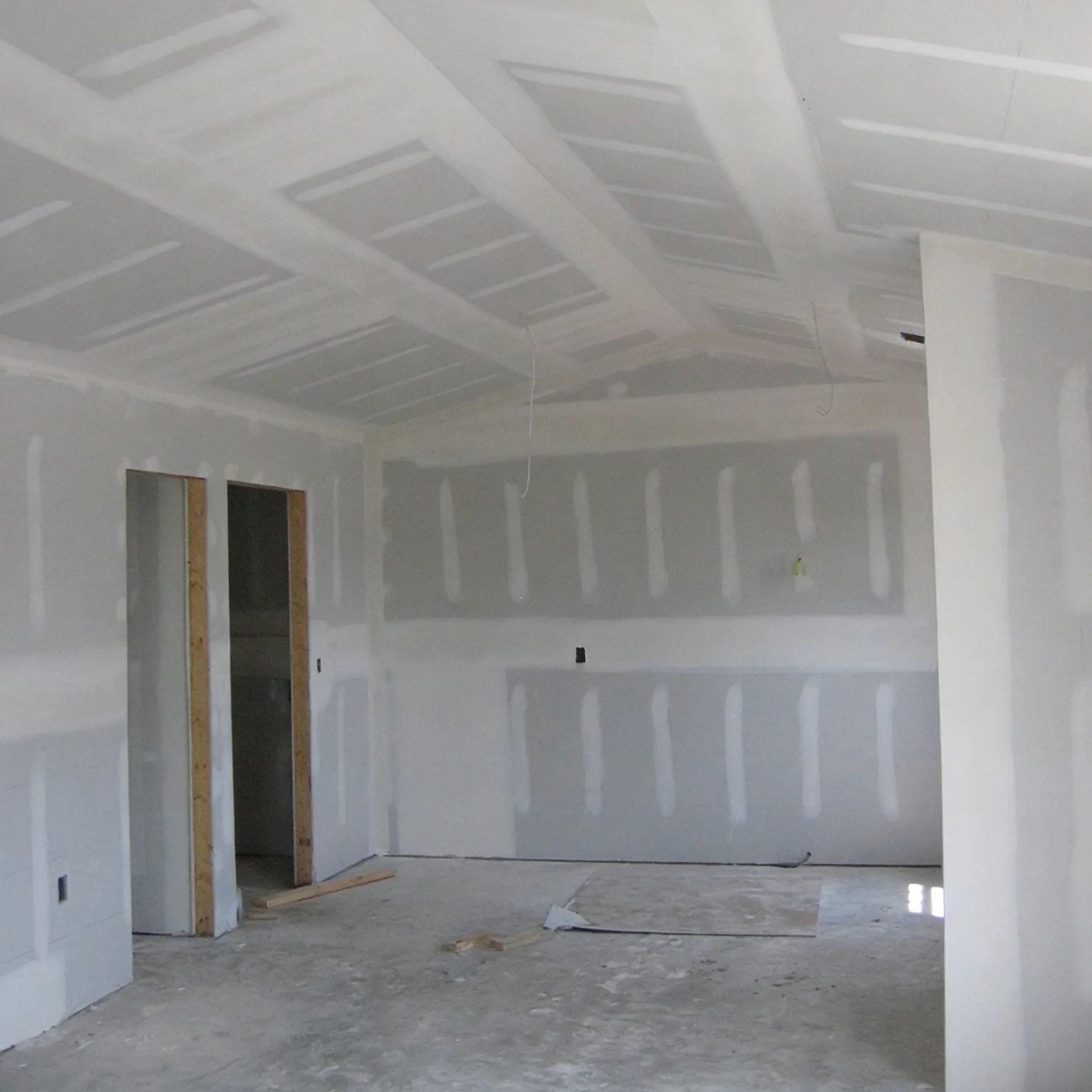
Paint + primer formulas only work well on previously painted walls or sealed surfaces.
New drywall needs a sealer primer first to lock in porosity and support paint adhesion.
Skipping this step often leads to color inconsistency and premature fading.
What Happens If You Put Paint on Drywall Without Primer?
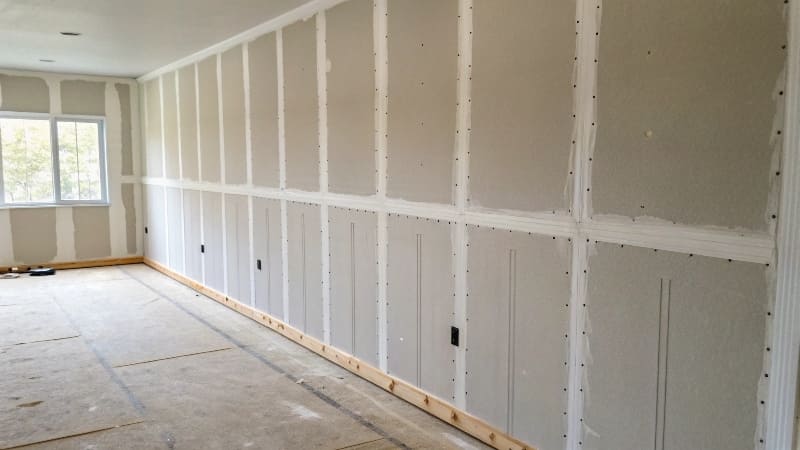
Paint applied directly to new drywall often soaks into the paper surface, leaving dull patches.
Without primer, paint loses its film strength and fails to cover evenly.
TRUSUS coating insight: every missing primer layer appears later as an uneven wall.
Common Surface Issues
| Problem | Cause | Effect on Appearance |
|---|---|---|
| Uneven color | Paper absorbs paint differently | Patchy finish |
| Weak adhesion | No sealing layer | Peeling or flaking |
| High paint use | Paint absorbed deep into pores | Double cost |
| Early fading | Lack of barrier | Discoloration |
I once tested side‑by‑side panels—one primed, one unprimed.
After six months, the unprimed area turned matte and fragile, proving that primer protects both texture and tone.
Can I Paint Straight onto New Plasterboard?
You can, but professionals never recommend it.
Plasterboard acts like a sponge when new and demands a primer coat to resist absorption before finishing.
TRUSUS plasterboard insight: smooth walls start before the first brush stroke.
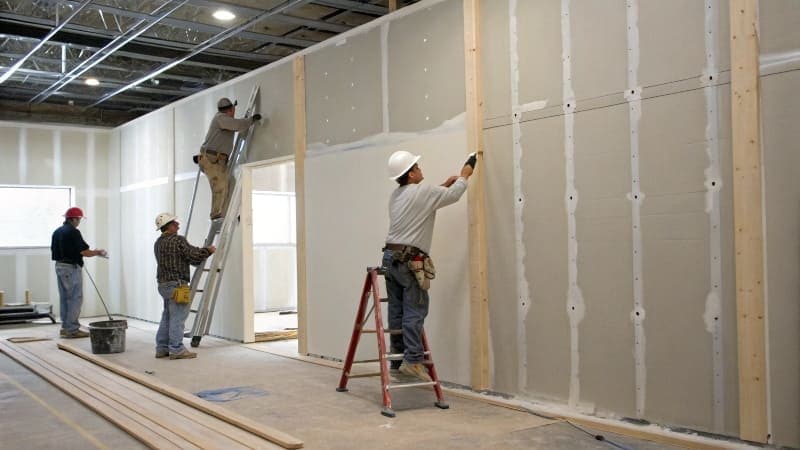
Painting Steps for New Plasterboard
| Step | Purpose | Notes |
|---|---|---|
| 1. Surface cleaning | Remove plaster dust | Vacuum or wipe |
| 2. Primer coat | Seal pores, equalize surface | Use drywall sealer |
| 3. Light sanding | Remove raised fibers | Fine‑grit sandpaper |
| 4. Two top coats | Build color and protection | Match paint type to primer |
On my own projects, priming new boards kept the color uniform and reduced reworking time by half.
Direct painting may save one labor step, but correction later costs more in time and materials.
Does Plasterboard Need a Primer Before Painting?
Yes, every plasterboard wall requires a primer to stabilize moisture absorption and create a bond for the topcoat.
Primer transforms the surface into a controlled painting substrate.
TRUSUS system insight: the wall and the paint must speak the same language.
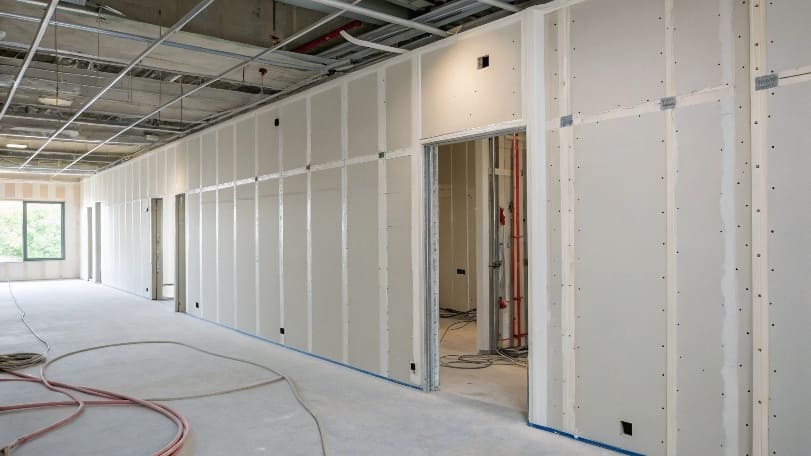
Primer System Compatibility
| Primer Type | Base | Best Use Scenario |
|---|---|---|
| PVA Sealer | Water‑based | For general drywall |
| Acrylic Primer | Flexible film | High‑humidity rooms |
| Alkali‑resistant Primer | Acrylic / Silicate | For new cement boards |
| Tinted Primer | Color‑matched | For dark topcoats |
Applying the right primer also locks joint compound areas, where absorption differs from paper face.
This ensures every section reflects light evenly, giving a seamless finish under daylight or LED.
Conclusion
At TRUSUS, I treat primer not as an added product but as structural assurance between material and paint.
When the board, sealer, and finish work together as one system, every wall tells the story of engineering precision and visual perfection.