



Drywall dust sticks everywhere and affects both air quality and finish quality.
Getting rid of it needs more than cleaning — it needs control from the start.
TRUSUS site insight: dust prevention is smarter than dust sweeping.
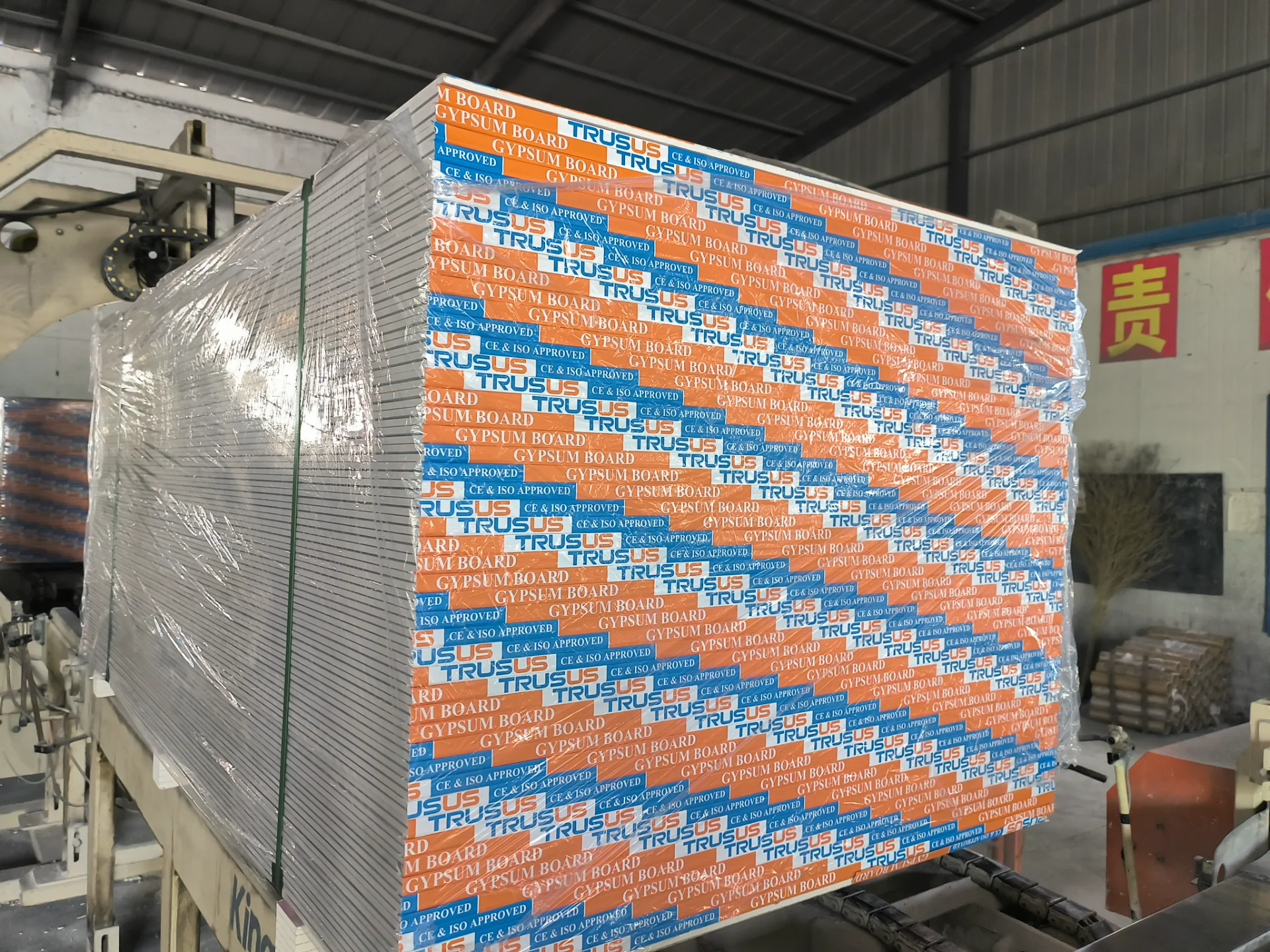
To remove drywall dust effectively, use a combination of vacuum sanding tools, damp cloth wipes, and HEPA vacuum cleaners.
Seal doorways and vents before sanding, clean from top to bottom, and change filters after the job.
Dust control should begin before you start sanding, not after.
How to Sand Drywall Without Getting Dust Everywhere?
Avoiding widespread dust starts with sanding method and equipment choice, not just cleanup effort.
Use dust‑extracting sanders and wet sanding for low airborne residue.
TRUSUS method insight: low‑dust sanding is more design than luck.

Dust Control Methods
| Technique | Description | Best Use Scenario |
|---|---|---|
| Vacuum Sander | Sander connected to suction | Large wall areas |
| Wet Sanding | Slightly damp sponge to smooth | Final finishing coats |
| Enclosed Sanding Booth | Plastic sheet enclosure | Apartment or indoor use |
| Low‑Dust Compound | Special filler formula | Fast projects with limited ventilation |
In my projects, combining vacuum sanding with low‑dust joint compound reduces airborne dust by more than 80%.
It keeps both workers and future residents safer.
How to Sand Gypsum Boards for a Smooth Finish?
Smooth finishes come from staged sanding and correct grit sequence rather than heavy pressure.
Proper lighting and timing make the surface even and ready for painting.
TRUSUS finish insight: smoothness is a process, not muscle power.
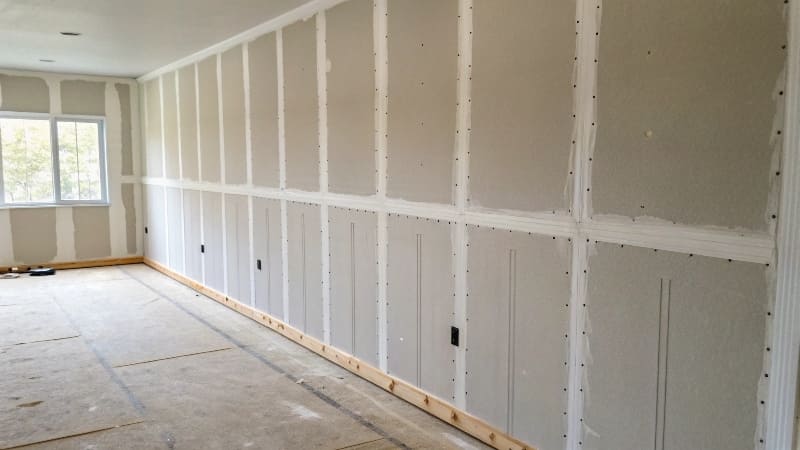
Sanding Steps for Fine Finishing
| Step | Tool | Grit Range | Purpose |
|---|---|---|---|
| 1 | Coarse pole sander | 100–120 grit | Remove excess joint compound |
| 2 | Medium sponge | 150–180 grit | Level overlaps and blend seams |
| 3 | Fine sanding pad | 220 grit | Prepare for painting |
| 4 | Inspection light | Bright side light | Check for imperfections |
During refinishing, I sand lightly in circular motion and use a portable LED light at an angle.
This reveals high spots invisible from the front and ensures a painter‑ready surface without over‑sanding.
How Long Does It Take for Dust to Settle After Drywall Sanding?
Without dust control, full dust settlement can take four to twenty‑four hours, depending on airflow.
Low‑dust systems shorten this dramatically.
TRUSUS efficiency insight: time saved on dust is time gained for delivery.
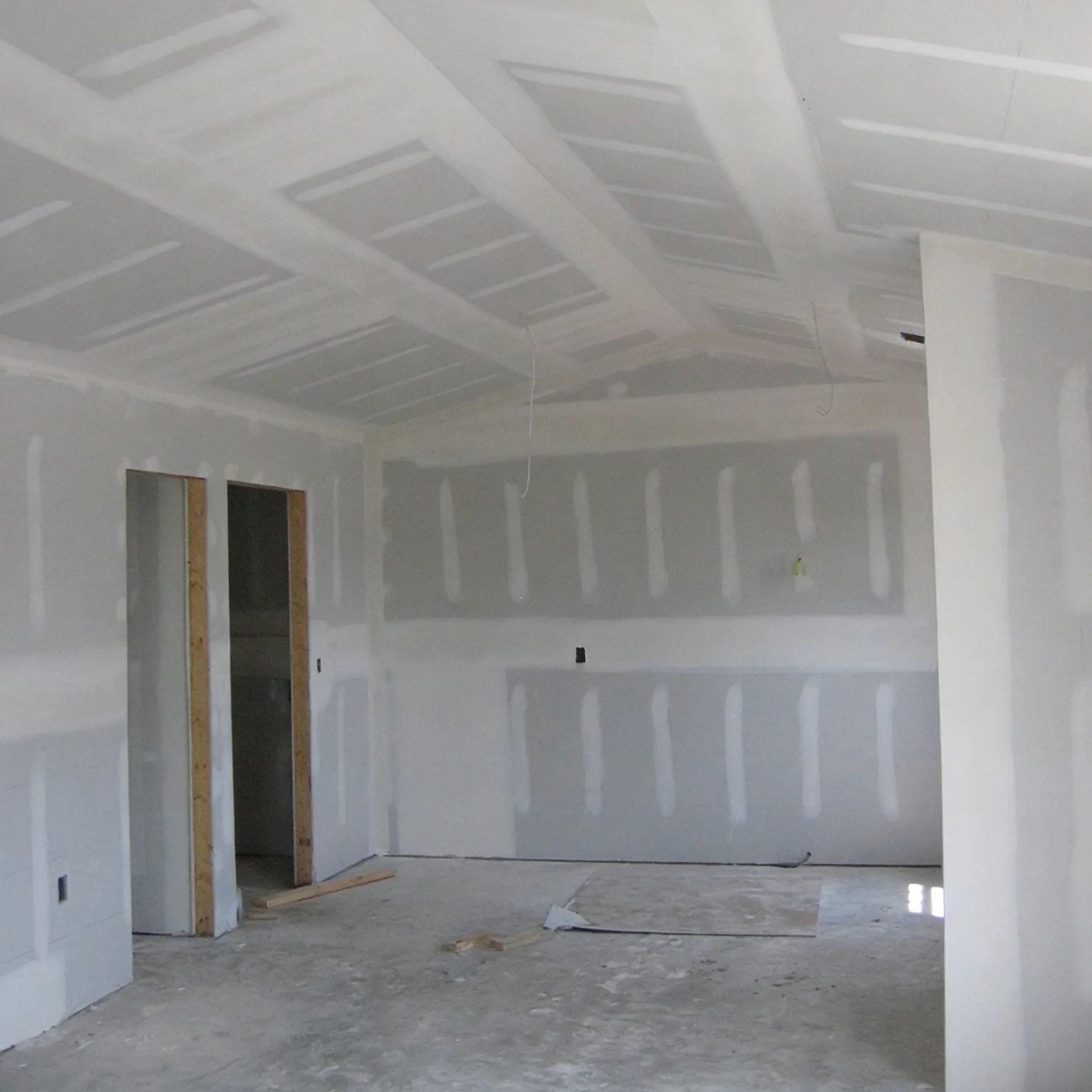
Dust Settlement Factors
| Factor | Description | Impact on Time |
|---|---|---|
| Air Circulation | Ventilated rooms drop dust faster | ↓ Settling time |
| Particle Size | Larger clumps fall quickly | ↓ Settling time |
| Humidity | Dry air keeps dust floating | ↑ Settling time |
| Use of Dust Extraction | Removes particles in process | Immediate removal |
I used to wait overnight for sanding dust to fall before priming.
Now, using integrated vacuum sanders and sealed work zones, clean‑up takes less than one hour, saving both labor and drying time.
Conclusion
At TRUSUS, I see dust control as part of product design, not aftercare.
When boards, compounds, and tools align as a low‑dust system, we create cleaner air and faster, safer construction environments.