



When drywall damage goes beyond small dents, it tests both the material’s strength and the system behind it. A durable wall system must allow reconstruction of the lost section, not just surface repair.
TRUSUS wall insight: restoring structure means rebuilding trust in the material itself.

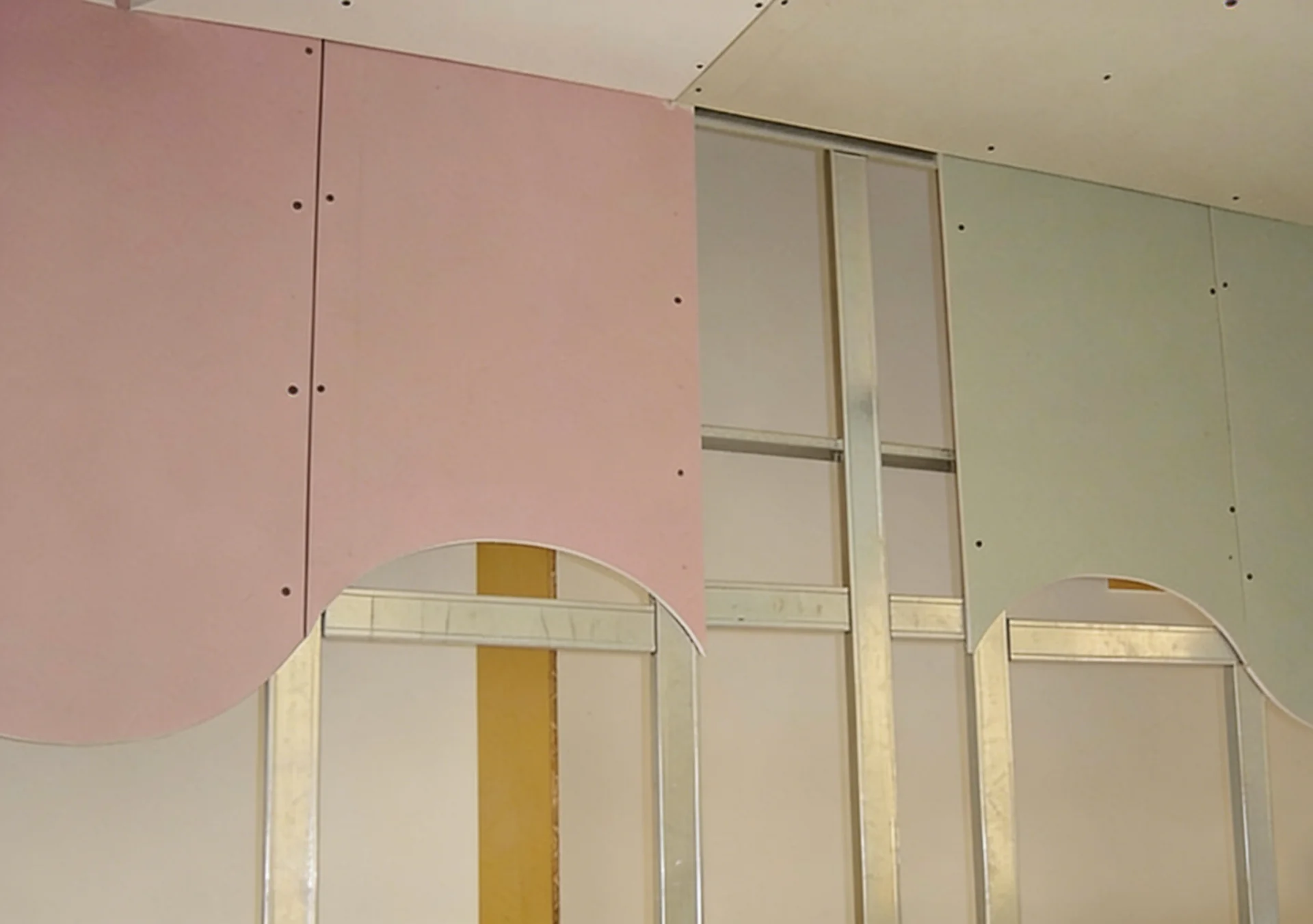
To patch a large hole (over 10 – 15 cm), cut a clean rectangle, insert a matching drywall piece with backing strips, tape the seams, and finish with compound in thin layers. Proper joint adhesion and even drying prevent cracks or bulges later.
How Big of a Hole Is Too Big to Patch in Drywall?
No hole is “too big,” but the approach changes once structure or joints are affected. If damage exceeds half a panel or breaks framing edges, replacement is safer than patching.
TRUSUS repair insight: the material’s flexibility defines how much restoration is practical.
Damage Size Reference Guide
| Hole Diameter | Recommended Method | Reason |
|---|---|---|
| ≤ 50 mm | Fill with compound only | Cosmetic surface fix |
| 50 – 200 mm | Insert drywall patch with tape | Restores flatness |
| 200 mm – 600 mm | Use backing support + patch | Rebuild structural continuity |
| > 600 mm | Replace full section | Frame stability compromised |
I have seen drywall panels absorb small impacts for years, but edge tears or crushed areas always need reinforcement. Understanding this range helps decide between patching and partial replacement.
How Big of a Hole Can You Fill with Drywall Compound?
You can fill openings only up to about 50 mm safely using compound alone. Beyond that, the filler loses strength, shrinks, or collapses during drying.
TRUSUS finishing insight: compound covers flaws, not empty space.
Compound Use Range
| Type of Compound | Ideal Hole Size | Layers Needed | Notes |
|---|---|---|---|
| Lightweight Compound | ≤ 30 mm | 2 – 3 | Easy sanding |
| Heavy Duty Compound | ≤ 50 mm | 3 – 4 | Better hardness |
| Setting‑type Compound | ≤ 75 mm (with backing) | 2 | Quick dry, load‑bearing |
| Joint Repair Compound | ≤ 100 mm (layered) | 3 | Reinforced with tape |
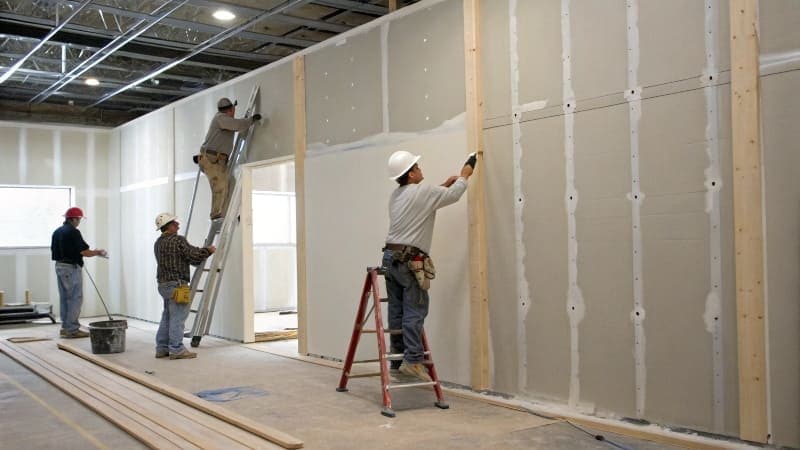
On sites where quick patching is needed, I often use setting‑type compounds for speed and integrity. Trying to fill wider holes only with mud often ends in cracking or uneven finish.
How Do You Patch a Larger Hole with Another Piece of Drywall?
To fix larger areas, use a piece of new drywall the same thickness, reinforced by strips glued behind the existing sheet. Mesh tape covers seams; compound layers restore visual continuity.
TRUSUS systems insight: good repair replicates the original installation logic.
Step‑by‑Step Large Patch System
| Step | Action | Purpose |
|---|---|---|
| 1 | Mark and cut damaged area square | Clean edges for bonding |
| 2 | Install backing wood strips | Support patch |
| 3 | Fit new drywall piece flush | Maintain wall level |
| 4 | Mesh‑tape seams and seal | Prevent cracking |
| 5 | Layer compound, sand, repaint | Recover finish continuity |
In one instance, replacing half‑panel damage after an accidental impact restored both strength and appearance. The wall remained flat and sound years later, proving that properly executed patching sustains full system integrity.
Conclusion
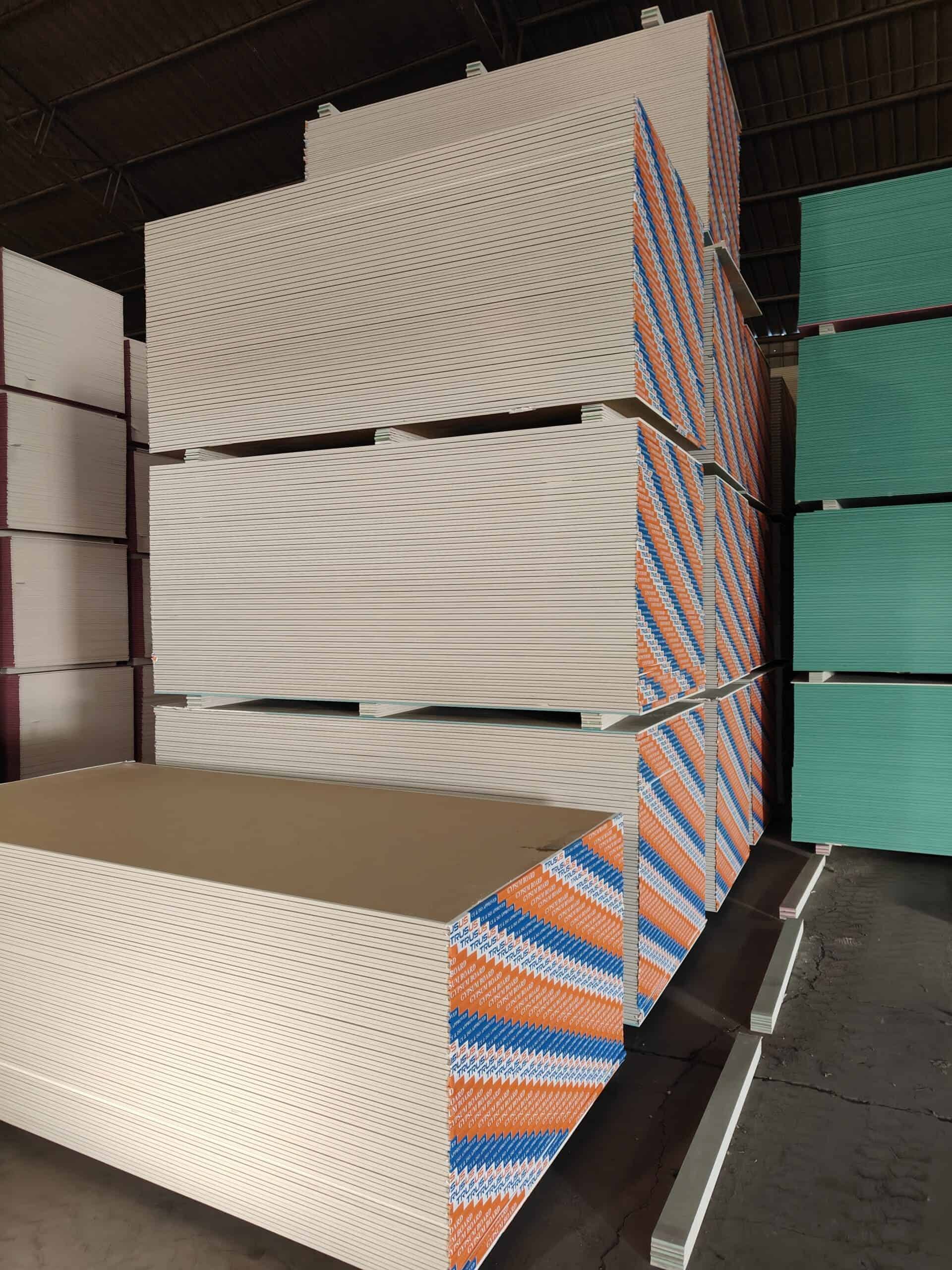
At TRUSUS, I see every drywall hole not as failure but as proof of resilience. When the board design allows easy restoration, it becomes a living system—built to serve, repaired to endure.