



False in many cases. Basement gypsum board installation often uses vertical installation methods to reduce horizontal joints and lower moisture-related risks, although local codes and project conditions can vary.
TRUSUS system insight: basement drywall installation is not only about board direction. It is about moisture management, joint control, and full wall-system performance.
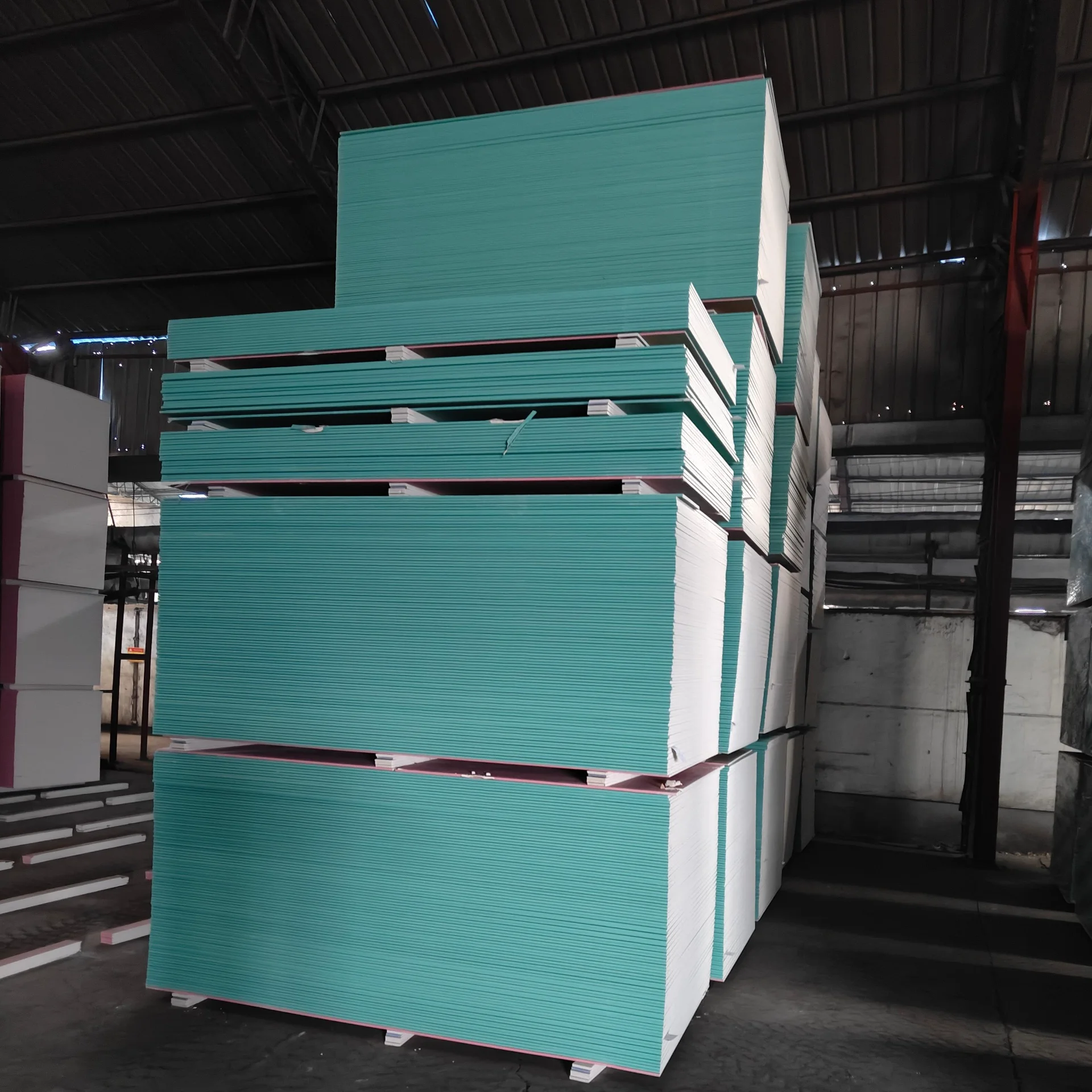
Basements create very different conditions compared to above-ground rooms.
Humidity levels are usually higher.
Temperature changes are also less stable.
TRUSUS Why Basement Installations Need Special Attention
| Basement Condition | Installation Impact |
|---|---|
| Higher humidity | Greater mold risk |
| Concrete walls | Moisture migration |
| Lower airflow | Slower drying |
| Cooler surfaces | Condensation risk |
Because of this, drywall layout decisions matter more in basements.
TRUSUS Vertical Vs Horizontal Installation
| Installation Method | Main Advantage |
|---|---|
| Vertical installation | Fewer horizontal seams |
| Horizontal installation | Faster finishing in some projects |
Horizontal joints can become weak points for moisture exposure.
TRUSUS Important Basement Wall Components
| System Layer | Purpose |
|---|---|
| Vapor control | Moisture management |
| Insulation | Thermal protection |
| Framing cavity | Air separation |
| Gypsum board | Interior finishing |
The gypsum board itself is only one part of the full wall system.
TRUSUS Common Basement Installation Mistakes
| Mistake | Possible Result |
|---|---|
| Direct board contact with concrete | Moisture absorption |
| Poor ventilation | Mold growth |
| Weak joint sealing | Surface damage |
| Wrong board type | Reduced durability |
I often see people focus only on board installation while ignoring moisture control behind the wall.
TRUSUS The Bigger Industry Shift
| Traditional Drywall Thinking | Modern System Thinking |
|---|---|
| Simple wall covering | Integrated building system |
| Low-cost installation | Long-term performance |
| Product-only focus | Environment-specific design |
This shift is changing how professionals approach gypsum board projects today.
What Is Gypsum Board Commonly Used For?
Gypsum board is commonly used for interior walls, ceilings, partitions, fire-rated assemblies, and decorative architectural systems in residential, commercial, and industrial buildings. It remains one of the most widely used interior construction materials worldwide.
TRUSUS application insight: gypsum board is no longer only a fast wall solution. It has become a multifunctional platform for modern interior building systems.
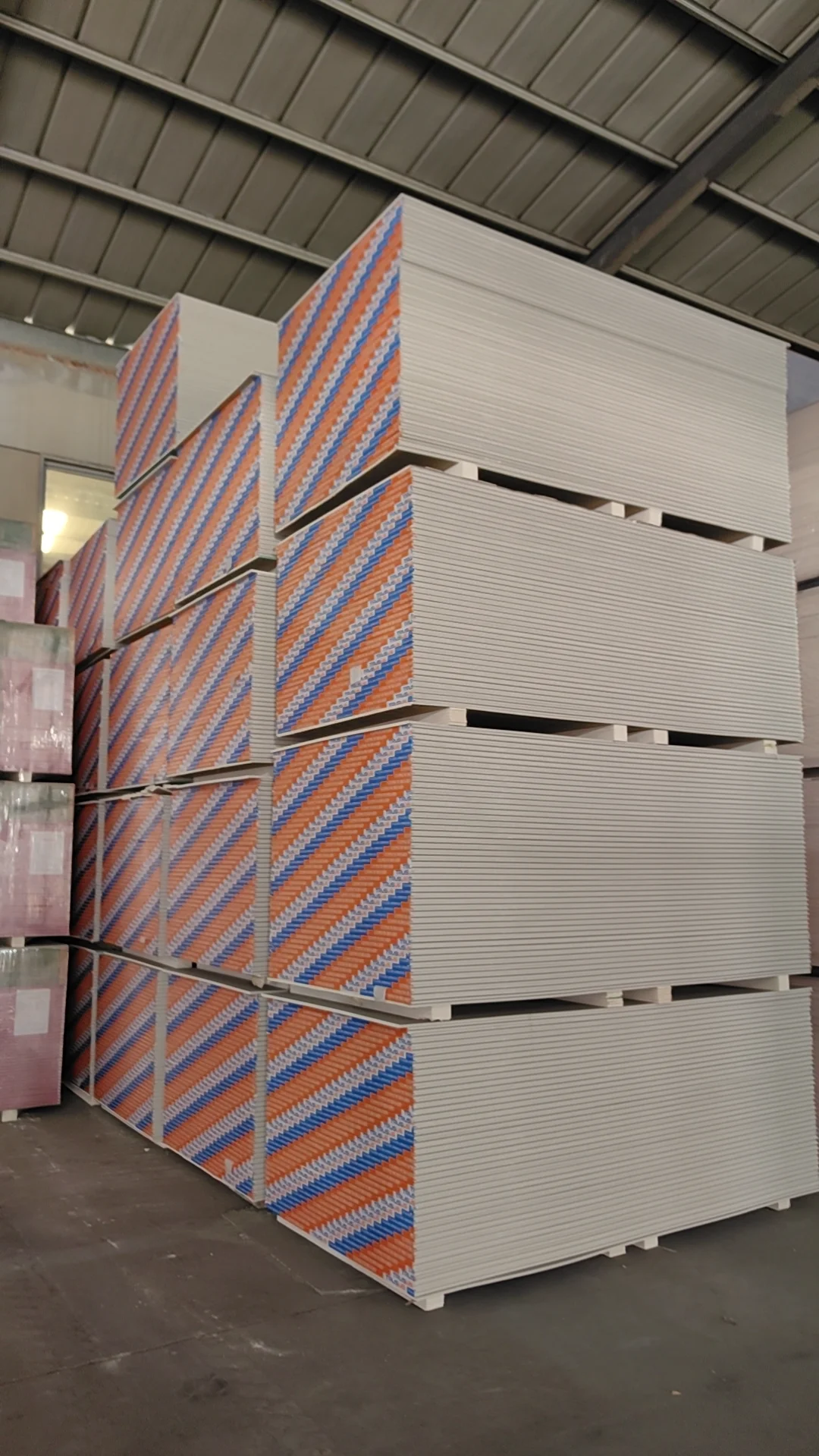
Gypsum board became popular because it combines speed, cost efficiency, and performance.
Its uses continue to expand.
TRUSUS Common Gypsum Board Applications
| Application | Main Function |
|---|---|
| Interior walls | Space division |
| Ceiling systems | Surface finishing |
| Fire-rated assemblies | Fire protection |
| Acoustic partitions | Noise reduction |
| Decorative features | Architectural design |
Different project types require different board specifications.
TRUSUS Specialized Gypsum Board Types
| Board Type | Typical Use |
|---|---|
| Standard board | General interiors |
| Moisture-resistant board | Bathrooms and kitchens |
| Fire-rated board | Safety assemblies |
| Soundproof board | Acoustic control |
Modern buildings rarely use one universal board type everywhere.
TRUSUS Why Gypsum Board Became So Important
| Material Advantage | Building Benefit |
|---|---|
| Lightweight | Faster construction |
| Smooth surface | Easy finishing |
| Fire resistance | Improved safety |
| Easy installation | Lower labor time |
The material supports both performance and construction efficiency.
TRUSUS How Building Standards Changed Gypsum Board Use
| Older Construction Focus | Modern Construction Focus |
|---|---|
| Basic partitioning | Multi-performance systems |
| Fast installation | Energy and acoustic optimization |
| Standardized interiors | Customized environments |
I have noticed that customers increasingly ask about total system compatibility rather than only board pricing.
TRUSUS The Evolution Toward Integrated Systems
| Traditional Supplier Role | Modern Supplier Role |
|---|---|
| Material provider | System solution provider |
| Product sales | Technical consulting |
| Standard supply | Project-specific optimization |
This transformation is reshaping the entire gypsum board industry.
Is Gypsum Board Permeable?
Yes, gypsum board is moderately permeable. Its structure allows limited moisture vapor movement, which helps interior spaces balance humidity while still maintaining wall-system stability when properly designed.
TRUSUS material insight: gypsum board permeability is not a weakness. It is part of the material’s environmental balancing capability inside modern buildings.
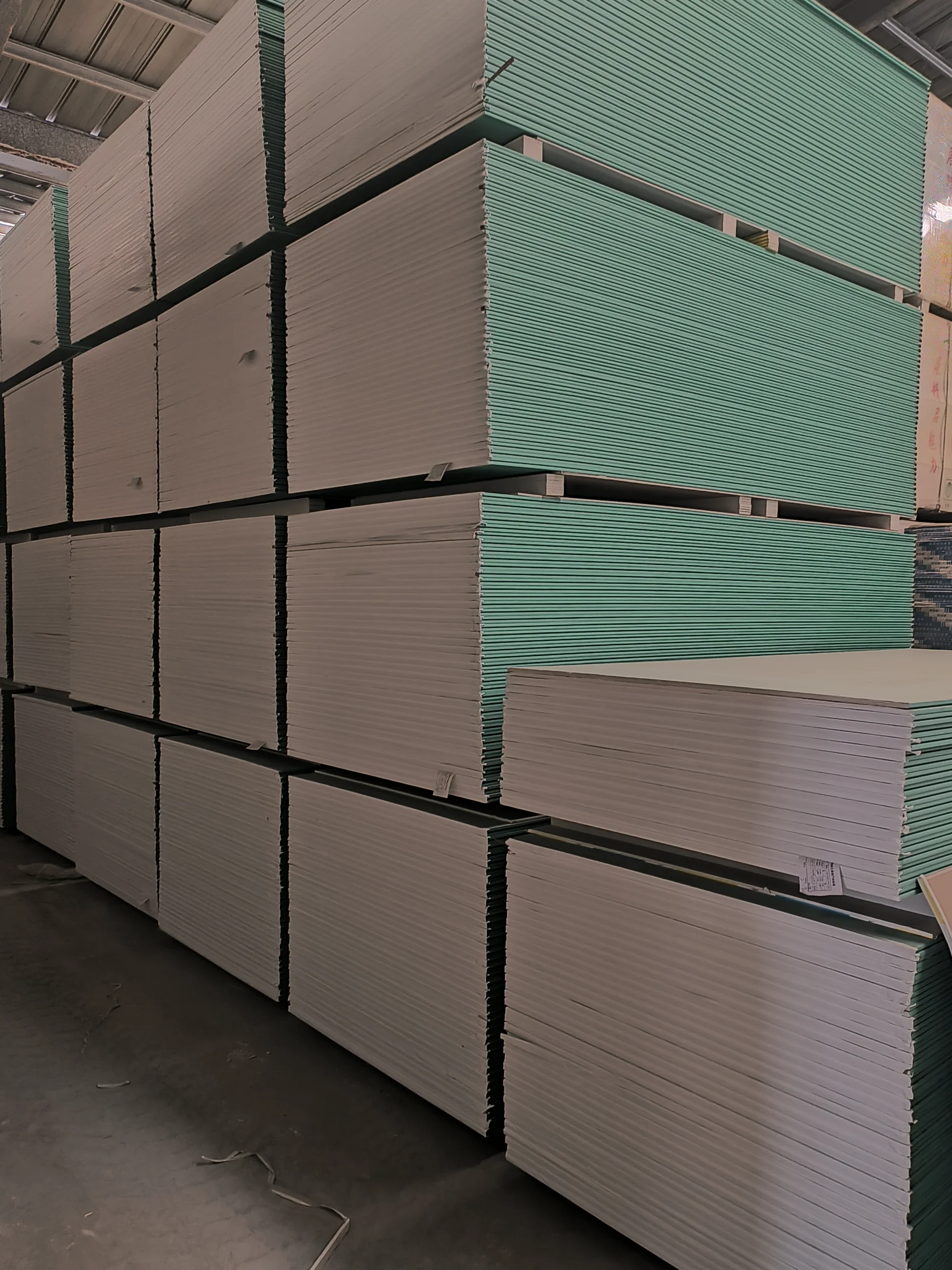
Many people assume walls should completely block moisture movement.
In reality, controlled vapor movement is often beneficial.
TRUSUS Why Permeability Matters
| Material Property | Building Effect |
|---|---|
| Vapor permeability | Moisture balancing |
| Breathability | Indoor comfort |
| Controlled diffusion | Reduced condensation risk |
The goal is not total vapor blocking.
The goal is controlled moisture management.
TRUSUS Factors Affecting Gypsum Board Permeability
| Factor | Impact |
|---|---|
| Board thickness | Vapor resistance changes |
| Surface coatings | Reduced permeability |
| Humidity levels | Moisture transfer variation |
| Wall assembly design | System performance difference |
Paints and finishes can greatly change vapor behavior.
TRUSUS Common Misunderstandings
| Misunderstanding | Reality |
|---|---|
| Permeable means weak | Controlled permeability can help buildings |
| All boards behave the same | Different boards have different ratings |
| More sealing is always better | Poor drying can trap moisture |
I often explain that moisture problems usually come from poor system design, not from permeability alone.
TRUSUS Why Moisture Control Is Becoming More Important
| Modern Building Trend | Result |
|---|---|
| Better insulation | Reduced natural drying |
| Airtight construction | More vapor management needs |
| Energy efficiency standards | Higher wall-system complexity |
As buildings become more sealed, wall systems must become smarter.
TRUSUS The Industry Shift Toward Building Science
| Older Material Selection | Modern Material Engineering |
|---|---|
| Basic material choice | Whole-system moisture design |
| Simple wall construction | Performance-based assemblies |
| Isolated product thinking | Integrated building science |
Gypsum board today plays a larger environmental role than many people realize.
Is Gypsum Board Porous?
Yes, gypsum board is porous. Its internal structure contains microscopic pores that contribute to its lightweight nature, sound absorption, thermal behavior, and moisture-regulating properties.
TRUSUS structure insight: the porosity of gypsum board is not a defect. It is one of the key reasons the material performs well in modern interior systems.

The gypsum core contains tiny air spaces formed during manufacturing.
These pores affect several performance characteristics.
TRUSUS Benefits Of Controlled Porosity
| Porous Characteristic | Functional Benefit |
|---|---|
| Lightweight structure | Easier installation |
| Air pockets | Thermal performance |
| Sound absorption | Acoustic improvement |
| Moisture interaction | Indoor humidity balancing |
Porosity helps gypsum board remain practical for large-scale construction.
TRUSUS Why Porosity Must Be Controlled
| Too Little Porosity | Too Much Porosity |
|---|---|
| Higher weight | Lower strength |
| Reduced insulation | Moisture sensitivity |
| Poor sound control | Durability issues |
Manufacturing balance is extremely important.
TRUSUS How Surface Treatments Affect Porosity
| Surface Treatment | Result |
|---|---|
| Paint coatings | Lower vapor transfer |
| Vinyl laminates | Increased moisture resistance |
| Sealers | Reduced absorption |
The final wall system changes how the board behaves.
TRUSUS Common Customer Confusion
| Question | Professional Perspective |
|---|---|
| Is porous material weak? | Not necessarily |
| Does porosity cause mold? | Moisture management matters more |
| Should walls be fully sealed? | Controlled balance is better |
I often explain that modern wall systems rely on balance rather than extremes.
TRUSUS The Shift From Product Knowledge To System Knowledge
| Older Market Understanding | Modern Professional Understanding |
|---|---|
| Drywall is simple board material | Drywall is part of building science |
| Product-based decisions | System-based optimization |
| Lowest-cost focus | Long-term performance focus |
As customer expectations rise, gypsum board is increasingly evaluated as part of a complete interior environmental system.
Conclusion
At TRUSUS, I believe gypsum board should no longer be viewed as a simple wall panel. Its true value appears when it is understood as part of a complete building system that balances moisture, comfort, fire safety, acoustics, and long-term interior performance.