



Drywall can be attached to a shipping container by installing a framed substructure over the steel walls, followed by insulation, vapor control layers, and drywall fastening systems. Direct attachment to container steel is usually not recommended because of condensation and movement issues.
TRUSUS system insight: drywall installation inside containers is not simply interior finishing. It is part of transforming a cargo structure into a habitable building system.
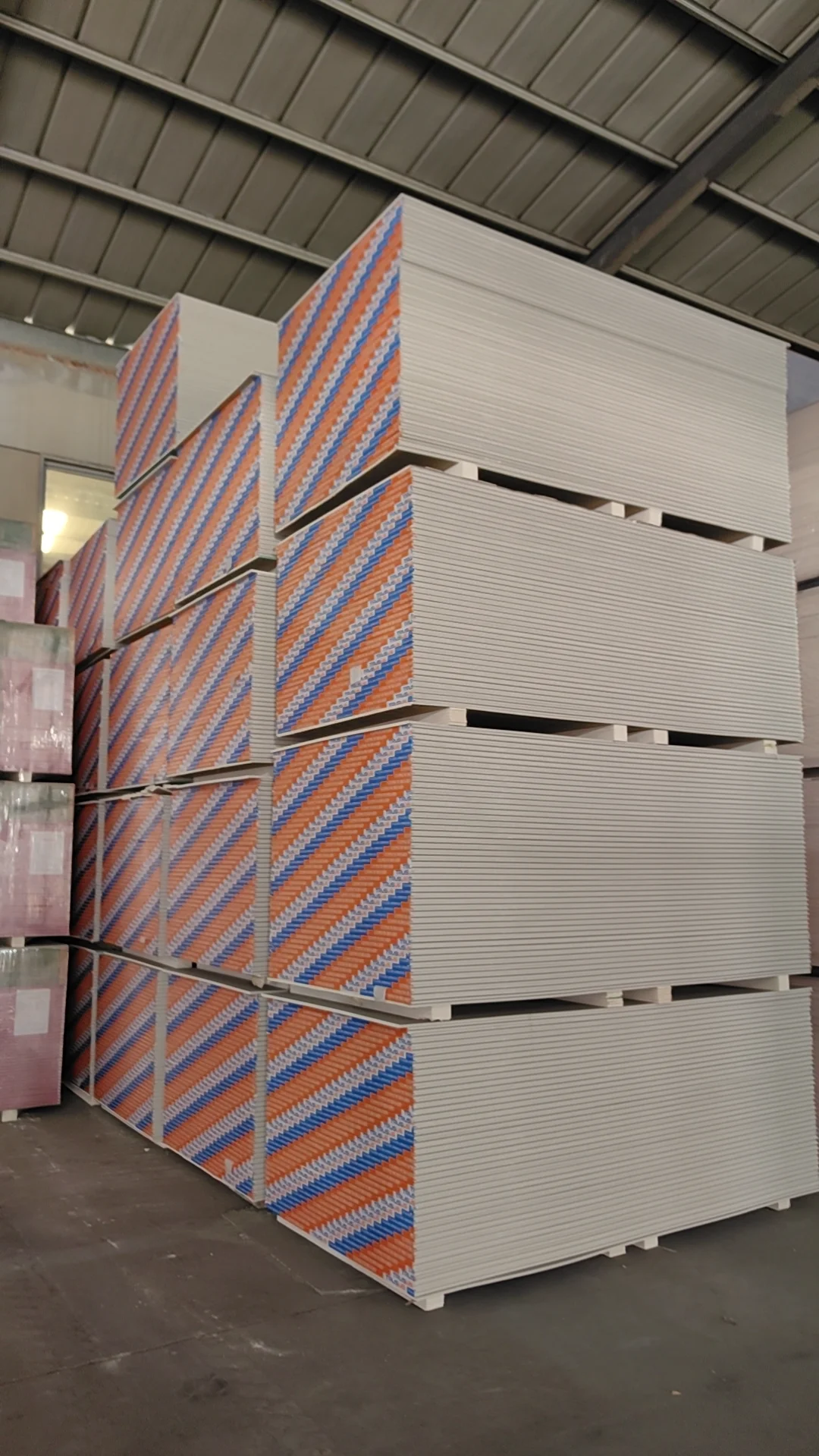
Shipping containers behave very differently from traditional buildings.
Their steel walls transfer heat quickly.
This creates strong condensation risks.
Common Container Drywall Installation Method
| Installation Layer | Purpose |
|---|---|
| Steel container shell | Structural enclosure |
| Framing system | Drywall support |
| Insulation layer | Thermal control |
| Vapor barrier | Moisture management |
| Drywall panels | Interior finish |
A framed cavity is usually necessary between the steel wall and drywall.
Why Direct Drywall Attachment Is Risky
| Problem | Result |
|---|---|
| Steel condensation | Mold growth |
| Thermal bridging | Energy loss |
| Wall movement | Joint cracking |
| Moisture trapping | Material damage |
I often see beginners attempt direct adhesive bonding to steel walls.
That usually creates long-term moisture problems.
Recommended Framing Systems
| Framing Type | Advantage |
|---|---|
| Steel studs | Fire resistance |
| Wood furring strips | Easier installation |
| Floating framing systems | Better movement control |
The framing system should also allow space for electrical and plumbing services.
Important Moisture Protection Measures
| Protection Method | Benefit |
|---|---|
| Closed-cell insulation | Reduced condensation |
| Vapor barriers | Moisture control |
| Ventilation gaps | Improved drying |
| Thermal breaks | Lower heat transfer |
Container interiors experience rapid temperature changes.
That makes moisture management extremely important.
The Bigger Industry Shift
| Traditional Container Use | Modern Container Use |
|---|---|
| Cargo transport | Human occupancy |
| Temporary storage | Permanent interior spaces |
| Bare steel interior | Finished living environment |
This evolution explains why drywall systems now play a major role in container conversion projects.
Can I Ship Joint Compound In The Same Container As Drywall?
Yes, joint compound can usually be shipped in the same container as drywall if moisture control, load stability, and temperature conditions are properly managed during transportation. However, mixed-material shipping requires careful logistics planning to avoid product damage.
TRUSUS logistics insight: modern drywall supply is moving from separate product shipping toward integrated system delivery.
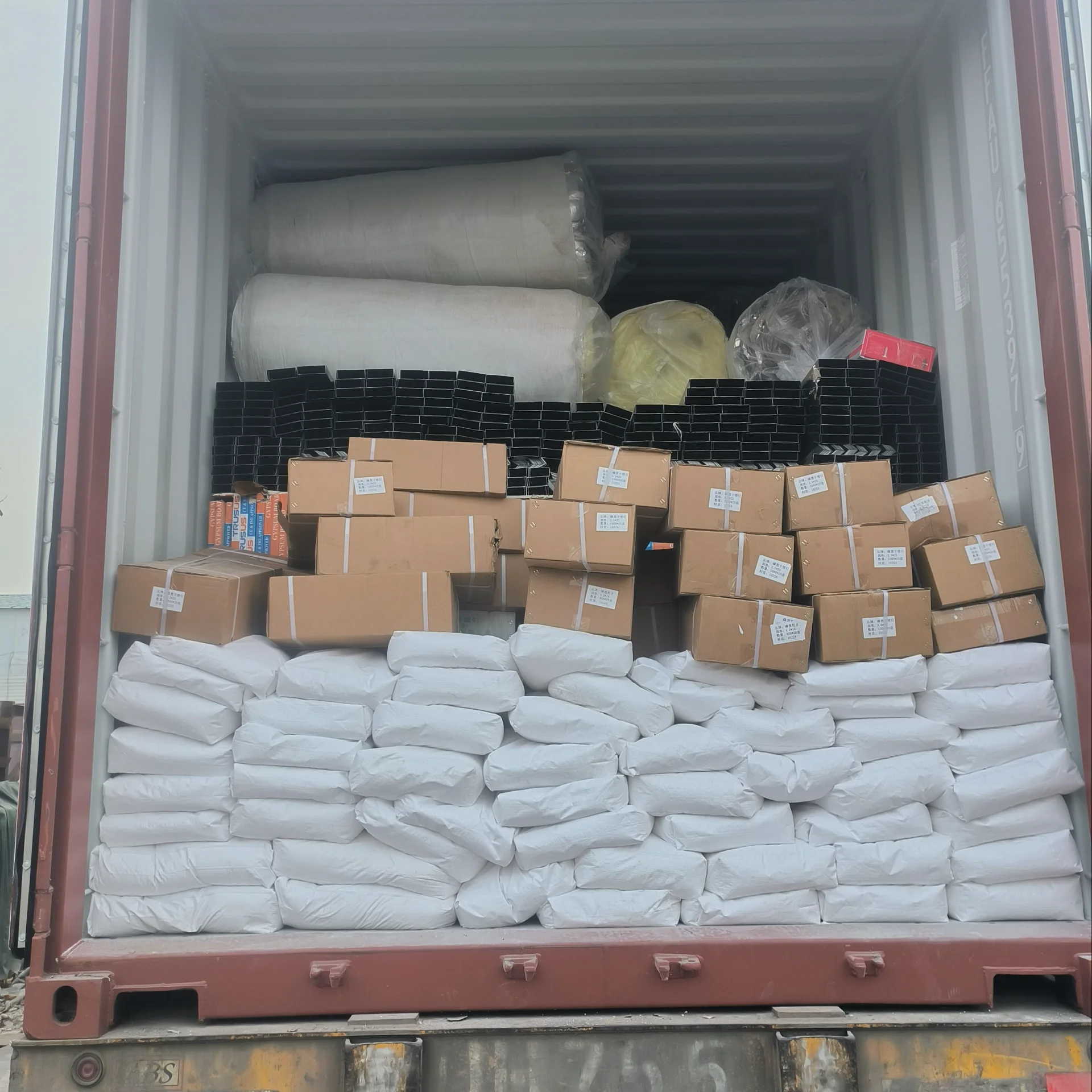
Drywall and joint compound are often used together on the same project.
Because of this, many customers prefer consolidated shipments.
Key Shipping Considerations
| Shipping Factor | Why It Matters |
|---|---|
| Humidity control | Prevents drywall damage |
| Temperature stability | Protects compound quality |
| Load balancing | Avoids board breakage |
| Packaging integrity | Reduces contamination |
Drywall is vulnerable to moisture absorption.
Joint compound is sensitive to freezing and overheating.
Common Shipping Risks
| Risk | Potential Problem |
|---|---|
| Water exposure | Drywall swelling |
| Bucket shifting | Product damage |
| Excessive heat | Compound degradation |
| Poor stacking | Cracked panels |
Proper palletization becomes very important.
Best Practices For Mixed Loading
| Best Practice | Benefit |
|---|---|
| Separate pallet zones | Better stability |
| Moisture barriers | Reduced humidity exposure |
| Temperature monitoring | Product protection |
| Reinforced packaging | Lower transit damage |
In export projects, container ventilation also matters.
Why Integrated Shipping Is Increasing
| Traditional Supply Model | Modern Supply Model |
|---|---|
| Separate material sourcing | System-based supply |
| Multiple shipments | Consolidated logistics |
| Product-only sales | Complete solution delivery |
I have noticed that modular construction and fast-track projects strongly prefer bundled drywall system supply.
The Rise Of System-Based Building Materials
| Industry Change | Customer Benefit |
|---|---|
| One-stop sourcing | Simpler procurement |
| Matched components | Better compatibility |
| Unified technical support | Faster installation |
| Optimized logistics | Lower total costs |
This shift is changing the role of drywall manufacturers across the industry.
Can Joint Compound Be Used As Drywall Mud?
Yes, joint compound is drywall mud. The term “drywall mud” is a common job-site name used to describe joint compound products used for taping, finishing, and smoothing drywall joints and surfaces.
TRUSUS product insight: while people often use these terms interchangeably, different joint compounds are designed for different finishing functions.
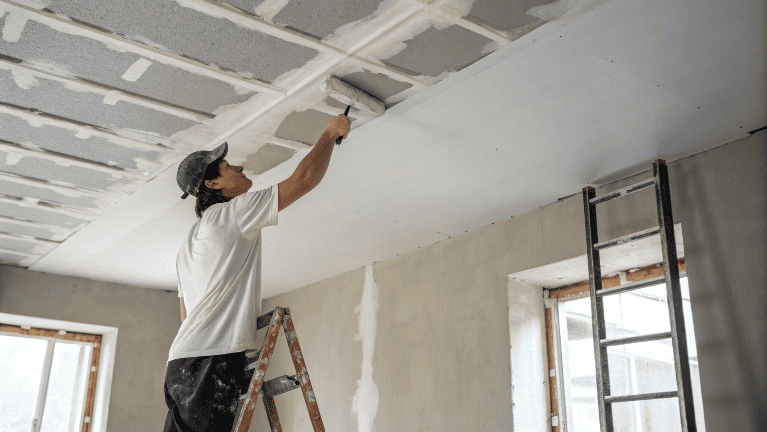
Many customers assume all drywall mud products perform the same way.
But there are several important product categories.
Common Types Of Drywall Mud
| Compound Type | Main Use |
|---|---|
| All-purpose compound | General finishing |
| Taping compound | Joint tape embedding |
| Topping compound | Final smooth coats |
| Setting-type compound | Fast repairs and strong bonding |
Each product has different drying and sanding characteristics.
Why Product Selection Matters
| Project Need | Recommended Compound |
|---|---|
| Fast repair work | Setting compound |
| Smooth final finish | Topping compound |
| Beginner installation | All-purpose compound |
Using the wrong product can increase labor time significantly.
Common Misunderstandings
| Misunderstanding | Reality |
|---|---|
| All muds are identical | Formulas vary |
| Faster drying is always better | Workability matters |
| One compound fits all stages | Different coats need different properties |
I often explain that drywall finishing is a layered system, not a single-step process.
How Joint Compound Supports The Drywall System
| Function | Purpose |
|---|---|
| Joint filling | Surface continuity |
| Tape embedding | Crack prevention |
| Surface smoothing | Finish preparation |
| Fastener concealment | Visual quality |
The quality of finishing materials strongly affects the final appearance of the wall.
The Industry Shift Toward System Compatibility
| Older Market Approach | New Market Approach |
|---|---|
| Generic materials | Matched systems |
| Lowest-cost selection | Performance optimization |
| Separate purchasing | Integrated supply chains |
Today, many contractors prefer system-tested combinations of drywall, compound, tape, and accessories.
How Long Will Drywall Mud Stay Good In A Bucket?
Unopened drywall mud in a sealed bucket typically remains usable for about 6 to 12 months depending on storage conditions and manufacturer recommendations. Once opened, its lifespan shortens significantly if exposed to air, contamination, or freezing temperatures.
TRUSUS storage insight: drywall compound shelf life is not only about time. It is heavily affected by moisture control, temperature stability, and job-site handling practices.
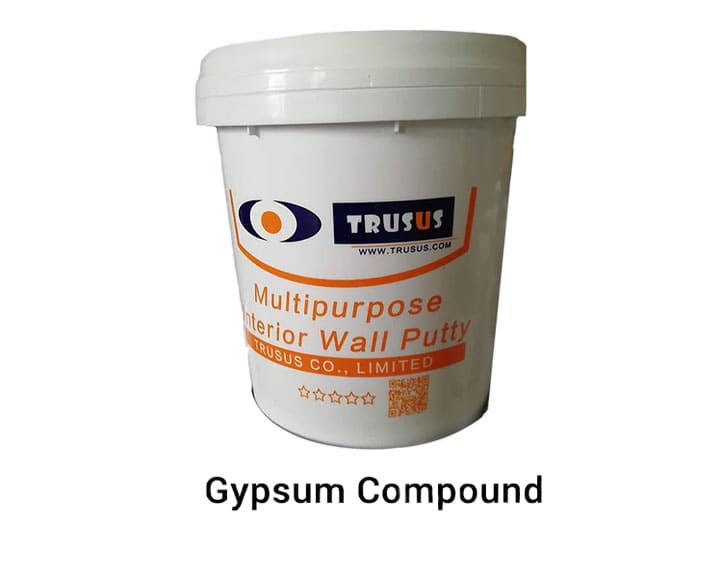
Drywall compound contains water and chemical additives.
Because of this, storage conditions matter greatly.
Typical Shelf Life Conditions
| Product Condition | Expected Usability |
|---|---|
| Factory-sealed bucket | 6–12 months |
| Opened bucket | Much shorter |
| Frozen compound | Usually damaged |
| Contaminated compound | Unusable |
Manufacturers normally print production dates and storage guidelines on packaging.
Common Causes Of Premature Failure
| Cause | Result |
|---|---|
| Freezing temperatures | Texture breakdown |
| Air exposure | Drying and hardening |
| Dirty tools | Mold or contamination |
| Excessive heat | Chemical instability |
I have seen many job sites lose large amounts of compound simply because buckets were left partially open overnight.
Signs That Drywall Mud Has Gone Bad
| Warning Sign | Meaning |
|---|---|
| Sour odor | Bacterial growth |
| Hard lumps | Drying damage |
| Separation issues | Formula breakdown |
| Poor adhesion | Product failure |
Using expired compound can create finishing defects later.
Best Storage Practices
| Storage Method | Benefit |
|---|---|
| Keep lids tightly sealed | Prevents drying |
| Store above freezing | Maintains consistency |
| Use clean tools | Reduces contamination |
| Rotate inventory | Better freshness control |
Large contractors often implement inventory management systems for compound storage.
Why Storage Management Matters More Today
| Industry Trend | Impact |
|---|---|
| Faster construction schedules | Reduced material waste tolerance |
| System-based supply chains | Greater compatibility focus |
| Modular building growth | Pre-planned logistics |
| Quality-driven finishing | Better material control |
As drywall systems become more integrated, storage and logistics management are becoming just as important as installation itself.
Conclusion
At TRUSUS, I believe drywall systems now extend far beyond simple wall panels. From shipping logistics to interior finishing performance, the industry is evolving toward fully integrated, system-based construction solutions that improve efficiency, compatibility, and long-term project quality.