



An already drywalled wall can be soundproofed by adding mass, installing isolation clips or resilient channels, using acoustic insulation, and sealing all sound leakage points. The most effective upgrades reduce both airborne and structural sound transmission.
TRUSUS wall-system insight: existing drywall walls are rarely limited by panel thickness alone. The framing connection usually controls sound performance.
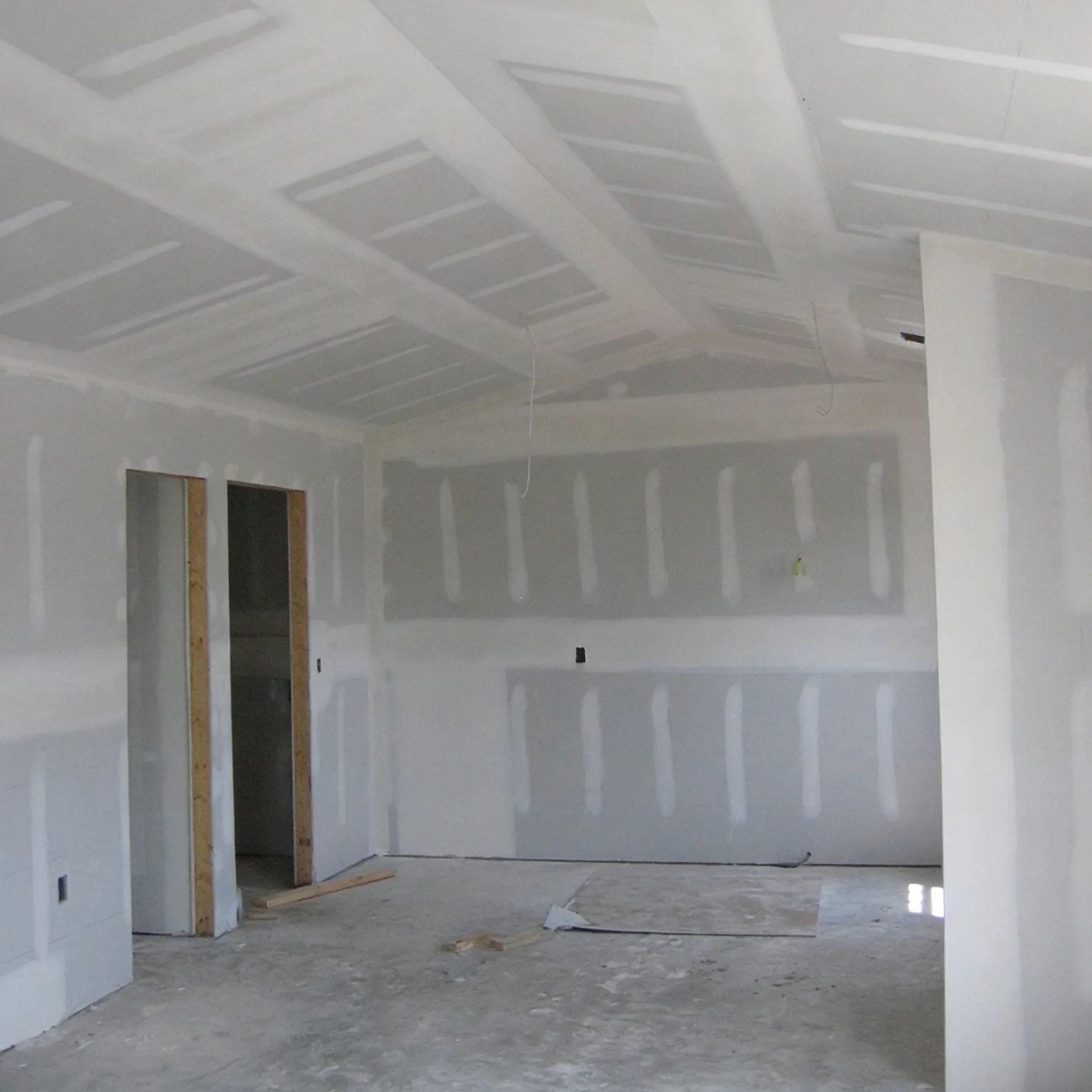
Most standard drywall walls are directly attached to framing.
That creates a rigid vibration pathway.
Sound energy travels through:
- Studs
- Fasteners
- Drywall layers
- Structural framing
This is why simply adding foam panels often disappoints homeowners.
Effective Existing Wall Upgrade Methods
| Upgrade Method | Main Function |
|---|---|
| Double drywall layers | Increased sound blocking |
| Isolation clips | Break vibration path |
| Green glue damping compound | Vibration absorption |
| Mineral wool insulation | Internal cavity absorption |
| Acoustic caulk | Seal air gaps |
Isolation and damping are especially important for low-frequency noise.
Why Existing Walls Leak Sound
| Weak Area | Acoustic Problem |
|---|---|
| Electrical outlets | Air leakage |
| Stud connections | Structure-borne vibration |
| Door frames | Flanking transmission |
| Ceiling intersections | Sound bypass routes |
I often explain that sound behaves more like water than most people realize.
If there is a weak path, sound will find it.
Recommended Retrofit Wall Assembly
| Layer | Purpose |
|---|---|
| Existing drywall | Base structure |
| Isolation clips | Decoupling |
| Hat channel | Flexible support |
| Additional drywall layers | Increased mass |
| Acoustic sealant | Airtightness |
This layered approach significantly improves wall performance without full demolition.
Performance Expectations
| Upgrade Level | Typical Improvement |
|---|---|
| Basic added drywall | Moderate |
| Clips plus double drywall | High |
| Full decoupled assembly | Very high |
Modern acoustic upgrades are increasingly treated as interior performance investments rather than simple renovations.
Can I Use Isolation Clips On Existing Drywall?
Yes, isolation clips can be installed over existing drywall in many retrofit projects, provided the framing remains structurally sound and installation depth is acceptable. They help decouple new drywall layers from the original wall structure to reduce sound vibration transfer.
TRUSUS retrofit insight: isolation clips are one of the most effective tools for upgrading sound performance in finished spaces without full wall demolition.
Isolation clips work by separating the drywall surface from the framing system.
This interrupts vibration transmission.
How Isolation Clips Work
| Component | Acoustic Function |
|---|---|
| Clip body | Flexible separation |
| Rubber isolator | Vibration reduction |
| Hat channel | Floating support |
| Drywall layer | Mass barrier |
Without decoupling, sound easily transfers through rigid framing.
Benefits Of Retrofit Isolation Clip Systems
| Benefit | Result |
|---|---|
| Reduced structure-borne sound | Quieter rooms |
| Better low-frequency control | Improved bass isolation |
| Minimal demolition | Faster installation |
| Flexible upgrades | Adaptable design |
Many music studios and office retrofit projects now rely heavily on clip systems.
Important Installation Considerations
| Consideration | Why It Matters |
|---|---|
| Existing wall condition | Structural stability |
| Ceiling height loss | Added assembly depth |
| Fastener spacing | System performance |
| Additional drywall weight | Framing capacity |
Improper installation can reduce effectiveness dramatically.
Common Retrofit Mistakes
| Mistake | Consequence |
|---|---|
| Clips over damaged framing | Continued vibration |
| Poor screw placement | Sound bridging |
| Unsealed edges | Airborne leakage |
| Missing insulation | Reduced absorption |
I have seen projects spend heavily on premium materials while ignoring installation details.
Small acoustic bridges can undo much of the system benefit.
Why Isolation Systems Matter More Today
| Modern Need | Acoustic Requirement |
|---|---|
| Remote work | Privacy |
| Home entertainment | Noise control |
| Urban living | Traffic reduction |
| Multifamily housing | Neighbor isolation |
Acoustic privacy is becoming a major part of indoor environmental quality.
That trend continues to grow rapidly.
What Are Soundproofing Clips For Drywall?
Soundproofing clips for drywall are vibration-isolating mounting devices used to separate drywall from framing structures and reduce sound transmission through walls and ceilings. They are commonly paired with hat channels and multiple drywall layers in high-performance acoustic systems.
TRUSUS engineering insight: soundproofing clips transform a rigid wall into a controlled acoustic isolation system.
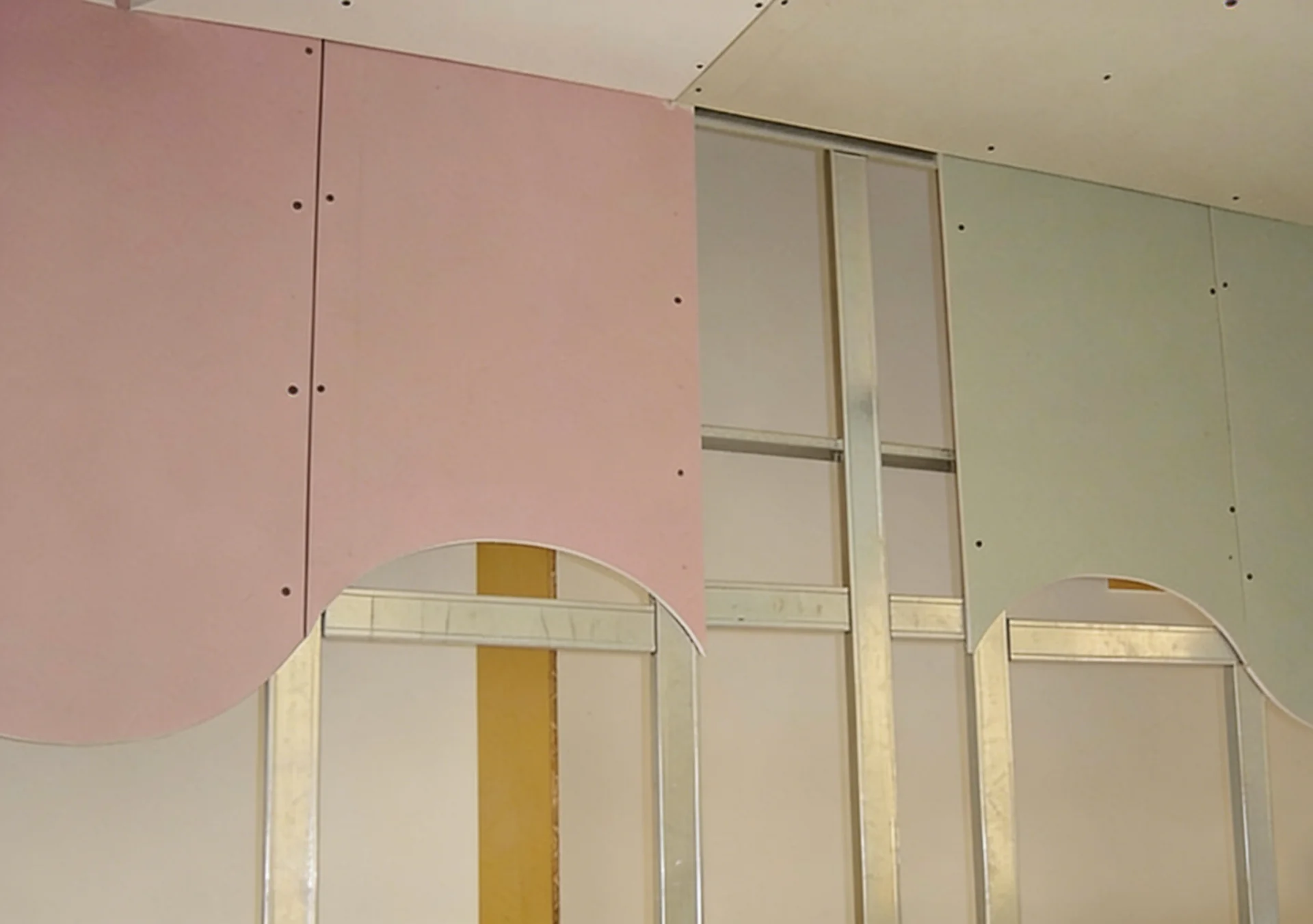
Traditional drywall systems attach panels directly to framing.
That creates direct vibration transfer paths.
Soundproofing clips introduce flexibility into the system.
Main Components Of Clip-Based Systems
| Component | Function |
|---|---|
| Isolation clip | Vibration separation |
| Rubber isolator | Energy absorption |
| Hat channel | Floating drywall support |
| Drywall layers | Sound blocking mass |
The clips absorb part of the vibration before it reaches the drywall surface.
Types Of Noise Reduced By Clips
| Noise Type | Effectiveness |
|---|---|
| Voices | High |
| TV sound | High |
| Music bass | Moderate to high |
| Footsteps | Moderate |
| Mechanical vibration | High |
Low-frequency noise is often the hardest to control.
That is why decoupling systems are so important.
Why Clips Outperform Simple Foam Panels
| Foam Panels | Isolation Clip Systems |
|---|---|
| Mostly reduce echo | Reduce transmission |
| Surface treatment only | Structural decoupling |
| Limited low-frequency control | Better bass reduction |
| Decorative function | System-level performance |
Many people confuse acoustic treatment with soundproofing.
They are different goals.
Typical High-Performance Acoustic Wall Assembly
| Layer Sequence | Purpose |
|---|---|
| Existing framing | Structural support |
| Insulation | Absorption |
| Isolation clips | Decoupling |
| Hat channels | Flexible mounting |
| Double drywall | Increased mass |
| Damping compound | Vibration control |
The industry is moving toward more integrated acoustic design because modern buildings demand greater privacy and comfort.
Soundproofing is no longer viewed as a luxury feature.
It is becoming part of overall indoor performance management.
Conclusion
At TRUSUS, I see soundproofing existing rooms as more than noise reduction. It is a way to transform how spaces function, improve privacy, increase usability, and unlock greater long-term value from existing buildings.