



Checking behind plasterboard for mold means locating hidden moisture and biological growth without damaging the wall. Mold is not accidental—it reflects system imbalance and poor moisture management.
TRUSUS building insight: mold signals that the wall’s humidity control has failed.

I use infrared cameras to find cold spots, moisture meters for hidden water, or small inspection holes with cameras. These reveal humidity buildup or dark patches signaling mold spores forming behind panels before costly tear‑outs are needed.
How to Tell if a Wall Is Leaking Behind Drywall?
Leaks behind drywall cause temperature variation, odor, and surface damage. Detecting them early saves structure and indoor health.
TRUSUS testing insight: what you smell or touch can be more truthful than what you see.
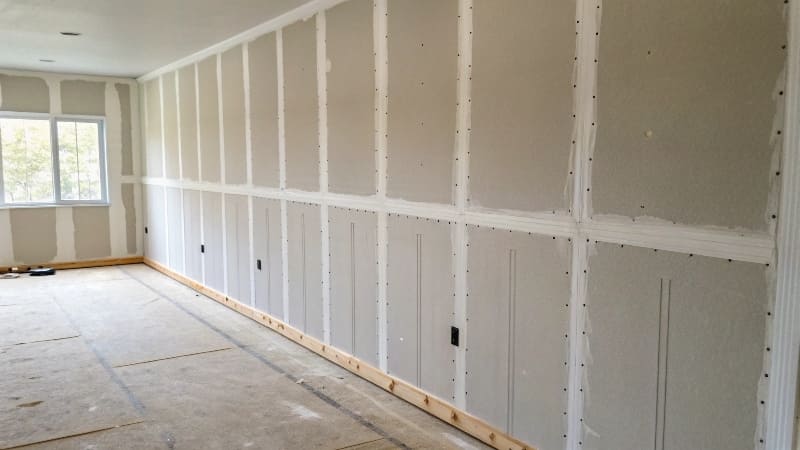
Wall Leak Sign Table
| Sign | Indication | Possible Cause |
|---|---|---|
| Bubbling or blistered paint | Internal moisture pressure | Pipe leak or condensation |
| Musty smell | Hidden microbial growth | Water trapped behind plasterboard |
| Discoloration or streaks | Water path | Seal break or poor flashing |
| Temperature drop spots (infrared) | Cool moisture presence | Poor insulation or dripping pipe |
When walls show soft patches or odor after heavy rain, I run a thermal scan. It exposes cooling bands where water sits—proof of a leak before structural rust spreads.
How Long Does It Take for Mold to Grow Behind Plasterboard?
Under high humidity and mild warmth, mold can start forming within 24–72 hours on paper surfaces. Material quality and moisture duration decide growth strength.
TRUSUS material insight: the risk lives in the air, not the gypsum itself.
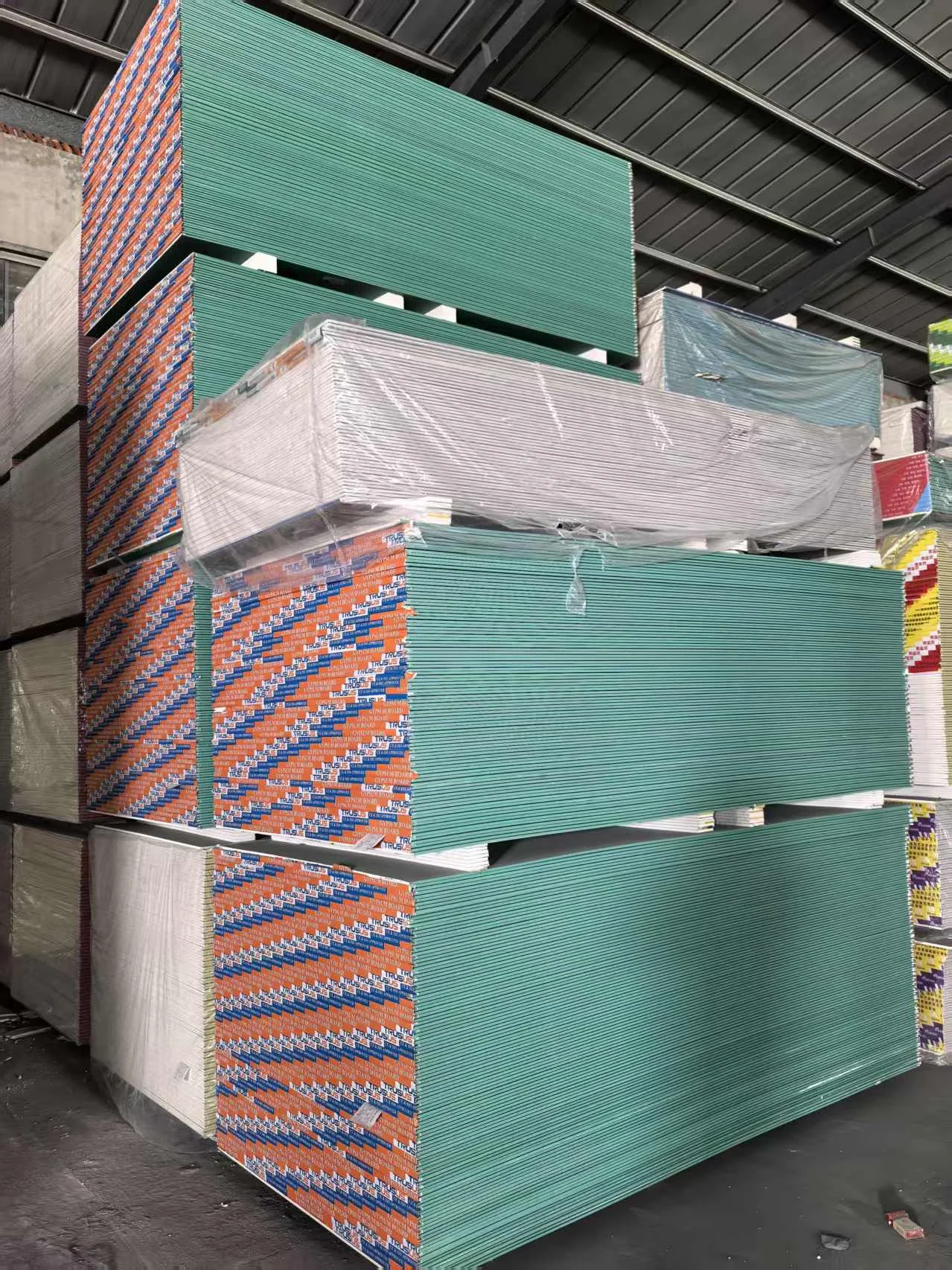
Mold Growth Factors
| Condition | Duration | Risk Level |
|---|---|---|
| Short leak (<24 h) | Minimal growth | Clean and dry fast |
| Persistent damp (24–72 h) | Early spore formation | Increase ventilation |
| Chronic leak (>7 days) | Heavy colonization | Replace drywall |
| High humidity + dust | Continuous growth | Add dehumidifier or anti‑fungal finish |
Whenever condensation stays more than two days, spores start bonding to paper facing. I’ve watched healthy boards turn black behind walls in less than a week if airflow stopped.
How to Tell if There Is Moisture Behind Drywall?
You can check moisture behind drywall using non‑invasive sensors or spotting physical cues. Moisture often hides between stud cavities where air cannot circulate.
TRUSUS moisture insight: early detection prevents later demolition.
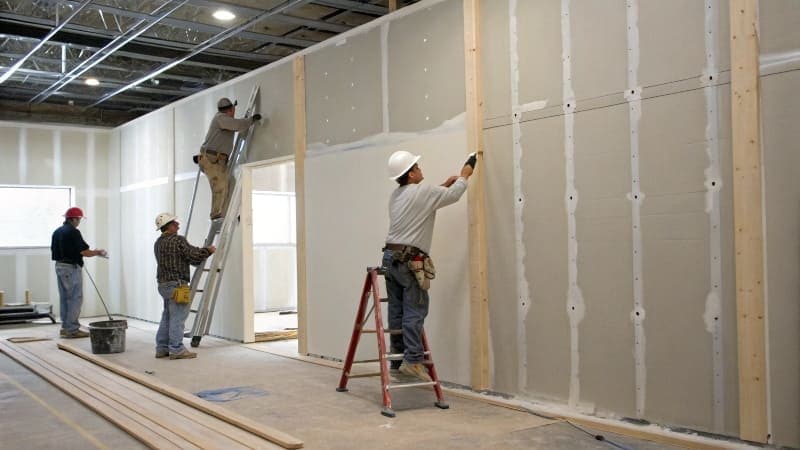
Moisture Detection Methods
| Method | Tool | Result |
|---|---|---|
| Infrared Thermography | Camera | Finds cold moisture zones |
| Pin Moisture Meter | Probe | Quantifies water content |
| Hygrometer | Air humidity measure | Monitors indoor vapor levels |
| Visual + Smell Test | Sensory check | Locates sour or musty scent |
| Small Core Inspection | Borescope | Direct view behind panel |
When I inspect site projects, I first map wall temperature with IR imaging, then check humidity before breaking the surface. Such preventive checks make buildings safer and save rebuilding costs.
Conclusion
At TRUSUS, I see hidden moisture as a silent architect shaping building health. Detecting and managing it turns gypsum walls from weak spots into smart, breathable protection systems.