



For solo ceiling installation, a drywall lift is highly recommended, especially for boards 12.5mm thick or larger panels above 2.4x1.2m. It dramatically improves safety, quality, and efficiency while reducing physical strain and injury risk.
TRUSUS installation insight: trying to install ceiling boards alone without proper equipment often leads to poor results and safety hazards.
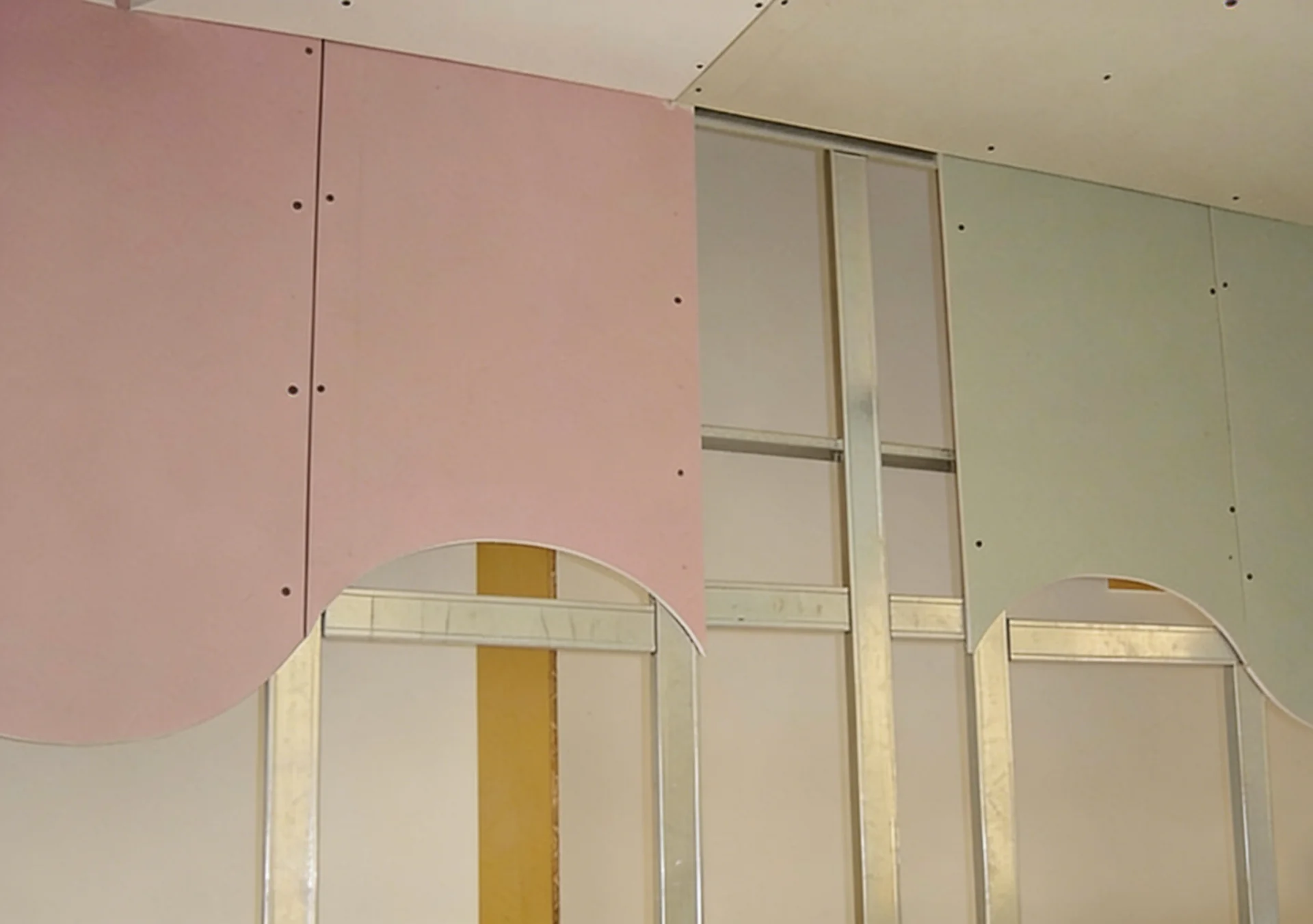
I increasingly see solo installers invest in lifts after struggling with manual ceiling work.
The right equipment transforms difficult jobs into manageable tasks.
When A Drywall Lift Is Essential
| Installation Scenario | Lift Necessity |
|---|---|
| Ceiling boards over 12.5mm | Highly recommended |
| Large format panels | Essential for quality |
| Solo installation work | Critical for safety |
| Multiple ceiling rooms | Efficiency requirement |
Professional results require professional tools.
Benefits Of Using A Drywall Lift
| Lift Advantage | Impact |
|---|---|
| Precise positioning | Better board alignment |
| Reduced physical strain | Less installer fatigue |
| Improved safety | Lower injury risk |
| Faster installation | Higher productivity |
Lifts solve multiple installation challenges simultaneously.
Alternatives To Drywall Lifts
| Alternative Method | Limitation |
|---|---|
| Helper assistance | Coordination challenges |
| Temporary supports | Time-consuming setup |
| Manual holding | High fatigue and risk |
Most alternatives create more problems than solutions.
Cost-Benefit Analysis
| Investment Factor | Long-term Value |
|---|---|
| Lift rental cost | Multiple project use |
| Time savings | Higher hourly earnings |
| Quality improvement | Fewer callbacks |
| Safety protection | Injury prevention |
Professional equipment pays for itself quickly.
Why Solo Installation Is Becoming Common
| Traditional Installation | Modern Installation Trends |
|---|---|
| Team-based approach | Individual efficiency focus |
| Labor-intensive methods | Equipment-assisted work |
| Basic tool reliance | Specialized equipment adoption |
Installation work is becoming more technology-driven.
The Industry Shift Behind Equipment Questions
| Traditional Drywall Market | Modern Tool-Integrated Market |
|---|---|
| Material supply focus | Complete installation solution |
| Basic installation advice | Professional equipment guidance |
| Product-only service | Full workflow optimization |
I increasingly believe equipment guidance will become central to premium drywall service.
What Is The Best Screw Gun Setting To Avoid Breaking The Gypsum Board Paper?
The optimal screw gun setting depends on board thickness and screw type, typically torque setting 2-3 for 12.5mm boards with 25mm screws, ensuring screws sit 0.5-1mm below surface without tearing paper. Proper adjustment prevents both under-driving and paper damage.
TRUSUS precision insight: correct torque settings are critical because damaged paper face significantly weakens the joint system.
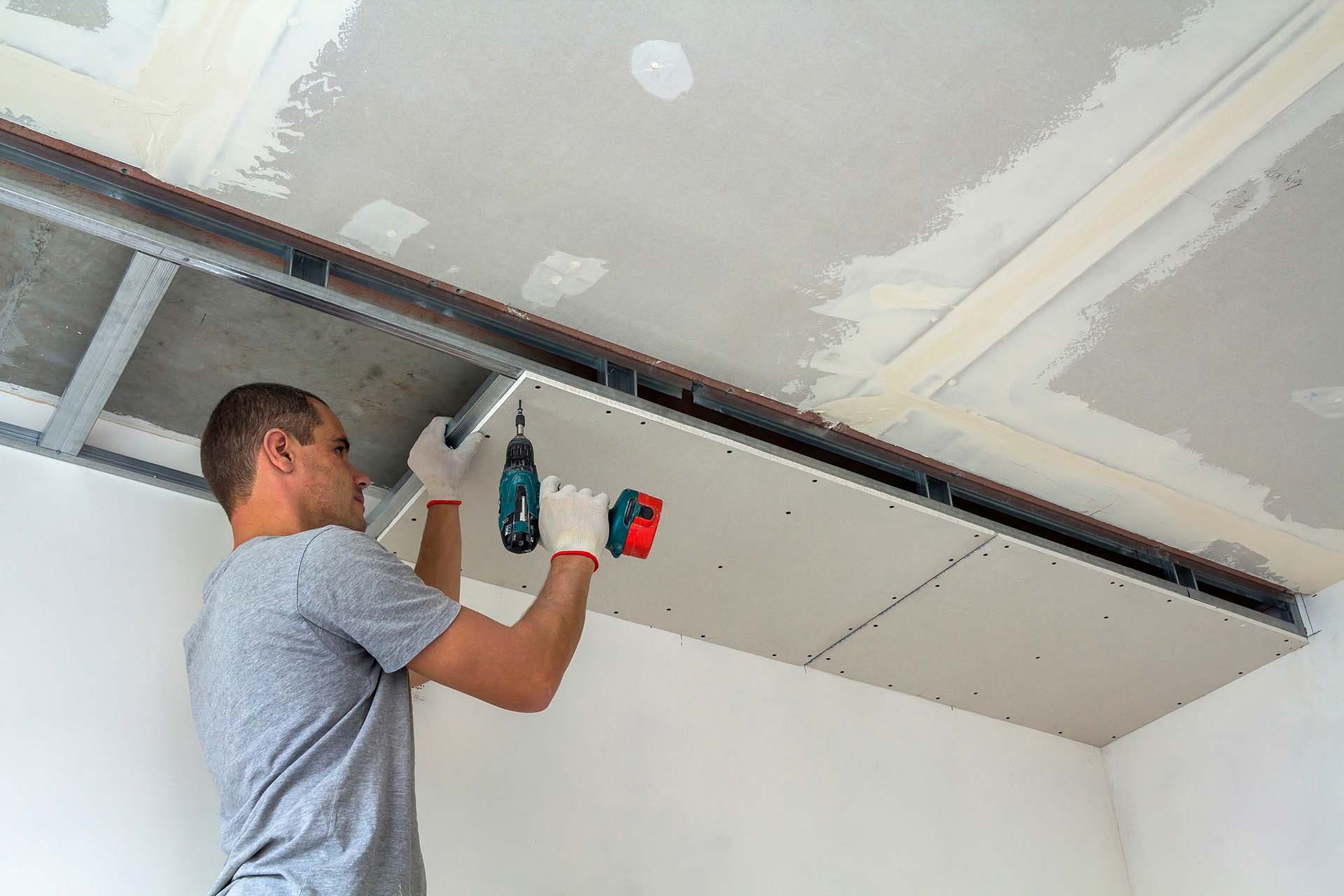
I increasingly see installers realize that screw gun precision directly affects finishing quality.
Small adjustments make big differences in results.
Recommended Torque Settings
| Board Thickness | Screw Length | Torque Setting |
|---|---|---|
| 9.5mm boards | 25mm screws | Setting 2 |
| 12.5mm boards | 25mm screws | Setting 2-3 |
| 15mm boards | 35mm screws | Setting 3-4 |
Different materials require different approaches.
Signs Of Incorrect Settings
| Problem | Cause |
|---|---|
| Torn paper face | Torque too high |
| Proud screw heads | Torque too low |
| Inconsistent depth | Variable pressure |
Visual inspection reveals setting problems.
How Frame Material Affects Settings
| Frame Type | Torque Adjustment |
|---|---|
| Wood studs | Lower torque needed |
| Steel studs | Higher torque required |
| Concrete substrate | Maximum torque setting |
Frame hardness influences screw driving requirements.
Testing And Adjusting Settings
| Test Method | Purpose |
|---|---|
| Practice screws | Find optimal setting |
| Visual inspection | Check screw depth |
| Paper condition check | Verify no damage |
Testing prevents widespread installation problems.
Why Precision Matters More Today
| Traditional Installation Standards | Modern Quality Requirements |
|---|---|
| Functional attachment focus | Precision finishing focus |
| Basic screw placement | Optimized depth control |
| Speed-first approach | Quality-first methodology |
Installation standards continue rising across the industry.
The Industry Shift Behind Precision Questions
| Traditional Installation Support | Modern Technical-Precision Support |
|---|---|
| Basic tool recommendations | Precise setting specifications |
| General installation advice | Equipment optimization guidance |
| Product-focused service | Installation-excellence consulting |
I increasingly see precision control become a key differentiator in professional installation.
How Do Drywall Stilts Improve Speed On Large Commercial Projects?
Drywall stilts eliminate constant ladder repositioning, enable continuous horizontal movement, maintain consistent working height, and reduce fatigue on large commercial projects with high ceilings. They can improve overall installation efficiency by 40-60% in suitable applications.
TRUSUS efficiency insight: stilts transform vertical access into horizontal productivity on large-scale projects.
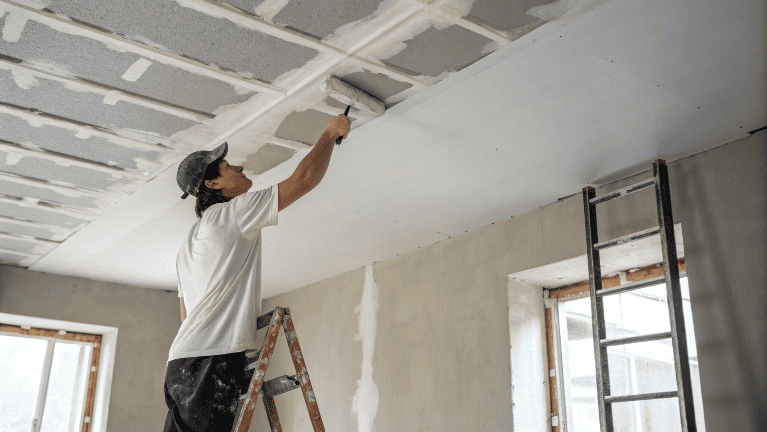
I increasingly see commercial contractors adopt stilts as standard equipment for large spaces.
The right tools scale with project size.
Key Efficiency Benefits
| Stilt Advantage | Time Savings |
|---|---|
| Eliminates ladder moves | 30-40% time reduction |
| Continuous work flow | Reduced setup time |
| Consistent height access | Better work rhythm |
| Reduced fatigue | Sustained productivity |
Stilts address multiple efficiency bottlenecks.
Ideal Commercial Applications
| Project Type | Stilt Benefit |
|---|---|
| Hotels and offices | Large wall areas |
| Retail spaces | Open floor plans |
| Warehouses | High ceiling access |
| Schools | Long corridor work |
Large spaces maximize stilt advantages.
Stilt Limitations To Consider
| Limitation | Workaround |
|---|---|
| Uneven floors | Pre-level work areas |
| Tight spaces | Switch to ladder work |
| Detail work | Combine with other tools |
Understanding limitations prevents frustration.
Safety Requirements For Stilts
| Safety Factor | Requirement |
|---|---|
| Training period | Practice before use |
| Floor conditions | Clean, level surfaces |
| Load limits | Respect weight ratings |
| Partner system | Never work alone |
Safety training is essential for stilt use.
Why Large Projects Drive Tool Innovation
| Traditional Installation Methods | Modern Large-Scale Installation |
|---|---|
| Ladder-based workflow | Continuous access systems |
| Individual efficiency focus | Team productivity optimization |
| Basic tool sets | Specialized equipment suites |
Large projects demand industrial-level efficiency.
The Industry Shift Behind Efficiency Questions
| Traditional Installation Approach | Modern Productivity-Driven Approach |
|---|---|
| Basic installation completion | Maximum efficiency optimization |
| Tool cost minimization | Productivity investment focus |
| Simple workflow methods | Advanced equipment integration |
I increasingly see efficiency optimization become central to competitive installation services.
What Tools Are Essential For Cutting Gypsum Board Cleanly And Quickly?
Essential cutting tools include a sharp utility knife with breakaway blades, a reliable T-square or cutting guide, a stable cutting surface, and optionally a drywall router for outlet cuts. Clean cuts require sharp tools, proper technique, and adequate support.
TRUSUS cutting insight: tool quality directly affects cut quality, which impacts both installation speed and finishing appearance.
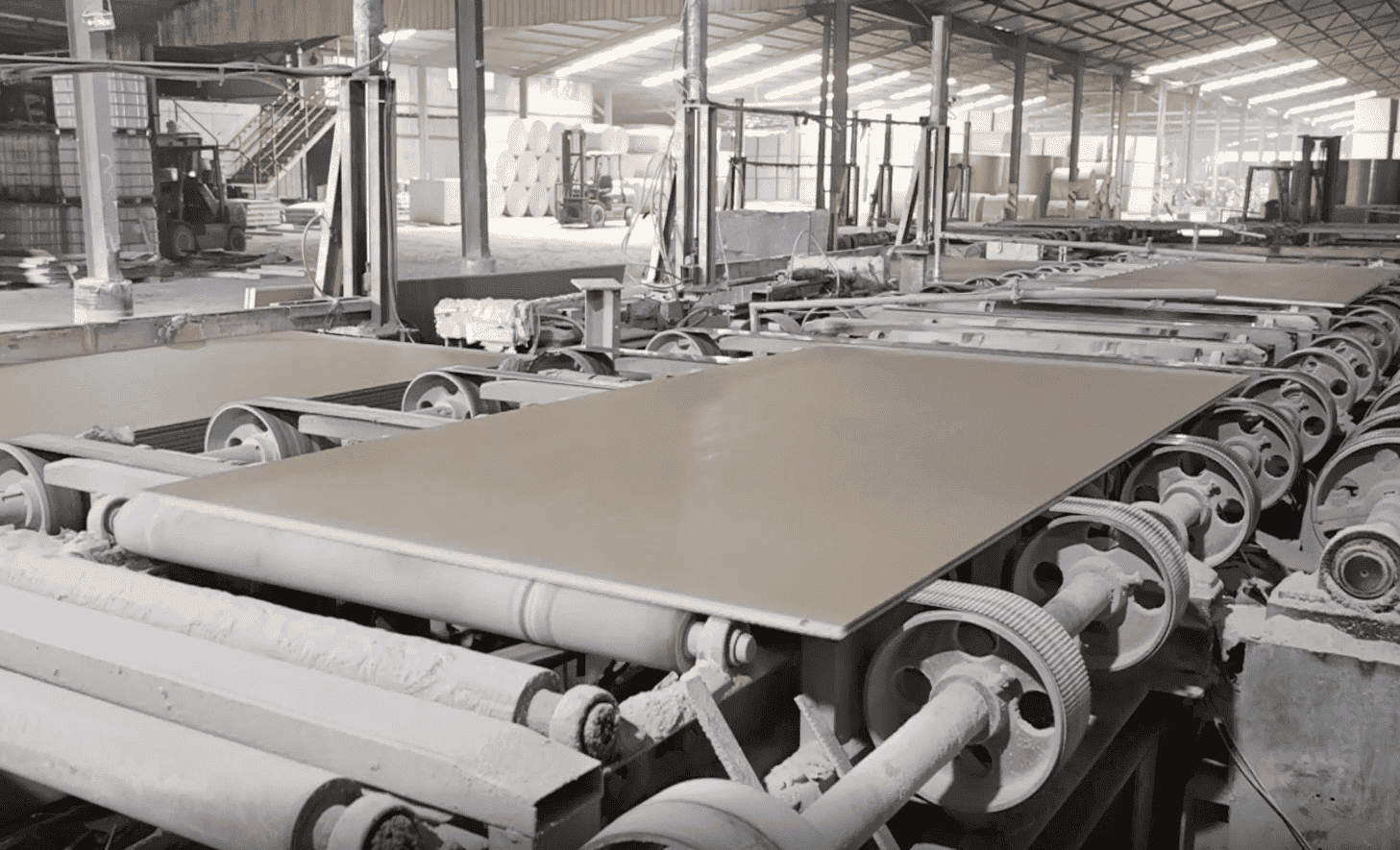
I increasingly see installers invest in quality cutting tools after experiencing poor results with basic equipment.
Sharp tools make clean work possible.
Essential Cutting Tool List
| Tool | Primary Function |
|---|---|
| Sharp utility knife | Clean scoring |
| T-square guide | Straight cuts |
| Cutting mat/surface | Board support |
| Drywall router | Outlet cutouts |
Each tool serves a specific cutting need.
Cutting Technique Sequence
| Step | Technique |
|---|---|
| Measure and mark | Use pencil markings |
| Score face paper | Single firm pass |
| Snap along score | Clean break motion |
| Cut back paper | Complete separation |
Proper sequence ensures clean results.
Tool Maintenance Requirements
| Maintenance Task | Frequency |
|---|---|
| Replace knife blades | Every few sheets |
| Clean cutting guides | Daily use |
| Check tool alignment | Weekly inspection |
Sharp, clean tools work best.
Advanced Cutting Solutions
| Advanced Tool | Application |
|---|---|
| Drywall router | Precise outlet cuts |
| Panel lifter | Large sheet handling |
| Cutting stands | Elevated work surface |
Specialized tools improve specific operations.
Why Cut Quality Affects Installation
| Cut Quality Factor | Installation Impact |
|---|---|
| Clean edges | Better joint appearance |
| Accurate dimensions | Reduced fitting time |
| Minimal dust | Cleaner work environment |
Good cuts create better installations.
Why Cutting Tool Questions Are Increasing
| Traditional Cutting Approach | Modern Quality-Focused Cutting |
|---|---|
| Basic knife and ruler | Professional cutting systems |
| Speed-first cutting | Precision-first methodology |
| Minimal tool investment | Quality tool portfolio |
Cutting quality expectations continue rising.
The Industry Shift Behind Cutting-Tool Questions
| Traditional Installation Focus | Modern Precision-Installation Focus |
|---|---|
| Basic completion standards | High-quality finish requirements |
| Tool cost minimization | Quality tool investment approach |
| Simple cutting methods | Systematic cutting excellence |
I increasingly see cutting precision become a foundation skill for professional installation quality.
Conclusion
At TRUSUS, I see drywall installation evolving from basic manual work into precision equipment-assisted processes. Future success requires understanding how professional tools, proper settings, efficiency equipment, and quality cutting systems work together for optimal results.