



UltraLight drywall is about 25% lighter than standard drywall, weighing roughly 38–45 pounds per 4x8 sheet, depending on thickness and humidity levels. This weight reduction comes from advanced gypsum core aeration and fiber reinforcement technology.
TRUSUS manufacturing insight: less weight doesn’t mean less board—it means smarter material design.
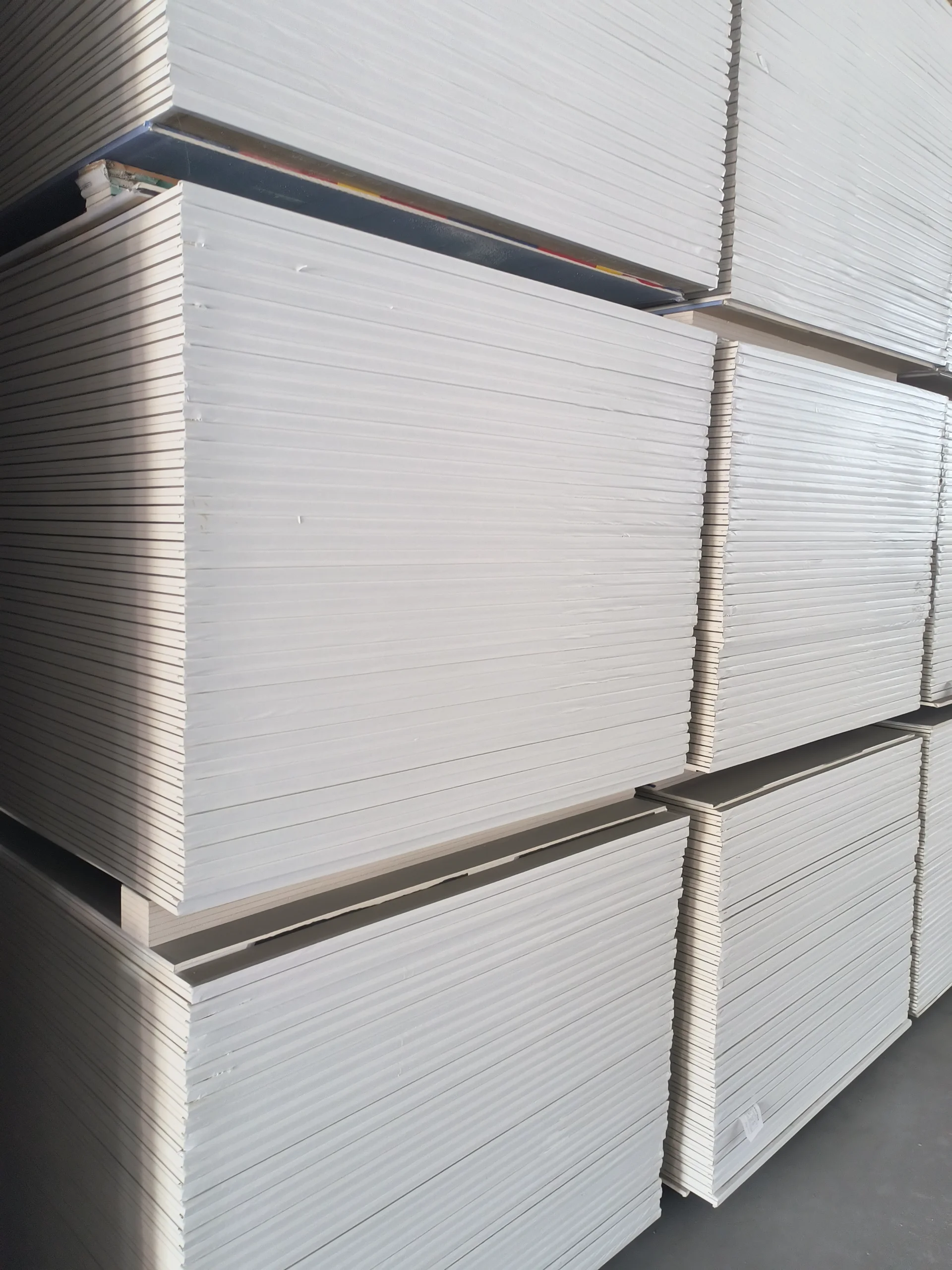
This lighter design reduces worker fatigue, speeds up installation, and lowers total structural load without sacrificing performance or finish quality.
Weight Reference Table
| Drywall Type | 4x8 Sheet (12.7mm) Approx. Weight | Weight Reduction | Key Benefit |
|---|---|---|---|
| Regular Drywall | 58–60 lbs (26–27 kg) | — | Standard strength |
| UltraLight Drywall | 38–44 lbs (17–20 kg) | 25–30% lighter | Easier handling |
| Moisture‑Resistant UltraLight | 40–48 lbs | 20–25% lighter | Suitable for humid areas |
UltraLight drywall changes not just shipping costs—but how teams experience on‑site workload and safety.
Is Lightweight Drywall Stronger?
Lightweight drywall maintains equal or sometimes better strength than traditional drywall. It uses dense paper facings, modified gypsum formulas, and micro‑air cell design to optimize rigidity and impact resistance.
TRUSUS strength insight: strength doesn’t come from weight—it comes from structure.
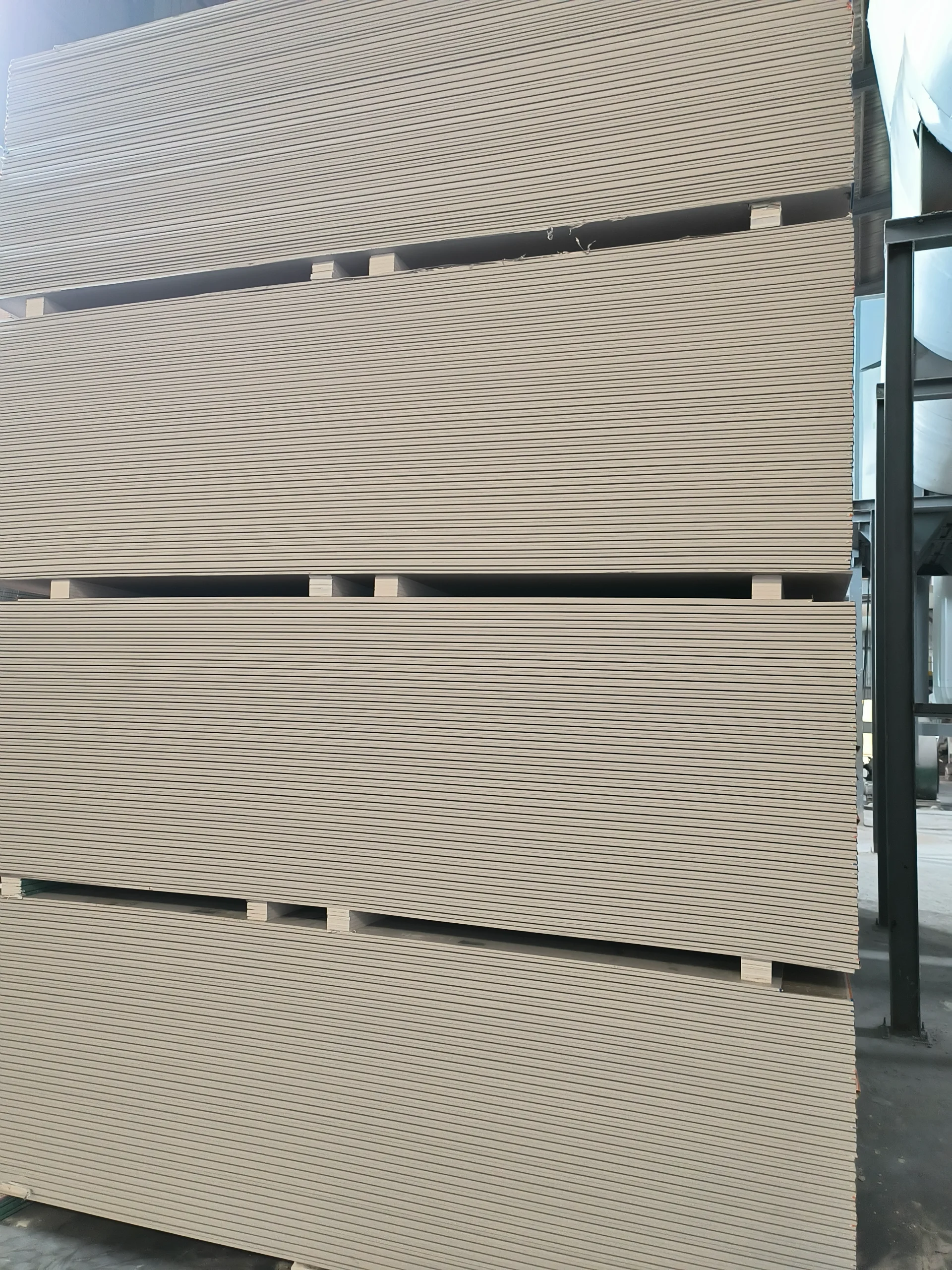
Strength Evaluation Table
| Property | Regular Drywall | UltraLight Drywall | Difference |
|---|---|---|---|
| Flexural Strength | Standard | Equal or slightly higher | Balanced structure |
| Nail Pull Resistance | Stable | Improved due to high‑density liner | Better screw holding |
| Edge Integrity | Moderate | Reinforced | Reduced chipping |
| Impact Durability | Consistent | Stable under stress | Safer handling |
Through micro‑engineering, lightweight drywall eliminates unnecessary density while reinforcing essential strength areas.
What Is High Strength Lite Drywall?
High Strength Lite drywall is a premium lightweight gypsum panel that combines reduced weight with enhanced durability. It is designed for heavy‑use areas needing improved resistance against deformation and edge wear.
TRUSUS performance insight: high strength lite isn’t a lighter board; it’s a smarter system for harder work.
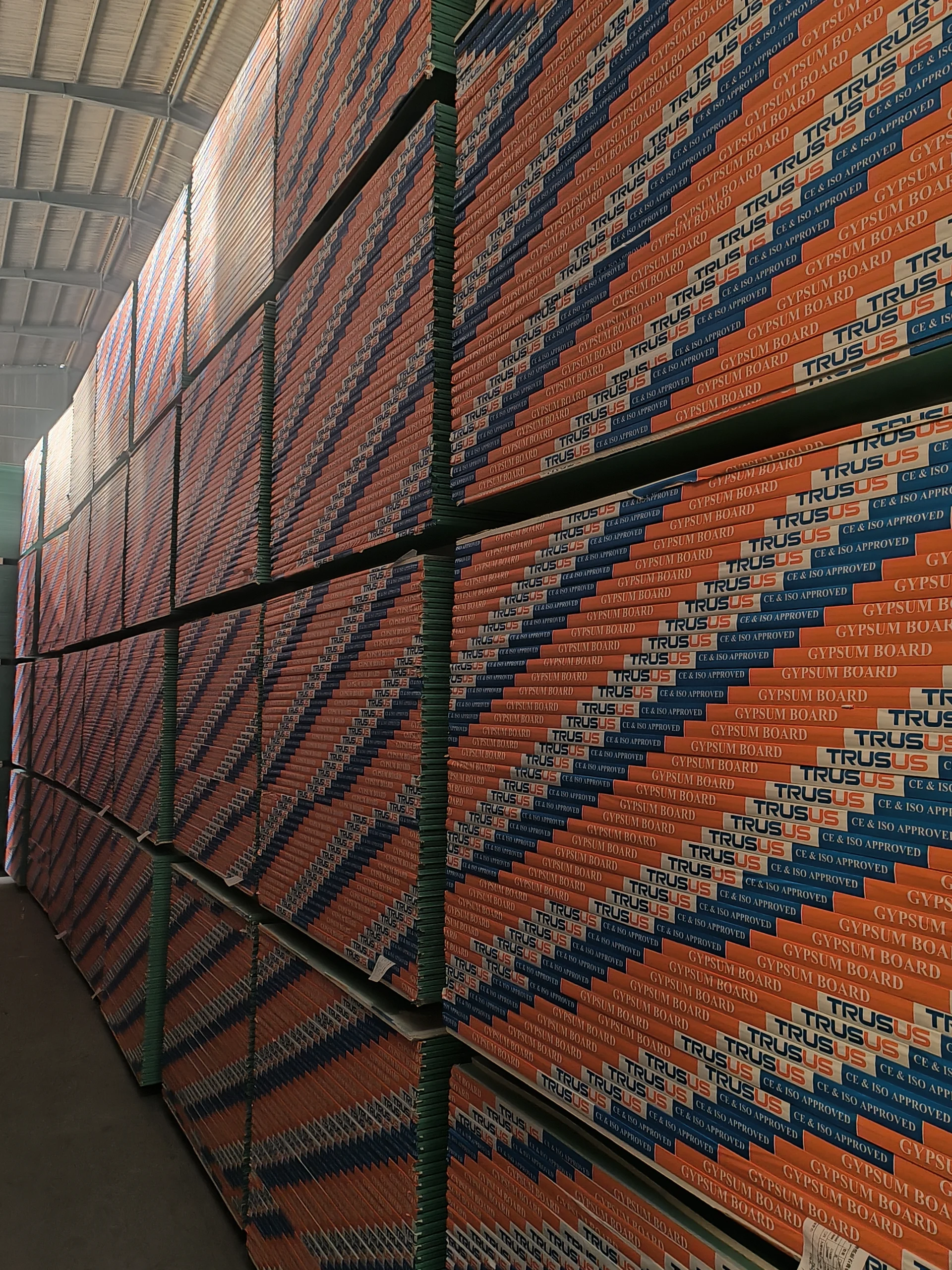
High Strength Lite Characteristics
| Feature | Description | Benefit |
|---|---|---|
| Advanced Core Formula | Densified gypsum + reinforcing fibers | Stronger under load |
| Paper Enhancement | Tougher liner with tighter bond | Prevents surface delamination |
| Dimensional Stability | Improved humidity control | Fewer cracks and warps |
| Installation Efficiency | 20–25% lighter weight | Faster ceiling applications |
| Design Target | Commercial and large residential | Balance of light and strong |
This type redefines drywall’s role—it serves structural performance without adding unnecessary weight to the wall system.
What Is the Difference Between Lightweight and Regular Sheetrock?
The main difference lies in density and performance balance. Lightweight sheetrock uses air entrainment and foam chemistry to reduce mass, while standard sheetrock uses solid gypsum composition.
TRUSUS comparison insight: regular drywall was built to last; lightweight drywall was built to last smartly.
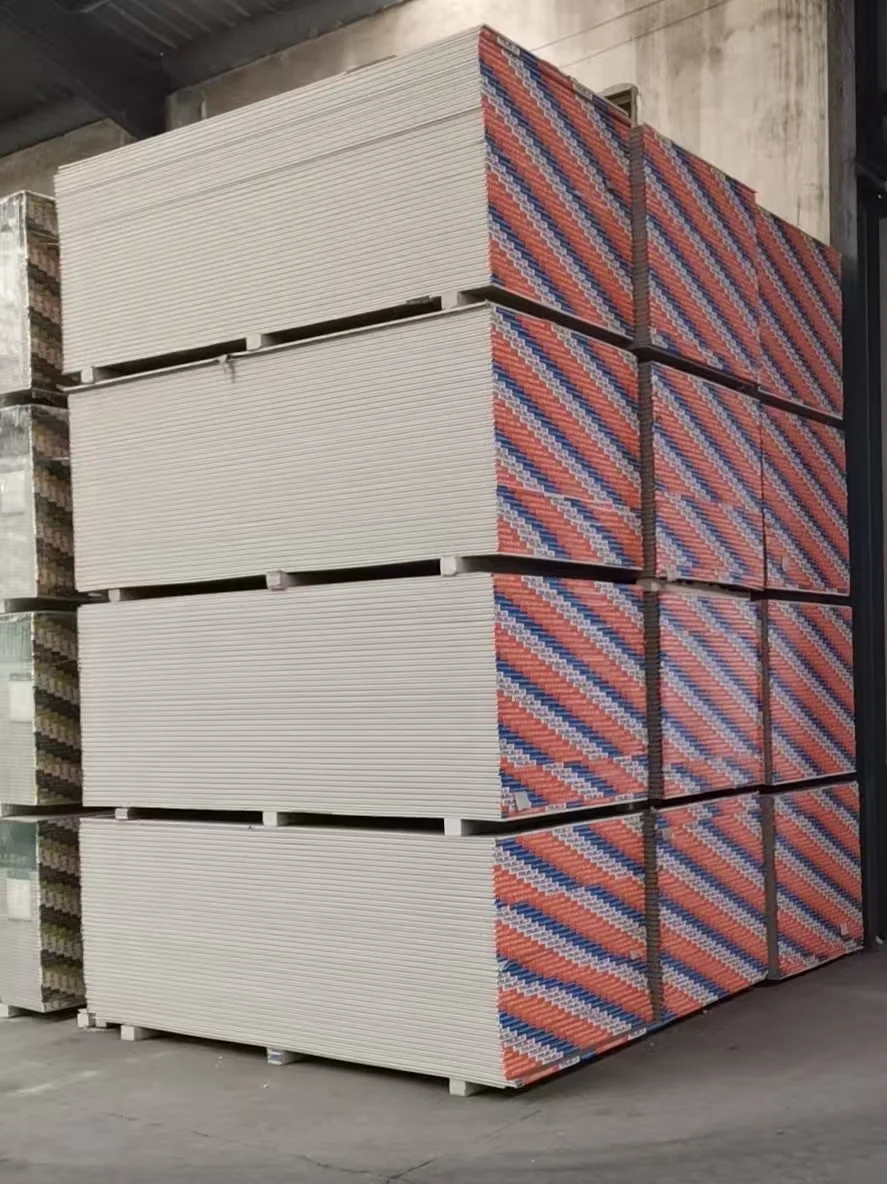
Sheetrock Comparison Table
| Property | Regular Sheetrock | Lightweight Sheetrock | Key Difference |
|---|---|---|---|
| Weight | Heavier (≈60 lbs per panel) | Lighter (≈40 lbs per panel) | 25–30% lighter |
| Core Structure | Dense gypsum | Aerated gypsum matrix | Improved handling |
| Strength | Standard | Equivalent or slightly stronger | Optimized formula |
| Handling | Demands two‑person lift | Easier single‑person install | Safer workflow |
| Environmental Impact | Higher transport load | Lower CO₂ footprint | Sustainable advantage |
Lightweight sheetrock reflects the shift from effort‑based building to efficiency‑based building, proving that innovation can reduce both mass and cost.
Conclusion
At TRUSUS, I believe UltraLight drywall isn’t just about being lighter—it’s about being smarter. It represents a future where construction materials balance strength, safety, and sustainability through design, not density.