



Yes, plasterboard comes in distinct grades based on composition, density, and intended use. Common types include standard, moisture‑resistant, fire‑resistant, and high‑strength boards, each designed for specific space conditions.
TRUSUS manufacturing insight: a board’s grade isn’t just a label—it’s a map of performance for every environment.
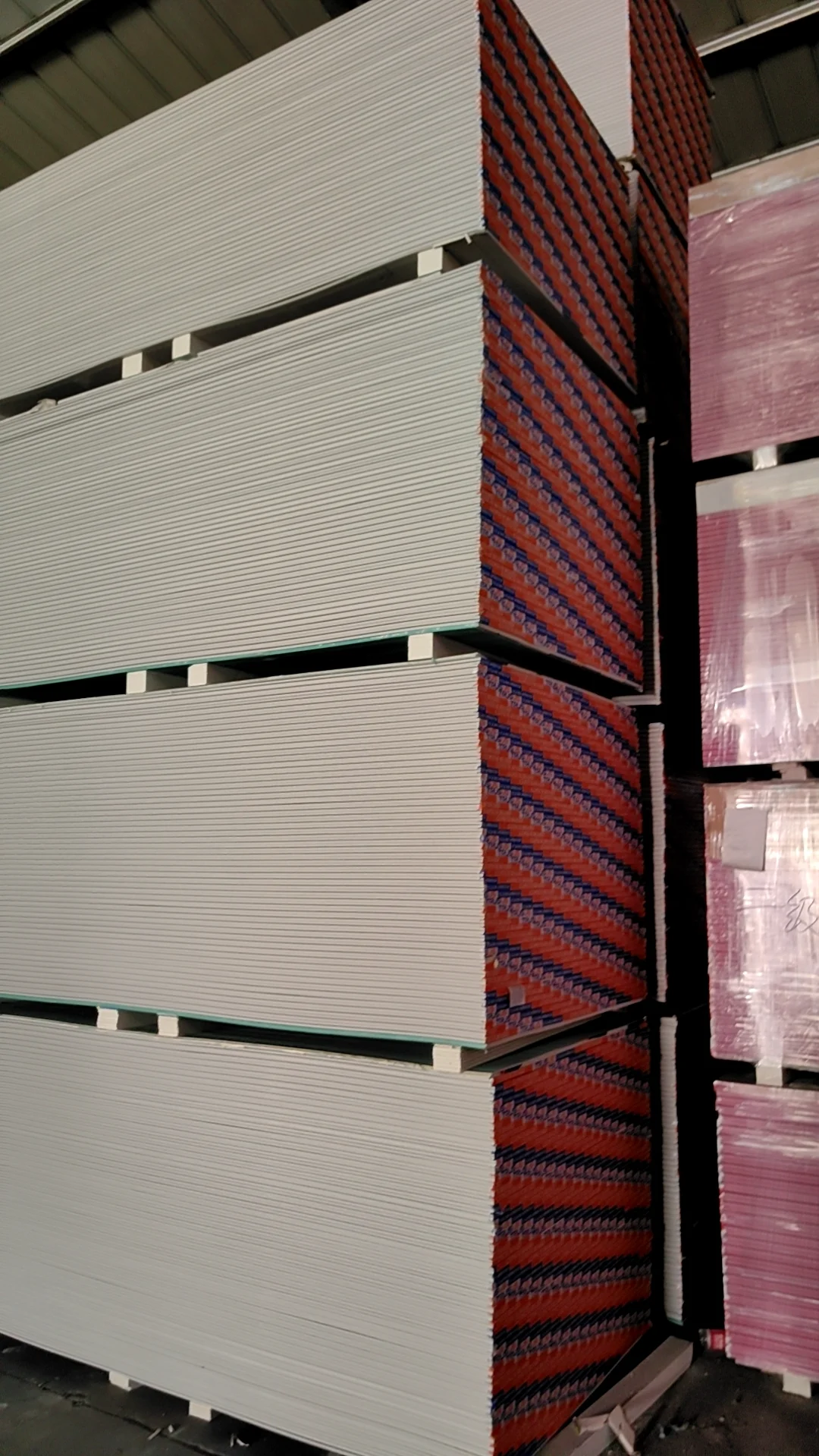
These grades define how gypsum board behaves under heat, moisture, and load. The right choice ensures lasting surface stability and visual consistency throughout its lifespan.
TRUSUS Plasterboard Grade Table
| Type | Core Composition | Key Feature | Common Application |
|---|---|---|---|
| Standard Gypsum Board | Gypsum + liner paper | Basic wall and ceiling use | Interior partitions |
| Moisture‑Resistant Board | Waxed core + green liner | Blocks humidity absorption | Bathrooms, kitchens |
| Fire‑Resistant Board | Fiberglass reinforced core | Prolongs fire exposure time | Stairwells, commercial zones |
| High‑Strength Board | Dense gypsum + fiber blend | Enhanced impact resistance | Schools, hospitals, public spaces |
Each grade represents a balance of structural reliability, acoustic comfort, and installation efficiency.
What Is the Best Quality Gypsum Board?
The best quality board combines consistent core density, reinforced paper bonding, and low water absorption, offering stability in finishing and strength under stress. High‑strength or premium fire‑resistant boards are most valued in high‑performance interiors.
TRUSUS quality insight: strength isn’t about thickness—it’s about internal harmony between paper and gypsum.
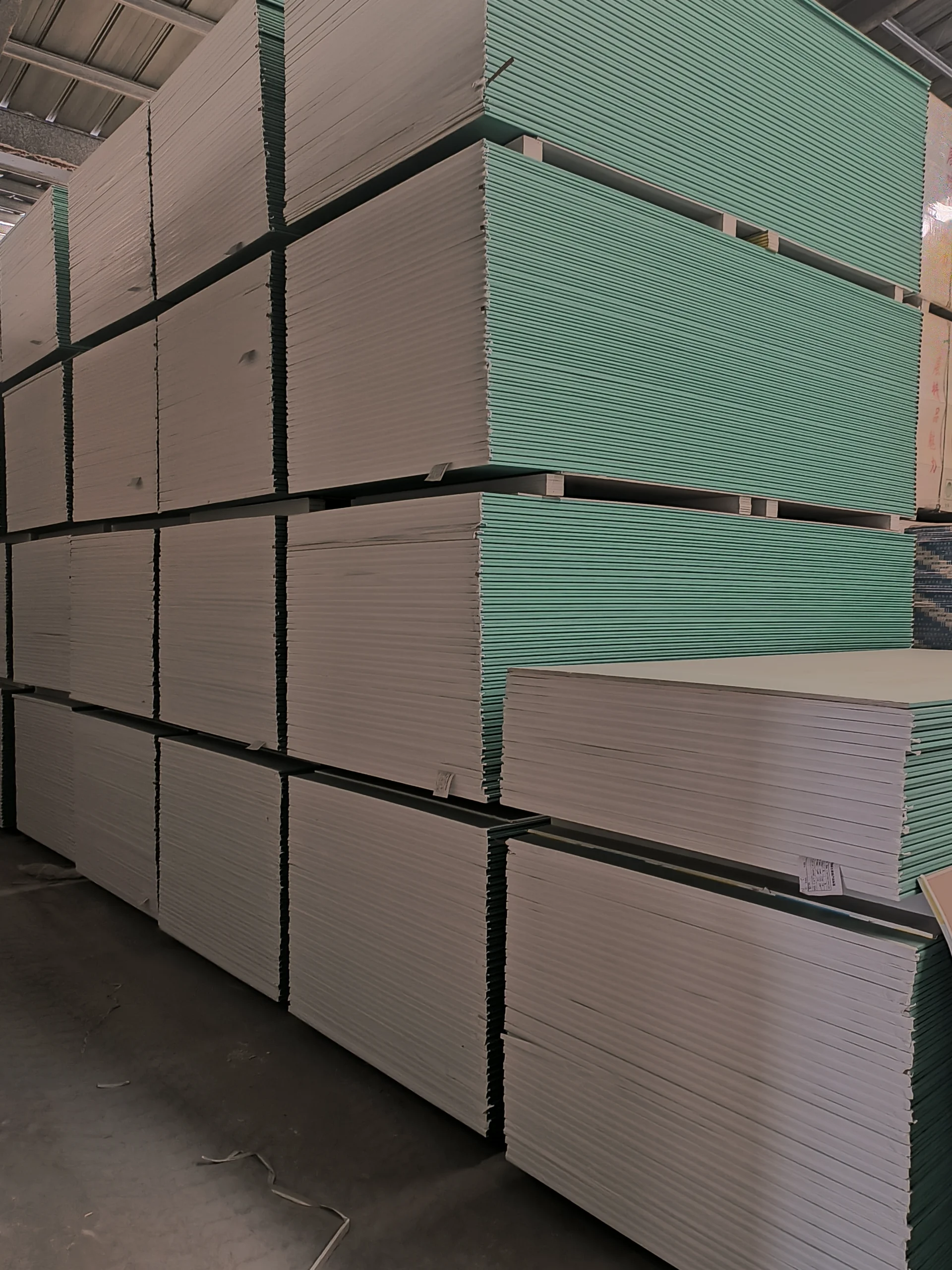
Quality Indicators
| Property | Standard | High‑Quality | Functional Benefit |
|---|---|---|---|
| Density Uniformity | Moderate | Tight tolerance (±5%) | Fewer cracks and warps |
| Paper Bonding | Basic adhesive | Fiber‑locked interface | Smoother finishing |
| Moisture Resistance | Low | High (controlled absorption) | Longer durability |
| Surface Stability | Normal | Flat and consistent | Ideal for fine coatings |
A premium board isn’t just durable—it becomes the foundation for precision finishing and refined design details.
What’s the Highest Level of Drywall Finish?
The highest level is Level 5, considered the industry’s perfection standard in drywall finishing. It produces seamless visual continuity under strong lighting without visible joints or texture differences.
TRUSUS finishing insight: level numbers measure not labor—they measure light precision and surface perfection.
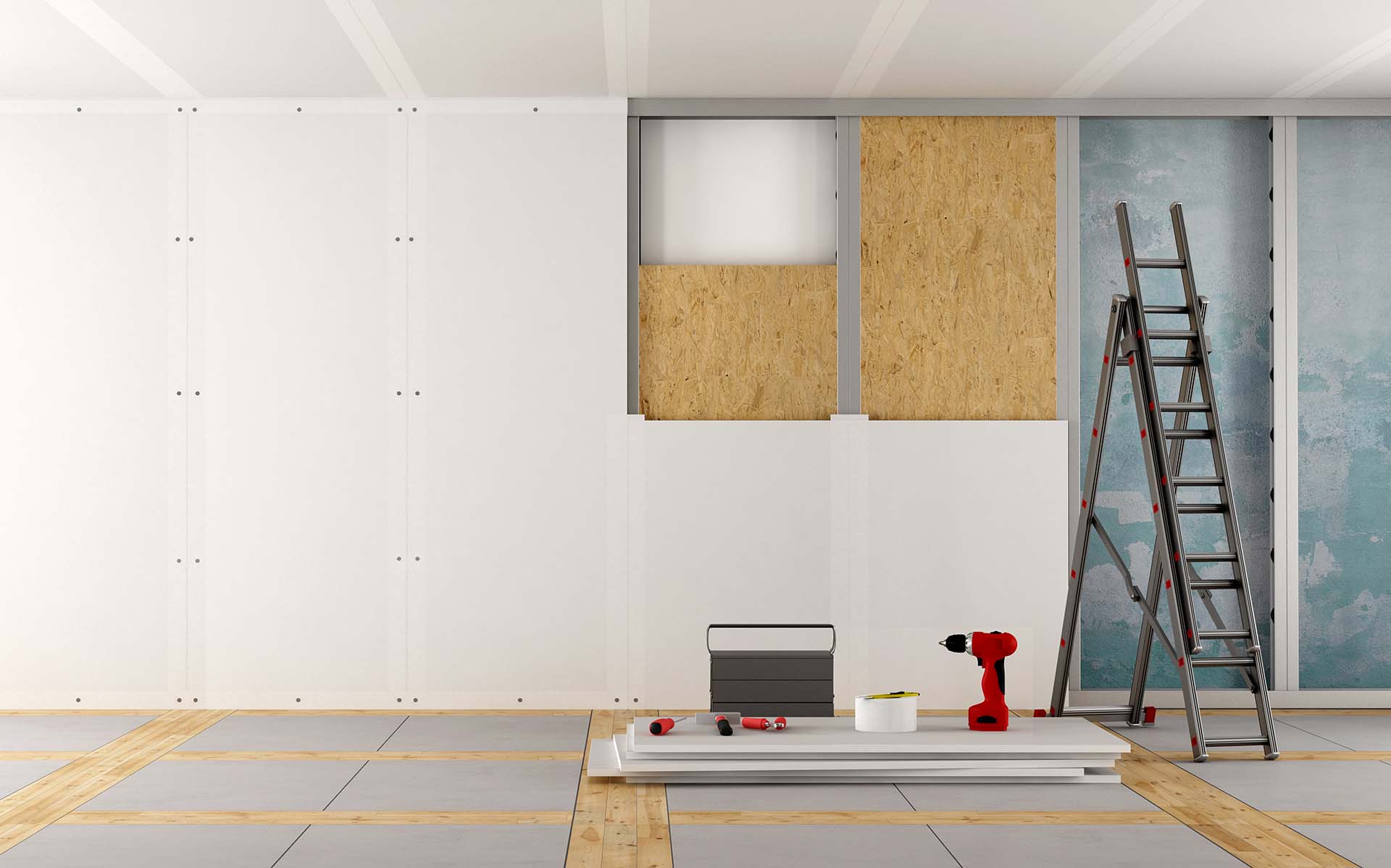
Drywall Finish Levels Overview
| Finish Level | Description | Typical Result | Application |
|---|---|---|---|
| Level 1 | Basic joint tape | Visible marks | Storage areas |
| Level 2 | Thin compound coat | Slight texture | Utility spaces |
| Level 3 | Full coat | Minimizes visible joints | General residential walls |
| Level 4 | Two coats + sanding | Smooth matte finish | Standard interiors |
| Level 5 | Entire skim coat + sanding | Perfect flatness | Premium interiors |
Level 5 ensures walls perform against directional lighting, gloss paints, and detailed reflection, producing visual depth and spatial calm.
How Do You Get a Level 5 Drywall Finish?
A Level 5 finish is achieved through full skim coating, fine sanding, and consistent sealer application on a Level 4 base. It requires high skill and materials designed for balanced absorption and fine adhesion.
TRUSUS craftsmanship insight: Level 5 isn’t technique alone—it’s patience engineered into every square meter.
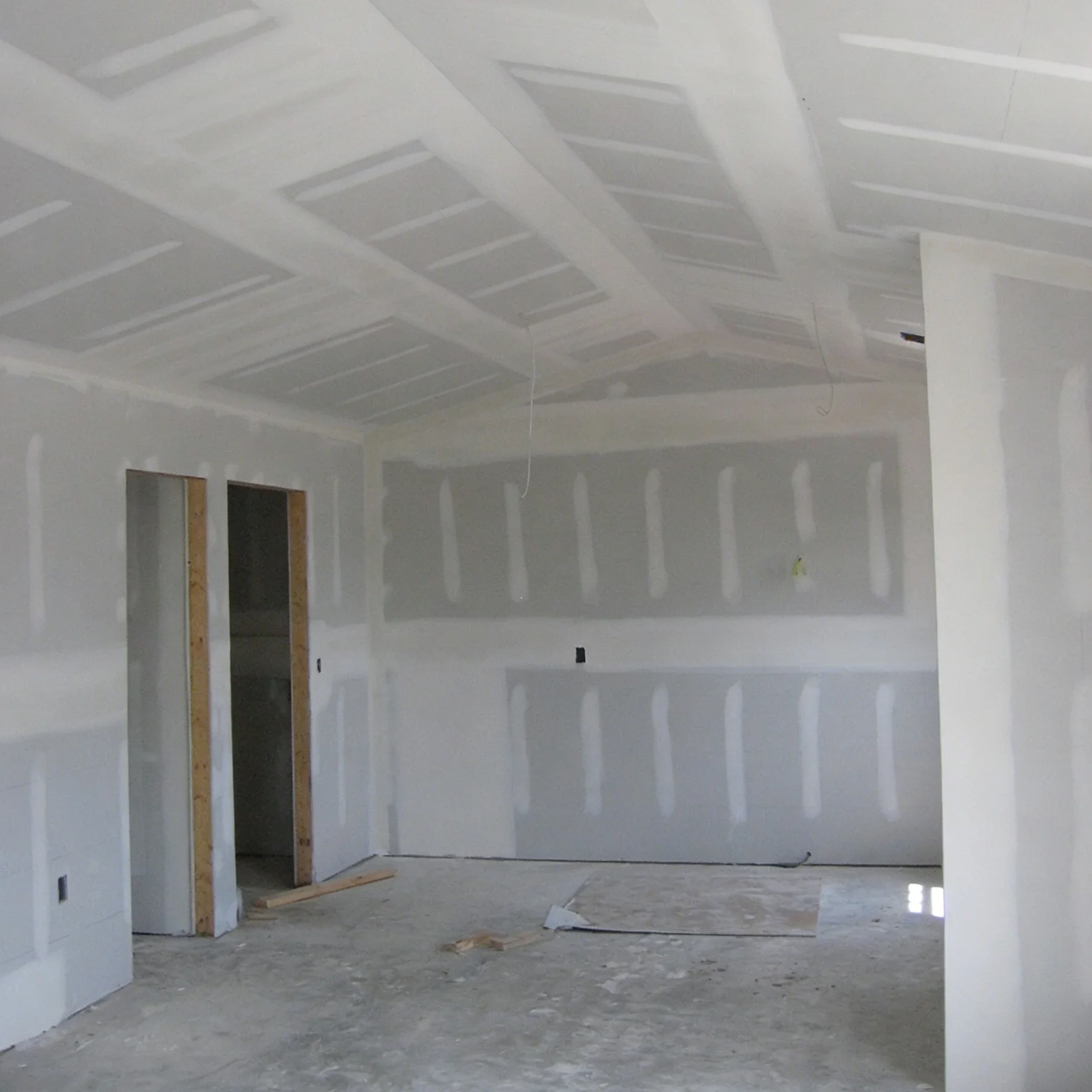
Level 5 Procedure Table
| Step | Process Description | Key Purpose |
|---|---|---|
| 1 | Apply standard Level 4 finish | Smooth base for coating |
| 2 | Spread thin skim coat over entire surface | Uniform absorption layer |
| 3 | Light sanding (220‑grit) after curing | Removes micro ripples |
| 4 | Apply sealing primer | Locks surface against uneven light |
| 5 | Finish with two paint coats | Delivers optical flatness and color depth |
This finish reflects not only skill but also the board quality beneath—it requires dense gypsum cores that hold compound evenly and paper faces that absorb coating without discoloration.
Conclusion
At TRUSUS, I see plasterboard grades and finish levels as more than numbers—they are steps toward spatial precision. They transform walls from structural surfaces into living expressions of light, texture, and craftsmanship.