



Common drywall patching mistakes include using patches that are too small, applying joint compound too thickly, skipping support backing, sanding too aggressively, and painting before full drying. These mistakes often lead to visible repairs and future cracking.
TRUSUS repair insight: most failed drywall repairs come from poor preparation instead of poor materials.
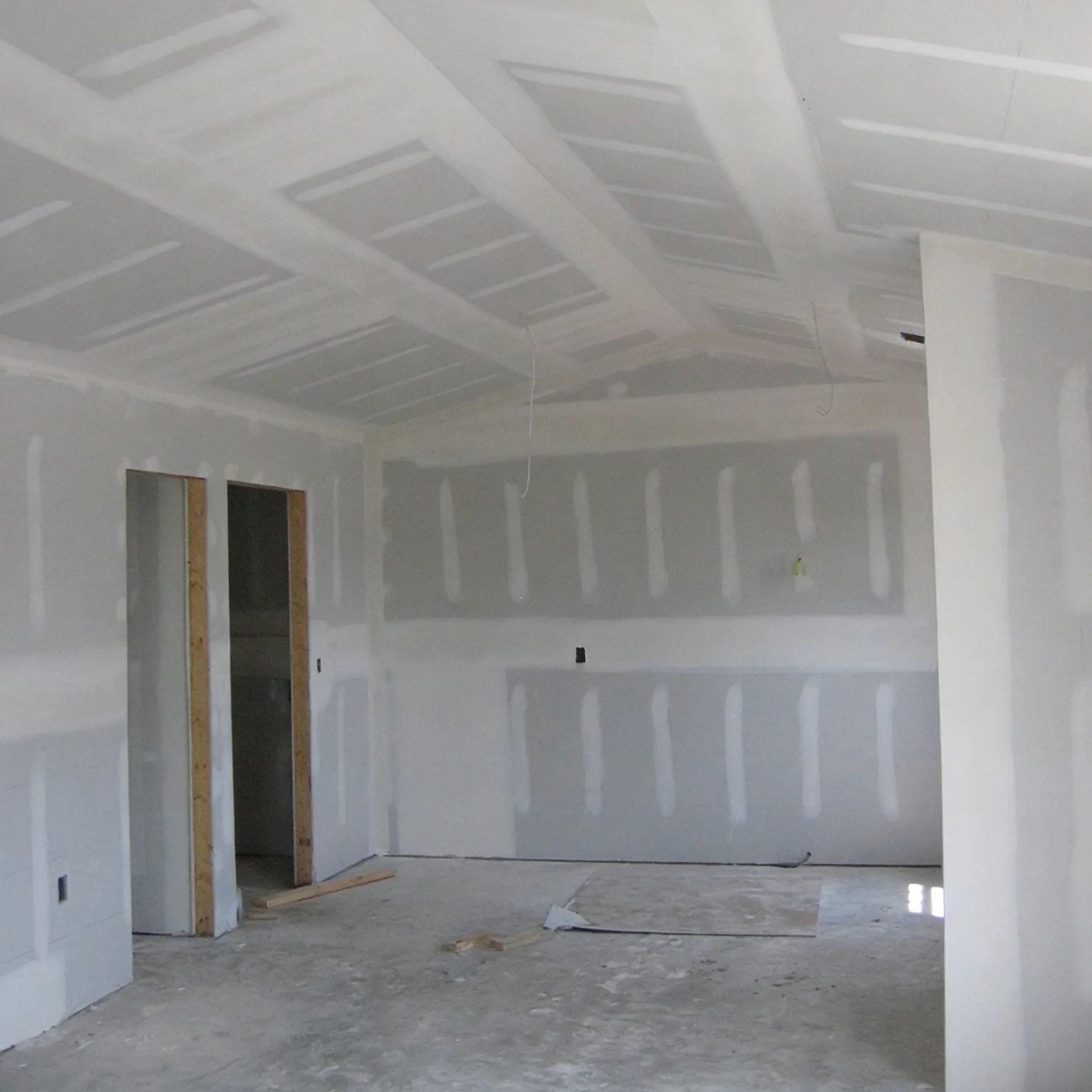
I increasingly see customers focus on repair quality because modern interiors demand smooth and nearly invisible wall finishes.
Small repair details now matter much more.
Mistake: Using The Wrong Patch Size
| Problem | Result |
|---|---|
| Patch too small | Weak repair area |
| Poor overlap | Cracking risk |
Patch sizing affects structural stability.
Mistake: Applying Too Much Joint Compound
| Application Error | Consequence |
|---|---|
| Thick first coat | Shrinkage cracks |
| Uneven spreading | Visible wall texture |
Thin layers produce smoother finishes.
Mistake: Skipping Back Support
| Missing Support Issue | Risk |
|---|---|
| Floating patch | Sagging repair |
| Weak fastening | Future movement |
Support structure improves durability.
Mistake: Poor Sanding Technique
| Sanding Problem | Result |
|---|---|
| Over-sanding | Surface damage |
| Uneven sanding | Visible patch edges |
Controlled sanding creates seamless blending.
Why Drying Time Matters
| Rushed Process | Repair Problem |
|---|---|
| Wet compound painting | Peeling paint |
| Incomplete curing | Surface cracking |
Drywall finishing requires patience.
Why Repair Standards Are Increasing
| Traditional Drywall Repair | Modern Finish Expectations |
|---|---|
| Functional repair focus | Invisible repair focus |
| Basic patching methods | Precision finishing methods |
| Speed-first approach | Quality-first approach |
Interior finishing standards continue rising.
The Industry Shift Behind Repair-Mistake Questions
| Traditional Material Supply | Modern Lifecycle Service |
|---|---|
| Product delivery focus | Long-term wall-quality support |
| Basic installation guidance | Repair and maintenance consulting |
| One-time material sales | Ongoing technical support |
I increasingly believe repair education is becoming part of premium drywall service.
What Are Some Tricks For Patching Holes In Drywall?
Effective drywall patching tricks include using backing strips, applying thin compound layers, feathering edges widely, using mesh tape correctly, and sanding gradually between coats. Good technique creates stronger and less visible repairs.
TRUSUS finishing insight: professional-looking drywall repair depends more on process control than expensive tools.
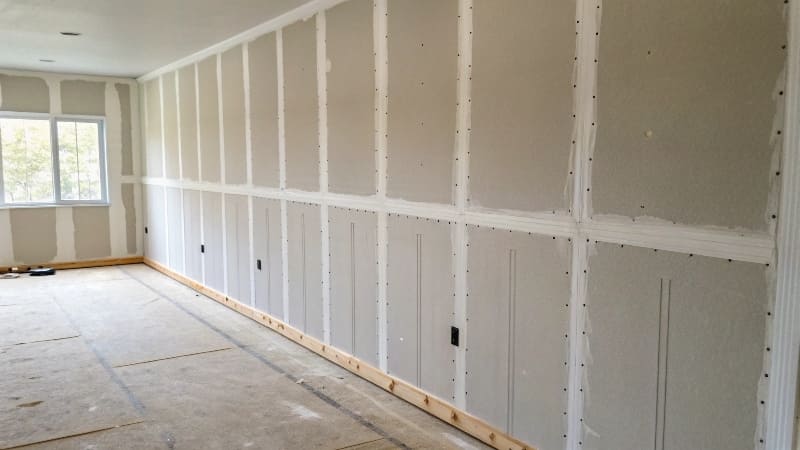
I increasingly see contractors improve repair quality by focusing on preparation and finishing instead of rushing through repairs.
Small technique improvements create major visual differences.
Trick: Use Backing Support
| Support Method | Benefit |
|---|---|
| Wood backing strips | Stronger patch hold |
| Drywall clips | Faster installation |
Stable support prevents movement.
Trick: Apply Thin Layers
| Thin-Coat Advantage | Result |
|---|---|
| Faster drying | Better efficiency |
| Reduced shrinkage | Smoother finish |
Multiple thin coats work better than one thick coat.
Trick: Feather The Edges
| Feathering Technique | Benefit |
|---|---|
| Wide blending area | Invisible transitions |
| Smooth edge tapering | Better paint appearance |
Edge blending controls final appearance.
Trick: Sand Between Layers
| Sanding Stage | Purpose |
|---|---|
| Between coats | Surface leveling |
| Final sanding | Finish preparation |
Gradual sanding improves smoothness.
Trick: Match Wall Texture
| Texture Matching Method | Result |
|---|---|
| Sponge texture | Better blending |
| Spray texture | Surface consistency |
Texture consistency reduces visible repairs.
Why Repair Techniques Matter More Today
| Traditional Repairs | Modern High-Quality Repairs |
|---|---|
| Basic damage coverage | Seamless appearance restoration |
| Functional-only approach | Visual-quality approach |
| Minimal finishing | Detailed finishing standards |
Repair expectations are becoming more demanding.
The Industry Shift Behind Patching-Technique Questions
| Traditional Drywall Market | Modern Technical-Service Market |
|---|---|
| Product-oriented support | Skills-oriented support |
| Material supply focus | Finish-quality consulting |
| Installation-only guidance | Full repair-process education |
I increasingly see repair training become an important value-added service.
Do You Use Joint Compound To Patch Holes In Drywall?
Yes, joint compound is commonly used to patch drywall holes because it fills gaps, smooths surfaces, and blends repairs into surrounding walls. Different hole sizes may require different compound types and support methods.
TRUSUS material insight: choosing the right compound and application method strongly affects repair durability and finish quality.
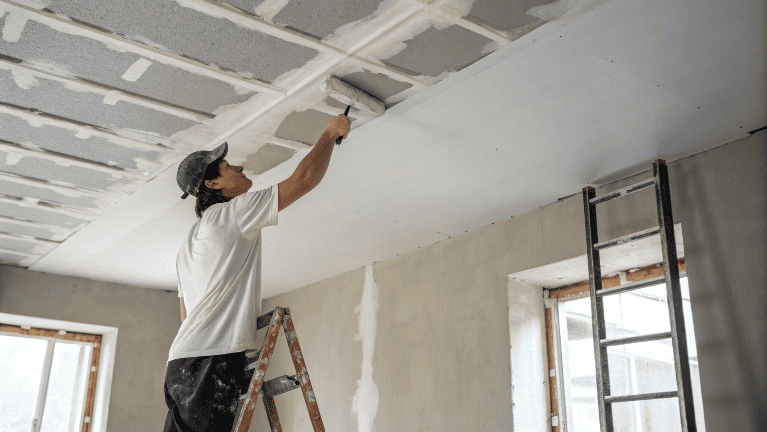
I increasingly see repair problems caused by incorrect compound selection rather than poor patch materials.
Material compatibility matters.
Why Joint Compound Is Used
| Joint Compound Function | Purpose |
|---|---|
| Surface smoothing | Seamless appearance |
| Gap filling | Structural continuity |
| Tape bonding | Crack prevention |
Joint compound is central to drywall finishing.
Common Types Of Joint Compound
| Compound Type | Best Use |
|---|---|
| Lightweight compound | Small repairs |
| Setting-type compound | Faster repairs |
| All-purpose compound | General patching |
Different repair conditions need different materials.
How To Apply Joint Compound Correctly
| Application Step | Key Point |
|---|---|
| First coat | Thin application |
| Second coat | Wider feathering |
| Final coat | Surface smoothing |
Layer control improves finish quality.
Common Joint Compound Mistakes
| Mistake | Result |
|---|---|
| Thick application | Cracking |
| Poor mixing | Uneven texture |
| Fast drying conditions | Weak bonding |
Proper application improves long-term stability.
When Additional Support Is Needed
| Hole Size | Recommended Method |
|---|---|
| Small holes | Compound-only repair |
| Medium holes | Mesh patch support |
| Large holes | Drywall replacement patch |
Repair strategy depends on damage size.
Why Material Knowledge Is Becoming More Important
| Traditional Repair Approach | Modern Repair Standards |
|---|---|
| One-material solutions | Application-specific materials |
| Simple patch methods | Engineered repair methods |
| Basic functionality | Long-term finish performance |
Repair work is becoming more technical.
The Industry Shift Behind Joint-Compound Questions
| Traditional Building-Material Industry | Modern Technical-Support Industry |
|---|---|
| Product manufacturing focus | Repair-system consulting |
| Basic material supply | Application-engineering guidance |
| Installation assistance | Full lifecycle technical support |
I increasingly believe technical repair consulting will become a major part of drywall-system value.
Do You Need 1 Or 2 Pieces Of Drywall When Patching A Hole?
Small drywall holes usually require one patch piece, while larger holes or weak areas may require two layers or additional backing support for strength and stability. Patch design depends on hole size, wall condition, and load requirements.
TRUSUS structural insight: patch stability is more important than minimizing material use.
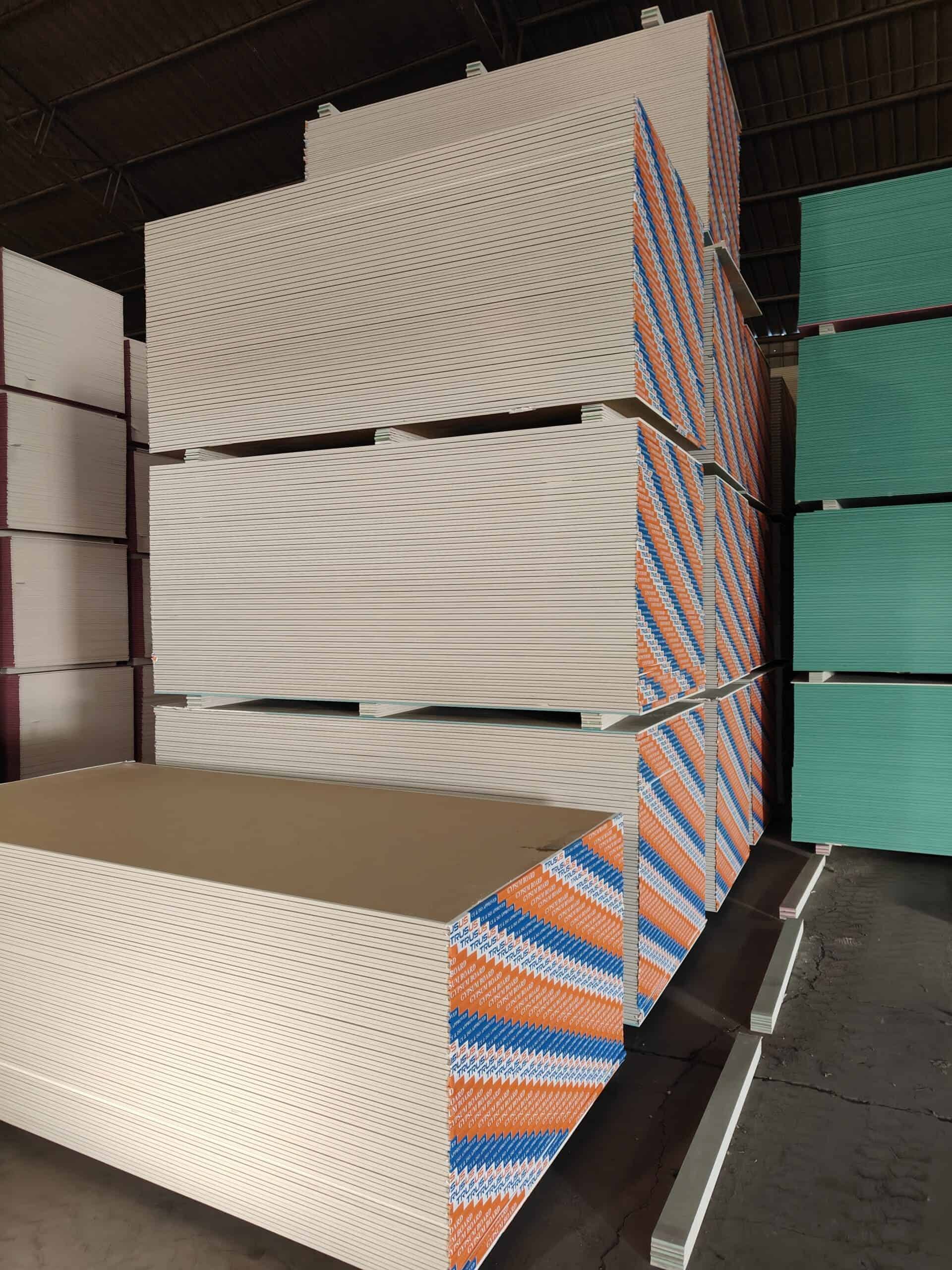
I increasingly see repair failures happen because installers underestimated structural support needs during patching.
Proper reinforcement prevents future movement.
When One Patch Piece Is Enough
| Hole Size | Typical Repair Method |
|---|---|
| Small holes | Single patch |
| Cosmetic damage | Mesh or compound repair |
Simple repairs need less reinforcement.
When Two Pieces Or Extra Support Are Needed
| Repair Situation | Recommended Solution |
|---|---|
| Large openings | Backing plus patch |
| Weak surrounding wall | Double reinforcement |
| High-impact areas | Extra support structure |
Larger repairs require stronger systems.
Why Backing Support Matters
| Support Benefit | Result |
|---|---|
| Better load transfer | Reduced movement |
| Stable fastening | Stronger repair |
| Reduced cracking risk | Longer lifespan |
Support systems improve repair reliability.
Common Patch Layout Strategies
| Strategy | Application |
|---|---|
| Single centered patch | Small damage |
| Double-layer patch | Deep damage |
| Cross-support patch | Structural reinforcement |
Repair design should match wall conditions.
Why Repair Decisions Are Becoming More Technical
| Traditional Repair Thinking | Modern Repair Engineering |
|---|---|
| Minimal material use | Long-term stability focus |
| Fast patching | Durable restoration |
| Basic visual repair | Structural-quality repair |
Repair quality expectations continue increasing.
The Industry Shift Behind Patch-Quantity Questions
| Traditional Drywall Repairs | Modern Wall-System Maintenance |
|---|---|
| Simple cosmetic fixes | Engineered repair systems |
| Basic labor-driven repairs | Technical performance repairs |
| Short-term solutions | Lifecycle durability solutions |
I increasingly see drywall repair evolve into a specialized technical service area.
Conclusion
At TRUSUS, I see drywall repair evolving from simple patchwork into a precision quality-restoration process. Future industry value will come from repair standards, technical training, lifecycle support, and long-term finish-performance solutions.