



Yes, automatic drywall tools are worth the investment for consistent quality and speed. They reduce manual effort, cut material waste, and help deliver smoother, standardized finishes even on large projects.
TRUSUS efficiency insight: automation doesn’t replace skill—it systemizes precision.
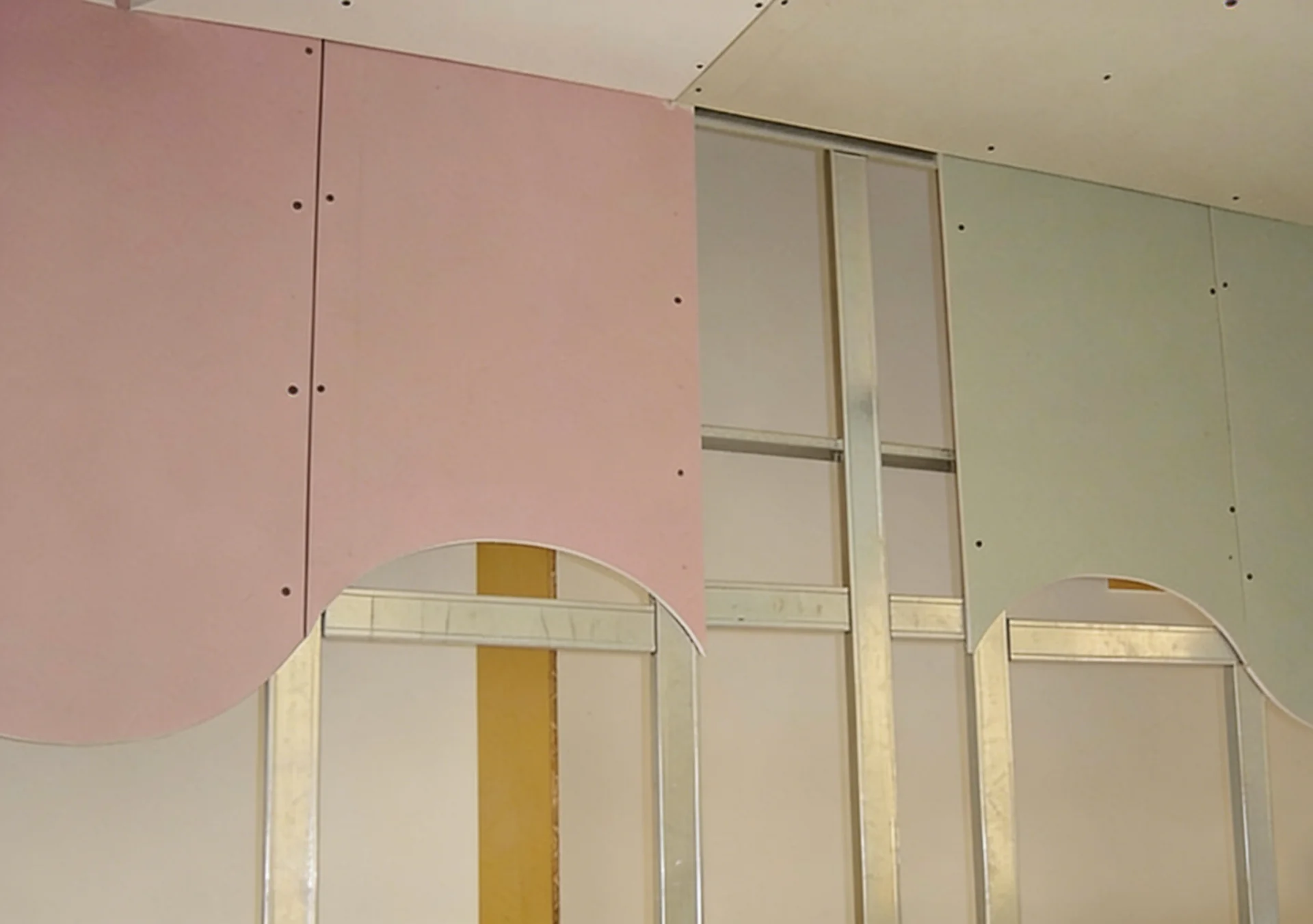
When using automatic tapers, compound applicators, or corner finishers, the output becomes less dependent on individual worker skill. This ensures uniform joints, shorter cycles, and fewer surface defects.
Efficiency Comparison Table
| Method | Avg. Time (per 100m²) | Labor Required | Finish Uniformity | Material Waste |
|---|---|---|---|---|
| Manual Tools | 18 hours | 3 workers | Variable | 8–10% |
| Automatic Tools | 10 hours | 2 workers | Consistent | 3–4% |
Automatic tools greatly improve commercial scale drywall projects without losing the nuance of craftsmanship.
Is Automatic Taping Better Than Hand Taping for Commercial Drywall?
Yes, for commercial projects, automatic taping outperforms hand taping in productivity and consistency. It allows crews to manage larger wall areas faster with uniform compound application.
TRUSUS system insight: automatic taping turns repetition into precision—it makes skill scalable.
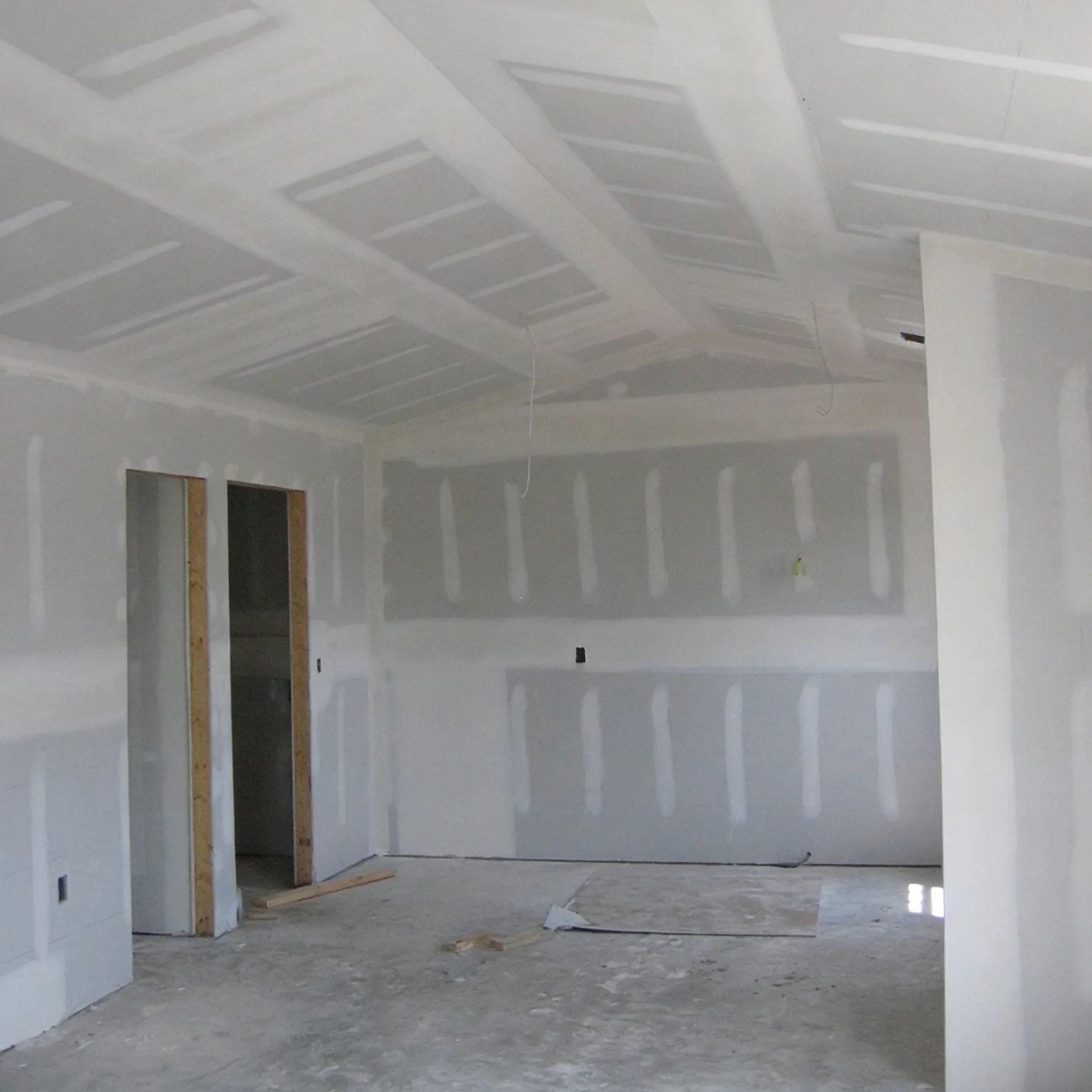
Taping Comparison Chart
| Parameter | Hand Taping | Automatic Taping | Result |
|---|---|---|---|
| Speed | Moderate | High | Doubled output |
| Consistency | Depends on worker | Mechanically uniform | Stable joint width |
| Fatigue | High | Reduced | Longer shifts |
| Training Need | Skilled hands | Machine familiarization | Quick learning |
Automatic taping doesn’t eliminate skill—it minimizes human error in large repetitive tasks, aligning drywall systems with predictable commercial timetables.
Is Self‑Adhesive Drywall Tape Better?
Self‑adhesive drywall tape is faster and cleaner than traditional paper tape but not always stronger. It works well for minor repairs and quick installations but may not match the joint strength of embedded tape under compound.
TRUSUS practical insight: choose tapes by context—speed isn’t always performance.
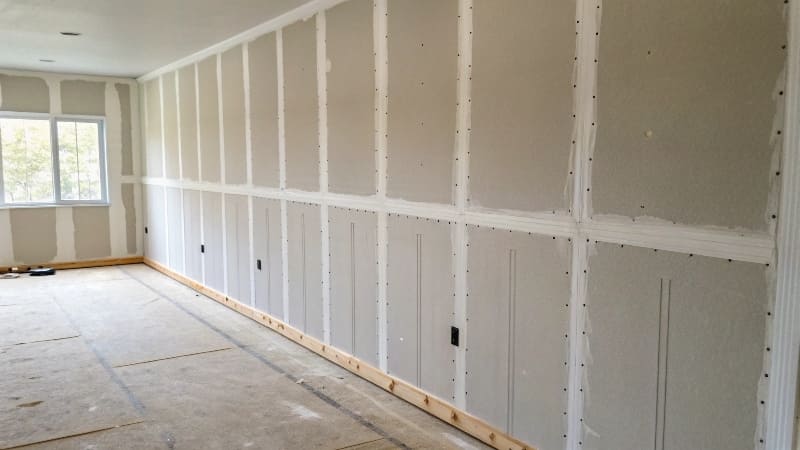
Tape Type Comparison
| Tape Type | Application Method | Strength | Best Use |
|---|---|---|---|
| Paper Tape | Embedded in joint compound | High | Corners and ceilings |
| Mesh Self‑Adhesive | Applied directly to joints | Medium | Small patches, speed jobs |
| Fiberglass Reinforced | Self‑adhesive + fiber strands | Very High | High‑stress joints and quick work |
| Pre‑Sealed System Tape | Machine applied | Consistent | Automated finishing |
Mesh tape helps with efficiency, but for top‑tier finishing—especially Level 5—paper or reinforced tape is preferred to avoid cracks from compound shrinkage.
What Tools Do Professional Drywallers Use?
Professional drywallers use both manual and automatic systems depending on the project scale. Tools range from taping knives and corner rollers to automatic tapers, compound tubes, and mechanical sanders.
TRUSUS craftsmanship insight: true professionals mix intuition with innovation—tools extend hands, not replace them.
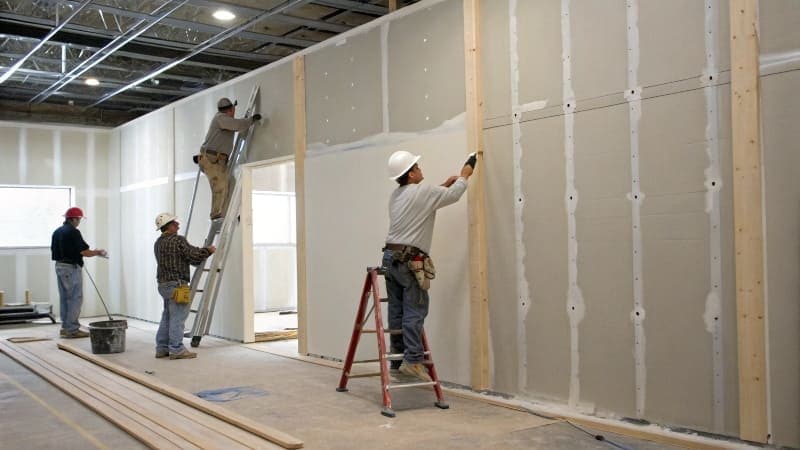
Professional Drywall Tools Overview
| Tool Type | Function | Typical Use |
|---|---|---|
| Automatic Taper | Dispenses tape and compound simultaneously | Long wall seams |
| Compound Tube | Applies mud to joints or corners | Controlled filler application |
| Corner Roller and Finisher | Forms clean interior corners | Smoother transitions |
| Automatic Flat Box | Spreads compound evenly on joints | Final finish layers |
| Power Sander | Evens surfaces quickly | Pre‑paint smoothing |
These tools support efficiency in modern construction where time, cost, and aesthetic precision must align across projects.
Conclusion
At TRUSUS, I see automatic drywall tools as the future bridge between craftsmanship and industrial precision. They turn drywall finishing from an art of experience into a reproducible, controllable quality system.