



Moisture resistant drywall is needed wherever humidity levels stay high or moisture appears frequently, such as bathrooms, kitchens, basements, and utility areas. It prevents deformation, mold growth, and surface damage caused by damp environments.
we design moisture resistant drywall to manage indoor humidity, not just block it.

Drywall doesn’t reject water completely—it stabilizes under changing humidity to protect structures and finishes.
Where to Put Moisture Resistant Drywall?
Moisture resistant drywall should be placed in zones with intermittent moisture exposure—not necessarily where water directly hits, but where it frequently condenses. Spaces like shower surrounds, laundry areas, or kitchen backsplashes are ideal, while ceilings near ventilation ducts also benefit from extra moisture control.
installation advice: place moisture resistant drywall in every zone exposed to steam or condensation changes.
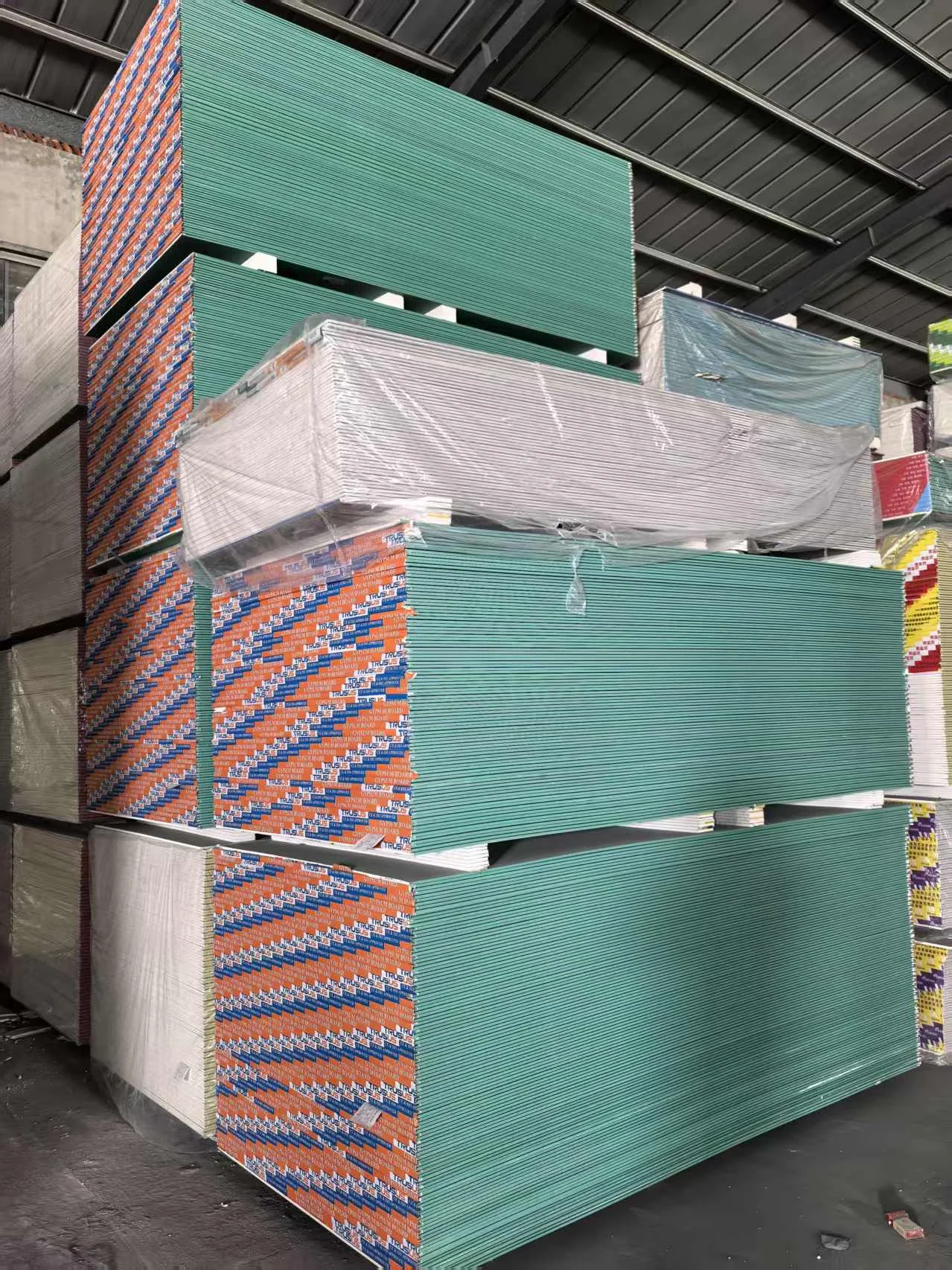
Room Application Reference
| Room / Area | Moisture Condition | Recommended Board | Reason |
|---|---|---|---|
| Shower enclosure (non-direct wall) | Intermittent wet | Moisture resistant drywall (green board) | Handles humidity better |
| Kitchen walls | Steam exposure | Moisture resistant drywall | Stops swelling and mold |
| Laundry room | Variable moisture | Moisture resistant drywall | Extends paint finish life |
| Basement walls | Constant humidity | Moisture + mold-resistant drywall | Maintains dimensional stability |
| Ceilings near vents | Condensation area | Moisture resistant drywall | Prevents edge sagging |
Placement Principles
| Guideline | Description |
|---|---|
| Install near vapor-emitting spots, not just wet walls. | |
| Avoid direct water exposure unless fortified with waterproof coatings. | |
| Combine with sealants and good ventilation for full system performance. | |
| Meet local code requirements for wet area usage. |
The goal isn’t full waterproofing—it’s stable performance under realistic indoor humidity variation.
When Should You Use Moisture Resistant Plasterboard?
Use moisture resistant plasterboard when an area faces frequent humidity, short-term water vapor, or temperature fluctuation. It’s valuable during seasonal dampness, especially for coastal or basement projects. It ensures the wall system adapts smoothly to environmental changes.
core insight: moisture resistant boards don’t block water completely—they cooperate with ventilation systems to balance humidity.

Use Scenarios
| Type of Space | Humidity Cycle | Recommended Treatment |
|---|---|---|
| Residential bathroom | Daily steam | Use moisture resistant board plus waterproof paint |
| Commercial kitchen | Continuous vapor | Use fire + moisture resistant composite board |
| Coastal housing | Seasonal damp | Combine gypsum board with air cavity |
| Sub-ground floor | Rising moisture | Use board plus dehumidifier or ventilation unit |
Installation Timing Tips
| Step | Reason | Effect |
|---|---|---|
| Wait until major wet work finishes | Avoid early exposure to humid air | Prevent board edge curling |
| Maintain indoor humidity below 60% | Creates stable installation condition | Ensures proper adhesion |
| Seal joints with moisture-compatible compound | Prevent edge leaks | Enhances integrity |
| Use vapor-open paint | Allow breathability | Keeps system dry internally |
Plasterboard acts as a humidity regulator, not a waterproof barrier.
Do I Need Plastic Behind Moisture Resistant Drywall?
Usually, you don’t need plastic behind moisture resistant drywall. Plastic vapor barriers can trap internal moisture, causing condensation between the board and film. Instead, use proper airflow gaps and breathable membranes to manage vapor effectively.
recommendation: adopt a system approach—moisture control through ventilation and balanced material layers, not sealed isolation.
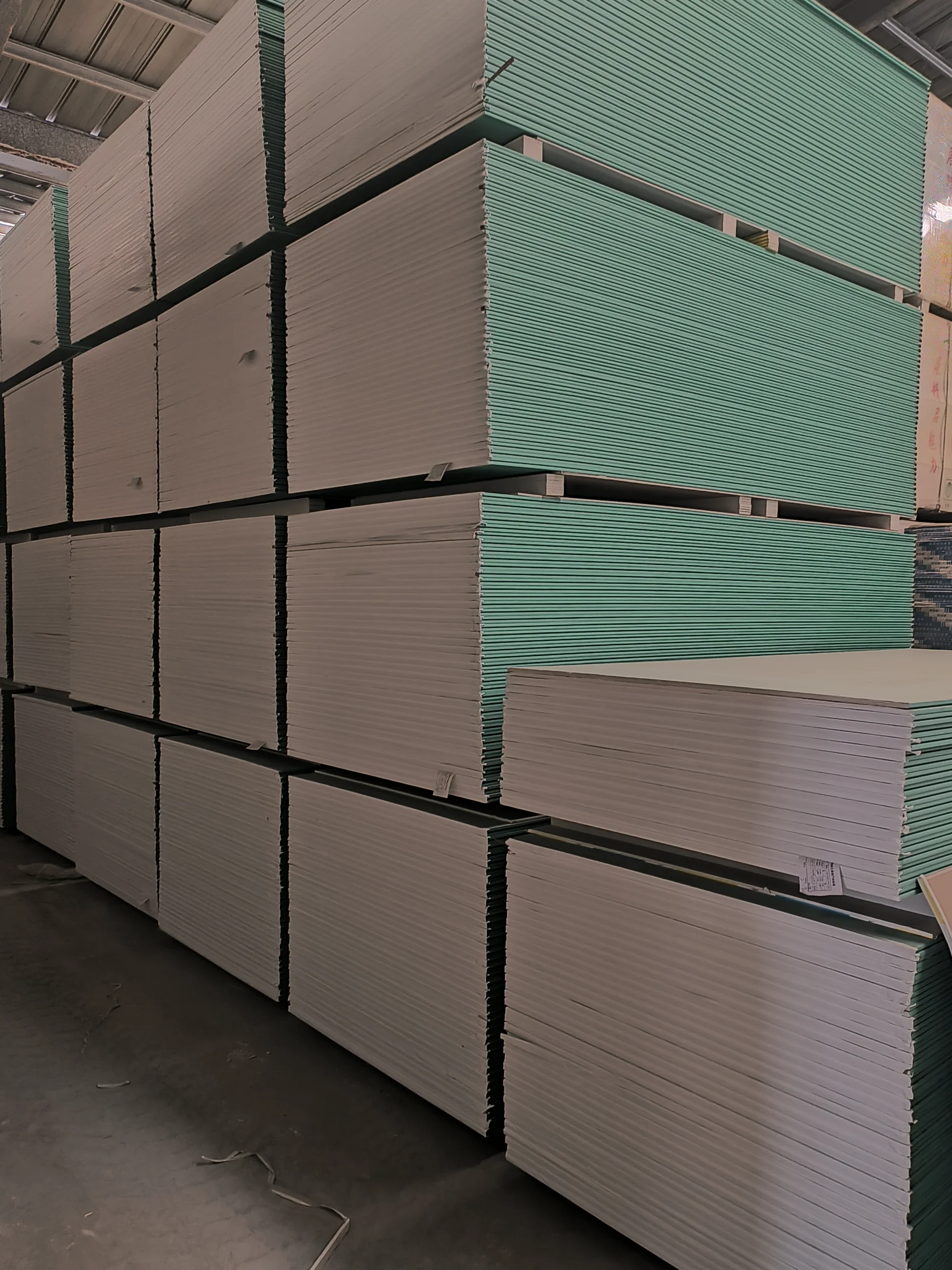
TRUSUS Moisture Layer Comparison
| Setup | Result | Comment |
|---|---|---|
| Plastic film behind board | Moisture trapped, possible mold | Not recommended in closed walls |
| Vapor-permeable membrane | Allows controlled airflow | Best for continuous humidity |
| Open cavity ventilation | Natural drying | Effective for basements |
| Standard board + air gap | Simple upgrade | Improves wall breathing |
System Coordination Tips
| Component | Purpose | Note |
|---|---|---|
| Sealant joints | Prevent vapor leak | Keep transitions tight |
| Insulation type | Choose breathable material | Avoid plastic-faced insulation |
| Mechanical ventilation | Move moist air out | Key for bathrooms and kitchens |
| Topcoat paint | Vapor-open design | Helps manage humidity layers |
The most effective moisture control is systemic, not one-layer. Boards, cavities, and ventilation must act together.
Conclusion
Moisture resistant drywall belongs wherever humidity cycles are frequent—bathrooms, kitchens, basements, or coastal structures. Use it to control, not block, moisture. Adding plastic behind it often harms performance by trapping vapor. In TRUSUS philosophy, the goal is harmony between board, air, and environment—a wall system that breathes rather than resists.