



When customers first hear about “acoustic gypsum board,” they often expect a magical solution to stop all noise. But real sound management goes far beyond a single material.
Acoustic gypsum board is a specialized drywall designed to reduce sound transmission through walls and ceilings. It features a denser core, sometimes with damping polymers or viscoelastic layers, which absorb and block mid-to-high-frequency sound waves more effectively than regular drywall.

When I started producing gypsum boards, I found that many clients chased “soundproof material” buzzwords. Over time, we had to explain: the board’s job is part of a system—it performs best when combined with insulation, elastic channels, and proper sealing.
What Is the Difference Between Soundproof Drywall and Regular Drywall?
At first glance, both types look identical. But the real differences lie inside—the composition, density, and structure of the board core.
Soundproof drywall uses higher-density gypsum, added viscoelastic polymer layers, or laminated damping sheets. Regular drywall is made of gypsum and paper without those enhancements, thus offering standard fire and finish properties but limited sound isolation.
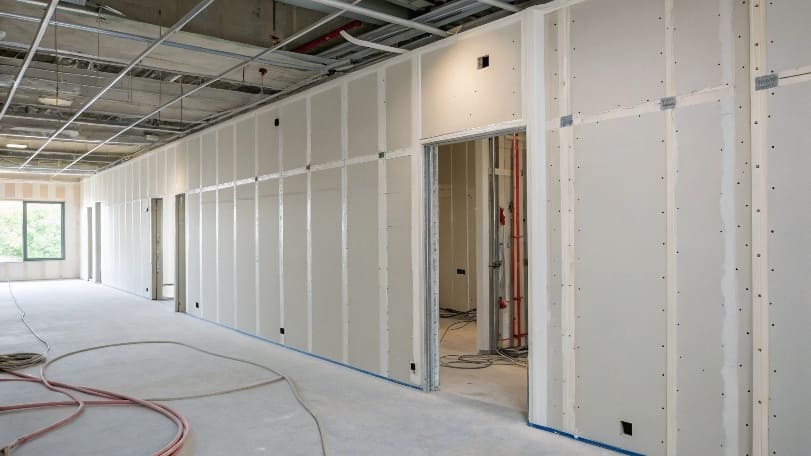
Comparing Key Features
From my manufacturing perspective, the difference feels obvious when we cut or lift the boards—the soundproof type is heavier, stiffer, and slightly thicker. But that extra weight translates directly into acoustic control.
| Feature | Regular Drywall | Soundproof (Acoustic) Drywall |
|---|---|---|
| Core Density | Standard gypsum | High-density gypsum or composite |
| Thickness | 9.5–12.5 mm | 12.5–16 mm (multi-layer laminated) |
| Typical STC (1 layer) | ~35 | ~45–55 |
| Weight | Lighter | 25–40% heavier |
| Price | Lower | Higher but with better acoustic value |
So while ordinary drywall meets basic building needs, acoustic drywall transforms a surface into a functional part of a quiet-space system.
What Are the Three Types of Drywall?
This question comes up often during specification or site training sessions. Most clients are surprised to learn that “drywall” is an entire family of boards with tailored performance.
The three most common types are standard drywall, moisture-resistant drywall, and acoustic (or soundproof) drywall.
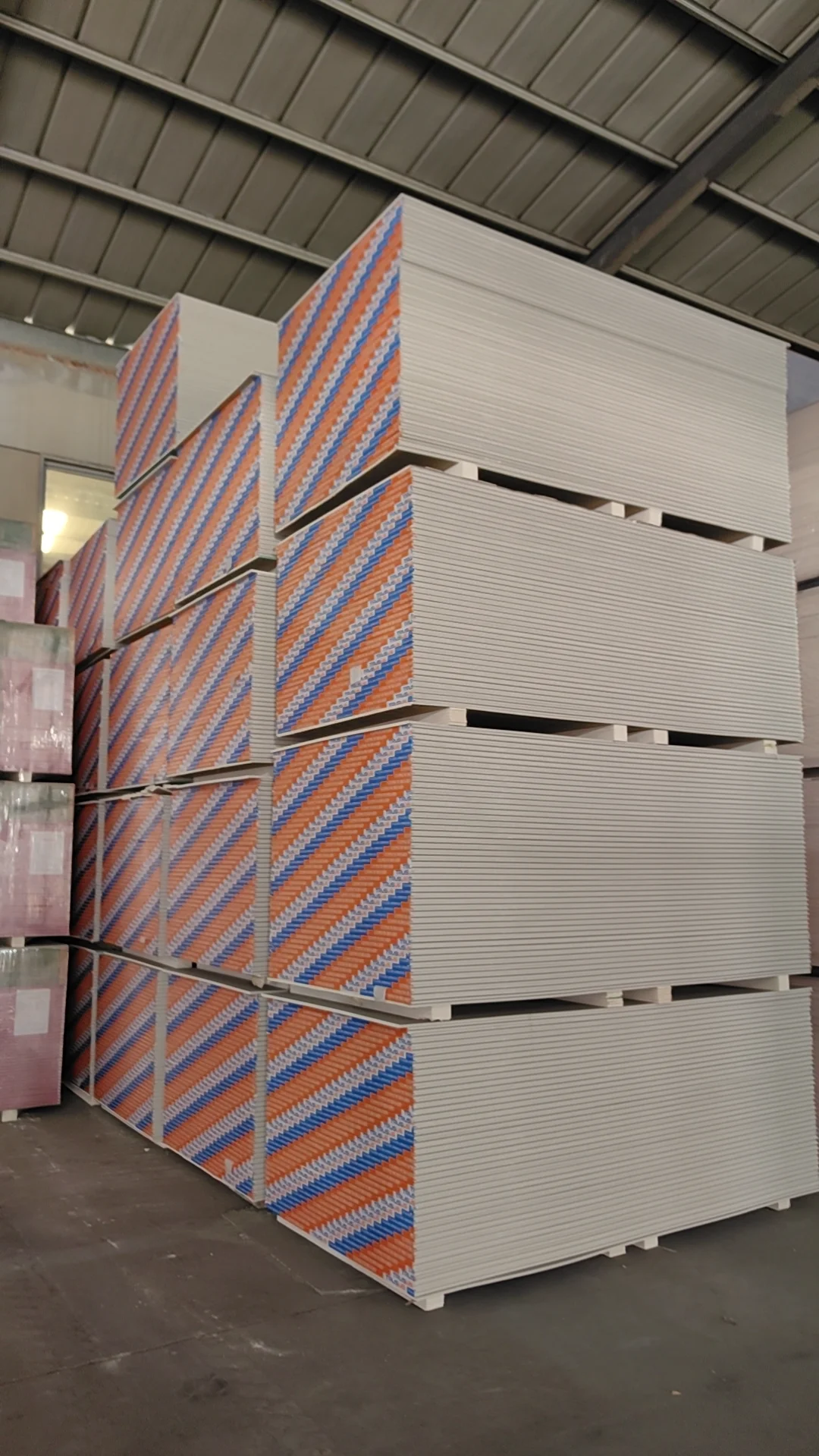
Understanding Drywall Classification
Across our product lines, these distinctions come down to composition and coating materials used in the cores and surfaces.
| Type | Description | Common Use |
|---|---|---|
| Standard Drywall | Basic gypsum plaster core with paper facing | Interior walls, ceilings, low-humidity rooms |
| Moisture-Resistant Drywall (Green Board) | Water-repellent core and special surface | Bathrooms, kitchens, semi-humid areas |
| Soundproof (Acoustic) Drywall | Denser or layered core for sound reduction | Bedrooms, studios, meeting rooms |
Each serves a purpose. The best results come when selecting the right board for the environment, not simply picking the most expensive type.
Is Acoustic Drywall Worth It?
For many clients, the next question is about cost versus benefit. They often ask: “Is paying more for acoustic boards really necessary?”
Yes—when your space demands privacy or comfort. Acoustic drywall delivers value not through thickness alone, but through improved acoustic performance and better living or working conditions.
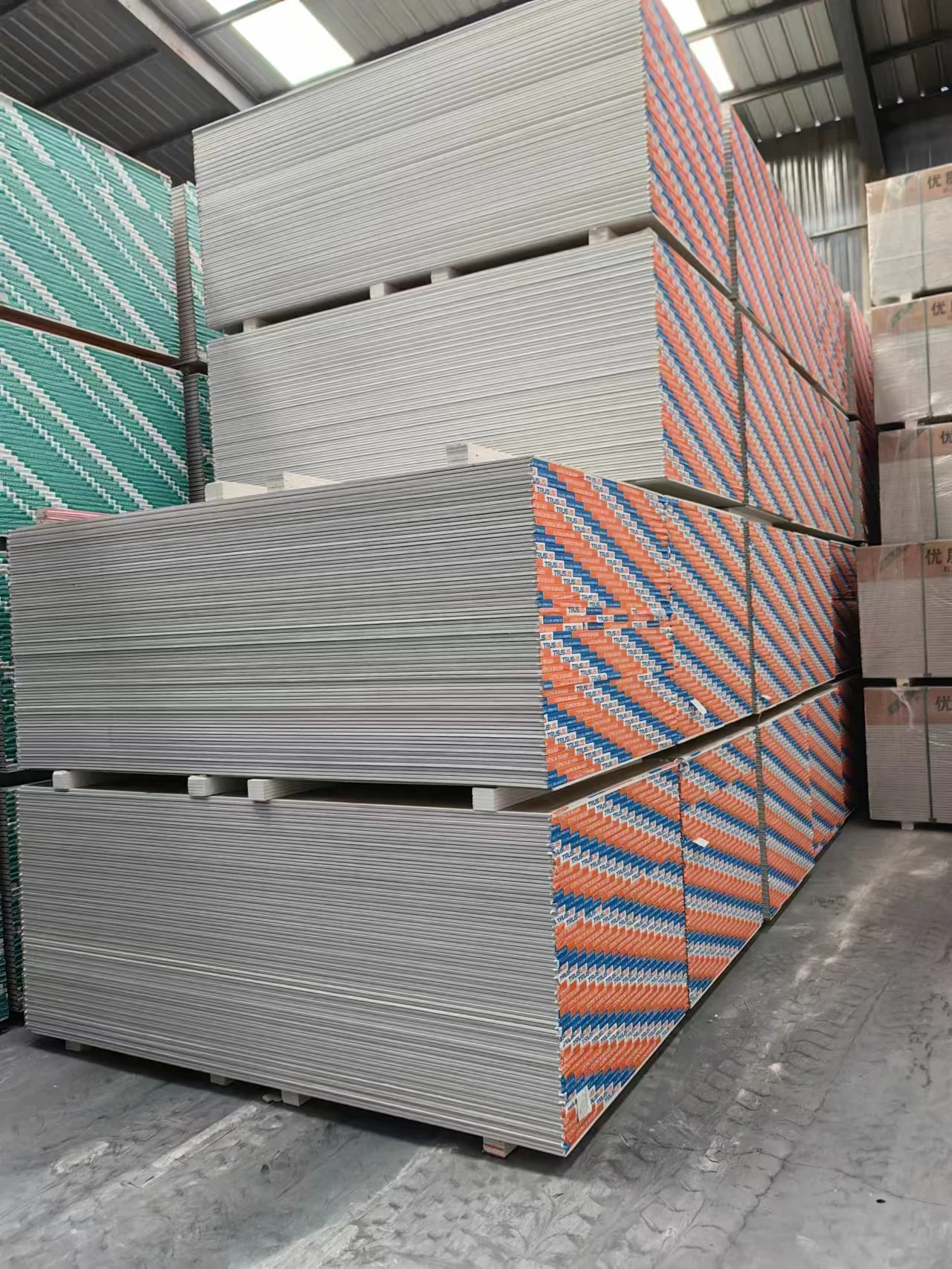
Evaluating the Value Perspective
In my experience, acoustic drywall becomes essential in projects like hotels, schools, hospitals, and home theaters—places where noise control directly affects comfort and quality.
| Situation | Acoustic Board Value | Recommendation |
|---|---|---|
| Office or Meeting Room | Prevents speech leak through walls | Use double acoustic boards per side |
| Home Bedroom or Apartment | Reduces neighbor noise | Pair acoustic board with mineral wool |
| Studio or Media Room | Demands highest quiet rating | Combine layered boards with resilient channels |
The small cost increase usually pays off through measurable quietness and longer-term satisfaction. The key is using it as part of a system, not expecting one panel to silence an entire environment.
Conclusion
Acoustic gypsum board is an upgraded form of drywall built for sound control. It differs from regular drywall in density, structure, and composition, helping reduce airborne noise when integrated into full acoustic wall systems. The three main drywall types—standard, moisture-resistant, and acoustic—each serve unique roles. While acoustic drywall costs slightly more, it’s worth every cent when a project values comfort, privacy, and quality of space. True quiet isn’t about thick walls, but smart construction—and acoustic gypsum board is where that begins.