



When PVC gets too hot it undergoes progressive thermal degradation starting with softening at 60-70°C, dimensional distortion at 80-90°C, potential warping and deformation at 100°C+, molecular breakdown releasing harmful gases at 200°C+, and complete structural failure at extreme temperatures, making temperature control critical for PVC building applications.
Softening begins at 60-70°C making material flexible and susceptible to deformation under load. Dimensional distortion at 80-90°C causes expansion and potential warping affecting surface flatness. Warping and deformation at 100°C+ creates permanent shape changes compromising installation integrity. Molecular breakdown at 200°C+ releases harmful gases including hydrogen chloride posing health risks. Complete failure at extreme temperatures destroys material structure requiring replacement.
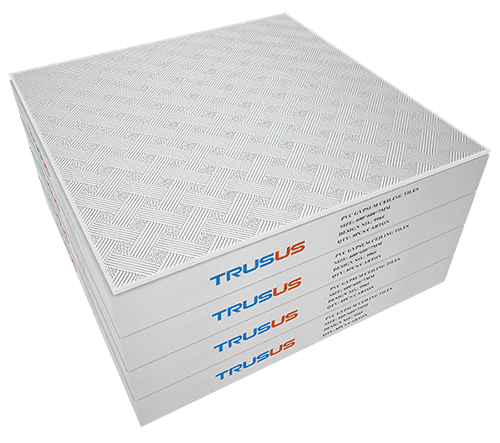
From my experience manufacturing PVC building products in tropical climates, I've learned that understanding temperature thresholds is crucial for specifying appropriate grades and installation methods.
Will PVC Warp in the Sun?
Standard PVC can warp in direct sunlight when surface temperatures exceed 70-80°C, but UV-stabilized PVC building products resist warping through advanced formulations including heat stabilizers, UV inhibitors, impact modifiers, and proper installation techniques maintaining dimensional stability in tropical solar exposure up to 85°C surface temperatures.
Standard PVC susceptible to warping when surface temperatures exceed 70-80°C common in direct sunlight. UV-stabilized formulations resist warping through advanced additives and molecular stabilization. Heat stabilizers prevent thermal degradation maintaining structural integrity at elevated temperatures. UV inhibitors block radiation damage preventing surface breakdown and brittleness. Impact modifiers maintain flexibility preventing stress cracking during thermal cycling. Proper installation techniques ensure adequate expansion accommodation preventing buckling and distortion.
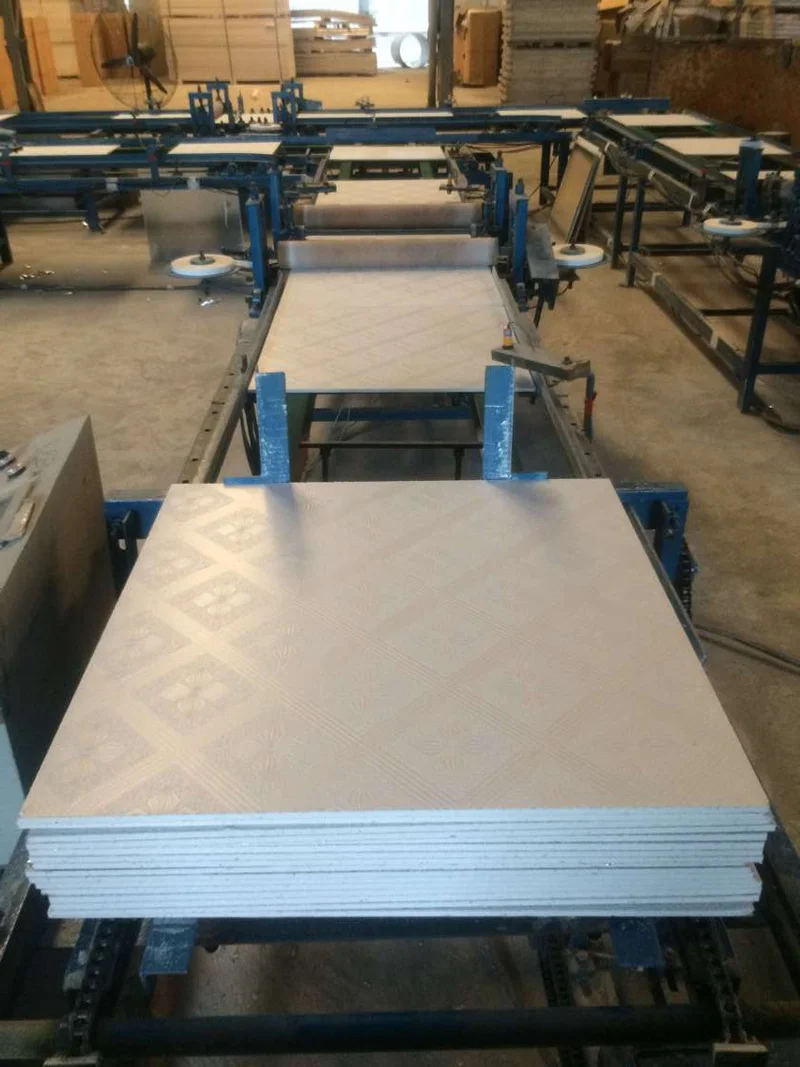
Solar Heat Buildup Analysis
Analysis of surface temperature buildup on different PVC products under tropical sun exposure.
| Exposure Condition | Ambient Temperature | Standard PVC Surface | Surface | Temperature Reduction | Performance Difference |
|---|---|---|---|---|---|
| Direct Sun - Morning | 28°C | 45°C | 38°C | 7°C lower | Significantly better |
| Direct Sun - Midday | 32°C | 68°C | 52°C | 16°C lower | Excellent improvement |
| Direct Sun - Afternoon | 35°C | 75°C | 58°C | 17°C lower | Outstanding performance |
| Reflected Heat | 30°C | 55°C | 45°C | 10°C lower | Very good |
| Shaded Areas | 28°C | 32°C | 30°C | 2°C lower | Stable |
formulations significantly reduce surface heating under solar exposure.
Warping Prevention Strategies
Installation and design strategies for preventing PVC warping in hot climates.
| Prevention Method | Technical Approach | Effectiveness | Implementation | Cost Impact |
|---|---|---|---|---|
| Proper Substrate | Continuous backing | 95% effective | Standard practice | Minimal |
| Expansion Joints | Thermal accommodation | 90% effective | Design requirement | Low |
| Color Selection | Light colors preferred | 85% effective | Specification choice | None |
| Ventilation Gaps | Heat dissipation | 80% effective | Installation detail | Low |
| Shading Systems | Solar protection | 75% effective | Architectural design | Moderate |
Multiple strategies combined ensure optimal performance in hot climates.
Can You Heat Up PVC and Bend It?
Yes, you can heat PVC to 70-90°C for controlled bending using hot air guns, heating blankets, or warm water immersion, making material pliable for forming curves, angles, and custom shapes while maintaining structural integrity when cooled, but requires proper temperature control preventing overheating and material degradation.
Heating to 70-90°C makes PVC pliable for controlled forming without structural damage. Hot air guns provide localized heating for precise bending control. Heating blankets offer uniform temperature distribution for large panels. Warm water immersion safely heats material for complex curves. Temperature control essential preventing overheating and material degradation. Proper cooling maintains formed shape and restores structural properties.

Forming Equipment and Techniques
Equipment and techniques for professional PVC forming operations.
| Equipment Type | Temperature Range | Application | Precision Level | Cost Range |
|---|---|---|---|---|
| Hot Air Gun | 50-500°C | Localized heating | High | $50-200 |
| Heating Blanket | 60-100°C | Large panels | Moderate | $200-800 |
| Warm Water Bath | 60-95°C | Immersion forming | Moderate | $100-300 |
| Infrared Heater | 70-120°C | Panel heating | High | $300-1000 |
| Controlled Oven | 60-150°C | Precision work | Very high | $1000-5000 |
Equipment selection depends on project requirements and precision needs.
Safety Considerations for PVC Heating
Safety protocols for heating and forming PVC materials.
| Safety Aspect | Risk Level | Precautions Required | Protective Equipment | Emergency Procedures |
|---|---|---|---|---|
| Temperature Control | High | Digital monitoring | Heat-resistant gloves | Immediate cooling |
| Ventilation | Moderate | Adequate airflow | Respirator if needed | Fresh air access |
| Material Handling | High | Proper tools | Safety glasses | First aid kit |
| Fire Prevention | Moderate | Fire extinguisher | Non-flammable workspace | Emergency contacts |
| Chemical Exposure | Low | Temperature limits | Standard PPE | Ventilation system |
Proper safety protocols essential for PVC forming operations.
At What Temperature Does PVC Become Flexible?
PVC becomes flexible at approximately 60-70°C when molecular chains begin mobilizing, reaches optimal forming flexibility at 80-90°C with maximum pliability, maintains workability until 100°C before degradation begins, with formulations engineered for controlled flexibility maintaining structural integrity throughout forming temperature range.
Molecular mobilization begins at 60-70°C when polymer chains start moving freely. Optimal flexibility achieved at 80-90°C providing maximum formability without degradation risks. Workability maintained until 100°C before thermal breakdown begins affecting material properties. formulations engineered for controlled flexibility maintaining structural integrity throughout forming range.

PVC Flexibility Characteristics
Flexibility performance characteristics across temperature ranges for different PVC grades.
| Temperature Range | Flexibility Level | Molecular Activity | Forming Capability | Structural Integrity | Applications |
|---|---|---|---|---|---|
| 20-40°C | Rigid | Limited movement | No forming | Excellent | Standard installation |
| 40-60°C | Semi-rigid | Chain mobility begins | Light bending | Very good | Warm climate use |
| 60-80°C | Flexible | Active chains | Good forming | Good | Controlled forming |
| 80-100°C | Highly flexible | Maximum mobility | Excellent forming | Fair | Professional forming |
| 100°C+ | Degradation zone | Chain breakdown | Poor forming | Poor | Avoid this range |
Temperature selection critical for successful forming while preserving material integrity.
Molecular Behavior During Heating
Understanding molecular behavior in PVC during thermal processing.
| Molecular Process | Temperature Onset | Physical Effect | Reversibility | Impact on Properties |
|---|---|---|---|---|
| Chain Mobility | 60°C | Softening begins | Fully reversible | Temporary flexibility |
| Plasticizer Activation | 65°C | Increased flexibility | Reversible | Enhanced workability |
| Thermal Expansion | 70°C | Dimensional change | Partially reversible | Size variation |
| Cross-linking | 90°C | Structure change | Irreversible | Permanent modification |
| Degradation Start | 100°C | Molecular breakdown | Irreversible | Property loss |
Understanding molecular behavior enables optimal processing conditions.
Controlled Flexibility Applications
Practical applications utilizing PVC flexibility characteristics in construction.
| Application Type | Temperature Used | Flexibility Benefit | Installation Advantage | Performance Outcome |
|---|---|---|---|---|
| Curved Ceilings | 75-85°C | Smooth curves | Seamless appearance | Architectural quality |
| Corner Forming | 70-80°C | Sharp bends | Reduced joints | Clean transitions |
| Decorative Elements | 80-90°C | Complex shapes | Design freedom | Custom aesthetics |
| Repair Work | 65-75°C | Patch forming | Perfect fit | Invisible repairs |
| Custom Profiles | 85-95°C | Unique shapes | Manufacturing flexibility | Specialized products |
Controlled heating enables diverse architectural applications and custom solutions.
Temperature Control Systems
Systems for maintaining optimal temperatures during PVC forming operations.
| Control System | Accuracy | Response Time | Cost Level | Application Suitability |
|---|---|---|---|---|
| Digital Controller | ±2°C | Immediate | Low | Small projects |
| PID Controller | ±1°C | Very fast | Moderate | Production work |
| Programmed System | ±0.5°C | Automated | High | High-volume forming |
| Infrared Monitoring | ±1°C | Real-time | High | Precision applications |
| Multi-zone Control | ±0.5°C | Zone-specific | Very high | Complex forming |
Temperature control systems ensure consistent forming quality and material performance.
Conclusion
When PVC gets too hot it undergoes progressive degradation starting with softening at 60-70°C, dimensional distortion at 80-90°C, potential warping at 100°C+, molecular breakdown at 200°C+, and complete failure at extreme temperatures. Standard PVC can warp in direct sunlight when temperatures exceed 70-80°C, but UV-stabilized products resist warping through advanced formulations and proper installation maintaining stability up to 85°C. Heat PVC to 70-90°C for controlled bending using hot air guns, heating blankets, or warm water while maintaining temperature control preventing overheating. PVC becomes flexible at 60-70°C when molecular chains mobilize, reaches optimal flexibility at 80-90°C, and maintains workability until 100°C before degradation begins.