



PVC ceilings offer moisture resistance, easy installation, low maintenance, and cost-effectiveness making them ideal for bathrooms, kitchens, and commercial spaces.
PVC ceiling panels provide 100% moisture resistance with zero water absorption eliminating mold and mildew growth. Installation requires minimal tools and skills using tongue-and-groove interlocking system reducing labor costs by 40-60%. Maintenance involves simple cleaning with soap and water requiring no painting or refinishing throughout 10-15 year lifespan. Material cost ranges 30-50% lower than alternatives including gypsum board or wood paneling systems. Design flexibility includes 50+ colors and patterns with smooth, textured, or wood-grain finishes suitable for residential and commercial applications.
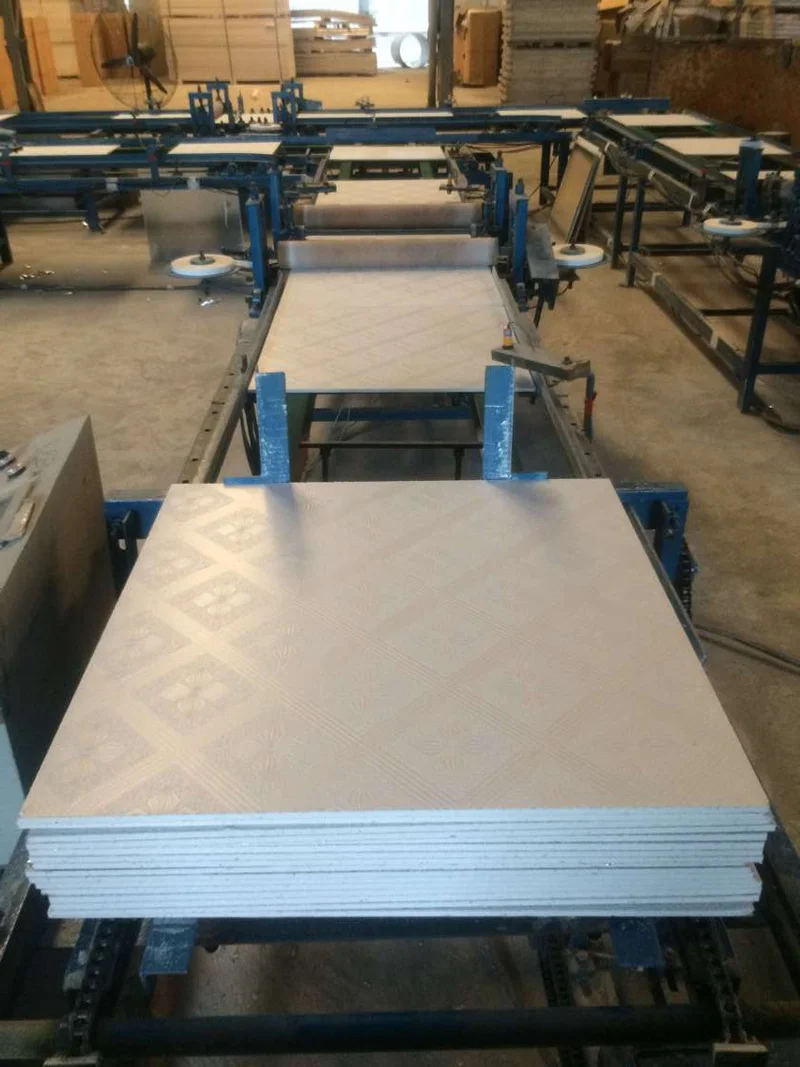
From my extensive experience in ceiling materials manufacturing, I've observed that PVC ceilings excel in specific environments where moisture control and low maintenance are priorities, though they require careful consideration of long-term performance factors.
What are the Disadvantages of pvc gypsum ceiling tiles?
PVC ceiling tiles have significant disadvantages including limited fire resistance, potential toxic fume emission, thermal expansion issues, and environmental concerns.
Fire resistance limitations show PVC melting at 80-85°C with toxic chlorine gas emission during combustion creating safety hazards. Thermal expansion causes 6-8mm movement per 3-meter length leading to gap formation and buckling in temperature fluctuations. UV degradation results in color fading and brittleness after 3-5 years of direct sunlight exposure. Environmental impact includes non-biodegradable waste and manufacturing processes releasing harmful chemicals. Limited structural strength restricts load-bearing capacity preventing integration with heavy lighting or HVAC systems.

Fire Safety Concerns
PVC ceiling materials present significant fire safety challenges in building applications.
| Safety Parameter | PVC Performance | Safety Rating | Alternative Comparison | Risk Mitigation |
|---|---|---|---|---|
| Ignition Temperature | 260-290°C | Poor | Gypsum: 600°C+ | Fire retardant additives |
| Flame Spread | Class C (high) | Poor | Gypsum: Class A | Limited area installation |
| Smoke Production | High density | Poor | Mineral: Low | Ventilation systems |
| Toxic Gas Release | HCl, dioxins | Dangerous | Gypsum: None | Emergency planning |
| Self-Extinguishing | No | Poor | Gypsum: Yes | Sprinkler integration |
Toxic gas emission represents the most serious fire safety concern with PVC ceiling materials.
Thermal Movement Issues
Temperature variations cause significant dimensional changes in PVC ceiling systems.
| Temperature Range | Linear Expansion | Gap Formation | Visual Impact | Structural Stress |
|---|---|---|---|---|
| 20-30°C | 1.2mm/meter | Minimal | Acceptable | Low |
| 20-40°C | 2.4mm/meter | Noticeable | Concerning | Medium |
| 20-50°C | 3.6mm/meter | Significant | Unacceptable | High |
| Seasonal Variation | 4-6mm/meter | Severe | Structural damage | Critical |
| HVAC Influence | Variable | Continuous | Maintenance issues | Ongoing |
Seasonal temperature variations create the most problematic thermal movement issues.
Environmental Impact Assessment
PVC ceiling materials raise significant environmental concerns throughout their lifecycle.
| Environmental Factor | Impact Level | Specific Concerns | Comparison to Alternatives | Mitigation Options |
|---|---|---|---|---|
| Manufacturing Emissions | High | Chlorine compounds | Gypsum: 75% less | Process improvements |
| Installation Waste | Medium | 10-15% trim waste | Wood: Similar | Precise measuring |
| Operational Impact | Low | Minimal during use | Neutral comparison | Proper ventilation |
| End-of-Life Disposal | High | Non-biodegradable | Gypsum: Recyclable | Specialized recycling |
| Resource Depletion | Medium | Petroleum-based | Natural materials better | Bio-based alternatives |
End-of-life disposal creates the most significant long-term environmental challenge.
Is PVC Good for a Ceiling?
PVC performs well for ceiling applications in moisture-prone areas but has limitations in fire safety, thermal stability, and long-term environmental performance.
PVC excels in bathrooms and kitchens where moisture resistance prevents structural damage and mold growth. Commercial applications benefit from easy cleaning and low maintenance requirements reducing operational costs. Installation advantages include lightweight panels and simple cutting with standard tools. However, residential living areas require consideration of indoor air quality and fire safety concerns. Climate considerations affect performance with extreme temperatures causing expansion problems.

Application Suitability Matrix
Different environments present varying suitability levels for PVC ceiling installations.
| Environment Type | Suitability Rating | Primary Benefits | Major Concerns | Alternative Recommendations |
|---|---|---|---|---|
| Bathrooms | Excellent (9/10) | Moisture resistance | Ventilation needs | Best choice |
| Kitchens | Very Good (8/10) | Easy cleaning | Heat exposure | Consider exhaust fans |
| Living Rooms | Fair (5/10) | Cost savings | Fire safety | Gypsum board preferred |
| Bedrooms | Poor (4/10) | Low maintenance | Air quality | Natural materials better |
| Commercial Offices | Good (7/10) | Durability | Professional appearance | Mineral fiber options |
| Schools | Poor (3/10) | Easy replacement | Safety regulations | Fire-rated alternatives |
Moisture-prone environments provide the most suitable applications for PVC ceilings.
Climate Compatibility
Regional climate conditions significantly affect PVC ceiling performance.
| Climate Type | Performance Rating | Key Challenges | Seasonal Issues | Maintenance Requirements |
|---|---|---|---|---|
| Tropical Humid | Good (7/10) | UV degradation | Minimal variation | UV-resistant grades |
| Temperate | Fair (6/10) | Thermal cycling | Spring/fall movement | Regular inspection |
| Cold/Heating | Poor (4/10) | Extreme expansion | Winter contraction | Gap management |
| Desert/Arid | Fair (5/10) | Heat brittleness | Daily temperature swings | Shade protection |
| Coastal | Good (7/10) | Salt corrosion | Hurricane resistance | Corrosion-resistant fasteners |
Cold climates with heating systems present the most challenging conditions for PVC ceilings.
Long-term Performance Factors
Multiple factors influence the sustained performance of PVC ceiling systems.
| Performance Factor | Impact Severity | Timeline | Mitigation Strategies | Replacement Indicators |
|---|---|---|---|---|
| UV Degradation | High | 3-5 years | UV inhibitors | Color fading |
| Thermal Fatigue | Medium | 5-7 years | Expansion joints | Crack formation |
| Chemical Exposure | Variable | Immediate-ongoing | Proper ventilation | Discoloration |
| Mechanical Damage | Low | Incident-based | Careful handling | Panel replacement |
| Aesthetic Aging | Medium | 7-10 years | Quality materials | Style obsolescence |
UV degradation represents the primary factor limiting PVC ceiling lifespan.
How Long Does a pvc gypsum ceiling tiles?
PVC ceilings typically last 10-15 years in optimal conditions but may require replacement after 5-8 years in harsh environments with UV exposure or temperature extremes.
Indoor protected environments achieve 12-15 year lifespan with proper installation and maintenance protocols. UV exposure reduces lifespan to 5-8 years causing color fading and material brittleness. Temperature extremes accelerate aging with thermal cycling reducing durability by 30-40%. Quality variations affect longevity with premium grades lasting 20-25% longer than economy options. Maintenance practices influence performance with regular cleaning extending useful life while neglect accelerates deterioration.

Lifespan Variation by Environment
Different installation environments significantly impact PVC ceiling durability.
| Environment | Expected Lifespan | Degradation Factors | Maintenance Frequency | Replacement Triggers |
|---|---|---|---|---|
| Interior Bathrooms | 12-15 years | Steam, cleaning chemicals | Monthly cleaning | Mold growth |
| Kitchen Areas | 8-12 years | Heat, grease, moisture | Weekly cleaning | Discoloration |
| Living Spaces | 10-15 years | Minimal stress | Quarterly cleaning | Aesthetic aging |
| Commercial Office | 8-10 years | HVAC cycling | Monthly maintenance | Professional appearance |
| Outdoor Covered | 5-8 years | UV, temperature extremes | Seasonal inspection | Brittleness |
| Industrial Settings | 6-10 years | Chemical exposure | Bi-weekly cleaning | Chemical damage |
Interior bathrooms provide the optimal environment for maximum PVC ceiling lifespan.
Quality Grade Impact
Material quality significantly affects durability and long-term performance.
| Quality Grade | Material Cost | Expected Life | Performance Features | Value Proposition |
|---|---|---|---|---|
| Economy Grade | Base (1.0x) | 6-10 years | Basic moisture resistance | Lowest initial cost |
| Standard Grade | Medium (1.3x) | 8-12 years | UV stabilizers | Balanced performance |
| Premium Grade | High (1.8x) | 10-15 years | Enhanced durability | Professional applications |
| Commercial Grade | Very High (2.5x) | 12-18 years | Fire retardants | Institutional use |
| Marine Grade | Highest (3.0x) | 15-20 years | Chemical resistance | Harsh environments |
Premium grade materials provide the best balance of cost and long-term performance.
Maintenance Requirements
Proper maintenance significantly extends PVC ceiling operational lifespan.
| Maintenance Task | Frequency | Time Required | Cost Impact | Performance Benefit |
|---|---|---|---|---|
| Surface Cleaning | Monthly | 30 minutes | $5-10 | Appearance maintenance |
| Joint Inspection | Quarterly | 60 minutes | $20-40 | Gap prevention |
| Panel Replacement | As needed | 2-4 hours | $100-300 | System integrity |
| Fastener Check | Semi-annually | 45 minutes | $15-25 | Structural stability |
| Ventilation Service | Annually | 1-2 hours | $50-100 | Moisture control |
Regular surface cleaning provides the most cost-effective maintenance approach.
Replacement Indicators
Multiple signs indicate when PVC ceiling replacement becomes necessary.
| Replacement Indicator | Severity Level | Typical Timeline | Repair Feasibility | Economic Decision |
|---|---|---|---|---|
| Widespread Discoloration | Medium | 8-12 years | Partial replacement | Cost-dependent |
| Panel Sagging | High | 6-10 years | Individual panels | Safety concern |
| Gap Formation | Medium | 5-8 years | Adjustment possible | Aesthetic impact |
| Brittleness/Cracking | High | 5-7 years | Not repairable | Immediate replacement |
| Mold Growth | High | Variable | Professional cleaning | Health priority |
Brittleness and cracking indicate immediate replacement necessity for safety reasons.
Conclusion
PVC ceilings offer significant advantages including 100% moisture resistance with zero water absorption and easy installation using tongue-and-groove systems reducing labor costs by 40-60% plus maintenance involving simple soap and water cleaning with material costs 30-50% lower than alternatives. Major disadvantages include fire resistance limitations with toxic chlorine gas emission during combustion and thermal expansion causing 6-8mm movement per 3-meter length plus UV degradation resulting in color fading after 3-5 years and non-biodegradable environmental impact. PVC performs well for ceiling applications in moisture-prone areas like bathrooms and kitchens but has limitations in fire safety, thermal stability and requires consideration of indoor air quality in residential living areas. PVC ceiling lifespan typically reaches 10-15 years in optimal indoor conditions but UV exposure reduces durability to 5-8 years with temperature extremes accelerating aging by 30-40% and premium grades lasting 20-25% longer than economy options. Success with PVC ceilings depends on understanding their optimal applications in moisture-controlled environments while recognizing significant limitations in fire safety, thermal stability, and environmental impact, making them suitable for specific use cases rather than universal ceiling solutions.