



No, even if covered, plasterboard should never be stored outdoors. Moisture and humidity in the air can still damage the gypsum core.
TRUSUS storage insight: covering blocks rain, not moisture.
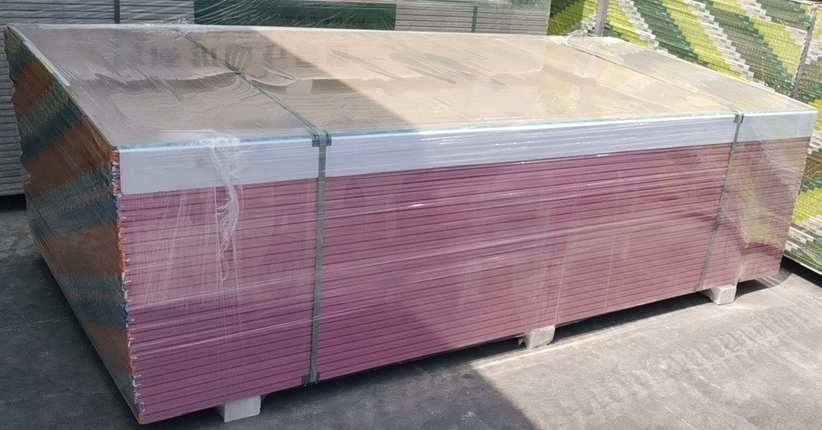
Even with plastic wrapping or tarpaulin, outdoor humidity penetrates easily through edges and gaps. This leads to internal softening, surface warping, or paper delamination. What seems “protected” is often just temporarily concealed deterioration.
Can Drywall Be Stored in an Outdoor Shed?
Not recommended unless the shed is fully dry, sealed, and ventilated. A damp or unventilated shed is almost the same as outdoor storage.
TRUSUS environmental insight: stable materials need stable environments.
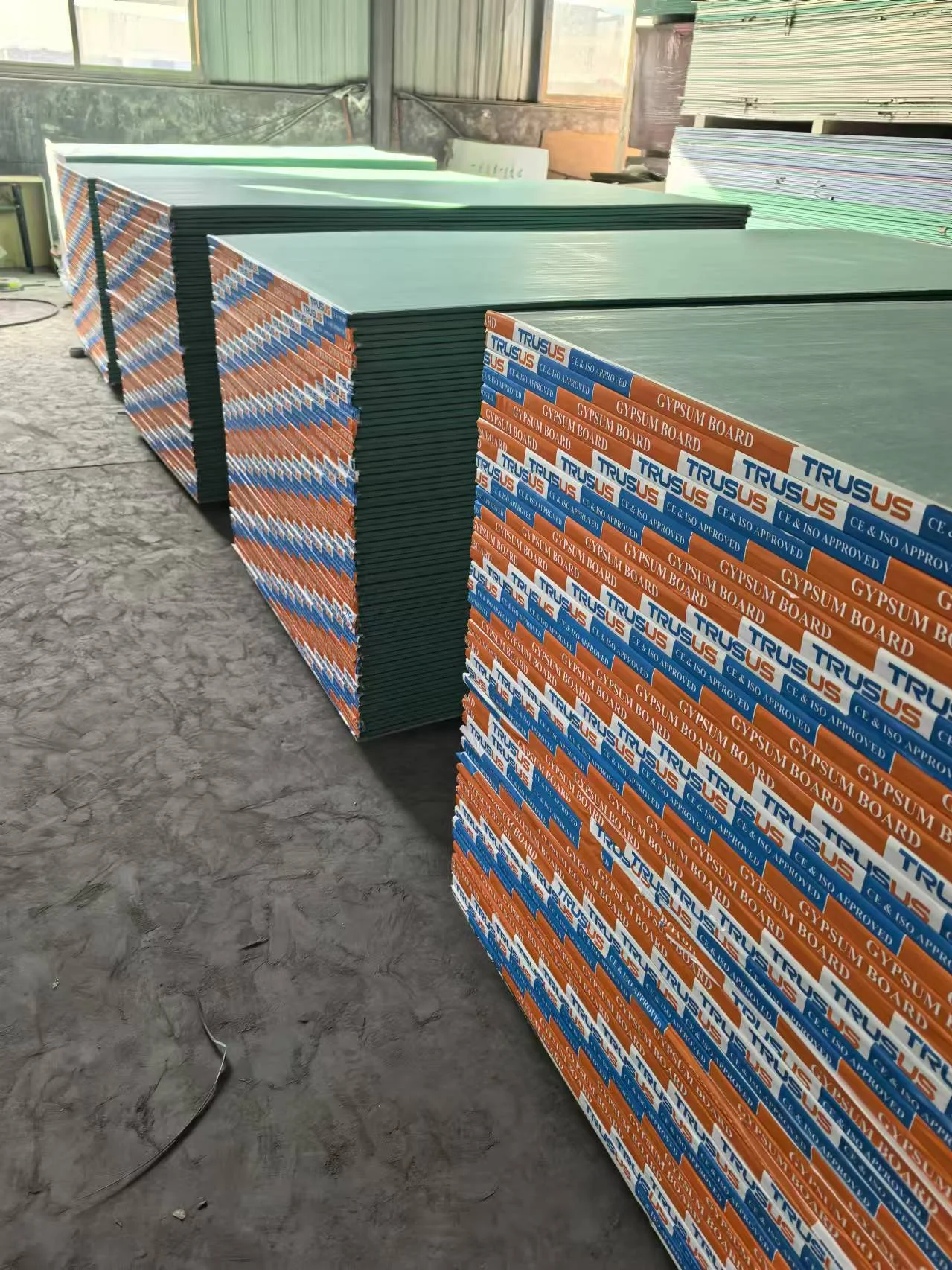
Storage Condition Checklist
| Condition | Requirement | Reason |
|---|---|---|
| Humidity | ≤ 60% RH | Prevents core softening |
| Temperature | 5–40 °C | Avoids condensation |
| Elevation | ≥ 10 cm from ground | Prevents surface absorption |
| Ventilation | Continuous airflow | Stops mildew growth |
I’ve inspected many sheds where boards appeared fine but later swelled once installed indoors. The air inside had soaked the gypsum quietly. Dry storage means climate control, not simply a roof overhead.
How Long Can Drywall Get Rained On?
Even brief rain exposure can damage drywall. If soaked for more than a few hours, the board should be replaced, not reused.
TRUSUS risk insight: water enters fast, dries slow, and leaves weakness behind.
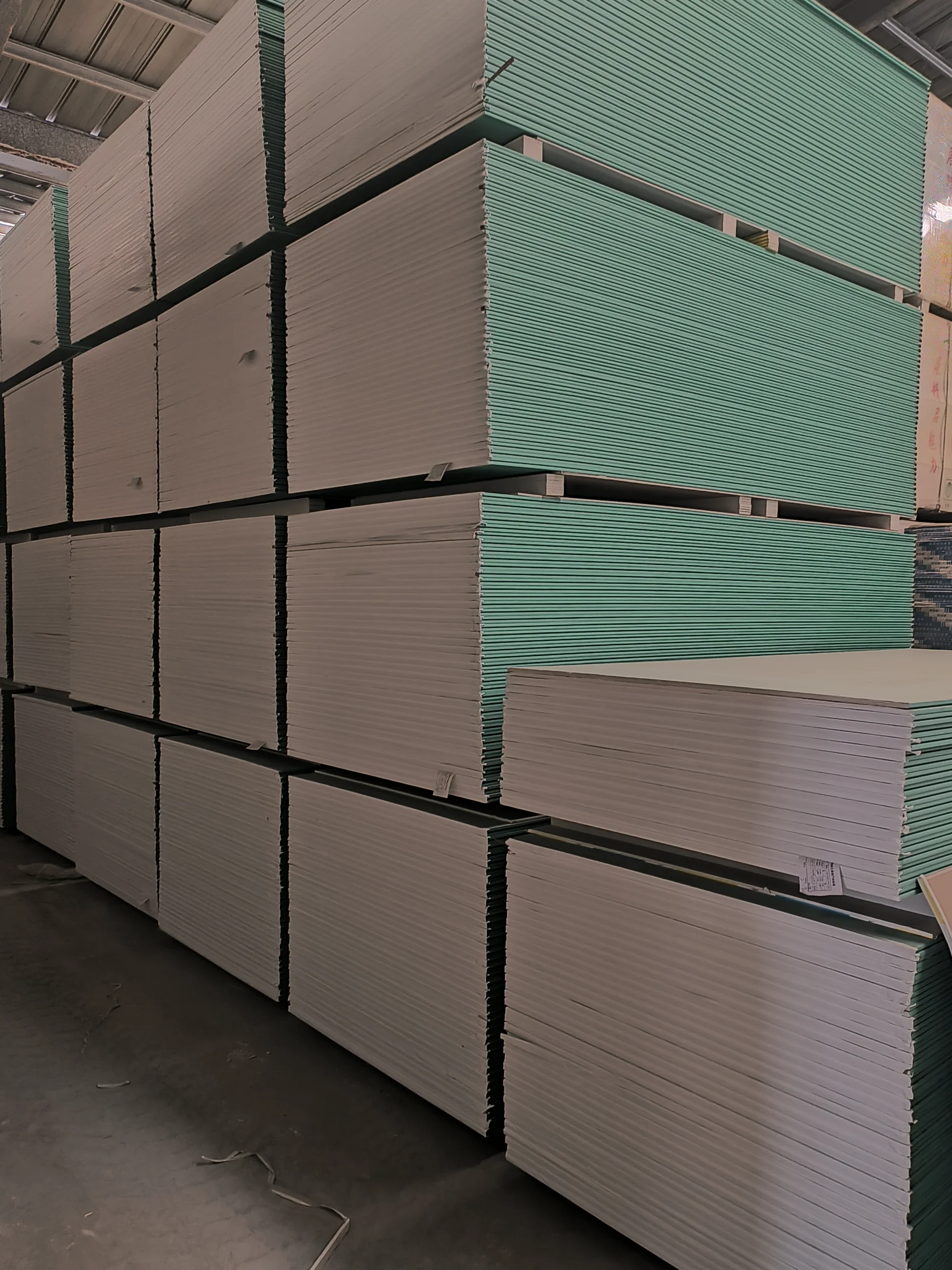
Water Exposure Guide
| Duration of Rain | Typical Damage | Recommendation |
|---|---|---|
| < 30 min light drizzle | Surface dampness | Dry immediately indoors |
| 1–2 hours steady rain | Core softening begins | Discard if spongy |
| 3 hours + heavy rain | Structural loss | Replace |
| Standing water contact | Fiber breakdown | Replace all boards |
Sometimes sites attempt to “sun‑dry” wet boards. I’ve seen those walls later bubble and crack within weeks. The damage may look invisible, but gypsum never regains its original strength once saturated.
What Is the Best Way to Store Gypsum Board?
Store boards indoors, flat, on dry raised pallets, with low humidity and adequate ventilation. Protect them from contact with floors, walls, and water sources.
TRUSUS care insight: dry, level, and lifted—three words that save material life.
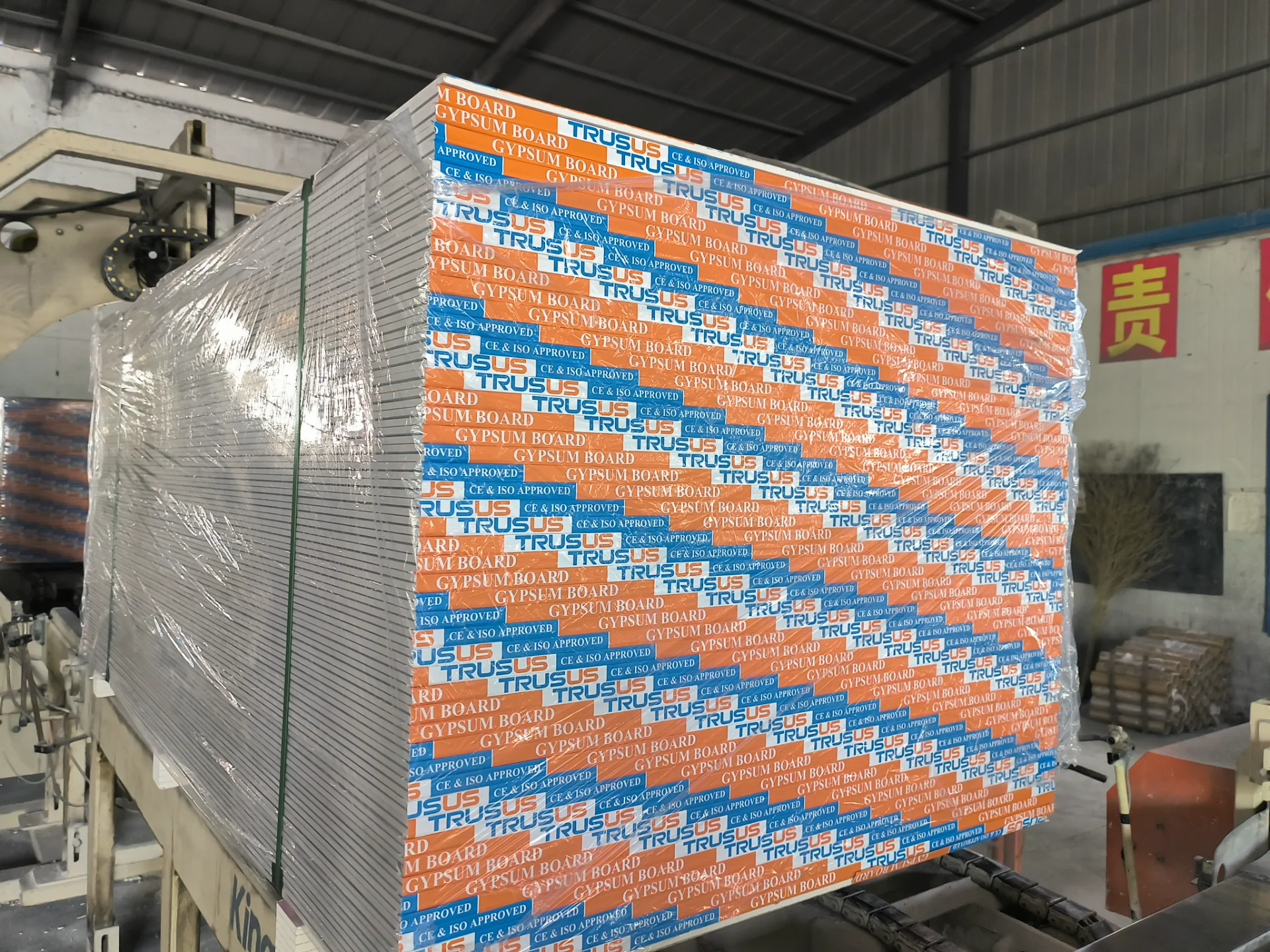
Ideal Storage Setup
| Storage Factor | Requirement | Description |
|---|---|---|
| Support system | Horizontal, even pallets | Prevents sagging |
| Distance from wall | 50–100 mm | Allows air flow |
| Relative humidity | ≤ 60% | Keeps gypsum crystals stable |
| Position | Flat stack of limited height | Avoids bending |
| Rotation | Use older stock first | Maintains quality consistency |
I make it a rule: if my warehouse smells damp, the boards suffer silently. So we ventilate constantly and store pallets off the floor. That is how we preserve performance before the product ever meets the wall.
Conclusion
At TRUSUS, I’ve learned gypsum board quality depends less on manufacturing and more on how it’s treated before use. A dry, controlled environment keeps every board strong, straight, and ready to perform.