



Yes, a drop ceiling and a suspended ceiling refer to the same system—a secondary ceiling hung below the structural slab using a metal grid framework supporting panels or tiles. These systems may include gypsum ceiling panels, PVC gypsum ceiling tiles, or even PVC aluminum foil ceiling panels depending on the design intent and environmental needs. The terminology differs by region, but the structural principles and functional goals—concealing utilities, improving acoustics, and creating accessible service spaces—remain identical.
Drop ceiling and suspended ceiling share the same installation logic. Both create a secondary plane suspended with metal grids below the main roof, offering utility access, acoustic balance, and visual enhancement. Names vary—“false ceiling” in Asia, “T-bar ceiling” in America—but the form and function are identical. In many modern applications, PVC gypsum ceiling tiles and PVC aluminum foil ceiling panels are integrated for added moisture resistance and aesthetic finish.
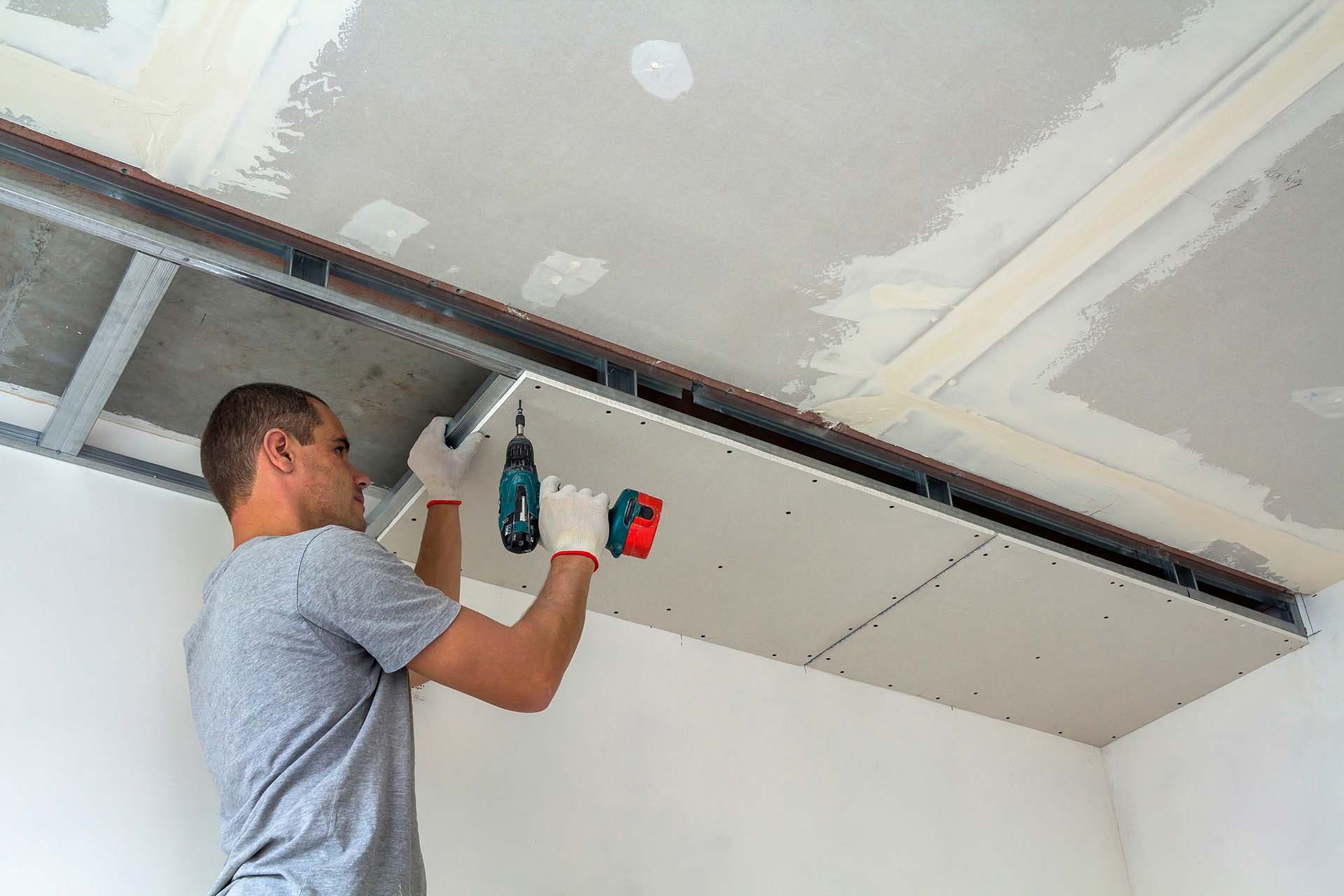
From my production experience in gypsum ceiling and PVC ceiling panel manufacturing, most projects list “suspended ceiling” in technical documents and “drop ceiling” on-site. The difference remains terminological, not structural or functional, under standard building codes.
What Is Another Name for a Suspended Ceiling?
Alternative names for a suspended ceiling include drop ceiling, false ceiling, T-bar ceiling, or secondary ceiling system. When using gypsum ceiling panels, PVC gypsum ceiling tiles, or PVC aluminum foil ceiling boards, these terms all describe the same modular assembly hanging beneath the primary structure for technical and visual performance.
Suspended ceilings—especially PVC gypsum ceiling tile configurations—are also known as false ceilings or secondary ceiling systems, emphasizing function over form. They provide a mechanical concealment zone above, paired with an architectural decorative finish below. In high-humidity zones like bathrooms or kitchens, PVC aluminum foil ceiling finishes offer enhanced corrosion and moisture resistance over standard paint finishes.
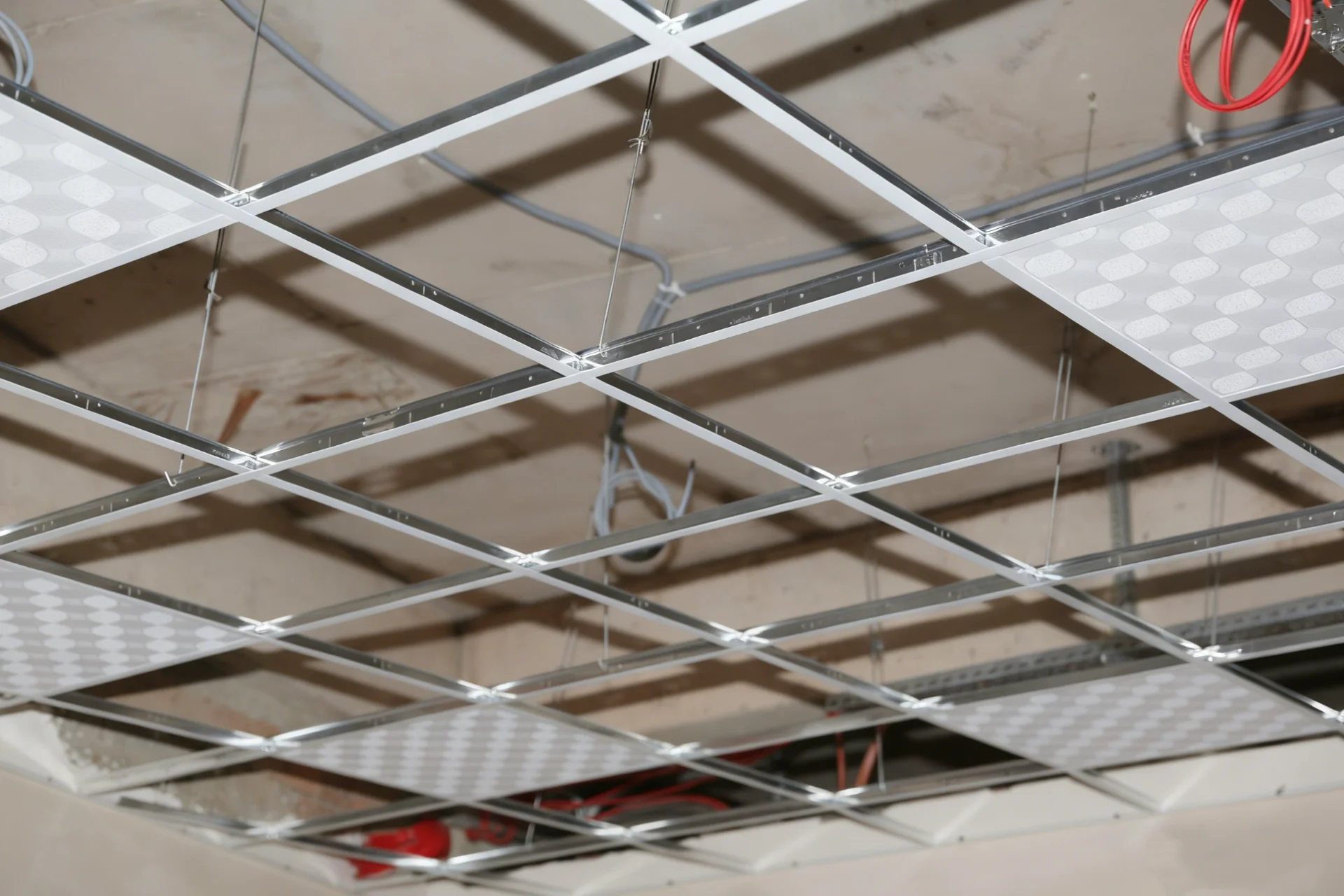
Industry Terminology Comparison
| Common Term | Regional Usage | Meaning | Application |
|---|---|---|---|
| Suspended ceiling | Global terminology | Hanging grid under slab | Office & public spaces |
| Drop ceiling | North America | Everyday usage | Commercial interiors |
| False ceiling | Asia & UK | Functional layer beneath roof | Homes & retail shops |
| T-bar ceiling | Construction trades | Grid structure style | Large halls |
| Secondary ceiling | Engineering context | System under roof slab | Industrial zones |
All these names may refer to the same modular framework system, which can hold gypsum ceiling panels or PVC gypsum ceiling tiles depending on finishing and environmental conditions.
Why Multiple Names Exist
| Factor | Impact | Description |
|---|---|---|
| Regional language | Terminology variation | “Drop” in US, “Suspended” elsewhere |
| Trade habit | Simplified jargon | Workers shorten to “ceiling grid” |
| Design specification | Project clarity | Architects define ceiling type |
| Material evolution | New surface finish options | PVC or aluminum foil finishes integrated |
Understanding terminology aids global coordination, especially between gypsum ceiling manufacturers and PVC ceiling tile installers working under different trade conventions.
What Is a Suspended Ceiling?
A suspended ceiling or drop ceiling is a lightweight secondary ceiling hung from the structural frame of a building. It employs a metal grid framework supporting various tiles or panels such as gypsum ceiling panels, PVC gypsum ceiling tiles, or PVC aluminum foil ceiling panels for enhanced functionality and aesthetics. This system conceals utilities like electrical wiring, HVAC ducts, and plumbing while maintaining easy maintenance access.
Suspended ceiling systems, including gypsum ceiling and PVC gypsum ceiling tile options, use T-grid frameworks and modular panels to combine acoustic control, fire performance, and architectural beauty. TRUSUS gypsum and PVC ceiling solutions deliver smooth finishes, moisture resistance, and durable service life ideal for offices, retail spaces, and residential buildings.
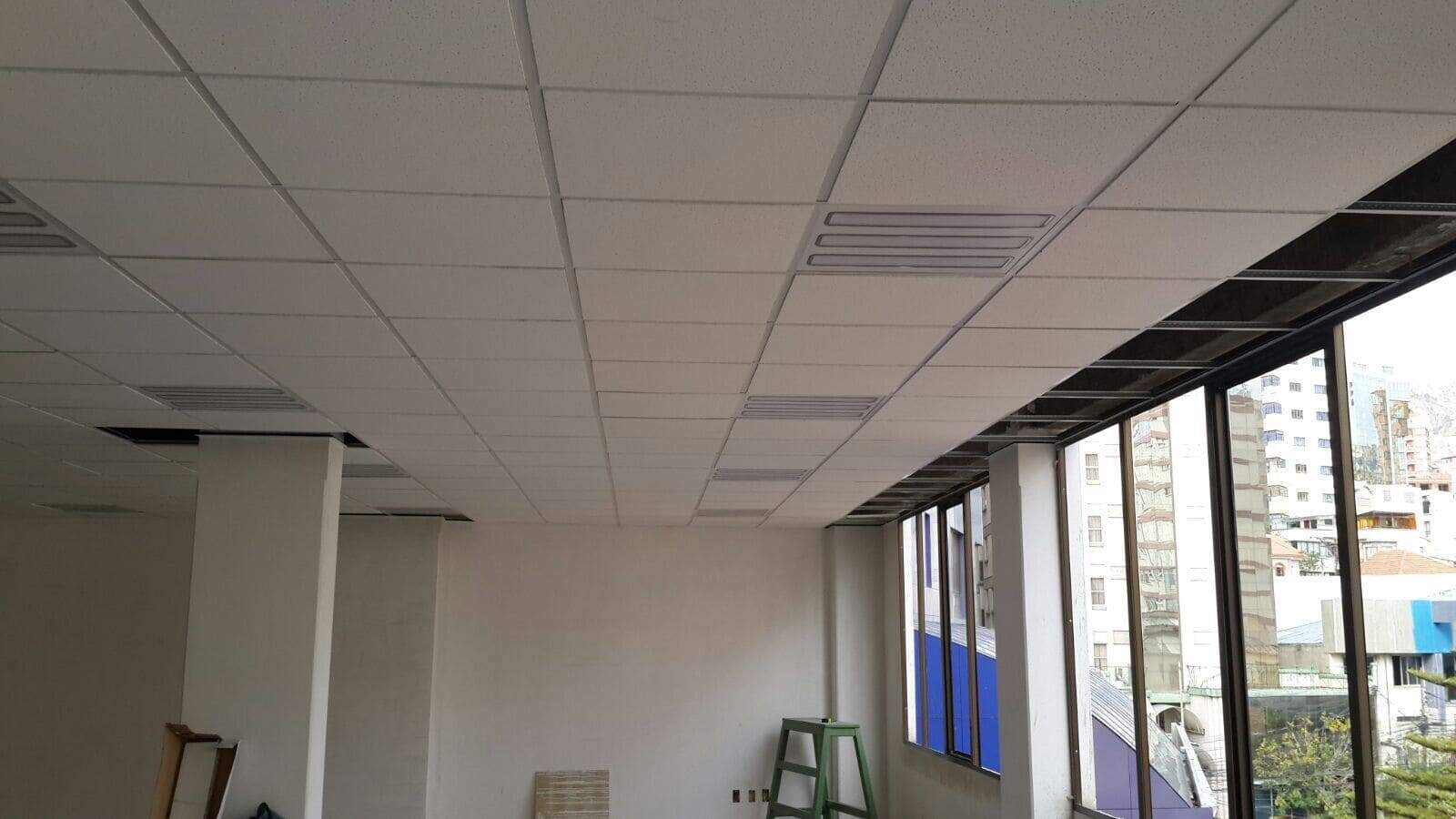
Suspended Ceiling Structure Overview
| Component | Function | Material | Benefit |
|---|---|---|---|
| Main tee beam | Load support | Galvanized steel | High structural stability |
| Cross tee | Connect panels | Aluminum or steel | Modular coordination |
| Wire hanger | Suspension link | Galvanized wire | Adjustable height |
| Panels or tiles | Visible finish | Gypsum or PVC foil-faced | Acoustic balance & moisture resistance |
| Perimeter trim | Edge finish | Aluminum profile | Clean and precise edges |
The combination of metal grid framework and PVC gypsum ceiling tiles ensures superior surface finish, acoustic balance, and functionality.
Advantages of Suspended Ceilings
| Feature | Result | Benefit |
|---|---|---|
| Utility Concealment | Hidden wiring and ducts | Clean architectural finish |
| Easy Maintenance | Removable panels | Quick access to services |
| Acoustic Control | Absorbs sound | Comfort in large spaces |
| Fire Resistance | Non-combustible gypsum | Compliance with safety codes |
| Moisture Protection | PVC foil surfaces | Ideal for kitchens & bathrooms |
| Design Flexibility | Modular sizes | Custom layout adaptation |
PVC gypsum ceiling panels and PVC aluminum foil ceiling systems extend the functionality of suspended ceilings by improving water resistance, hygiene, and light reflectivity.
What Are the Types of Suspended Ceilings?
Suspended ceilings include gypsum board ceilings, PVC gypsum ceiling tiles, metal panel ceilings, acoustic tile ceilings, and open-cell designs. Each type meets distinct functional and environmental needs—from offices and hospitals to shopping malls or residential areas.
product portfolio covers multiple ceiling types:
- PVC aluminum foil ceiling panels for moisture-prone areas,
- Gypsum ceiling board systems for standard interior applications,
- Metal or acoustic panel ceilings for noise-sensitive or high-performance spaces.
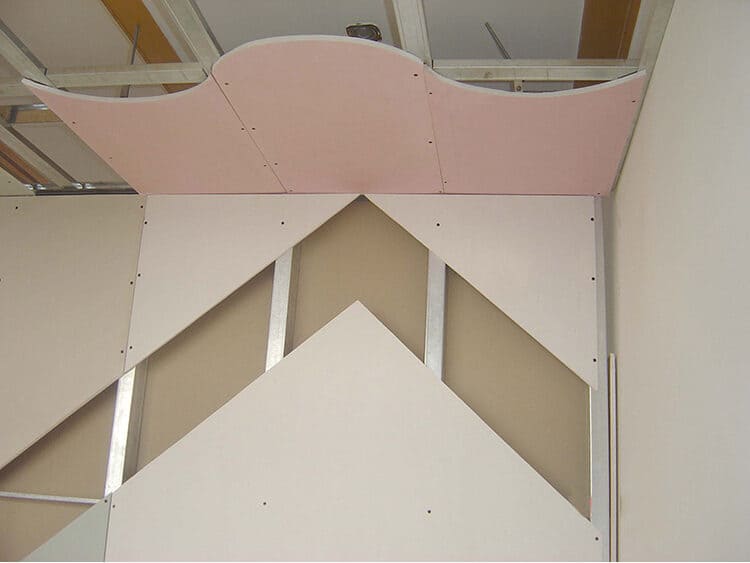
TRUSUS Suspended Ceiling Type Matrix
| Type | Material | Key Feature | Ideal Application |
|---|---|---|---|
| Gypsum ceiling panel | Gypsum + paper surface | Smooth, paintable surface | Homes, offices |
| PVC gypsum ceiling tile | PVC + gypsum core | Moisture proof | Kitchens & restrooms |
| PVC aluminum foil ceiling | Foil-faced composite | Reflective and anti-damp | Bathrooms, utility areas |
| Metal ceiling | Aluminum/steel | Fire & corrosion resistance | Airports, malls |
| Mineral fiber ceiling | Mineral wool | Sound absorption | Cinemas, studios |
| Wood veneer ceiling | MDF or wood panels | Natural aesthetic | Hotels & meeting rooms |
Type Selection Guide
| Need | Recommended Type | Reason |
|---|---|---|
| Budget efficiency | Gypsum ceiling panel | Economical and simple |
| Humidity resistance | PVC gypsum ceiling tile | Water-repellent design |
| High durability | Metal ceiling | Non-combustible and rigid |
| Premium aesthetic | PVC aluminum foil ceiling | Reflective finish and easy cleaning |
| Acoustic comfort | Mineral fiber panel | Excellent noise control |
Selecting the right gypsum ceiling system depends on project environment, design goals, and performance requirements.
Conclusion
A drop ceiling and suspended ceiling are indeed the same structural concept, comprised of a metal grid framework supporting modular panels such as gypsum ceiling panels, PVC gypsum ceiling tiles, or PVC aluminum foil ceiling boards. These systems not only conceal utilities but also provide aesthetic appeal, acoustic improvement, and fire safety compliance.
In modern architectural practice, integrating PVC gypsum ceiling panels and moisture-resistant aluminum foil finishes enhances long-term durability and maintenance efficiency. Whether referred to as a false ceiling, T-bar ceiling, or secondary ceiling system, the suspended configuration remains a cornerstone of reliable interior ceiling design—offering functionality, modularity, and professional finish for residential, commercial, and industrial environments.