



Drywall prices will likely rise slightly over time because of energy costs, transportation, and green manufacturing transitions. Most changes come from sustainability, not from raw material scarcity.
TRUSUS market insight: when energy shifts, materials reflect it.

Price increases do not mean decline—they mark a maturing industry focused on low‑carbon systems and long‑term stability.
Why Is Drywall Work So Expensive?
Drywall work feels expensive because labor, precision, and full system assembly cost more than the gypsum panels themselves. You pay not only for material but for standardization, safety, and ensured finish quality.
TRUSUS installation insight: the wall’s beauty lives in invisible systems behind it.
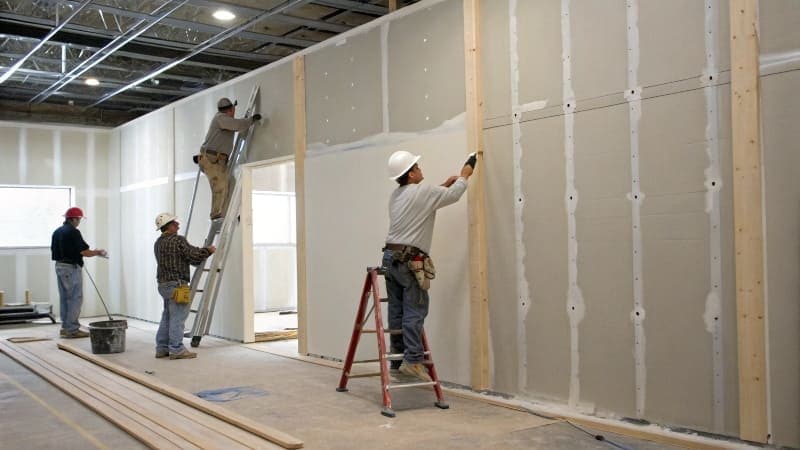
Cost Composition Table
| Component | Typical Share (%) | Explanation |
|---|---|---|
| Material | 25–30 | Gypsum, paper, additives |
| Labor | 40–50 | Skilled fitting, taping, finishing |
| System Accessories | 10–15 | Framing, screws, sealants |
| Logistics | 5–10 | Transport, site handling |
| Waste & Quality Control | 5–10 | Repairs, testing, clean finish |
When I help clients with project budgets, I explain that drywall is never just a product line item—it’s a performance system integrating acoustic, fire, and structural needs.
Does Gypsum Board Get Weaker Over Time?
Gypsum board itself doesn’t naturally weaken over time. Its integrity depends on moisture protection, seal maintenance, and environmental control.
TRUSUS durability insight: what fails over time is protection, not gypsum.
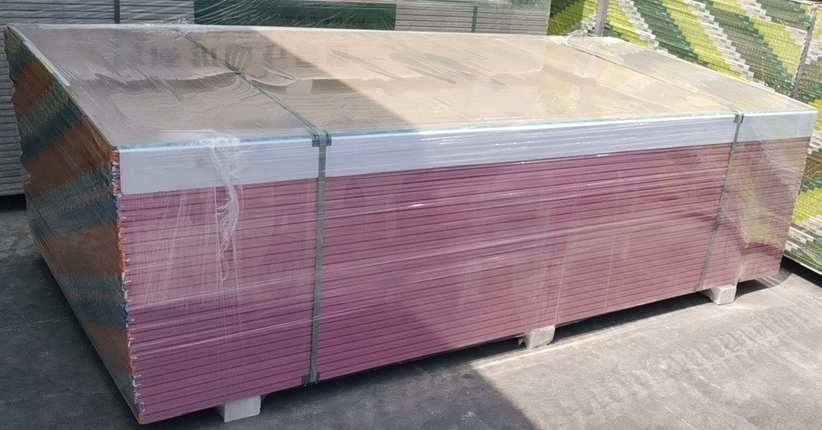
Durability Factors Table
| Cause | Impact | Prevention |
|---|---|---|
| High Humidity | Paper delamination | Maintain ventilation |
| Water Leakage | Edge erosion | Proper sealing |
| Mold Growth | Surface weakening | Use moisture‑resistant variants |
| Structural Vibration | Joint cracking | Apply flexible compounds |
| Poor Insulation | Condensation damage | Use vapor barriers |
From years in manufacturing, I’ve tested panels kept in storage for decades—their crystalline gypsum remains stable if kept dry. Wall performance weakens only when the system around it fails.
Is It Cheaper to Repair or Replace Plasterboard?
Repairing is cheaper for small dents or holes, but full wall replacement is more practical when moisture or structural damage spreads into multiple panels. System renewal protects long‑term building health.
TRUSUS repair insight: local fixes save money today, full renewal saves the wall tomorrow.
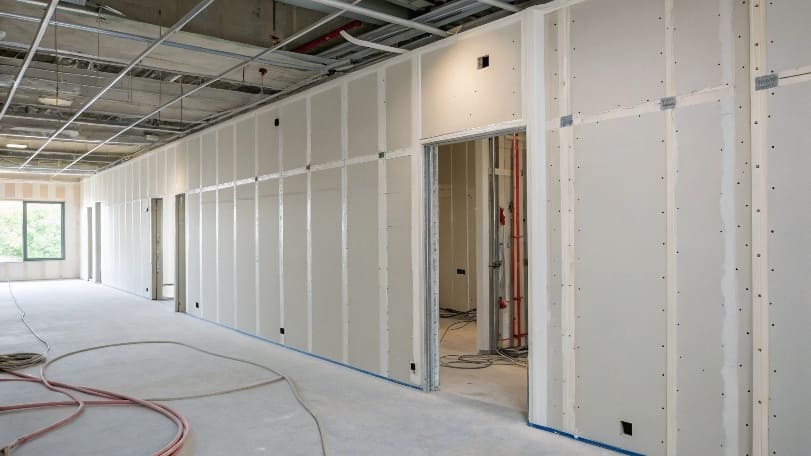
Decision Matrix
| Damage Type | Recommended Action | Reason |
|---|---|---|
| Minor surface dents | Patch and repaint | No structural risk |
| Joint cracks | Re‑tape and skim coat | Limited repair area |
| Water‑soaked panels | Replace | Hidden mold and soft core |
| Large wall warping | Replace system | Reinstate geometry and soundproofing |
| Multiple defects | Replace section | Restores uniform finish |
I once replaced a full ceiling instead of patching several wet spots—doing it once restored safety and avoided future labor costs. That’s why choosing between repair and replacement should always follow system logic, not only budget.
Conclusion
At TRUSUS, I believe drywall’s worth is measured across time, not price. Every shift in cost mirrors the industry’s step toward better quality and sustainable construction.