



Moisture-resistant gypsum board is tapered so that joints can be filled and covered evenly with joint compound and tape. This design helps create a smooth finish without bumps or cracks.
TRUSUS insight: what looks like a small edge detail is actually a system-level accuracy feature.
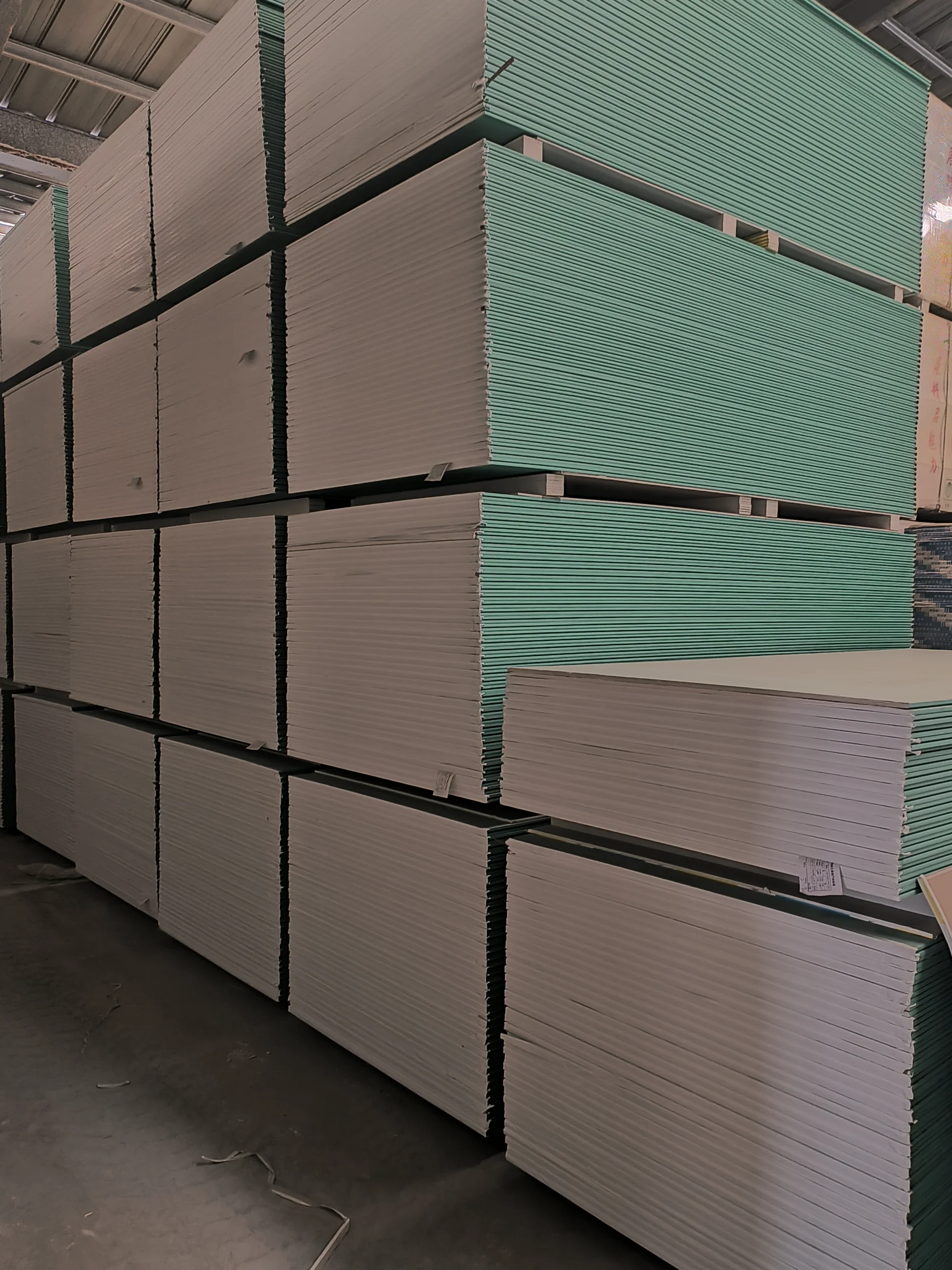
Tapering gives installers space to hide seams while maintaining a flat surface. The edge geometry makes the wall appear continuous—like poured plaster—but built through dry construction.
What Is Better, Taper or Square Edge Plasterboard?
The best choice depends on your finish method. Tapered edge plasterboard is better for taped joint finishes and smooth paint surfaces, while square edge plasterboard suits full skim plaster or decorative finishes.
TRUSUS material insight: every edge tells the story of its system.

Edge Comparison Table
| Edge Type | Best Use | Advantages | Common Environments |
|---|---|---|---|
| Tapered Edge | Joint tape + compound finish | Easy joint leveling | Offices, dry rooms |
| Square Edge | Skim-coated or tile backing | Full-surface uniformity | Bathrooms, wet zones |
| Moisture-Resistant (tapered) | Dry lining systems | Prevents mold under finish | Kitchens, garages |
Key Selection Logic
| Project Type | Recommended Edge | Reason |
|---|---|---|
| Standard drywall | Tapered | Quick finishing |
| Plastered finish | Square | Continuous coat surface |
| Moisture environment | MR board, tapered | Controlled joint stress |
Edges define finishing style, so choosing right avoids cracks and surface unevenness later.
Can You Skim Over Tapered Edge Plasterboard?
Yes, you can skim over tapered edge plasterboard, but it needs joint filling first. Once joints are sealed and leveled, the entire surface can be skimmed with plaster for a smooth look.
TRUSUS finish insight: preparation makes beauty possible—don’t skip the foundation steps.
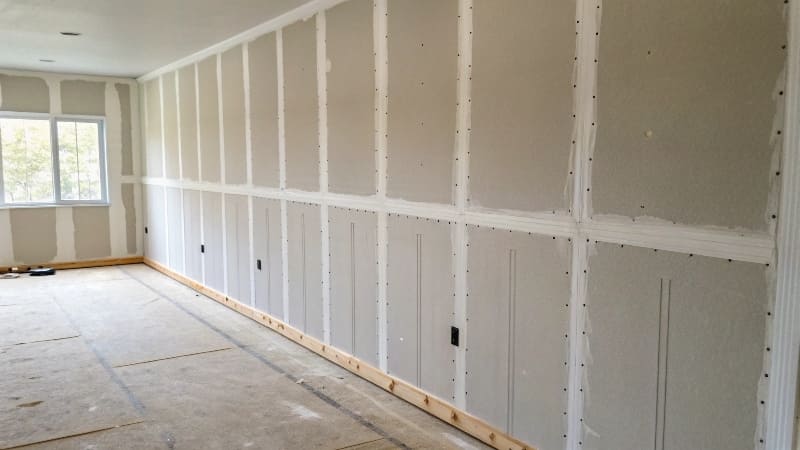
Skimming Guidance
| Step | Task | Detail |
|---|---|---|
| 1 | Fill taper joint | Use tape and joint compound |
| 2 | Sand and level | Keep transition seamless |
| 3 | Apply thin skim coat | Max 2–3 mm layer |
| 4 | Dry completely | Avoid humidity interference |
Finishing Comparison
| Method | Appearance | Durability |
|---|---|---|
| Tape and paint | Flat joints | Good |
| Full skim coat | Uniform surface | Excellent |
| Tiled surface | Hidden finish | Long-lasting |
Skimming is optional, but when done right, it bridges industrial precision with aesthetic continuity.
Does It Matter Which Way Round You Put Plasterboard?
Yes, it matters. Plasterboard should be installed with the tapered edges facing outward to allow taping and finishing, and with the printed face visible if indicated for decorator surfaces.
TRUSUS installation insight: orientation is geometric logic—every line connects to a system purpose.
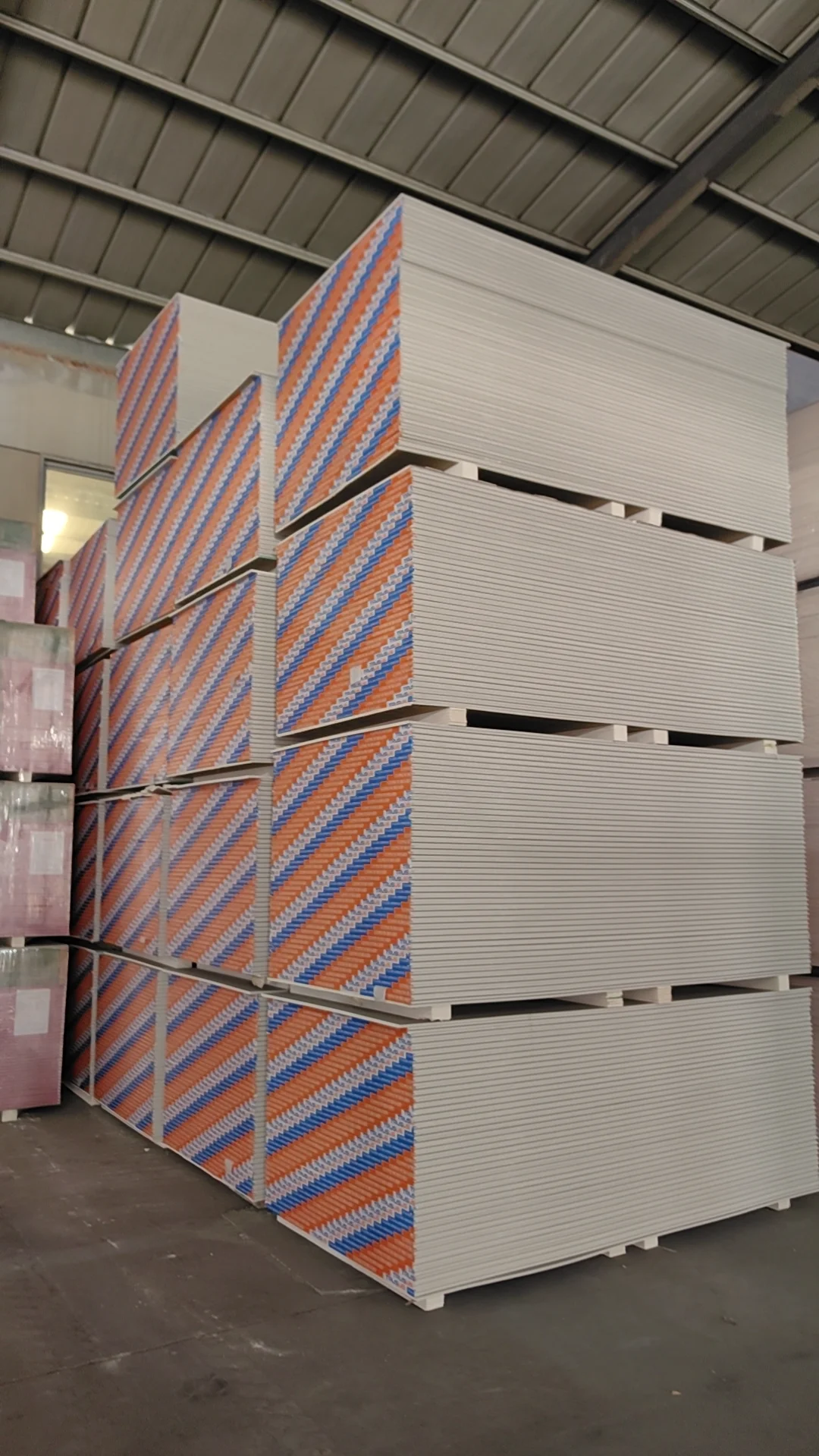
Installation Orientation Table
| Face Type | Direction | Function |
|---|---|---|
| Tapered Face | Outward | Allows joint compound to settle |
| Square Edge | Outward for skim finish | Seamless plaster coverage |
| Moisture-Resistant Green Layer | Outward | Provides protective barrier |
Mistaken Orientations
| Error | Effect Result | Fix |
|---|---|---|
| Reversed edges | Uneven joints | Flip orientation |
| Unaligned seams | Weak spots | Stagger board joints |
| Wrong face inward | Poor paint adhesion | Follow label side outward |
Proper alignment means structural integrity, consistent joints, and clean aesthetics—all core to drywall system life.
Conclusion
Tapered gypsum board edges exist to simplify finishing and strengthen connections. Choosing the right orientation and edge type guarantees perfect visual smoothness and long-term durability. we believe edge design turns sheet material into a structural surface system, integrating precision with beauty.