



The best way to skim coat drywall is to apply multiple thin layers of joint compound evenly over the surface. Each layer should dry completely before the next to achieve a smooth, durable finish.
TRUSUS surface insight: patience builds perfection, not thickness.
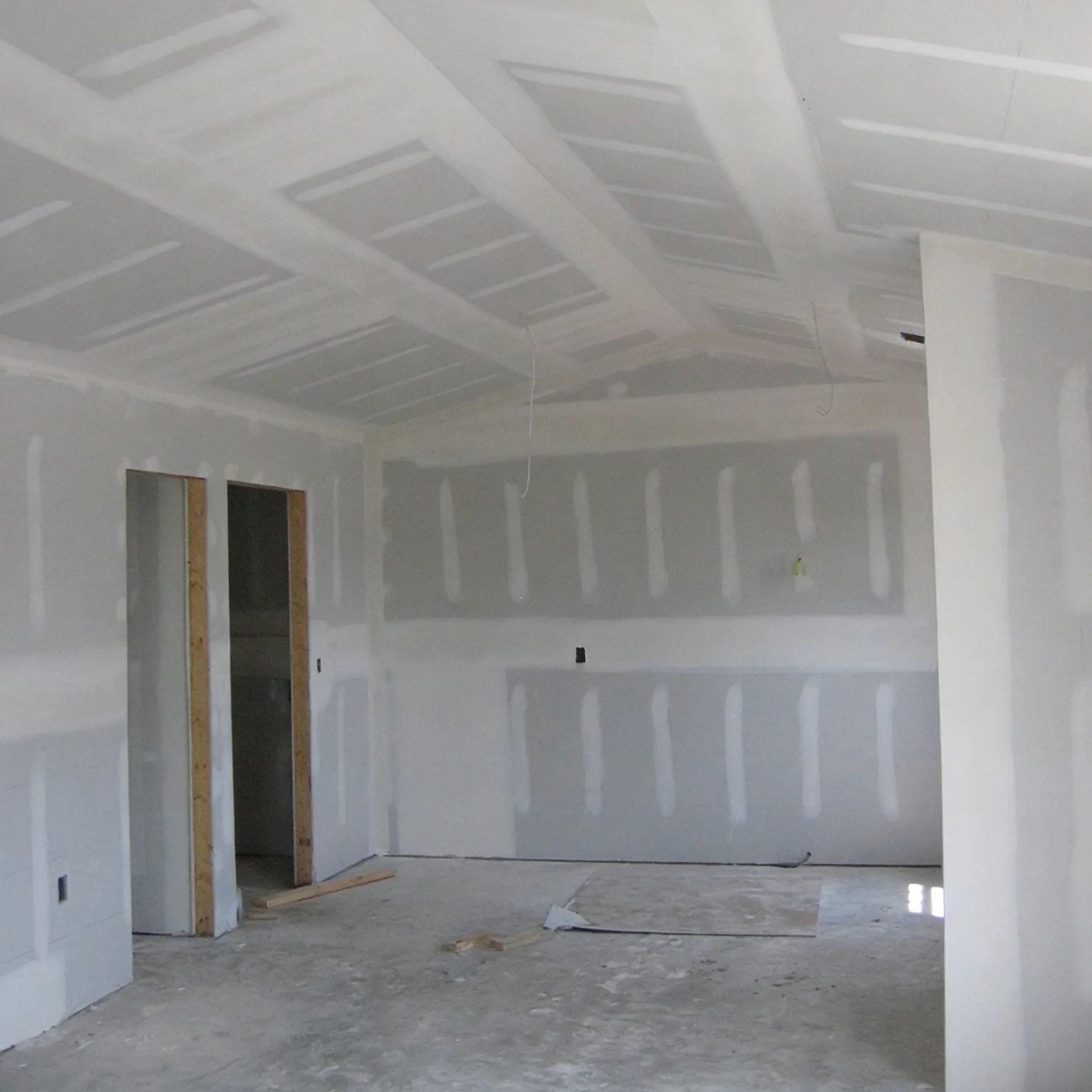
A proper skim coat uses compound consistency like yogurt and a wide trowel or drywall knife. It corrects minor surface defects, seals seams, and prepares the board for paint or decorative finish.
How To Properly Skim Coat Drywall?
Start with clean, sealed drywall. Apply joint compound in thin, overlapping strokes using broad knives. Let it dry before light sanding.
TRUSUS coating insight: the smoother the hand, the stronger the wall.
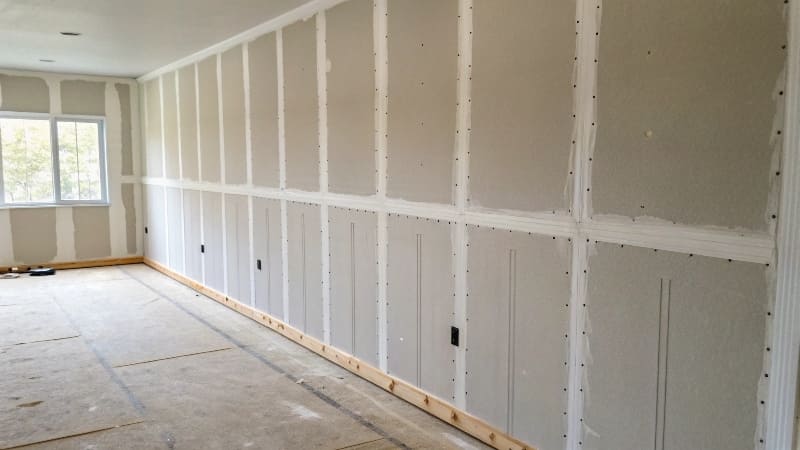
Skim Coat Sequence
| Step | Action | Why It Matters | Common Tip |
|---|---|---|---|
| 1 | Seal surface with primer | Controls absorption | Use high‑bond primer |
| 2 | Mix compound evenly | Ensures uniform texture | Avoid lumps |
| 3 | Apply first coat thinly | Reduces cracking risk | Use wide blade |
| 4 | Let dry fully | Prevents blisters | 24 hr typical |
| 5 | Sand lightly | Smooth out ridges | Mask dust area |
| 6 | Apply next coat | Builds final finish | Use cross pattern |
I remember teaching contractors in a humid climate—the key was not speed but balance between drying time and material mix. Uniform tension made flawless walls possible.
Do You Wet Plasterboard Before Skimming?
No. Modern drywall should not be wet before skimming. Excess moisture reduces adhesion strength and can soften the surface paper.
TRUSUS material insight: control the surface, don’t soak it.
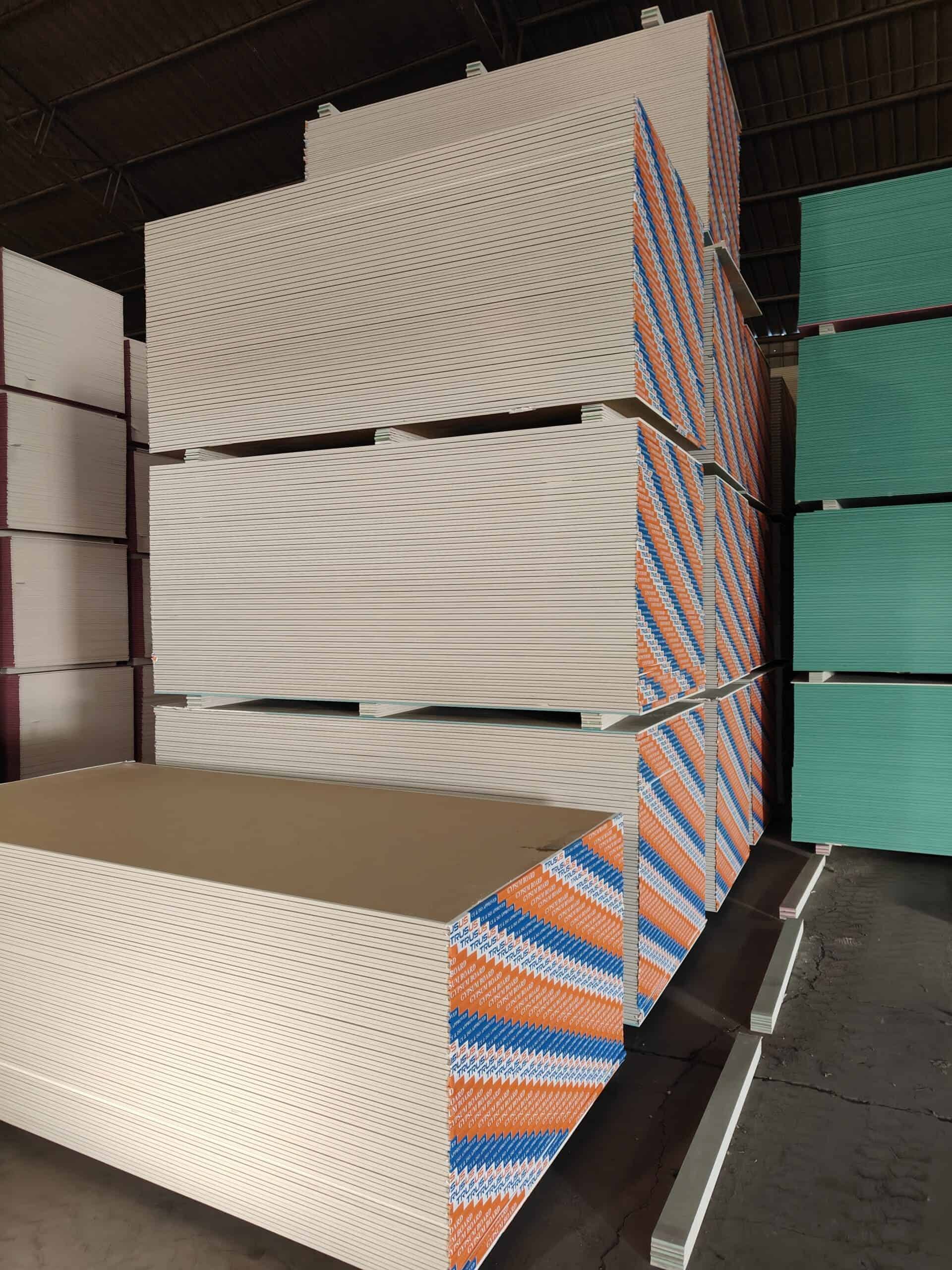
Surface Preparation Guide
| Situation | Correct Action | Wrong Practice | Result |
|---|---|---|---|
| High suction surface | Use bonding agent | Wet water spray | Better adhesion |
| Dusty old walls | Brush and seal | Skip priming | Poor bond |
| Temperature fluctuation | Keep around 20°C | Work below 10°C | Cracking risk |
| Fast‑dry environment | Add retard additive | Apply thick coat | Even dry rate |
When I first joined a gypsum workshop, I saw builders misting boards—many faced peeling later. Since using bonding primers instead, failures disappeared entirely.
What Are Common Skim Coating Mistakes?
Common mistakes include applying too thick a coat, skipping primer, short drying times, and heavy sanding. Each can weaken adhesion or ruin final surface quality.
TRUSUS craft insight: thin equals strong, thick equals trouble.
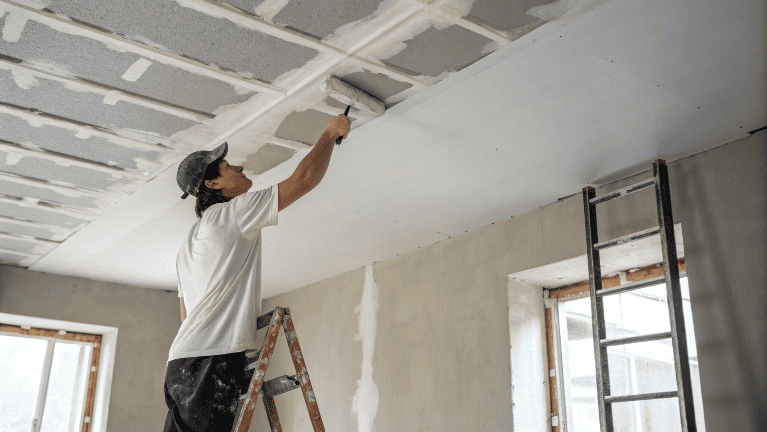
Skim Coating Error Chart
| Mistake | Consequence | Prevention |
|---|---|---|
| Thick layers | Cracking or peeling | Apply in multiple thin passes |
| No primer | Uneven drying | Use bonding sealer before coating |
| Inconsistent mix | Surface waves | Mix until creamy texture |
| Poor sanding control | Dust build‑up | Use vacuum sanding pad |
| Rushed drying | Bubbles or delamination | Follow full cure cycle |
I’ve stood in rooms where shiny paint highlighted tiny ripples—each traced back to skipped drying days. Finishing right the first time saves rework and cost.
Conclusion
At TRUSUS, I believe skim coating is not decoration but precision management. Thin layers, proper adhesion, and controlled drying transform gypsum surfaces from simple walls into long‑lasting architectural canvases.