



Many contractors focus only on the gypsum boards without considering the complete system requirements. Understanding all necessary materials ensures proper installation, structural integrity, and long-term ceiling performance across various applications and building types.
Gypsum board ceiling installation requires metal or wood framing, suspension hardware, gypsum panels, joint compound, tape, screws, and finishing materials, with additional components like insulation or vapor barriers depending on specific performance requirements and building codes.

Through decades of manufacturing gypsum board and supporting contractors with ceiling installations, I learned that successful ceiling systems depend on understanding the complete material ecosystem rather than focusing solely on the visible gypsum board surface that defines the finished appearance.
How are Gypsum Ceilings Installed Properly?
Understanding installation procedures ensures proper ceiling performance and code compliance. Correct installation techniques prevent common problems like sagging, cracking, and joint failure while maximizing ceiling lifespan.
Gypsum ceiling installation involves establishing level reference points, installing suspension systems or direct framing, attaching gypsum boards with proper fastener spacing, treating joints with compound and tape, and applying finish coats to create smooth, uniform surfaces ready for decoration.
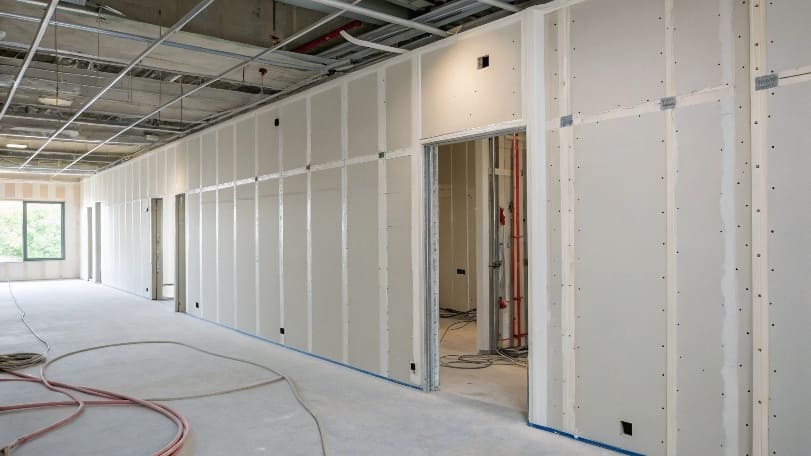
Comprehensive Installation Process and Quality Control
Gypsum ceiling installation requires systematic approaches that ensure structural integrity, aesthetic quality, and long-term performance. During my experience working with contractors across various project types, I learned that successful installations depend on proper planning, quality materials, and attention to detail throughout every installation phase.
Pre-installation planning involves measuring ceiling areas, identifying structural support requirements, planning panel layout to minimize waste, and coordinating with other trades for utilities and HVAC systems. Proper planning prevents installation delays and ensures optimal material usage while maintaining quality standards throughout the project.
Level establishment creates reference points that ensure consistent ceiling height and eliminate waves or irregularities in finished surfaces. Laser levels or water levels establish accurate reference lines around room perimeters. Proper leveling becomes critical for large ceiling areas where small variations become visually apparent in finished installations.
Framing installation provides structural support for gypsum board attachment and may involve metal grid systems for suspended ceilings or direct attachment to structural framing. Grid systems require proper hanger spacing and support calculations to prevent sagging. Direct attachment methods must consider joist spacing and structural adequacy for ceiling loads.
Panel cutting and fitting require accurate measurements and proper cutting techniques to ensure tight joints and minimal waste. Sharp utility knives score panel faces while folding breaks gypsum cores cleanly. Rough openings for fixtures and penetrations should be cut slightly smaller than final dimensions to ensure tight fits around installed components.
Fastener installation follows specific spacing requirements and depth specifications to ensure proper panel attachment without overdriving or underdriving screws. Screw spacing typically ranges from 12-16 inches depending on panel thickness and framing type. Proper fastener depth creates slight dimples without breaking paper facing or overcompressing gypsum cores.
Joint treatment involves applying joint compound in multiple coats with appropriate drying time between applications. First coats embed tape and fill fastener holes while subsequent coats feather edges and create smooth transitions. Proper technique requires understanding compound consistency, application thickness, and sanding requirements for different finish levels.
Quality control throughout installation includes checking for proper fastener attachment, identifying potential problem areas before joint treatment, and ensuring consistent panel alignment. Regular inspection prevents problems that become expensive to correct after joint treatment and finishing are complete.
Safety considerations include proper scaffolding or lift equipment for overhead work, dust control during sanding operations, and eye protection during cutting operations. Gypsum dust can cause respiratory irritation, making proper ventilation and personal protective equipment essential for installer health and safety.
| Installation Phase | Key Requirements | Quality Indicators | Common Problems |
|---|---|---|---|
| Planning | Accurate measurements, layout | Minimal waste, proper spacing | Poor coordination, insufficient materials |
| Leveling | Laser or water level accuracy | Consistent reference points | Wavy ceilings, visible joints |
| Framing | Proper hanger spacing, support | No deflection under load | Sagging, inadequate support |
| Panel attachment | Correct fastener spacing/depth | Secure attachment, no pops | Loose panels, fastener problems |
| Joint treatment | Multiple coats, proper technique | Smooth, invisible joints | Visible seams, cracking |
| Finishing | Appropriate texture, primer | Uniform appearance | Color variations, texture issues |
What is Needed to Drywall a Ceiling Successfully?
Understanding complete ceiling drywall requirements helps ensure proper material selection and installation success. Comprehensive preparation prevents common problems and ensures professional results.
Ceiling drywall requires appropriate gypsum board thickness, adequate framing support, proper fasteners, joint treatment materials, and finishing supplies, with additional considerations for moisture resistance, fire ratings, or sound control depending on specific application requirements.

Essential Material Selection and System Components
Ceiling drywall success depends on selecting appropriate materials for specific applications and understanding how system components work together to create durable, attractive ceiling surfaces. During my work helping contractors specify materials for various ceiling applications, I learned that proper material selection significantly affects installation ease and long-term performance.
Gypsum board selection involves choosing appropriate thickness, edge type, and performance characteristics for specific ceiling applications. Standard 1/2-inch thickness works for most residential ceilings with 16-inch joist spacing while 5/8-inch thickness may be required for 24-inch spacing or fire-rated assemblies. Moisture-resistant boards benefit bathroom and kitchen installations.
Framing considerations include joist spacing, structural adequacy, and attachment points for ceiling loads. Ceiling joists must support both dead loads from drywall and insulation plus live loads from fixtures and equipment. Additional blocking may be necessary for heavy fixtures or equipment mounting points that exceed standard drywall support capabilities.
Fastener selection involves choosing appropriate screw types, lengths, and coatings for specific applications. Drywall screws should penetrate framing members at least 3/4 inch while maintaining proper holding power. Corrosion-resistant coatings prevent rust stains and maintain holding power in humid environments like bathrooms and basements.
Joint treatment materials include appropriate tape types, joint compounds, and primer systems for achieving desired finish levels. Paper tape provides maximum strength while mesh tape offers easier application for some contractors. Joint compound selection affects workability, drying time, and shrinkage characteristics during application and curing.
Tool requirements include cutting tools, fastening equipment, joint treatment supplies, and safety equipment for efficient installation. Professional installations benefit from specialized tools like drywall lifts for ceiling work, automatic taping tools for large projects, and dust collection systems for health and cleanliness during finishing operations.
Insulation integration may be required for thermal performance, sound control, or fire ratings in ceiling assemblies. Proper insulation installation prevents thermal bridging and maintains design performance while avoiding compression that reduces effectiveness. Vapor barrier placement depends on climate zone and specific application requirements.
Electrical coordination ensures proper placement of junction boxes, recessed fixtures, and other electrical components before drywall installation. Electrical boxes must be flush with finished drywall surfaces while maintaining code-required clearances and support. Poor coordination creates expensive corrections after drywall installation.
HVAC integration affects ceiling layout and may require access panels, diffuser locations, or structural modifications for ductwork and equipment. Proper coordination prevents conflicts and ensures adequate access for maintenance and service requirements throughout building operation.
Finish level specifications determine joint treatment requirements and affect material quantities and labor requirements. Level 4 finishes suitable for paint applications require fewer coats than Level 5 finishes needed for critical lighting conditions or high-gloss paints. Understanding finish requirements ensures proper material selection and budgeting.
Quality control measures include inspection procedures, testing requirements, and documentation standards for various project types. Commercial projects may require specific testing and certification while residential applications focus on workmanship standards and code compliance. Proper quality control prevents costly corrections and ensures client satisfaction.
| Material Category | Standard Requirements | Upgrade Options | Performance Impact |
|---|---|---|---|
| Gypsum board | 1/2" regular, 16" spacing | 5/8" fire-rated, moisture resistant | Structural, environmental |
| Fasteners | Drywall screws, 1-1/4" length | Corrosion resistant, self-drilling | Longevity, appearance |
| Joint treatment | Paper tape, all-purpose compound | Mesh tape, setting compounds | Speed, durability |
| Insulation | Code minimum R-value | Higher R-values, sound control | Energy efficiency, comfort |
| Vapor barriers | Climate zone requirements | Smart barriers, permeable options | Moisture control |
| Tools | Basic hand tools | Professional equipment | Efficiency, quality |
What Holds a Gypsum Ceiling in Place?
Understanding ceiling support systems ensures proper structural design and prevents failure. Adequate support prevents sagging, cracking, and safety hazards while maintaining ceiling integrity over time.
Gypsum ceilings are held by metal or wood framing systems attached to structural elements through hangers, clips, or direct fastening, with the framing supporting gypsum boards through screws or nails that transfer ceiling loads to the building structure safely and effectively.

Structural Support Systems and Load Transfer Mechanisms
Ceiling support systems represent critical structural elements that must safely transfer ceiling loads to building frames while maintaining proper alignment and preventing deflection. During my experience working with structural engineers and contractors on ceiling installations, I learned that understanding load paths and support requirements ensures safe, durable ceiling systems.
Primary structural support comes from building framing including floor joists, roof trusses, or concrete slabs that provide attachment points for ceiling systems. These structural elements must have adequate capacity to support ceiling dead loads plus any additional live loads from fixtures, equipment, or maintenance activities without exceeding design limits.
Suspension systems for dropped ceilings use wire hangers, rigid rods, or structural supports to carry ceiling loads to primary structure while maintaining proper elevation and alignment. Hanger spacing and capacity must match ceiling loads and deflection limits. Seismic bracing may be required in earthquake zones to prevent ceiling damage during ground motion.
Direct attachment methods involve fastening ceiling framing directly to structural elements through screws, nails, or other mechanical fasteners. Direct attachment eliminates suspension hardware but requires ceiling framing to match structural framing layout. This method works well for basement ceilings and areas with limited plenum space.
Metal framing systems use steel studs and tracks to create lightweight, dimensionally stable support for gypsum board attachment. Metal framing resists warping and shrinkage that can cause joint problems in finished ceilings. Proper connection details ensure structural continuity and prevent local failures under load.
Wood framing systems utilize dimensional lumber to create ceiling support structures that integrate well with traditional wood-frame construction. Wood framing requires moisture content control to prevent shrinkage and movement that can cause joint cracking. Proper member sizing ensures adequate strength and stiffness for ceiling loads.
Load calculations determine required framing capacity based on ceiling weight, fixture loads, and applicable building codes. Standard gypsum board ceilings typically weigh 2-3 pounds per square foot while additional loads from insulation, fixtures, and equipment must be included in calculations. Professional engineering may be required for complex or heavily loaded ceiling systems.
Connection details between framing and gypsum boards must provide adequate attachment while allowing for normal building movement and thermal expansion. Proper fastener spacing and penetration ensure reliable connection without overloading individual fasteners. Edge conditions require special attention to prevent cracking and joint failure.
Deflection control prevents visible sagging and joint cracking through proper framing design and installation. Building codes specify maximum allowable deflection limits for ceiling systems while aesthetic considerations may require more restrictive limits. Proper framing spacing and member sizing control deflection within acceptable limits.
Thermal movement accommodation prevents stress concentrations that can cause joint cracking and fastener failure. Large ceiling areas may require expansion joints or flexible connections to accommodate temperature changes. Understanding building movement characteristics helps prevent ceiling problems during seasonal temperature cycles.
Maintenance access requirements affect ceiling support design and may require removable panels, access doors, or structural provisions for equipment service. Heavy equipment like HVAC units may require special structural support independent of ceiling framing to prevent overloading and deflection of ceiling systems.
| Support System Component | Primary Function | Design Considerations | Failure Prevention |
|---|---|---|---|
| Primary structure | Ultimate load support | Adequate capacity, proper connections | Structural analysis, code compliance |
| Suspension hardware | Load transfer, positioning | Proper spacing, seismic bracing | Regular inspection, quality materials |
| Ceiling framing | Panel support, load distribution | Appropriate sizing, deflection control | Proper installation, material quality |
| Fastener connections | Panel attachment | Correct type, spacing, penetration | Quality fasteners, proper installation |
| Joint treatment | Movement accommodation | Flexible systems, proper materials | Understanding building movement |
| Access provisions | Maintenance capability | Strategic placement, structural support | Coordination with building systems |
Conclusion
Gypsum board ceilings require complete systems including proper framing, suspension hardware, panels, joint treatment materials, and fasteners, with success depending on understanding structural support requirements and installation techniques for safe, durable ceiling performance.