



Thermal insulation plays a critical role in ceiling construction—including gypsum ceiling, PVC gypsum ceiling tile, and PVC aluminum foil ceiling systems—by reducing heat transfer between interior spaces and the roof. It helps maintain consistent indoor temperatures throughout the year. In gypsum ceiling panel structures, insulation functions as a thermal barrier, keeping heat out in summer and retaining warmth in winter, while also preventing condensation and improving overall energy efficiency.
Ceiling insulation serves as a buffer layer between roof heat and indoor comfort zones. It reduces heat flow, saves energy, and prevents moisture buildup behind PVC gypsum ceiling tiles or gypsum ceiling boards. Modern TRUSUS gypsum-based thermal insulation systems combine aesthetic finish quality, thermal resistance, and long-term structural stability—essential for sustainable building interiors.
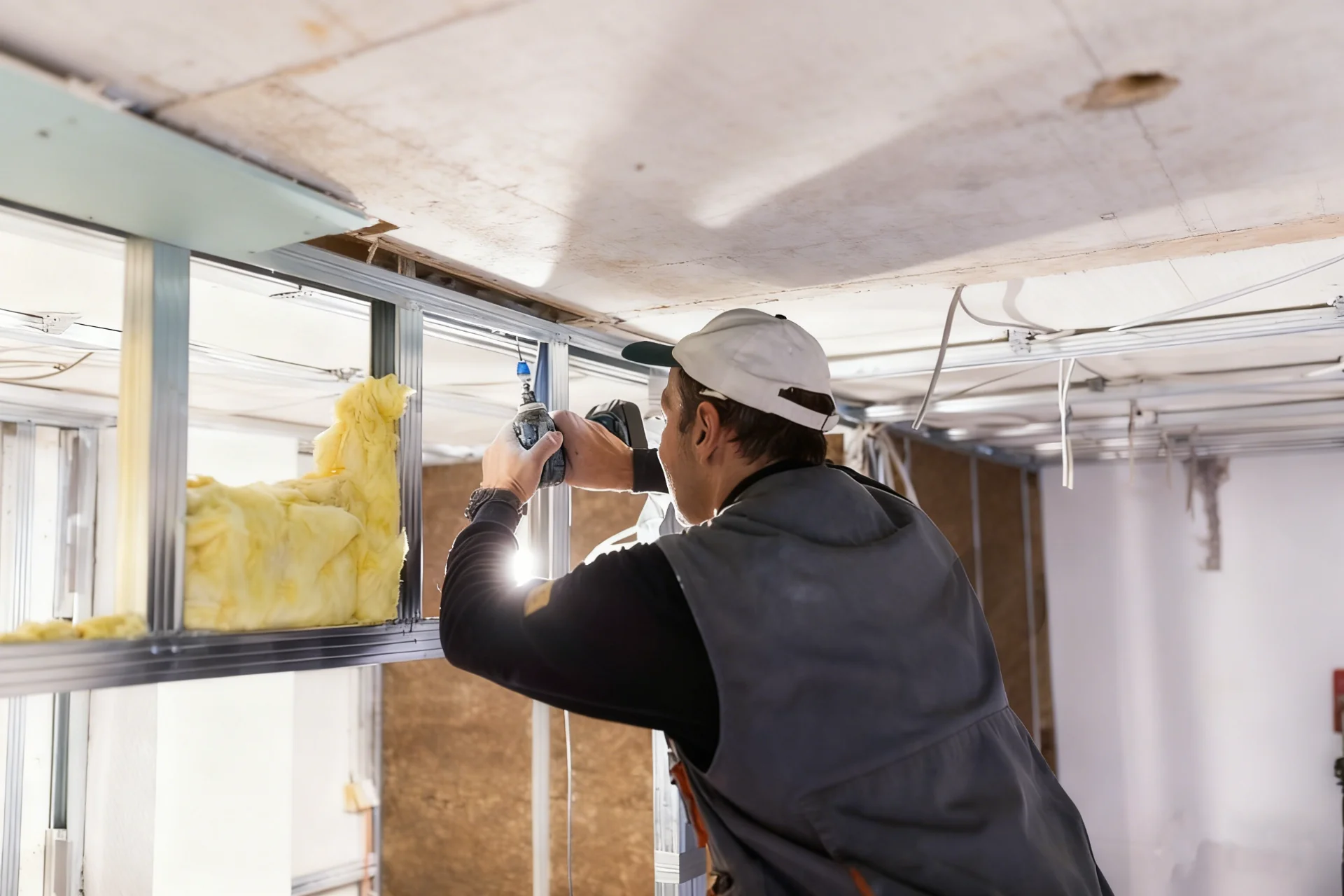
From my installation experience, the ceiling is more than a decorative surface; it acts as the first line of defense against solar radiation. The synergy between insulation layers, air gaps, and PVC aluminum foil ceiling finishes transforms what seems like a visual detail into an essential component of the building’s thermal protection system.
What Is the Purpose of Ceiling Insulation?
The main purpose of ceiling insulation in systems such as PVC gypsum ceiling tile panels or gypsum ceiling boards is to improve temperature stability, lower energy costs, and prevent moisture condensation. It slows the rate of heat flow between the roof and the room below, ensuring thermal comfort while protecting finishes from temperature changes. In addition, properly insulated gypsum ceiling panels offer improved acoustics and longer lifespan.
Ceiling insulation provides thermal comfort, reduces energy use, and enhances soundproofing for residential and commercial settings. Proper installation beneath PVC aluminum foil ceiling layers helps block radiant heat while maintaining a clean, reflective aesthetic surface.
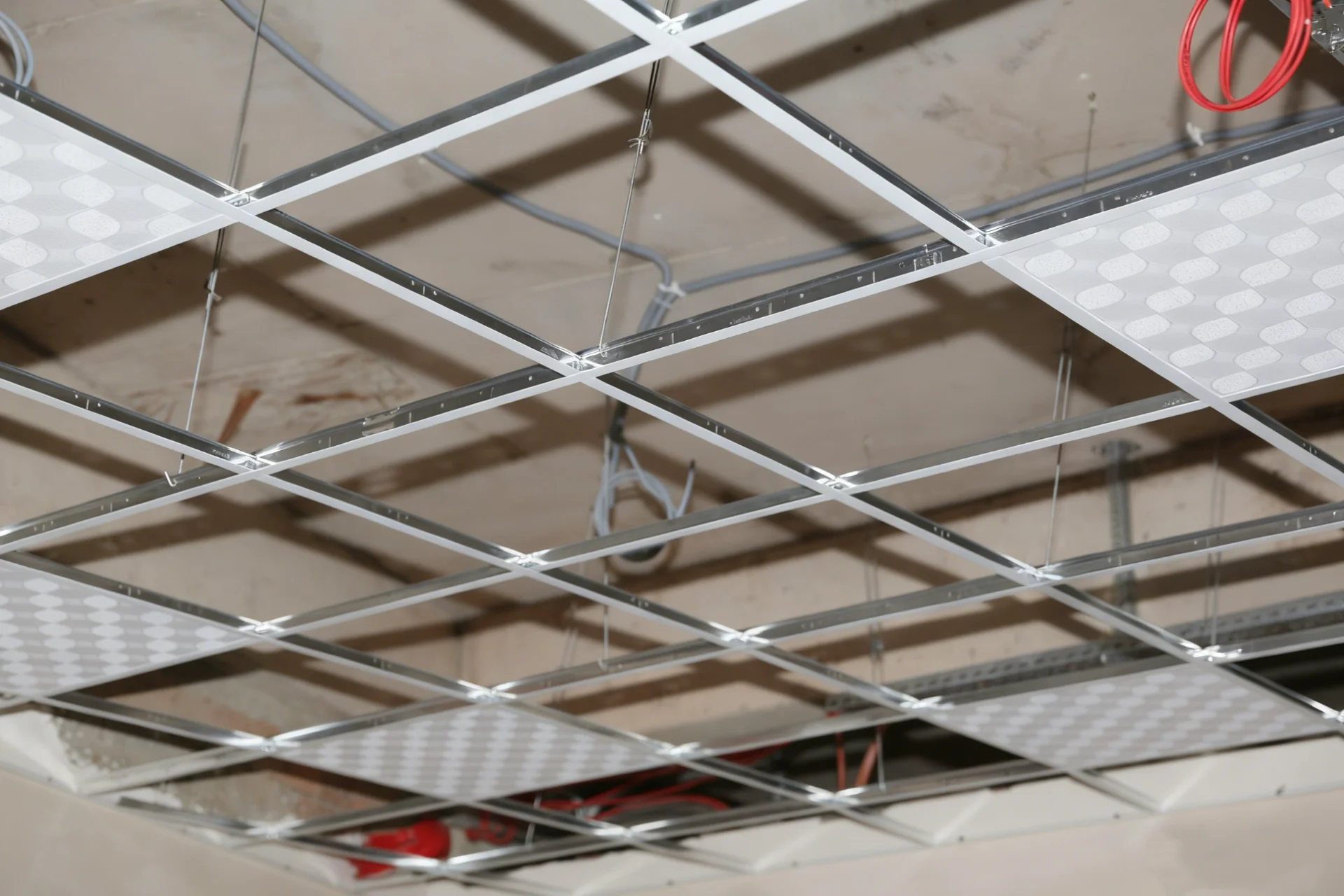
Ceiling Insulation Purposes
| Purpose | Function | Result | Benefit |
|---|---|---|---|
| Thermal Control | Minimizes heat transfer | Stable indoor temperature | Year-round comfort |
| Energy Efficiency | Reduces HVAC load | Less power usage | Lower energy bills |
| Condensation Prevention | Warmer interior surface | Prevents mold & damp | Healthier indoor environment |
| Acoustic Absorption | Dampens noise | Enhanced sound quality | Quieter spaces |
| Structural Protection | Manages humidity | Extends ceiling material life | Long-term durability |
Insulated gypsum ceilings and PVC gypsum ceiling tile systems directly enhance indoor living quality through comfort and energy savings.
How Ceiling Insulation Enhances Living Quality
| Factor | With Insulation | Without Insulation |
|---|---|---|
| Temperature Stability | Balanced & steady | Rapid fluctuations |
| Cooling Load | Lower demand | High AC usage |
| Humidity Regulation | Controlled | Risk of condensation |
| Comfort Level | Consistent warmth | Uneven indoor climate |
| Ceiling Durability | Extended lifespan | Faster material aging |
Proper insulation installation behind PVC aluminum foil ceiling or gypsum ceiling panels supports stable humidity and temperature, improving both comfort and material performance.
Why Is Thermal Insulation Important in Roof Construction?
In roof construction, thermal insulation minimizes excessive heat gain from sunlight and reduces interior heat loss. Since roughly 70% of overall heat exchange occurs through the roof area, proper insulation under the gypsum ceiling system becomes vital for long-term building energy performance.
Roof insulation shields indoor spaces from radiant and conductive heat, balancing roof surface and ceiling temperature. TRUSUS roofing and ceiling systems often integrate gypsum panels, PVC gypsum ceiling tiles, and foil-faced insulation materials to create a high-performance envelope.

Roof Insulation Practical Framework
| Layer | Function | Material | Key Effect |
|---|---|---|---|
| Roof Membrane | Waterproofing layer | PVC or bitumen sheet | Prevents leakage |
| Thermal Insulation Layer | Controls heat conduction | EPS / XPS / Glass wool | Blocks thermal transfer |
| Air Cavity | Heat dissipation | Ventilated gap | Prevents overheating |
| Ceiling Finish | Decorative surface | Gypsum panel or PVC gypsum ceiling tile | Clean interior finish |
| Reflective Film | Reflects radiant energy | Aluminum foil | Radiant heat protection |
This layered approach ensures thermal balance, moisture control, and energy-efficiency durability, particularly when combined with PVC aluminum foil ceiling panels in high-humidity regions.
Benefits of Roof Thermal Insulation
| Benefit | Description | Impact |
|---|---|---|
| Reduced Heat Entry | Blocks solar radiation | Lower cooling requirements |
| Less Material Stress | Minimizes expansion & contraction | Longer roof life |
| Energy Conservation | Blocks unwanted heat flow | Reduced utility costs |
| Balanced Indoor Climate | Controls humidity & temperature | Enhanced occupant comfort |
| Sustainable Efficiency | Supports eco-friendly design | Meets green building standards |
Integrating gypsum ceiling panels and PVC gypsum ceiling tile systems beneath insulated roofs provides combined protection against heat, moisture, and environmental wear.
Do You Need an Air Gap Between Roof and Insulation?
Yes. An air gap between roof and insulation significantly improves performance. This ventilation zone allows moisture control, dissipates trapped heat, and reduces radiant transfer. In gypsum and PVC ceiling systems, a 20–50 mm air space ensures efficient airflow and prolongs insulation effectiveness.
Air gaps minimize thermal bridging and help prevent condensation behind PVC aluminum foil ceiling panels or gypsum ceiling boards, keeping the internal structure dry and stable.
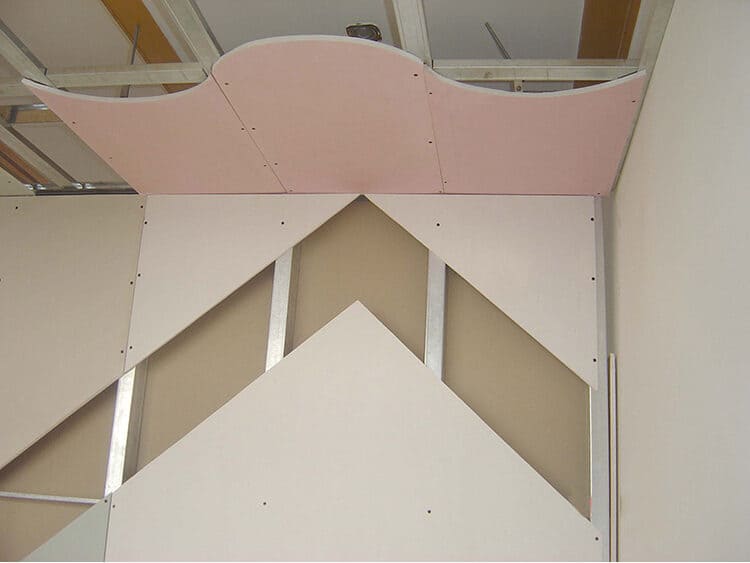
Recommended Air Space Configurations
| Construction Type | Air Gap Thickness | Ventilation Mode | Effect |
|---|---|---|---|
| Residential Ceiling (PVC gypsum ceiling tiles) | 20–30 mm | Static | Heat buffer zone |
| Metal Roofing System | 40–50 mm | Natural convection | Heat dissipation |
| Flat Concrete Roof + Gypsum ceiling | 25 mm | Semi-vented | Moisture control |
| High-Humidity Interior Zone | 40 mm | Mechanical airflow | Condensation prevention |
Maintaining a ventilated gap behind gypsum ceiling panels or PVC gypsum ceiling systems maximizes thermal protection and extends material life.
Why Air Gaps Matter
| Mechanism | Function | Result |
|---|---|---|
| Conduction Block | Reduces direct heat contact | Stable indoor temperature |
| Radiation Reflection | Enhances reflective foil performance | Lower ceiling heat |
| Ventilation Pathway | Allows hot air escape | Dry and insulated core |
| Moisture Regulation | Reduces dew formation | Prevents mold growth |
The most effective ceiling insulation systems, especially those paired with PVC aluminum foil ceiling finishes, balance thermal resistance with ventilated design principles for smarter heat control and increased system longevity.
Conclusion
Thermal insulation in ceilings and roofs serves as the core of energy efficiency—reducing heat transfer, stabilizing indoor temperatures, and preventing moisture damage. When integrated with PVC gypsum ceiling tiles, PVC aluminum foil ceiling systems, or gypsum ceiling panels, insulation not only enhances comfort but extends ceiling lifespan by controlling condensation and temperature stress.
Air gaps further improve performance by fostering ventilation and minimizing heat bridging, turning the gypsum ceiling into a high-functioning thermal barrier. With ceiling and insulation systems, designers and builders achieve synergy between aesthetic quality, thermal control, and sustainability—transforming modern ceilings into intelligent energy-saving shields that ensure comfort and durability across all climates.