



The best smooth finish for plasterboard is a Level 5 drywall finish. It delivers the most flawless and uniform surface possible, ready for high-gloss paint or critical lighting conditions.
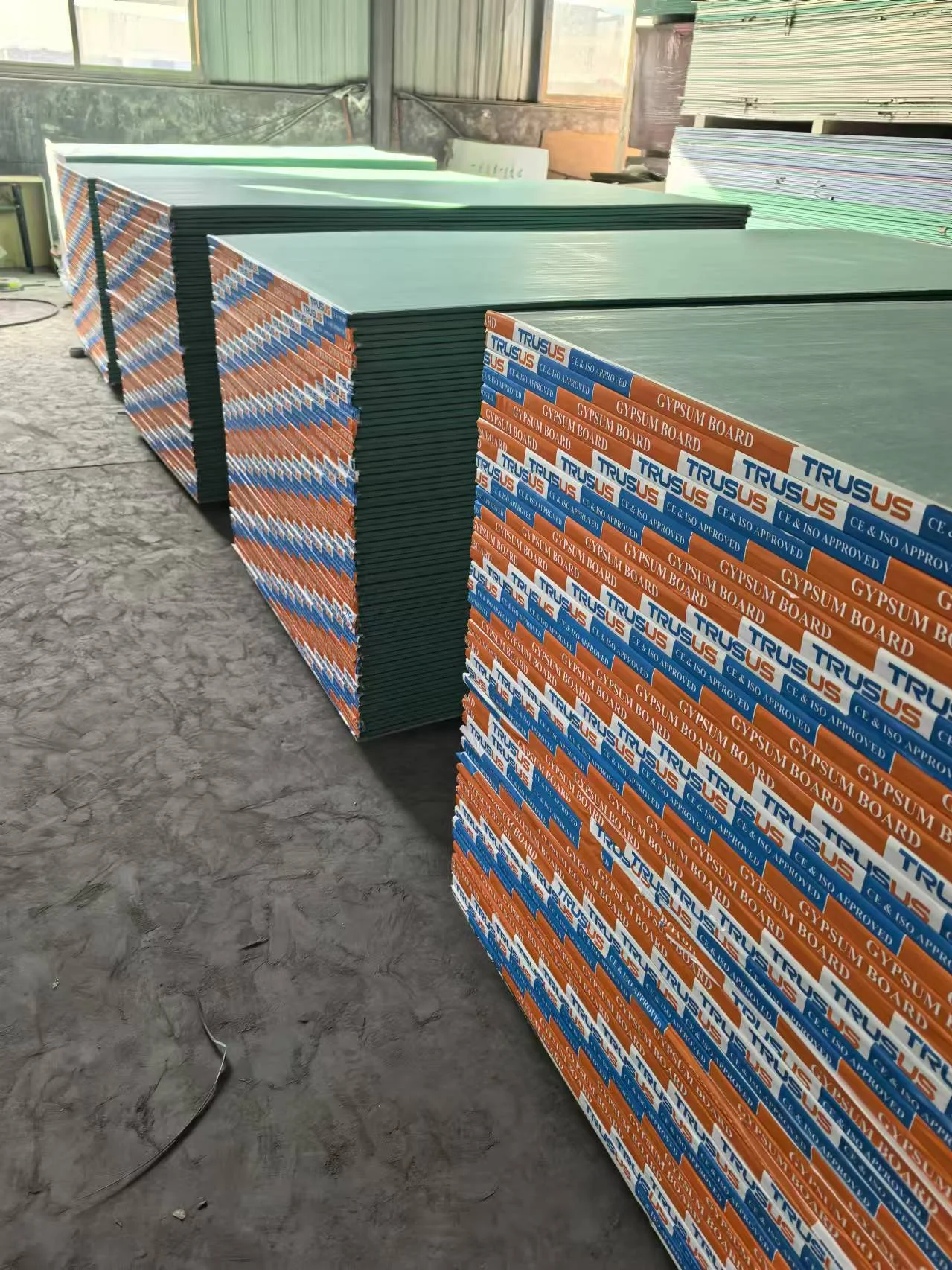
TRUSUS surface insight: true smoothness starts before the paint.
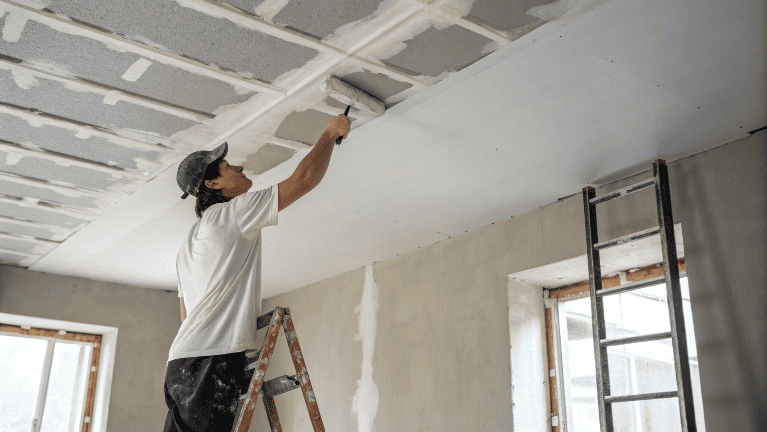
A Level 5 finish includes full joint taping, three coats of compound, light sanding, and a final skim coat over the entire surface to remove micro imperfections and unify texture.
What Level of Drywall Is Smooth?
For visible perfection under strong lighting or glossy finishes, Level 5 is the only grade that achieves a fully smooth surface. Lower levels are acceptable for hidden or utilitarian spaces.
finishing insight: project purpose defines the finish.
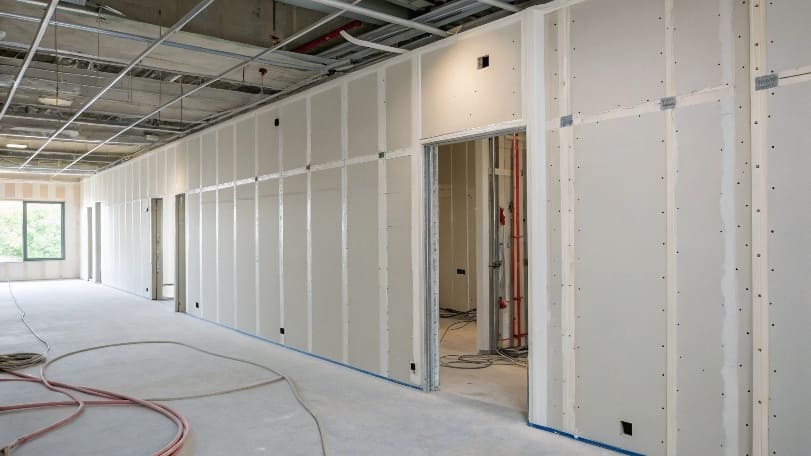
Drywall Finish Levels Guide
| Level | Description | Surface Appearance | Recommended Use |
|---|---|---|---|
| 0 | Unfinished | Bare boards | Temporary enclosure |
| 1 | Tape embedded | Visible seams | Attics, service spaces |
| 2 | One coat | Slight texture | Tile base, garages |
| 3 | Two coats | Fairly smooth | Heavy texture paint |
| 4 | Three coats | Smooth under matte paint | Standard interiors |
| 5 | Skim coat | Perfectly smooth | Gloss or high-light areas |
Each level adds control to joints, edges, and surface reflection. Level 5 represents not just more effort, but a complete system of flatness, light behavior, and surface science.
How to Get the Smoothest Finish on Drywall?
To get the smoothest finish, combine good materials, controlled conditions, and careful sanding. Apply multiple thin coats of joint compound, finish with a skim coat, sand evenly, and seal before painting.
craftsmanship insight: smoothness is the product of patience.
Step-by-Step Smoothness Process
| Step | Task | Action | Purpose |
|---|---|---|---|
| 1 | Tape joints | Use paper or mesh tape | Strengthen seams |
| 2 | Apply Setting Compound | Spread evenly | Fill gaps |
| 3 | Add Finishing Coats | Two to three layers | Refine surface |
| 4 | Sand Lightly | Use fine-grit sandpaper | Remove texture |
| 5 | Apply Skim Coat | Thin overall layer | Achieve total flatness |
| 6 | Prime and Inspect | Under bright light | Seal pores and check reflection |
Humidity control is as important as skill. Working in a stable temperature and using consistent lighting ensures the final finish appears even and shadow-free.
Why Color Gypsum Board Mud?
Colored gypsum board mud helps visualize coverage and depth during application. Each tinted layer distinguishes itself from the previous one, preventing over- or under-sanding and improving finishing accuracy.
material insight: color guides the unseen layers of perfection.

Functional Benefits of Colored Mud
| Feature | Description | Advantage |
|---|---|---|
| Layer Distinction | Contrasting shade per coat | Prevents uneven sanding |
| Quality Control | Visibility during taping and skimming | Ensures full coverage |
| Finishing Consistency | Even film thickness | Stable reflection control |
| Aesthetic Inspection | Easier visual check | Faster correction |
Tinted compounds optimize workflow, especially for Level 5 finishes, ensuring that even the slightest unevenness is visible before painting begins. It turns finishing into a traceable, repeatable process instead of guesswork.
Conclusion
Smooth plasterboard is not simply made—it is engineered. At TRUSUS, I see every Level 5 wall as the result of a system where paper, compound, and patience unite to express true precision in construction.