



The best material for fireproof walls depends on the building’s purpose, but gypsum board (drywall) is among the most efficient and widely used solutions. It combines fire resistance, light weight, and easy installation while meeting modern fire-rating standards in both residential and commercial buildings.
TRUSUS Fireproof Gypsum Board achieves higher performance through hydrated mineral composition and reinforced additives, providing dependable fire resistance and safe interior finishes.
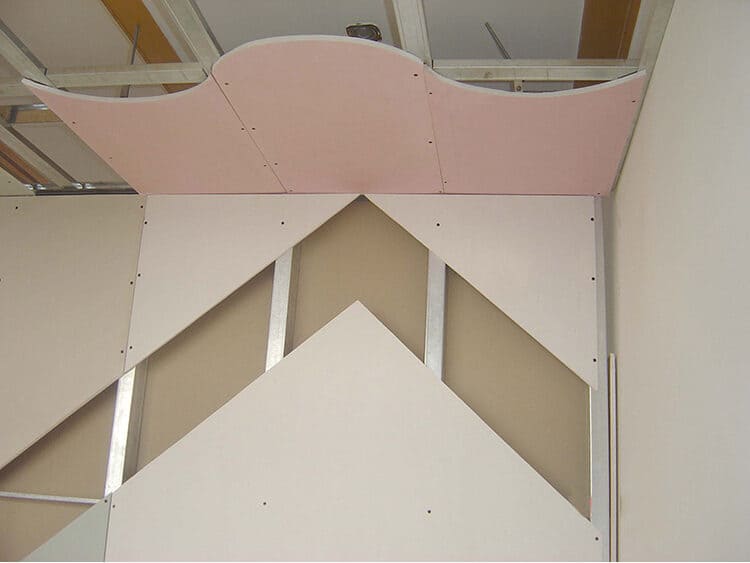
True fireproofing isn’t only about material choice, but how a wall system works to slow, isolate, and contain fire.
What Component Is Commonly Added to Gypsum Board to Improve Fire Resistance?
Fire-resistant gypsum boards often include glass fibers and special binders that hold the structure together during high heat. These additives help the board stay stable even after the inner crystal water releases, preventing cracking or collapse under extreme temperature.
TRUSUS enhanced boards use glass fiber reinforcement to maintain integrity longer during direct flame exposure.
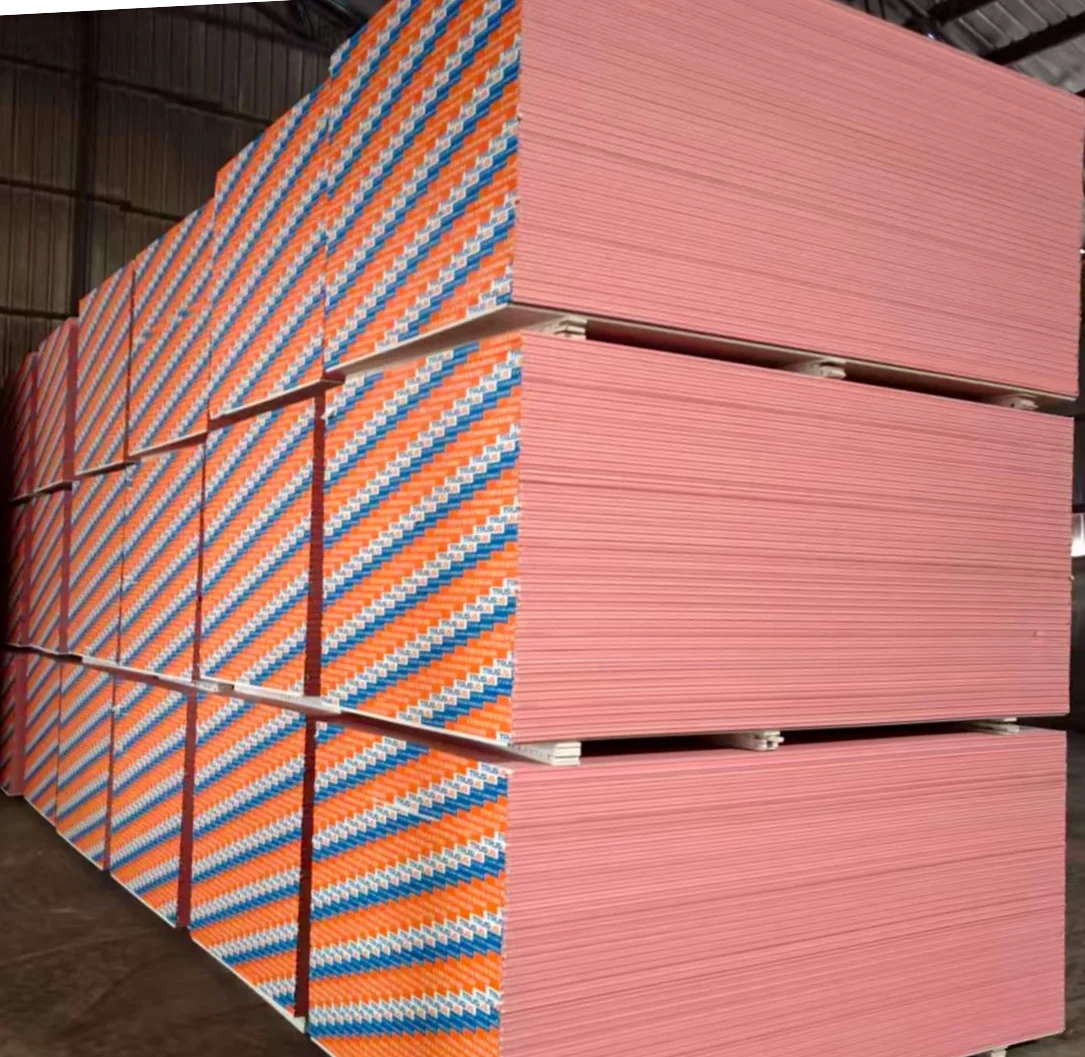
Fire-Resistant Component Breakdown
| Component | Function | Fire Resistance Benefit |
|---|---|---|
| Gypsum (Calcium Sulfate Dihydrate) | Base mineral with water of crystallization | Releases steam to absorb heat |
| Glass Fibers | Structural reinforcement | Prevents sagging and collapse |
| Vermiculite or Perlite | Lightweight filler | Improves insulation |
| Fire-resistant Adhesive | Bonding stability | Enhances cohesion at high heat |
| Surface Paper Facing | Smoke control and easy finish | Limits flame spread |
This combination transforms a simple board into a heat-managing wall system, not just a coating layer.
Application System Design
| Wall Type | Layers | Fire Rating | Use |
|---|---|---|---|
| Single-layer wall | 1 sheet each side | 30 minutes | Light partition |
| Double-layer wall | 2 sheets each side | 60–90 minutes | Office or hospital |
| Layer + insulation core | 2 sheets + rock wool | 120+ minutes | Fire barrier wall |
Adding smart layout and insulation turns a simple gypsum sheet into a fire-safe structure suitable for modern architecture.
What Gives Drywall Panels That Are Used in Your House Some Fire Resistance?
The fire resistance of household drywall panels mainly comes from their chemically bound water. Each gypsum molecule contains water molecules that, when heated, gradually release as vapor, absorbing vast amounts of heat and slowing temperature rise. This simple reaction prevents fire spread and reduces structural stress.
TRUSUS drywall leverages this same principle but enhances it through controlled crystallization and reinforced formulation.
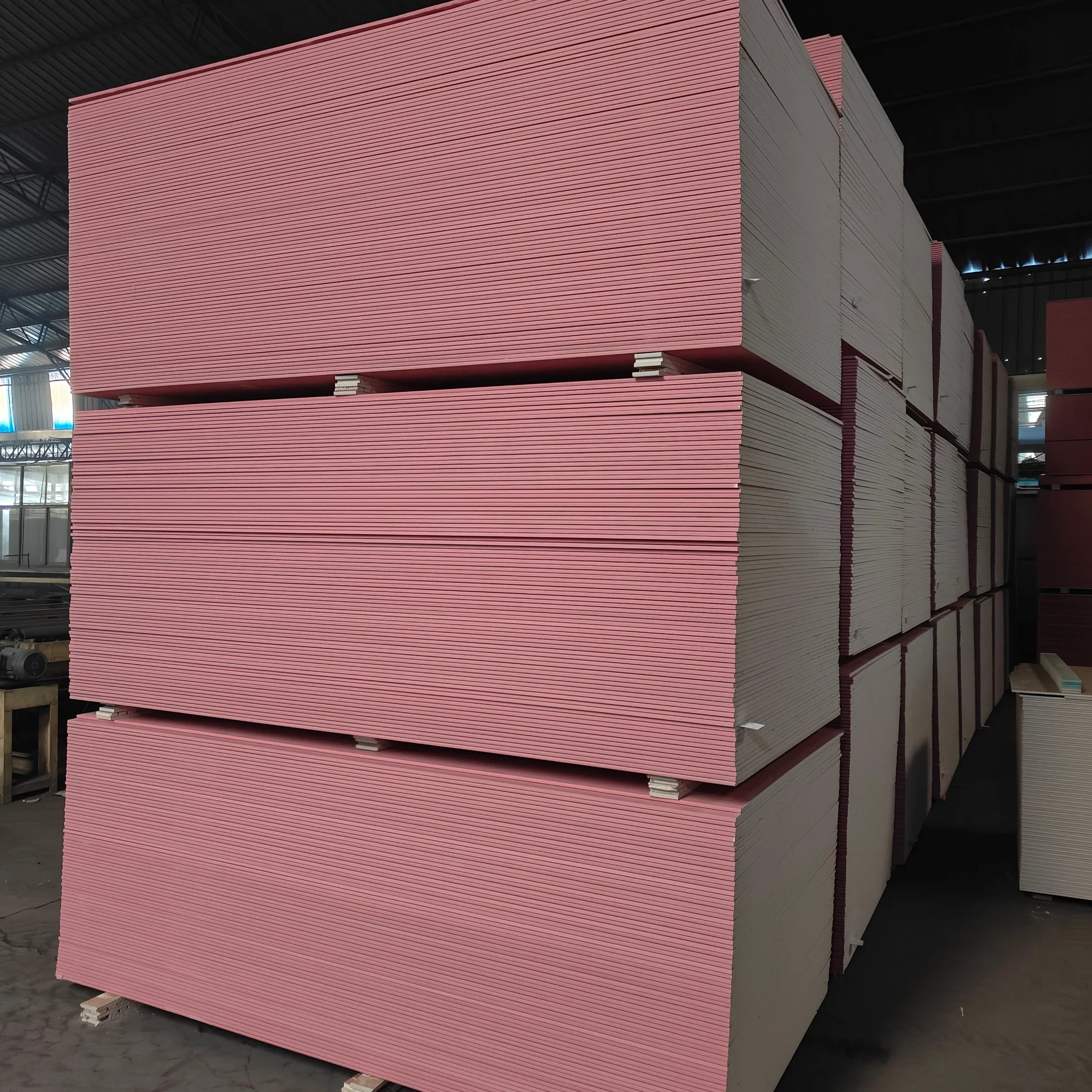
How TRUSUS Drywall Reacts to Fire
| Stage | Description | Effect |
|---|---|---|
| Initial heating | Water molecules begin releasing | Early cooling |
| Active flame phase | Steam barrier forms | Slows conduction |
| High temperature phase | Fibers maintain shape | Prevents disintegration |
| Cooling phase | Residue stays firm | Delays collapse |
Key Design Benefits
| Property | Result |
|---|---|
| Controlled water release | Steady heat absorption |
| Low thermal conductivity | Slower surface heating |
| Stable structure | Greater occupant safety |
| Low smoke emission | Safer evacuation |
This is why even standard drywall naturally resists fire better than many other lightweight materials.
What Element Gives Gypsum Board Its Heat Resistant and Fire Retardant Properties?
The element that gives gypsum board its heat-resistant and fire-retardant properties is water (H₂O) stored in its crystalline structure. When heated, this water transforms into vapor, absorbing energy and forming a temporary steam layer that shields the board’s rear face.
TRUSUS gypsum boards harness this property through calcium sulfate dihydrate (CaSO₄·2H₂O), a compound stable and safe for interior use.
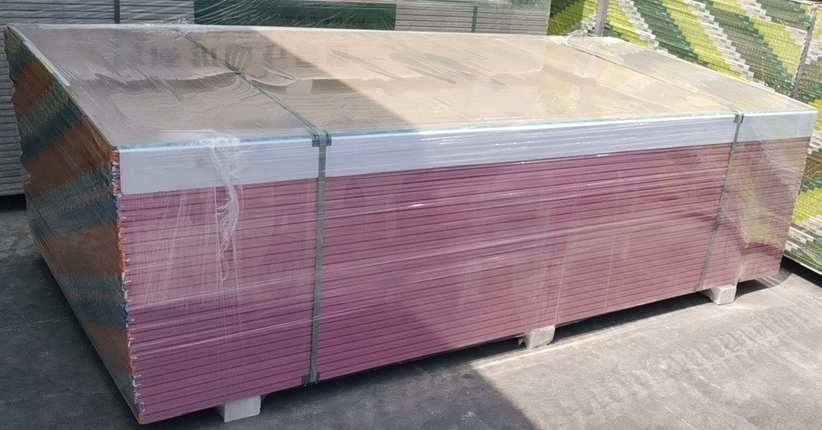
TRUSUS Gypsum Fire Reaction Process
| Compound | Formula | Thermal Effect |
|---|---|---|
| Calcium Sulfate Dihydrate | CaSO₄·2H₂O | Releases water vapor between 100–200°C |
| Anhydrous Calcium Sulfate | CaSO₄ | Forms secondary thermal barrier |
| Silica From Additives | SiO₂ | Distributes heat evenly |
This latent heat absorption mechanism makes gypsum-based systems especially useful in keeping interior partitions cool longer during a fire.
Why This Matters
| Function | Result |
|---|---|
| Energy absorption | Time buffer before ignition |
| Vapor insulation | Slows heat transfer |
| Chemical stability | Prevents early collapse |
So the crucial fire-resistant element isn’t a metal or polymer—it’s water, strategically locked inside the board’s crystal lattice.
Conclusion
The best fireproof wall material combines lightweight engineering and chemical stability—qualities found in gypsum board systems. Fire-rated performance comes from both design and composition: crystal water absorbs heat, glass fibers preserve structure, and multi-layer systems extend resistance time. In the TRUSUS philosophy, fire protection isn’t just material science—it’s a comprehensive safety system connecting chemistry, construction, and confidence in every corner of a building.