



EcoSmart drywall is an environmentally sustainable gypsum wallboard featuring recycled content, low VOC emissions, reduced carbon footprint manufacturing, and enhanced moisture resistance while maintaining traditional drywall performance characteristics for green building applications. As a next-generation gypsum board and plasterboard drywall technology, it’s ideal for modern ceiling solutions and construccion en seco projects.
EcoSmart drywall contains 95-100% recycled gypsum core with recycled paper facing materials reducing manufacturing waste and resource consumption. Low VOC formulations eliminate formaldehyde and minimize off-gassing for improved indoor air quality. Manufacturing processes utilize renewable energy and water recycling systems reducing carbon footprint by 15-25% compared to standard drywall production. Enhanced moisture resistance prevents mold growth while maintaining fire resistance ratings and standard installation procedures, making it compatible with false ceiling tiles, drop ceiling grid, and gypsum ceiling tiles systems used in commercial spaces.
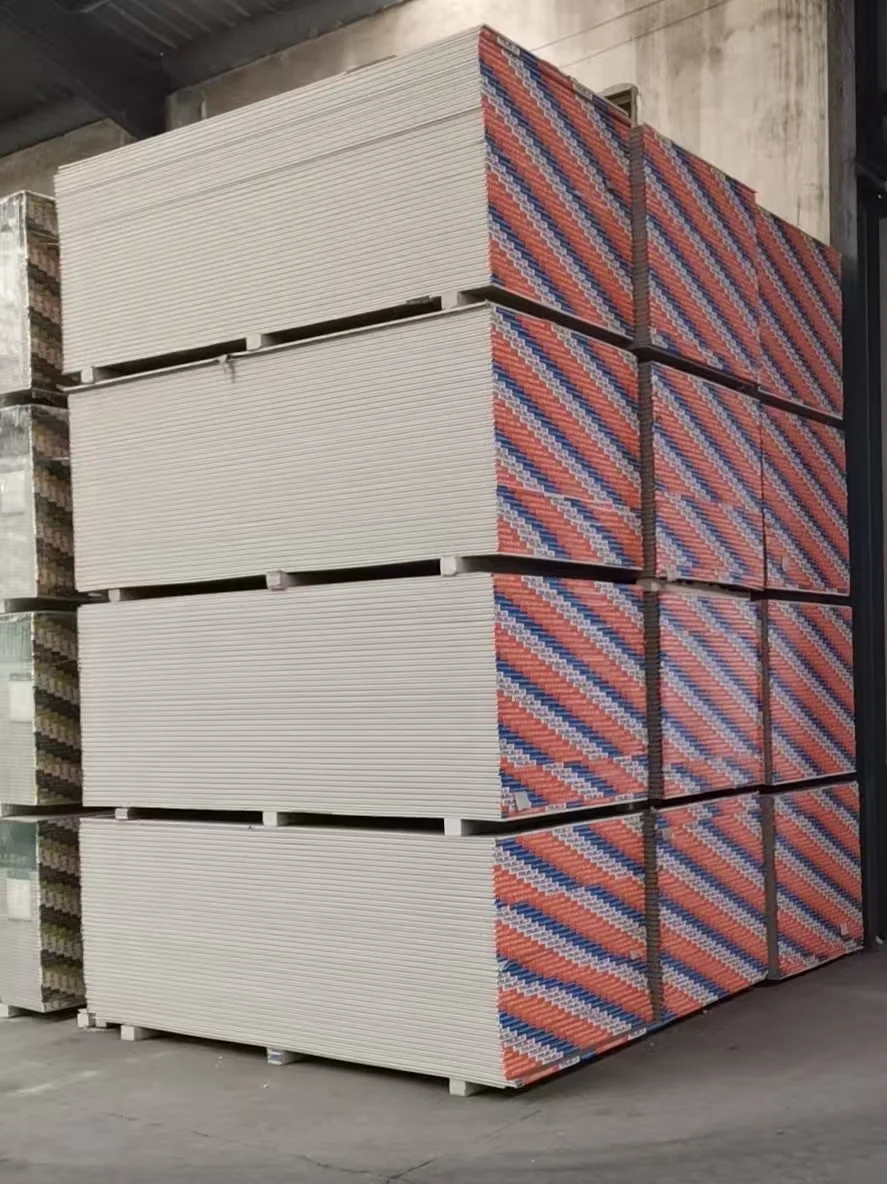
From my extensive experience in gypsum board factory operations and gypsum board company product development, I've witnessed the industry transformation toward sustainability-focused products that address both environmental concerns and health considerations without compromising structural performance or installation convenience for ceiling design board applications and drop ceiling tiles installations.
Is EcoSmart Drywall Better Than Regular Drywall?
EcoSmart drywall offers superior environmental performance with 25-50% lower embodied carbon, zero formaldehyde emissions, enhanced moisture resistance, and identical structural properties to regular drywall material while supporting green building certification requirements and suspended ceiling company installation systems.
Environmental advantages include 25-50% lower carbon footprint through recycled content utilization and renewable energy manufacturing. Health benefits feature zero formaldehyde emissions and reduced VOC levels improving indoor air quality significantly. Performance enhancements include better moisture resistance and mold prevention while maintaining identical fire ratings. Cost considerations show 5-15% premium pricing offset by green building incentives and long-term health benefits. Installation procedures remain unchanged using standard tools and techniques, just like installing plaster board, board gypsum, or gypsum boards in standard ceiling solutions.
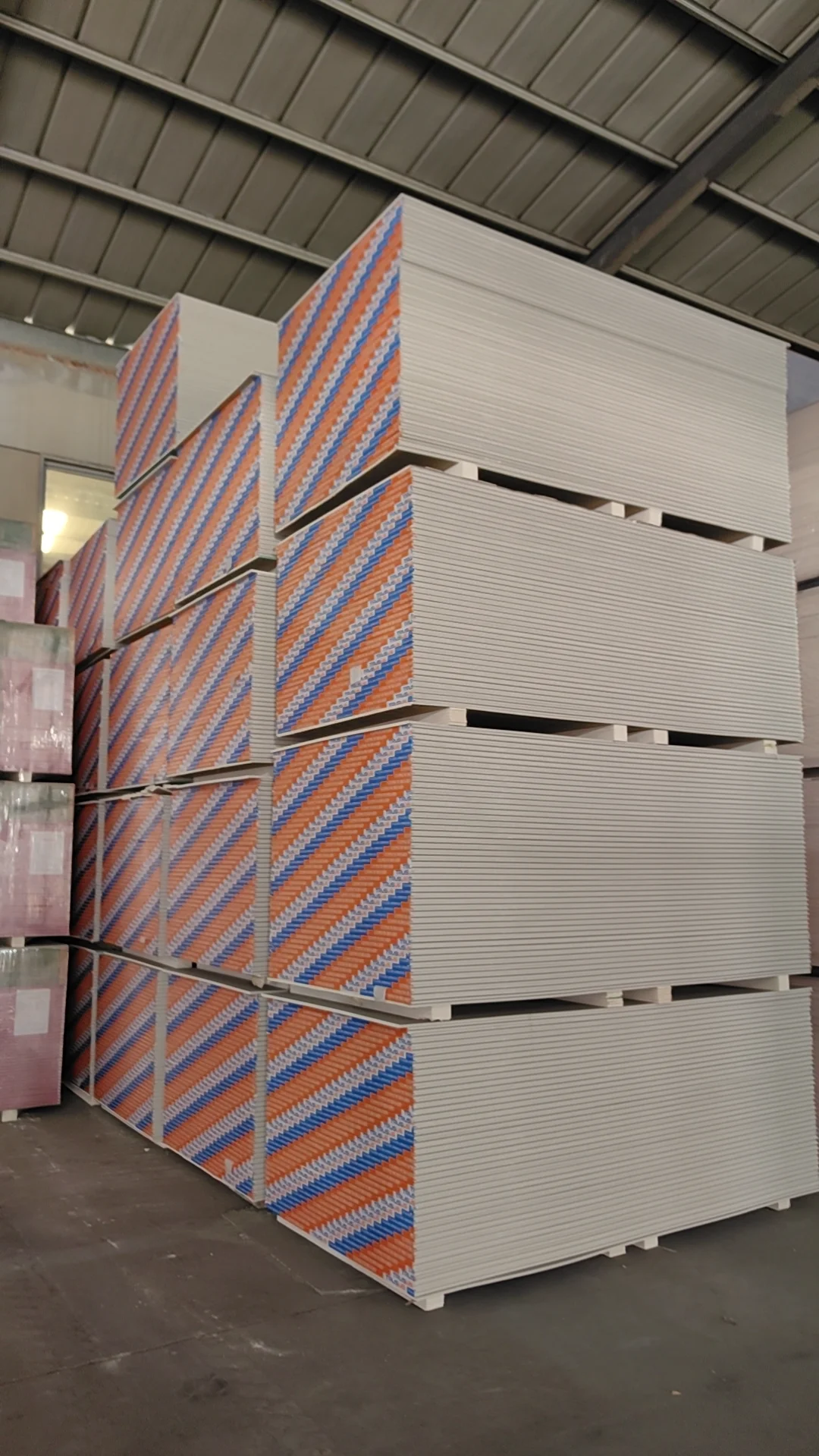
Environmental Performance Comparison
EcoSmart drywall demonstrates significant environmental advantages across multiple sustainability metrics used by gypsum board factories producing modern drywall material and plaster board alternatives.
| Environmental Factor | EcoSmart Drywall | Regular Drywall | Improvement Percentage | Measurement Method |
|---|---|---|---|---|
| Carbon Footprint | 0.25-0.35 kg CO2/sq ft | 0.40-0.55 kg CO2/sq ft | 25-50% reduction | Life cycle assessment |
| Recycled Content | 95-100% gypsum core | 5-15% recycled | 80-95% increase | Material tracking |
| Water Usage | 40-60% reduction | Standard process | 40-60% savings | Manufacturing data |
| Energy Consumption | 15-25% lower | Baseline energy | 15-25% reduction | Production monitoring |
| Waste Generation | 30-50% less | Standard waste | 30-50% reduction | Manufacturing audit |
Carbon footprint reduction represents the most significant environmental advantage of EcoSmart gypsum boards.
Indoor Air Quality Benefits
EcoSmart formulations provide measurable improvements in indoor environmental quality and meet high indoor air standards for plasterboard drywall, false ceiling tiles, and gypsum ceiling tiles.
| Air Quality Factor | EcoSmart Performance | Regular Drywall | Health Impact | Testing Standards |
|---|---|---|---|---|
| Formaldehyde Emissions | Zero detected | 0.01-0.05 ppm | Respiratory improvement | ASTM D6007 |
| VOC Emissions | <0.1 mg/m²·hr | 0.5-2.0 mg/m²·hr | Reduced chemical exposure | CDPH v1.2 |
| Odor Rating | Minimal/none | Slight chemical | Comfort enhancement | Sensory evaluation |
| Mold Resistance | Enhanced protection | Standard performance | Health risk reduction | ASTM D3273 |
| Moisture Management | Superior control | Basic resistance | Air quality maintenance | Humidity testing |
Zero formaldehyde emissions provide the most significant health benefit for sensitive occupants in ceiling design board installations and drop ceiling tiles assemblies.
Performance and Durability Analysis
EcoSmart drywall maintains equivalent or superior structural performance compared to regular plaster board or board gypsum used in ceiling solutions and suspended ceiling company projects.
| Performance Metric | EcoSmart Rating | Regular Drywall | Performance Advantage | Testing Protocol |
|---|---|---|---|---|
| Fire Resistance | 1-2 hour ratings | 1-2 hour ratings | Equivalent performance | ASTM E119 |
| Impact Resistance | Enhanced durability | Standard durability | 10-15% improvement | ASTM C1629 |
| Moisture Resistance | Superior protection | Basic resistance | 25-40% better | ASTM C473 |
| Dimensional Stability | Improved consistency | Standard stability | 5-10% better | ASTM C1396 |
| Sound Attenuation | Equivalent/better | Standard performance | Equal or improved | ASTM C423 |
Moisture resistance enhancement provides the most practical performance advantage for plasterboard drywall and gypsum board installations used under false ceiling tiles and drop ceiling grid systems.
Cost-Benefit Analysis
EcoSmart drywall economics include upfront premiums offset by long-term value creation in construccion en seco and ceiling design board projects.
| Economic Factor | EcoSmart Investment | Regular Drywall | Value Proposition | Payback Period |
|---|---|---|---|---|
| Material Cost | $0.45-0.60/sq ft | $0.40-0.50/sq ft | 5-15% premium | Initial investment |
| Installation Cost | Identical | Baseline cost | No additional labor | Same timeline |
| Green Building Credits | LEED/BREEAM points | No credits | Certification value | Project dependent |
| Health Benefits | Reduced medical costs | Standard exposure | Long-term savings | 5-10 years |
| Insurance Benefits | Potential discounts | Standard rates | Risk reduction | Policy dependent |
Green building credits often justify the price PVC ceiling panel and drywall material cost premiums for certified projects.
What is the Least Toxic Drywall?
The least toxic drywall and plasterboard drywall feature zero formaldehyde, ultra-low VOC emissions, natural gypsum content, recycled paper facing, and meet stringent indoor air quality standards like GREENGUARD Gold certification for sensitive environments including schools, ceiling solutions for healthcare facilities, and suspended ceiling company projects.
Zero-added formaldehyde formulations eliminate primary toxic emissions using natural binding agents and low-emission adhesives. Ultra-low VOC certification requires emissions below 0.025 mg/m²·hr meeting most stringent air quality standards. Natural gypsum sources avoid synthetic additives and chemical processing residues common in lower-grade board gypsum products. Recycled paper facing eliminates bleaching chemicals and printing inks that contribute to off-gassing. Third-party certifications include GREENGUARD Gold and OEKO-TEX standards verifying comprehensive safety testing across all gypsum boards.
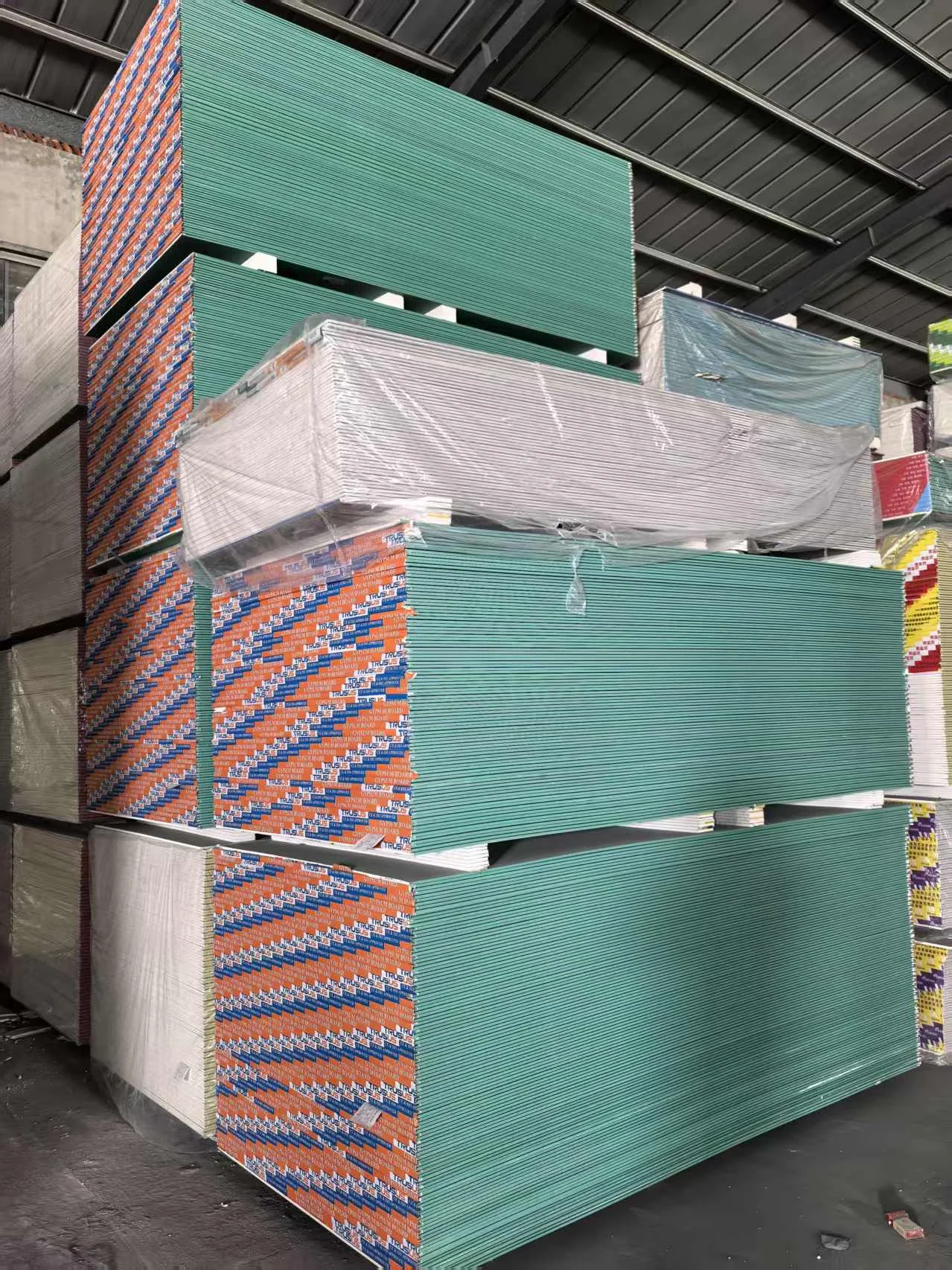
Toxicity Reduction Strategies
Multiple approaches minimize harmful emissions and chemical exposure from drywall material and ceiling design board products.
| Reduction Strategy | Implementation Method | Effectiveness Level | Health Benefit | Cost Impact |
|---|---|---|---|---|
| Formaldehyde Elimination | Natural binding systems | 100% reduction | Respiratory protection | 5-10% premium |
| VOC Minimization | Low-emission materials | 90-95% reduction | Chemical sensitivity relief | 3-7% premium |
| Natural Additives | Plant-based components | Chemical-free | Allergen reduction | 2-5% premium |
| Paper Treatment | Unbleached recycled | Reduced processing | Skin contact safety | Minimal impact |
| Surface Coatings | Water-based finishes | Low toxicity | Direct exposure reduction | Standard pricing |
Formaldehyde elimination provides the most significant toxicity reduction for sensitive occupants using plaster board, drop ceiling tiles, or gypsum ceiling tiles systems.
Certification Standards Comparison
Different certification programs establish varying toxicity limits and testing requirements for plasterboard drywall and gypsum boards from sustainable gypsum board company suppliers.
| Certification Program | Emission Limits | Testing Duration | Scope Coverage | Market Recognition |
|---|---|---|---|---|
| GREENGUARD Gold | <0.025 mg/m²·hr VOC | 14-21 days | Schools, healthcare | Highest credibility |
| GREENGUARD | <0.5 mg/m²·hr VOC | 7-14 days | General commercial | Wide acceptance |
| CRI Green Label | Product specific | 14 days | Flooring materials | Industry standard |
| OEKO-TEX | Chemical residues | Comprehensive | Textiles, materials | International standard |
| SCS Indoor Advantage | Multiple parameters | 14-28 days | Building materials | Growing recognition |
GREENGUARD Gold certification provides the most stringent toxicity limits for sensitive environments using gypsum board and board gypsum systems.
Health-Sensitive Applications
Specific environments require the lowest possible toxicity levels for occupant protection and for ceiling design board, drop ceiling tiles, and false ceiling tiles projects.
| Application Environment | Toxicity Requirements | Certification Needs | Special Considerations | Product Selection |
|---|---|---|---|---|
| Schools and Daycares | GREENGUARD Gold | Mandatory compliance | Child sensitivity | Ultra-low emissions |
| Healthcare Facilities | Medical grade standards | Enhanced certification | Patient vulnerability | Zero off-gassing |
| Residential Bedrooms | Low VOC preferred | Voluntary standards | Extended exposure | Natural formulations |
| Chemical-Sensitive Spaces | Zero emissions | Multiple certifications | Severe reactions | Custom solutions |
| LEED Platinum Projects | Strictest standards | Required documentation | Certification points | Premium products |
Healthcare applications demand the most stringent toxicity controls for gypsum ceiling tiles, plaster board, and plasterboard drywall installations.
What is the Most Eco-Friendly Drywall?
The most eco-friendly gypsum board and plasterboard drywall combine 100% recycled gypsum content, renewable energy manufacturing, biodegradable paper facing, carbon-negative production processes, cradle-to-cradle design principles, and end-of-life recyclability for circular economy integration by leading gypsum board company and gypsum board factory producers.
Maximum recycled content utilizes 100% post-industrial gypsum and 95-100% recycled paper facing eliminating virgin material consumption. Carbon-negative manufacturing captures more CO2 than production emissions through innovative process design. Renewable energy powers 80-100% of production using solar, wind, and biomass sources. Biodegradable components enable composting of paper facing materials at end-of-service life. Circular design enables infinite recycling of gypsum core materials supporting closed-loop manufacturing and improving total ceiling solutions, including drop ceiling grid and price PVC ceiling panel integration.
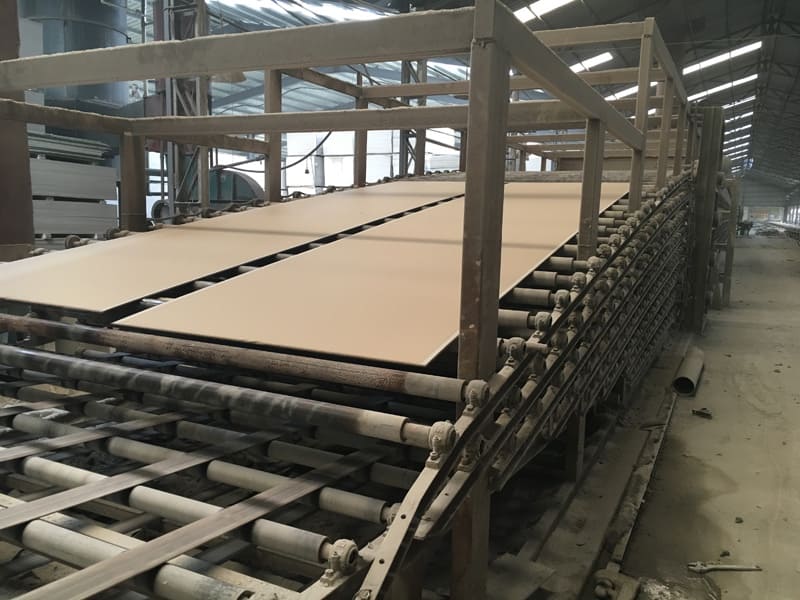
Sustainability Metrics Ranking
Comprehensive environmental performance evaluation identifies the most sustainable drywall material and plaster board options.
| Sustainability Factor | Maximum Performance | Typical Eco-Drywall | Standard Drywall | Measurement Units |
|---|---|---|---|---|
| Recycled Content | 100% gypsum/paper | 85-95% content | 5-15% content | Percentage by weight |
| Carbon Footprint | Carbon negative | 50-75% reduction | Baseline emissions | kg CO2 equivalent |
| Renewable Energy | 100% clean power | 60-80% renewable | 10-20% renewable | Percentage of total |
| Water Conservation | 80-90% reduction | 40-60% savings | Standard usage | Liters per m² |
| Recyclability | Infinite cycles | High recyclability | Limited recycling | Percentage recoverable |
Carbon-negative production represents the highest level of environmental performance achievement for any gypsum board factory.
Circular Economy Integration
Advanced eco-friendly drywall and board gypsum designs support complete circular economy principles and ceiling solutions reuse in construccion en seco projects.
| Circular Principle | Implementation Approach | Environmental Benefit | Economic Advantage | Technical Challenges |
|---|---|---|---|---|
| Design for Disassembly | Mechanical fastening | Easy material recovery | Reduced demolition costs | Structural integrity |
| Material Passports | Digital tracking | Supply chain transparency | Value retention | Data management |
| Biological Cycles | Biodegradable components | Composting capability | Waste elimination | Performance maintenance |
| Technical Cycles | Infinite recyclability | Resource conservation | Material cost reduction | Quality preservation |
| Sharing Platforms | Material exchanges | Utilization optimization | Cost sharing | Logistics coordination |
Technical cycle optimization enables the highest environmental and economic value retention in gypsum boards and plaster board production.
Innovation Technologies
Emerging technologies push eco-friendly gypsum board and plasterboard drywall performance beyond current limitations.
| Innovation Category | Technology Application | Environmental Impact | Market Readiness | Development Stage |
|---|---|---|---|---|
| Bio-Based Binders | Mycelium, plant proteins | Zero synthetic chemicals | Research phase | Laboratory testing |
| Carbon Capture | CO2 mineralization | Negative emissions | Pilot projects | Commercial development |
| Nano-Additives | Performance enhancement | Reduced material use | Early adoption | Field testing |
| Smart Materials | Responsive properties | Extended lifespan | Development stage | Prototype testing |
| 3D Manufacturing | Additive production | Waste elimination | Research phase | Concept validation |
Carbon capture integration shows the highest potential for environmental impact improvement in future gypsum board factory systems.
Life Cycle Assessment Results
Comprehensive life cycle analysis reveals total environmental impact across gypsum boards, plaster board, and drywall material lifecycles.
| Impact Category | Eco-Friendly Drywall | Standard Drywall | Improvement Factor | Assessment Method |
|---|---|---|---|---|
| Global Warming Potential | -0.15 kg CO2 eq/m² | 0.45 kg CO2 eq/m² | Carbon negative | ISO 14040/44 |
| Resource Depletion | 75% reduction | Baseline impact | Significant savings | Abiotic depletion |
| Water Usage | 60% reduction | Standard consumption | Major conservation | Water footprint |
| Acidification Potential | 50% reduction | Baseline impact | Environmental protection | SO2 equivalent |
| Eutrophication | 40% reduction | Standard impact | Ecosystem protection | PO4 equivalent |
Carbon-negative performance creates the most significant environmental advantage over conventional plasterboard drywall.
Conclusion
EcoSmart drywall is environmentally sustainable gypsum wallboard featuring 95-100% recycled gypsum core and low VOC formulations while eliminating formaldehyde and reducing carbon footprint by 15-25% through renewable energy manufacturing and water recycling systems. EcoSmart drywall offers superior environmental performance with 25-50% lower embodied carbon and zero formaldehyde emissions plus enhanced moisture resistance while maintaining identical structural properties and supporting green building certification requirements. The least toxic drywall and plaster board options feature zero formaldehyde and ultra-low VOC emissions below 0.025 mg/m²·hr using natural gypsum content and recycled paper facing, meeting GREENGUARD Gold certification for environments such as schools, healthcare ceilings, and suspended ceiling company projects. The most eco-friendly drywall combines 100% recycled gypsum content with carbon-negative production processes, renewable energy manufacturing, biodegradable components, and infinite recyclability for circular economy integration.
Success with sustainable gypsum boards, board gypsum, and plasterboard drywall selection requires understanding that environmental performance extends beyond basic recycled content to encompass comprehensive life cycle impacts, with optimal value achieved through products that eliminate toxic emissions, minimize carbon footprint, support ceiling design board, drop ceiling grid, false ceiling tiles, ceiling solutions, price PVC ceiling panel, and gypsum ceiling tiles systems—while maintaining structural performance and contributing to healthier indoor environments and reduced environmental impact throughout the building lifecycle.